
Celebrating the Educational Excellence of Lorestan University and Emphasizing the Transition to Smart Education
 May 04, 2026
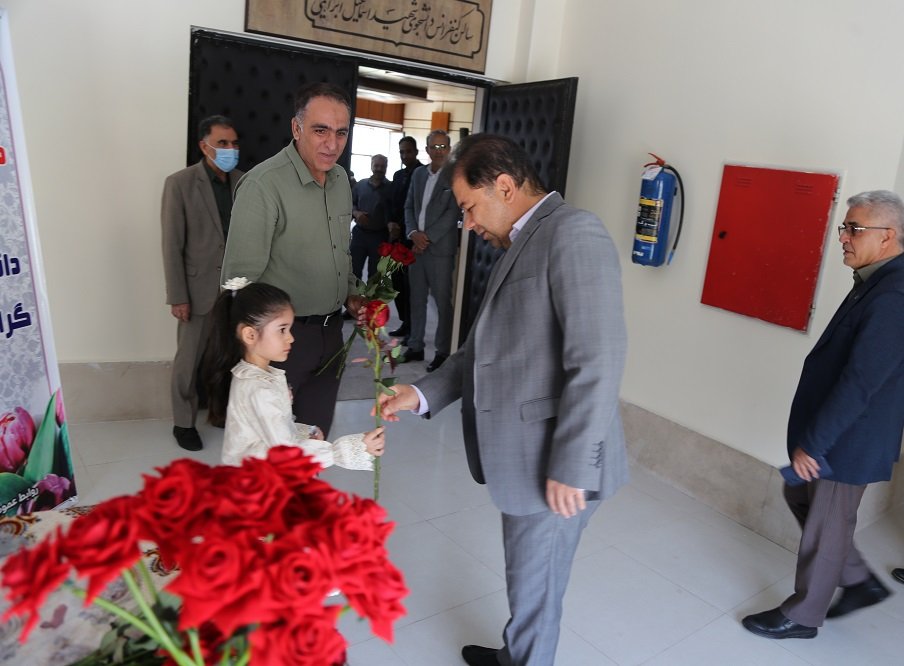
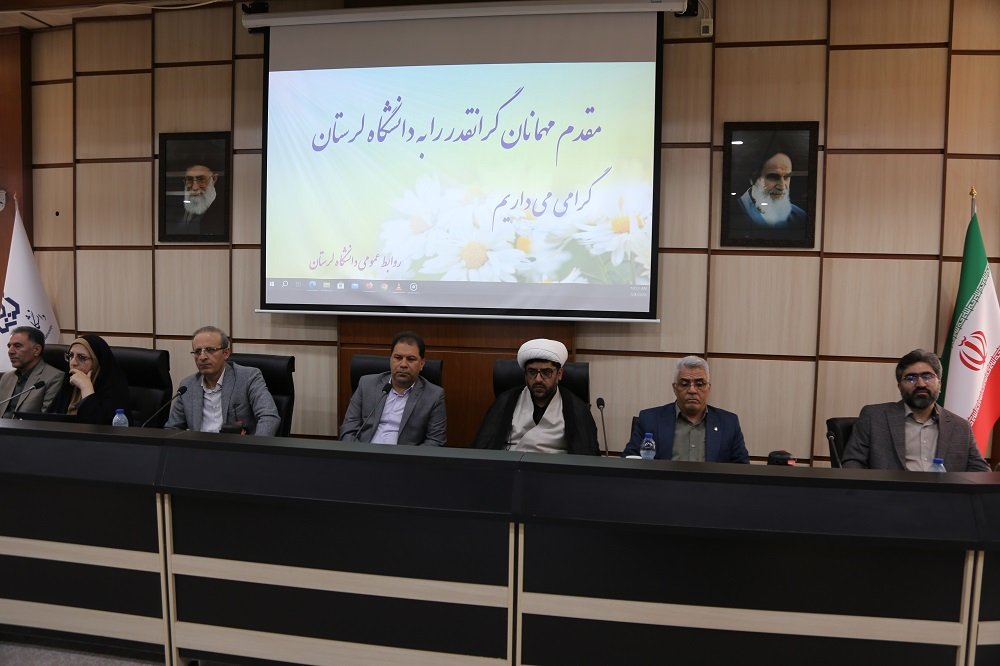
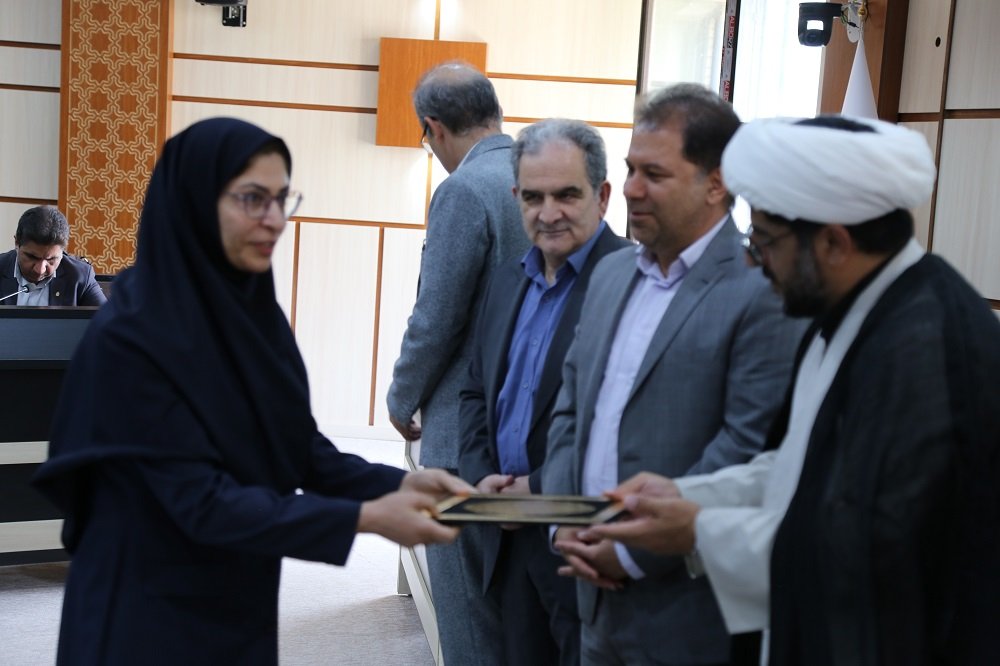
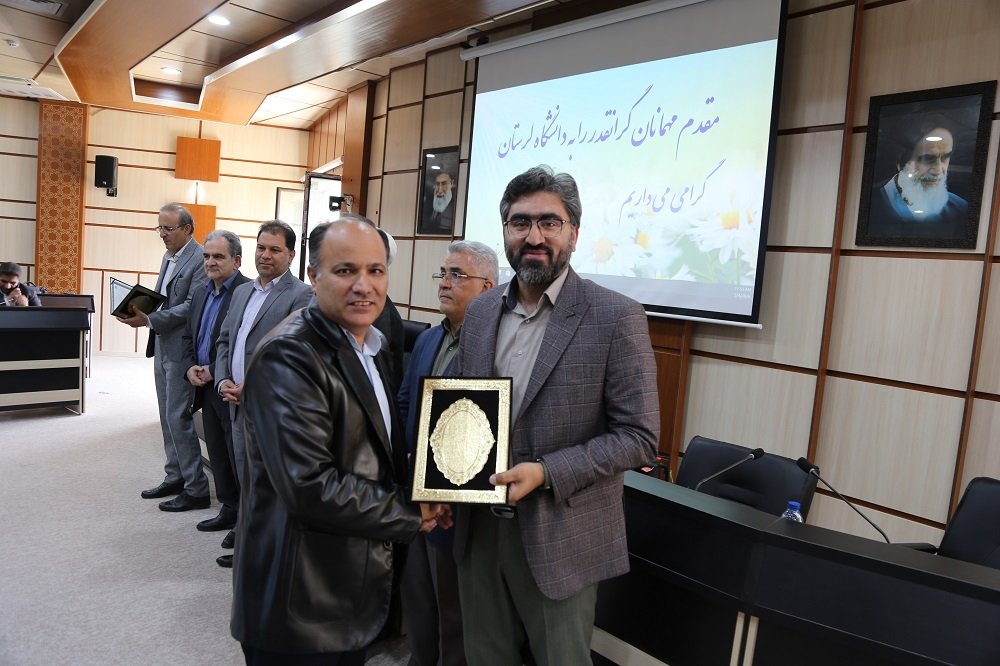
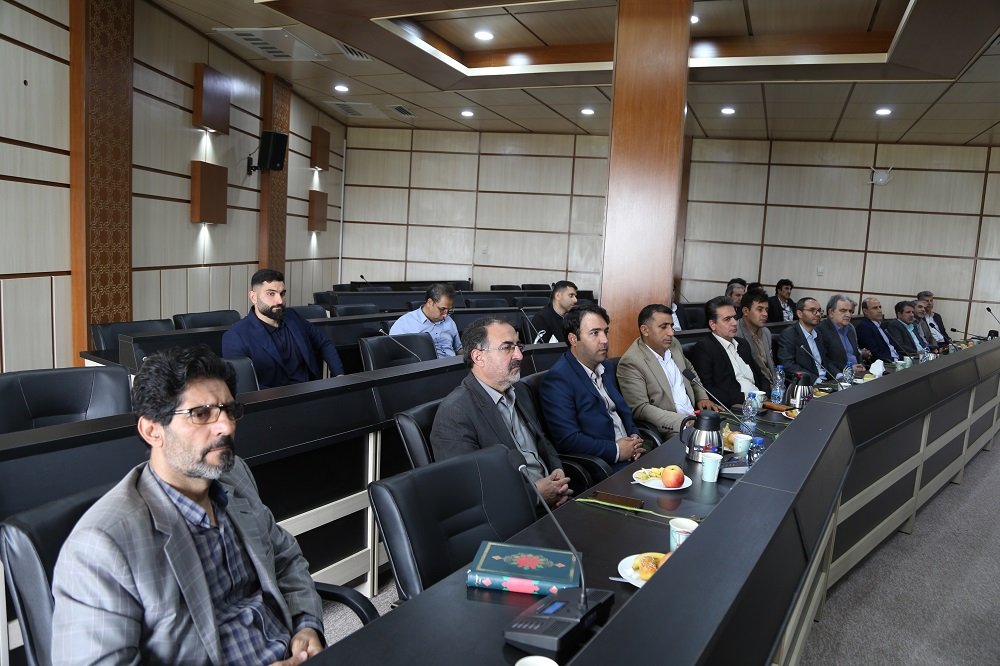
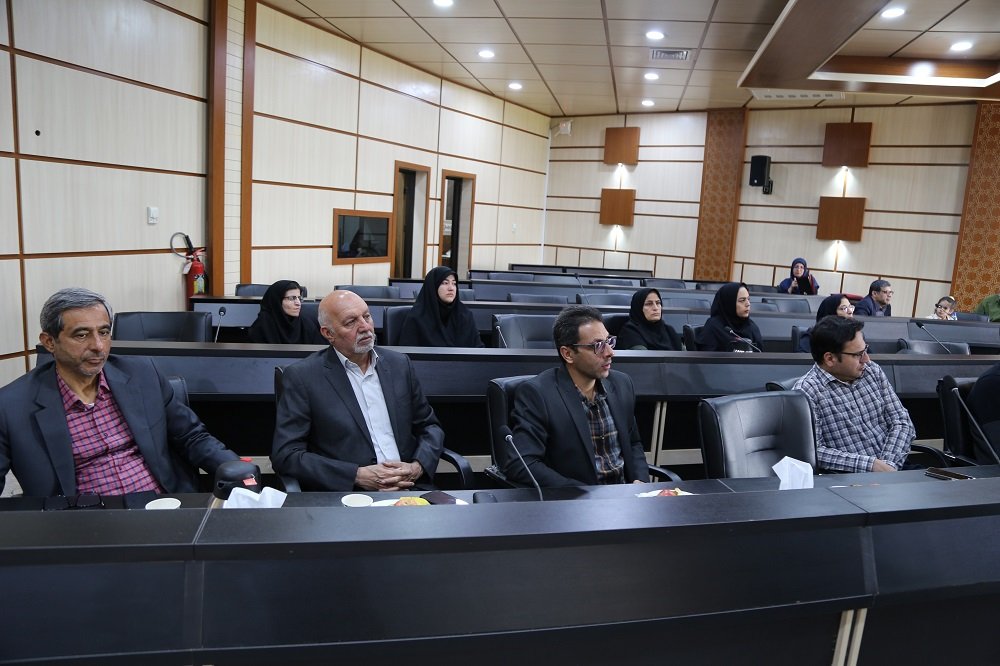
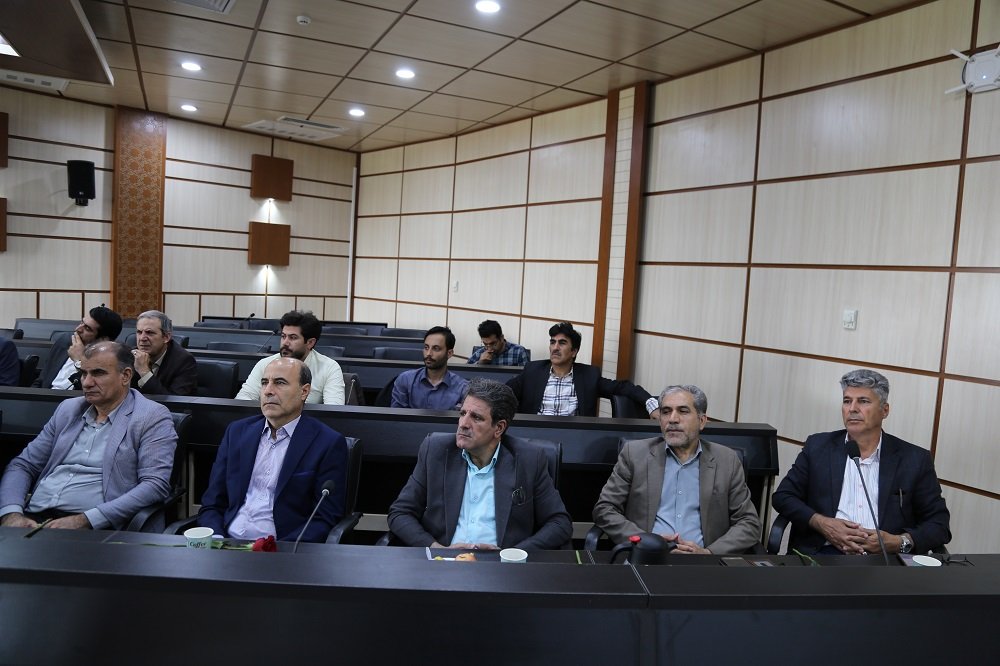
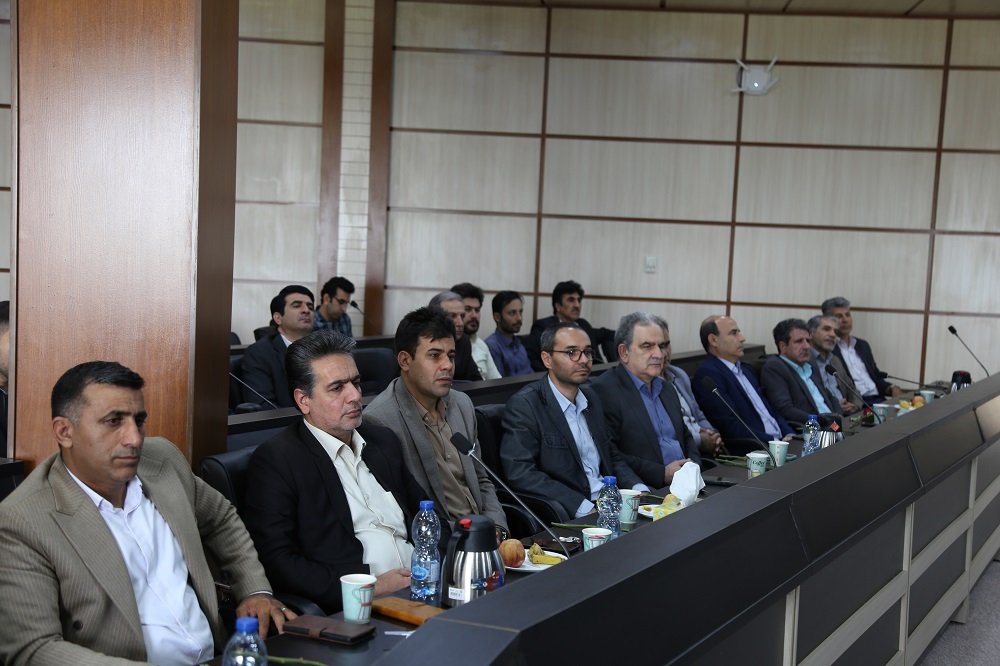
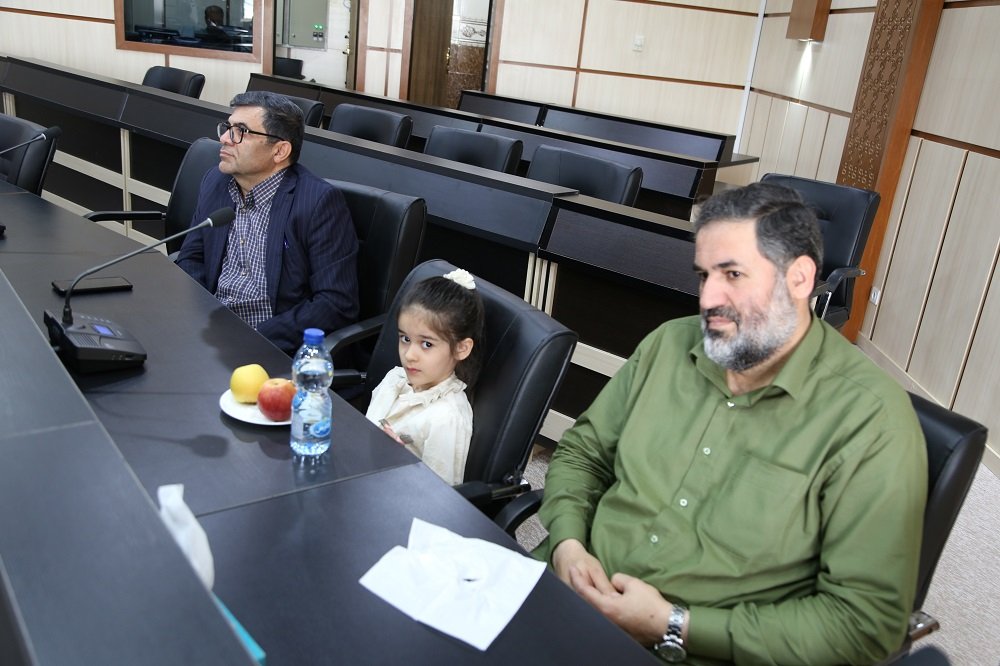
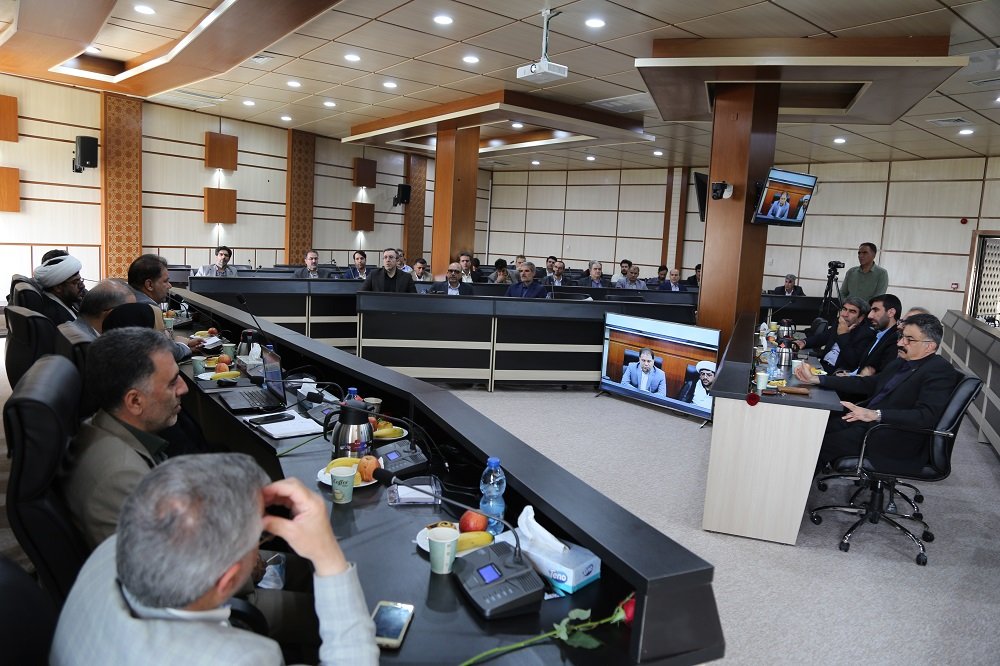
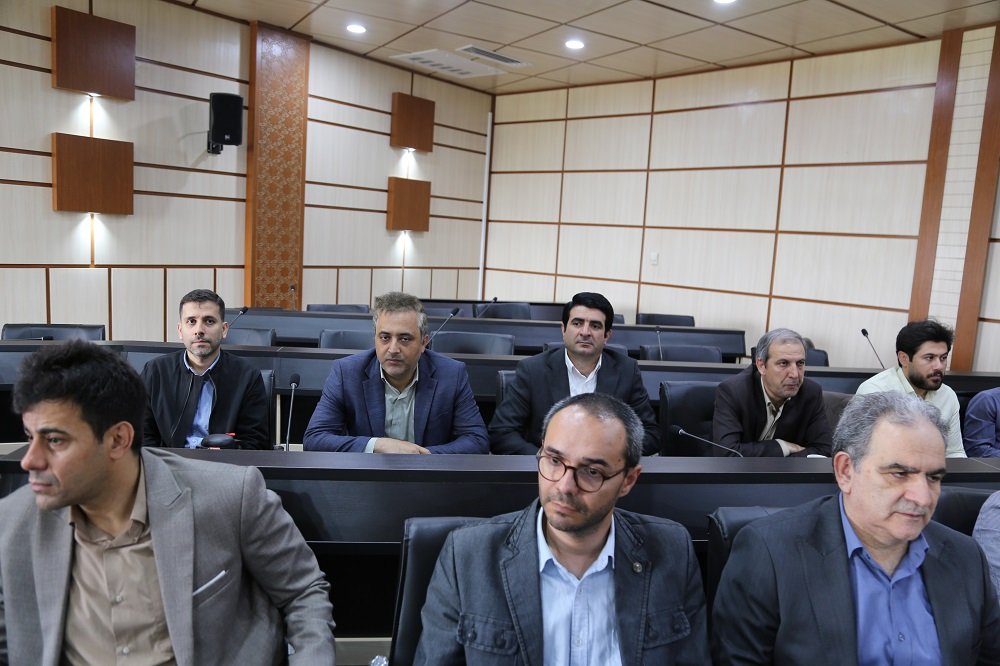
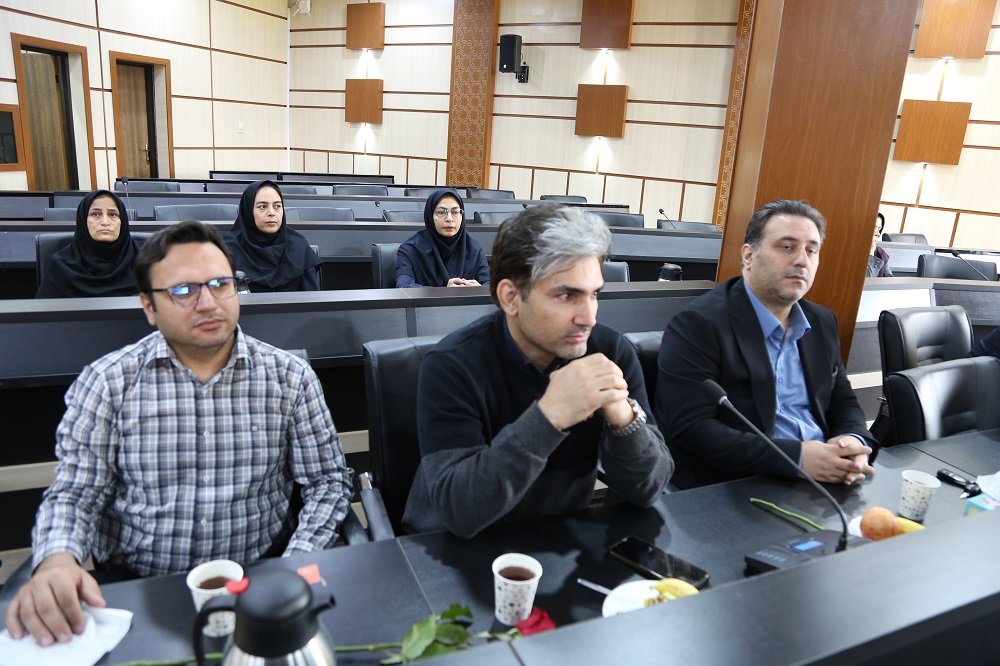
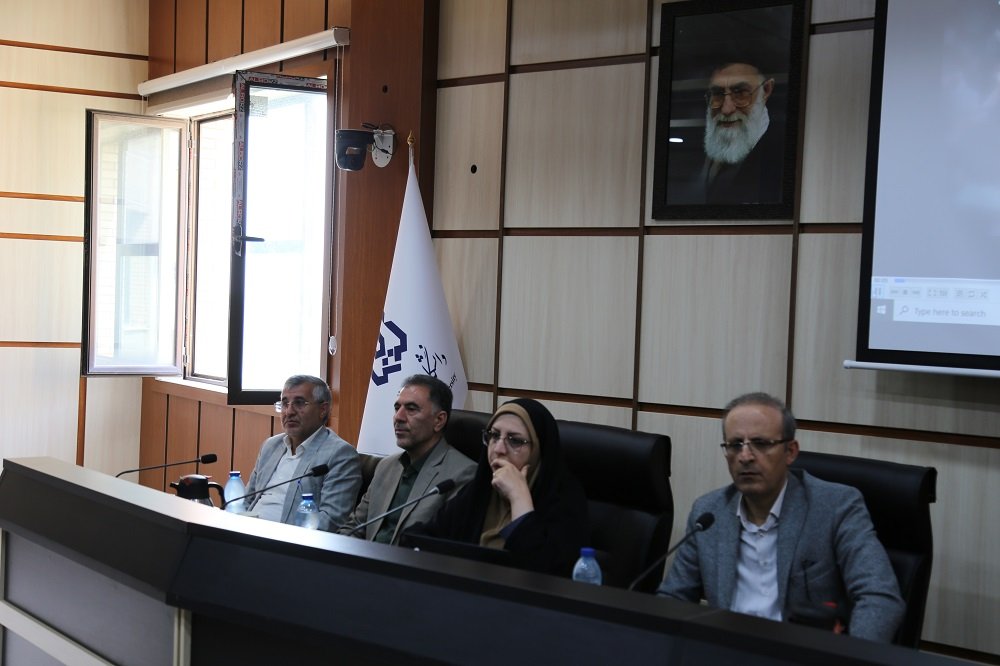
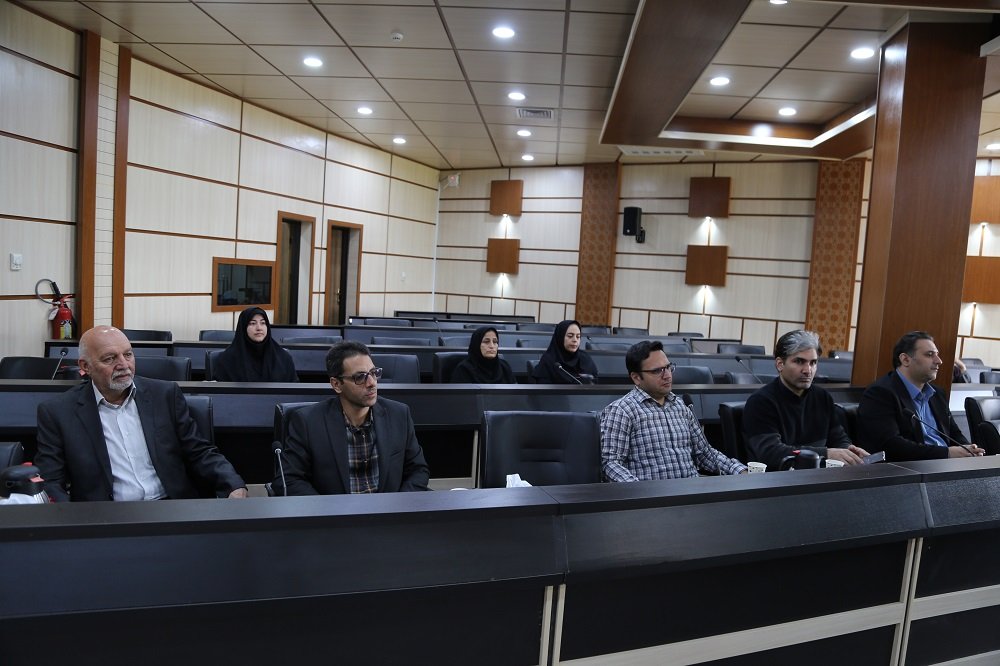
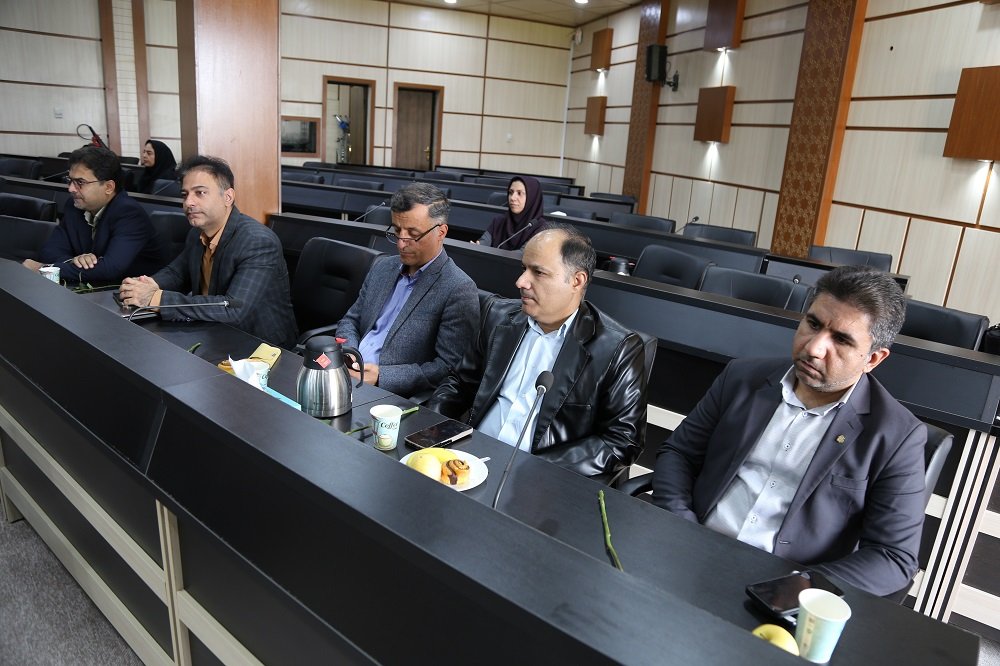
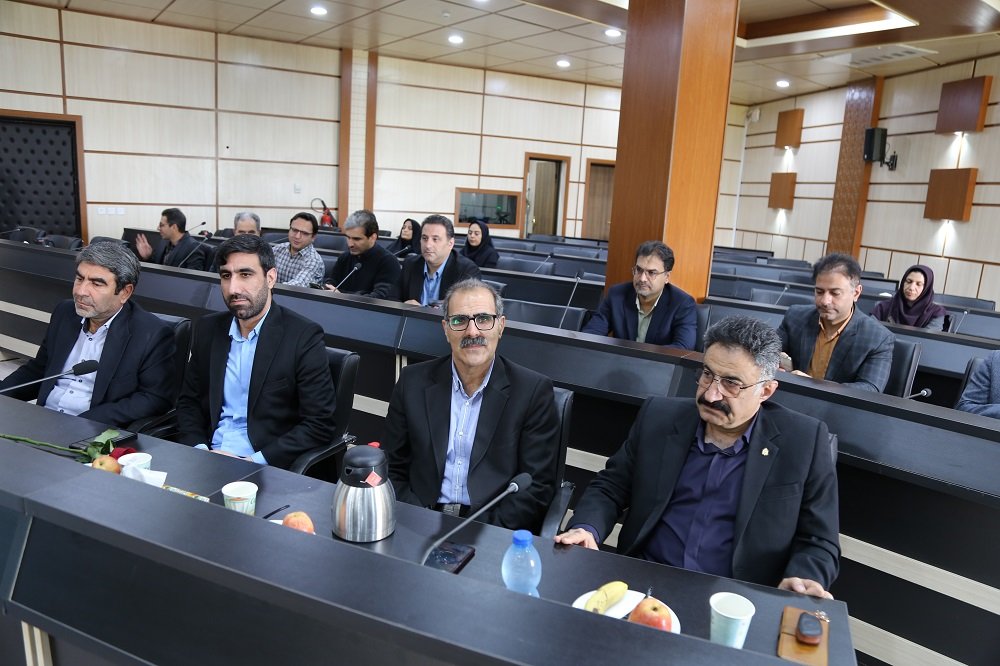
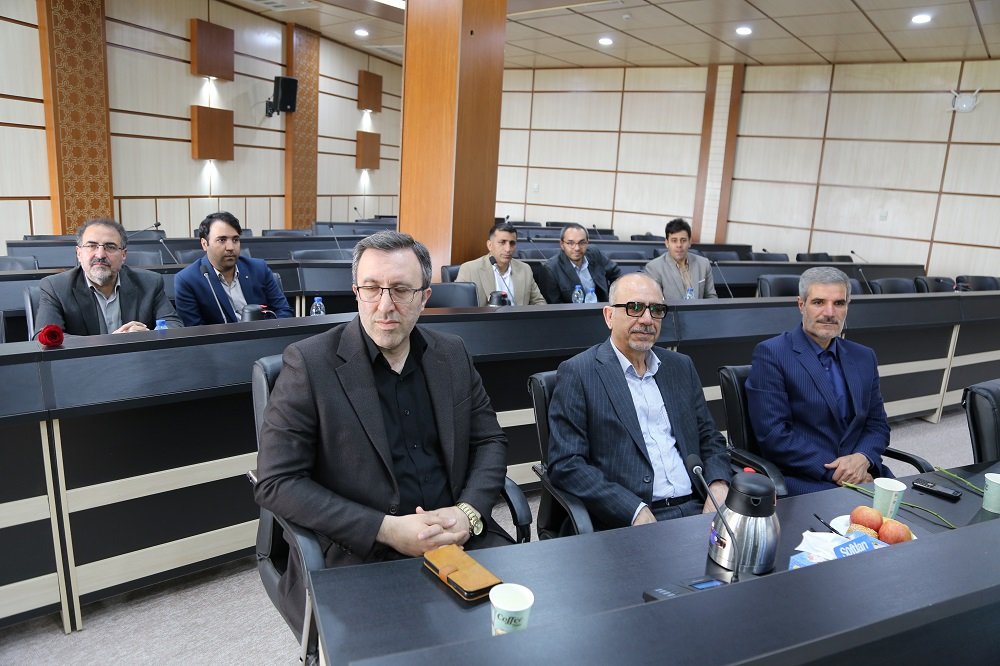
On the occasion of commemorating the decade of educational excellence in the country, coinciding with the days of Teacher and Professor Appreciation Week, with the joint planning of the Vice-Chancellor for Education and Graduate Studies and the Vice-Chancellor for Cultural and Social Affairs of Lorestan University, the ceremony of honoring the educational elites of Lorestan University was held, with the presence of members of the university's board of directors.
According to the Public Relations of Lorestan University, this ceremony was held on Monday morning, May 3, 1405, in the Shahid Ebrahimi Hall, located in the Shahid Soleimani building of Lorestan University.
The Necessity of Transitioning to Smart Education
The President of Lorestan University, in this ceremony, while commemorating Teacher and Professor's Day, said: "The martyr Imam, His Eminence Ayatollah al-Udhma Khamenei (May God have mercy on him), was a teacher who always had his heart set on the scientific, research, and investigative progress of Iran; the revolutionary leader, always paid special attention and consideration to academics and elites and pursued important issues such as the expansion of free thought at the university level."
Dr. Mehrdad Dadestani explained: "If we witness the dynamic and unstoppable activity of universities even in the war conditions of the country, this issue is indebted to the kind of view of the revolutionary leader towards the higher education system; a view that does not believe in stagnation and stoppage, and based on it, the path of the country's university system should always be forward."
Dr. Dadestani elaborated: "In 1404, we witnessed two 12-day and Ramadan imposed wars; in these two wars, universities played their role well, and of course, the country's university system was attacked by enemies; because the enemies know that the university is the support of the forces of the defenders of the homeland; the warriors who are currently engaged in jihad to defend Iran."
He added: "Although the war was imposed on dear Iran by the enemies, but thanks to the efforts of the esteemed academics, the light of science and research was not extinguished at the university level, and education and research continued with greater force even in war conditions; for this reason, I must appreciate the professors, staff, and students."
The President of Lorestan University continued: "Education of the virtual type continued in the war conditions of the country, and this showed that the cycle of education in the country did not stop; although virtual education also has its own specific problems, but the important thing is that universities have continued their activities in war conditions."
Dr. Mehrdad Dadestani stated: "Virtual education is not only for special conditions in the country; rather, we must pay attention to the fact that virtual education is part of smart education; we must take education towards 'smart education' like many advanced countries; we must move from traditional education towards smart education."
Dr. Dadestani said: "At the international level, Iran's position in terms of benefiting from the capable human resources of the graduates of the higher education system is appropriate; this is a strength for the scientific authority of the country; in the field of the university system, we must quickly adapt ourselves to international and global scientific changes; attention to smart education is in this direction; recently, smart education has also received serious attention from the Ministry of Science."
He stated: "If we want to achieve the institutionalization of smart education at the university level, we must first give importance to virtual education and digital education, and then reach the stage of smart education."
The President of Lorestan University stated: "Smart education is data-driven decision-making; also, personalized education, integrated education management, increased transparency and accountability, and similar variables are considered as important pillars of smart education."
Dr. Dadestani emphasized: "To achieve smart education, tools such as upgrading infrastructure, empowering professors and students must be provided; this is a global necessity and we must move towards this."
He noted: "On the other hand, we must also pay attention to changes in the labor market; today, these types of changes have caused the output of smart education to be more compatible and in greater proportion to the new needs of the labor market; if the mission of the university is to serve the needs of society, the type of education should be in accordance with the conditions and changes of today's world, of the smart education type."
He said: "Even if the country's conditions are not of the war type, considering the importance of creating a platform for the higher education system to move towards smart education, 25 percent of the education should be of the virtual type; after that, digital education should be institutionalized, and finally, we reach smart education; in smart education, teaching is not only professor-centered; rather, teaching feedback from students is considered in the education process, and other topics such as virtual reality or augmented reality, etc., will be used."
Honoring the Teacher and Professor; the Legacy of the Revolutionary Leader
In this ceremony, the head of the offices of the Representation of the Supreme Leader in the universities of Lorestan province, while commemorating Teacher and Professor's Day and commemorating the memory of the revolutionary leader and the esteemed martyrs of the Ramadan war, said: "Honoring the position of the teacher and professor is the valuable legacy of the revolutionary leader; the martyr Imam of the revolution always had a special view and attention to the position and status of the teacher and professor."
Hojjatoleslam and Al-Moslemin Dr. Majid Moayedi, stated: "The teacher and professor community is an influential community in all the developments of society; therefore, the position of the teacher and professor is a very valuable divine position."
Dr. Moayedi elaborated: "Imam Khomeini (RA) said that the university is the origin of all developments; this statement is a testament to the importance of the position of the teacher and professor in the discourse of the Islamic Revolution; the professor, with his behavior, is the model for the student; the identity of a student is formed based on modeling from the professor; this identity should contain the content of the country's movement towards progress, authority, and the conquest of various peaks of science and knowledge in the world."
He continued: "The role of the teacher and professor is to strengthen national and Islamic identity and sovereignty in society; the classroom is not only a place for transferring educational topics; rather, in addition to teaching educational topics, it is a place for educating students in the path of ethics and purification; therefore, the teacher and professor, in addition to the mission of education, also has a divine educational mission."
Hybrid Education; the Future Path of Teaching and Education
The Vice-Chancellor for Education and Graduate Studies of Lorestan University, in his speech, explained the stages and indicators for selecting educational elites.
Dr. Kianoush Barani-Beiranvand explained: "In selecting educational elites, the criteria are not only of the educational type, but also other issues such as social responsibility and the impact of the professor's science on society, etc., are also considered."
In another part of his statements, he explained some of the most important points of the perspective drawn by the Vice-Chancellor for Education and Graduate Studies of Lorestan University.
Dr. Barani emphasized that we must move towards creating interdisciplinary fields; especially in the graduate studies level, the creation of fields that have an interdisciplinary nature should be considered.
He defended hybrid education and stated that the policy of the Ministry of Science is also the implementation of this type of education; education should change from the traditional state towards hybrid education (in-person and virtual). Currently, based on the policies of the Ministry of Science, 25 percent of the education should be of the virtual type; of course, we must create and strengthen the necessary infrastructure for virtual education as much as possible in the university.
He stated: "In virtual education, we should not use traditional teaching methods, but rather, we should use new methods appropriate to the virtual education environment. In this regard, empowerment in the field of content production is important, for the implementation of which we have planned."
The Vice-Chancellor for Education and Graduate Studies of Lorestan University also explained the measures taken to upgrade the infrastructure of virtual education by the Free and Virtual Education Group of the university.
Names of the Educational Elites of Lorestan University (May 3, 1405)
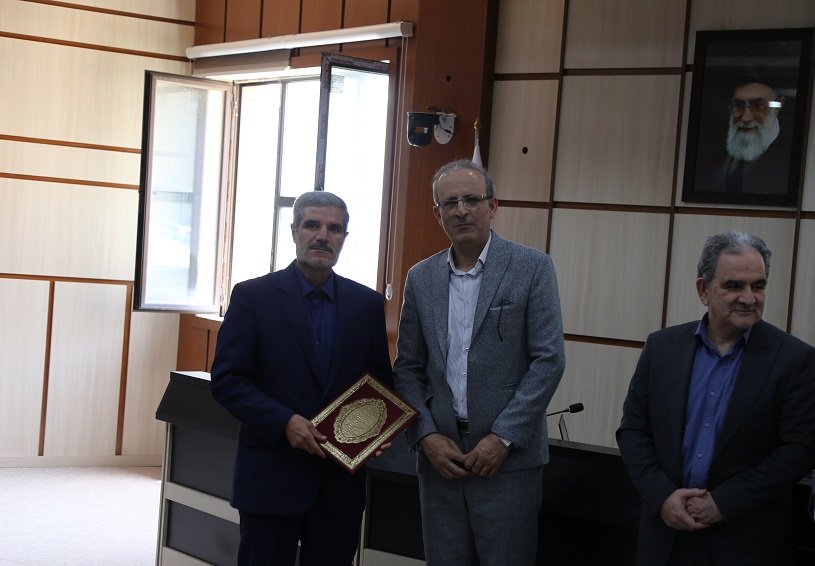
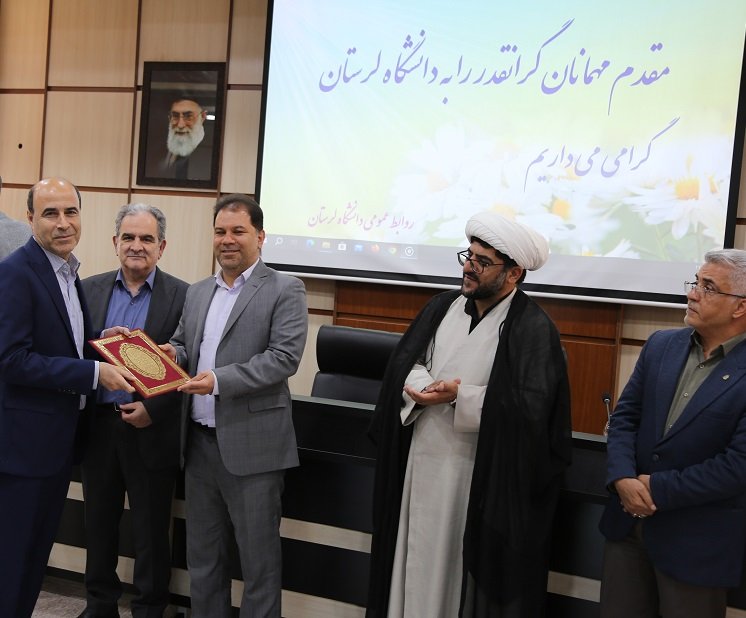
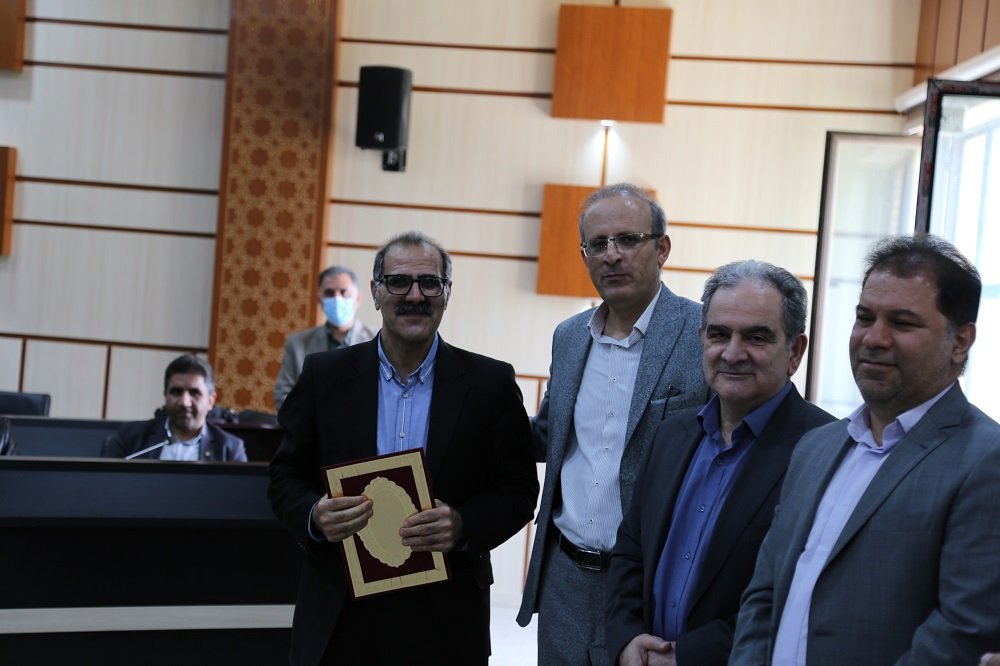
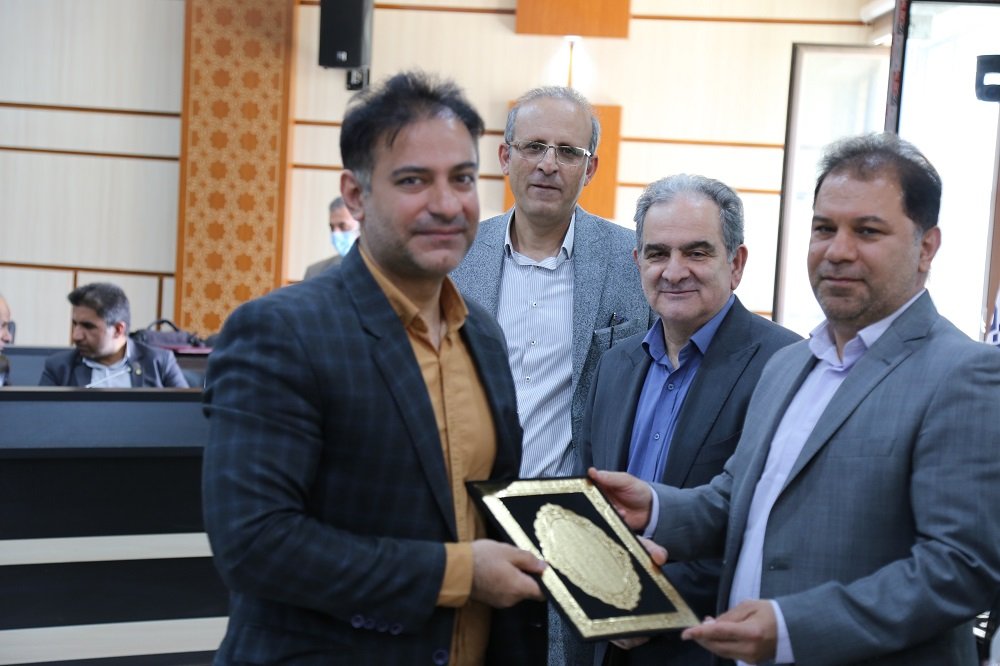
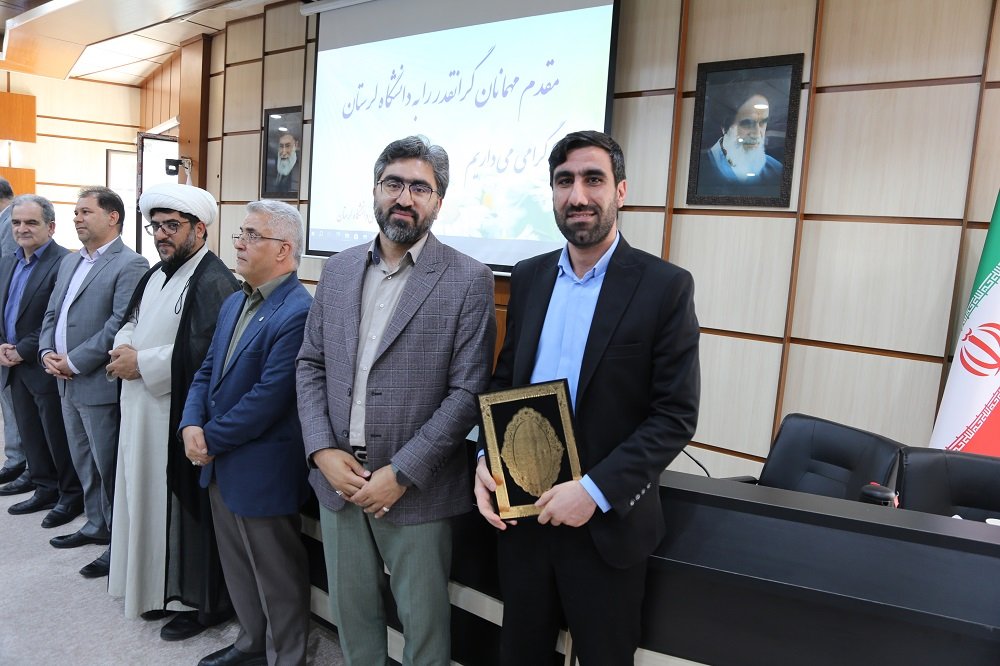
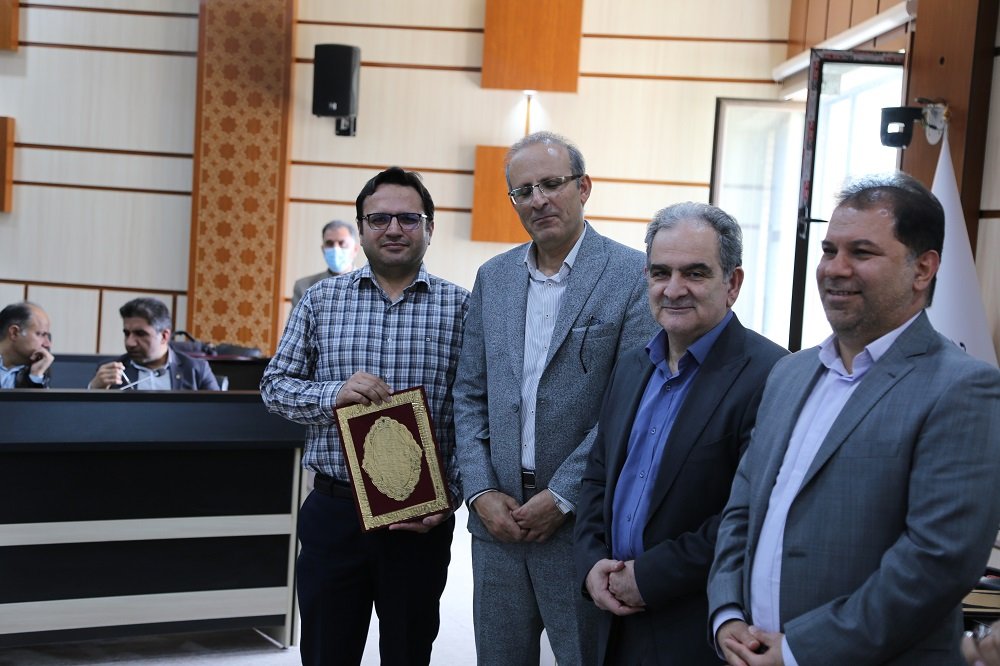
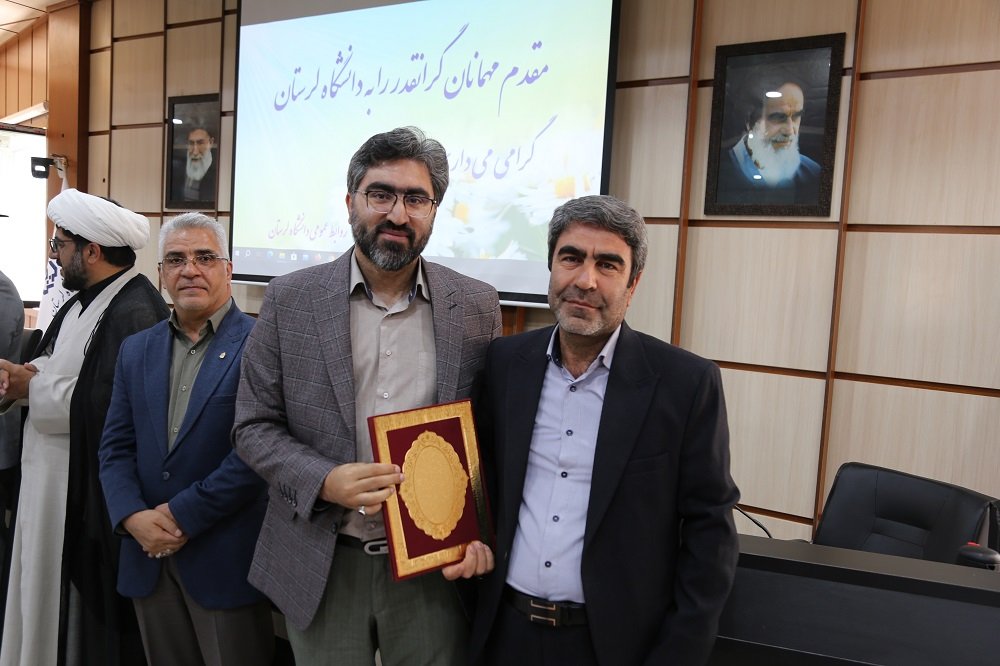
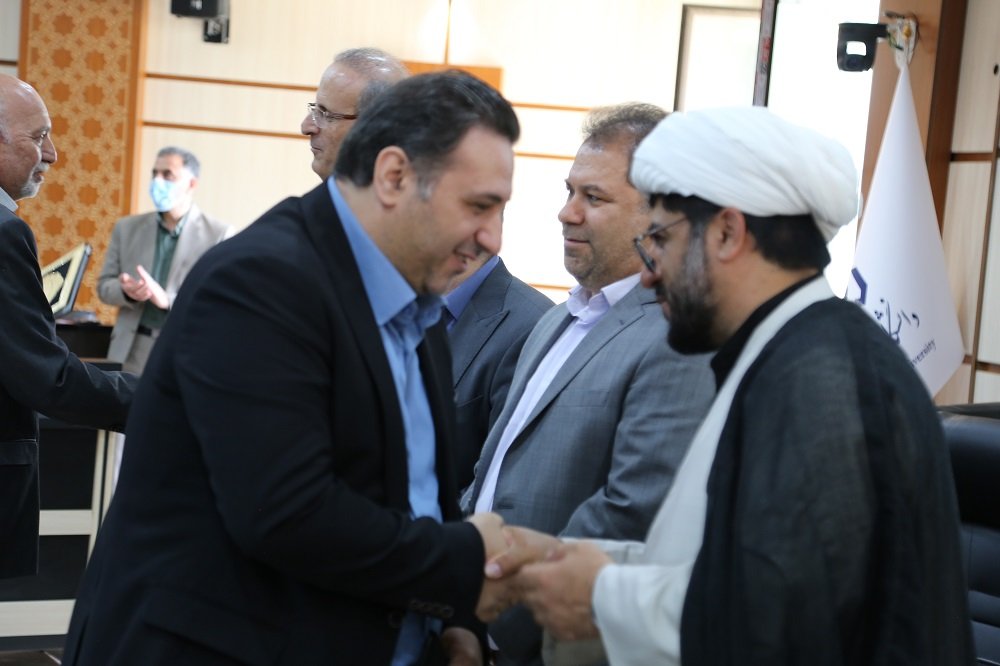
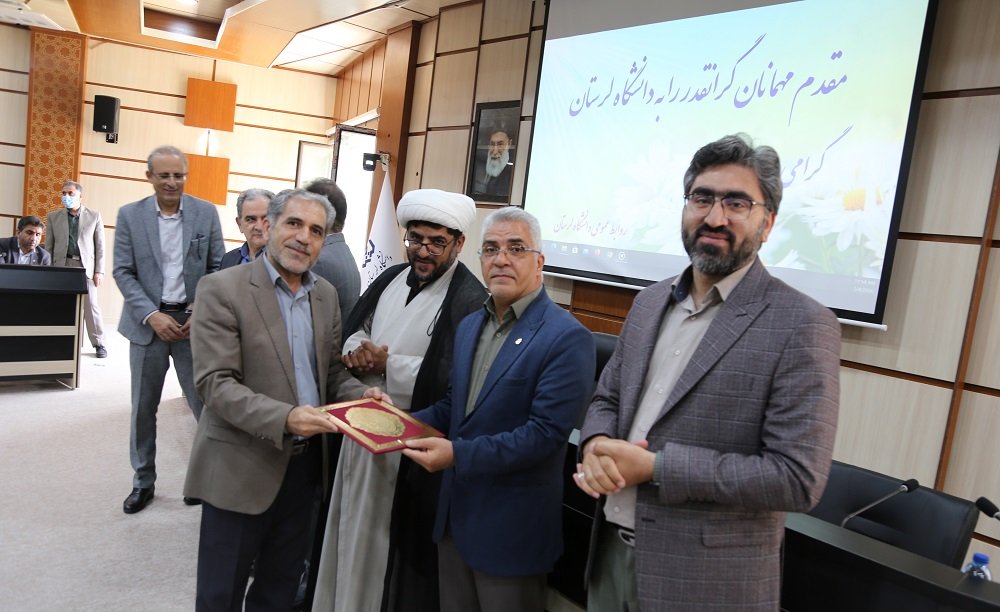
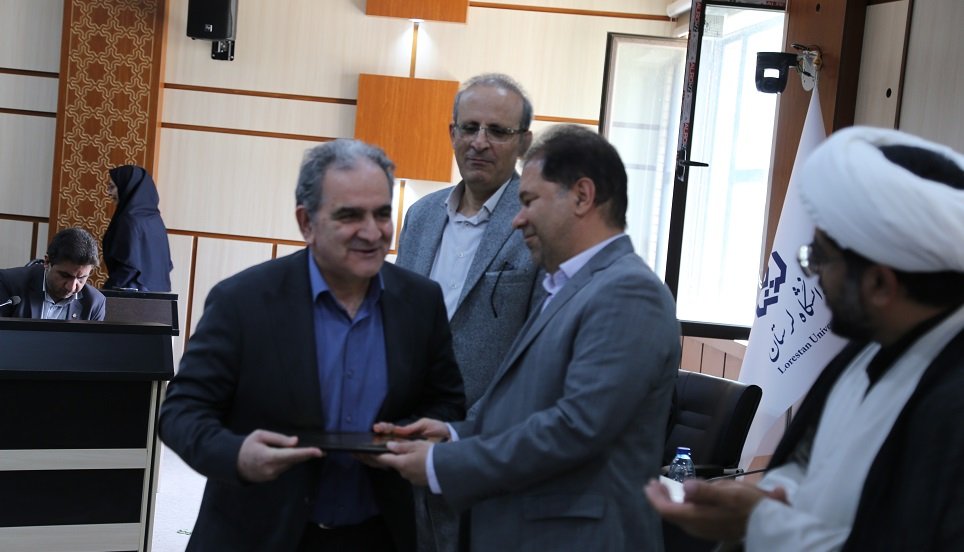
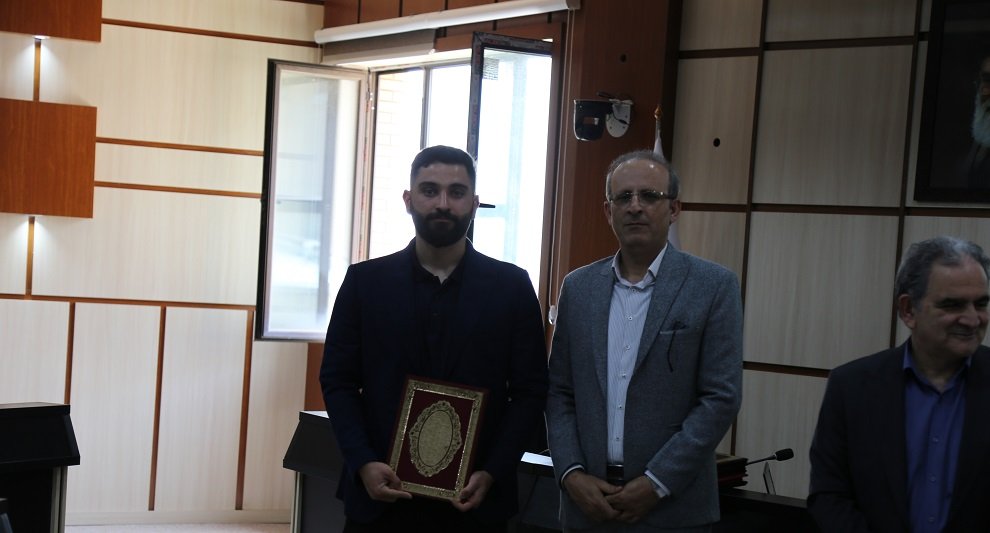
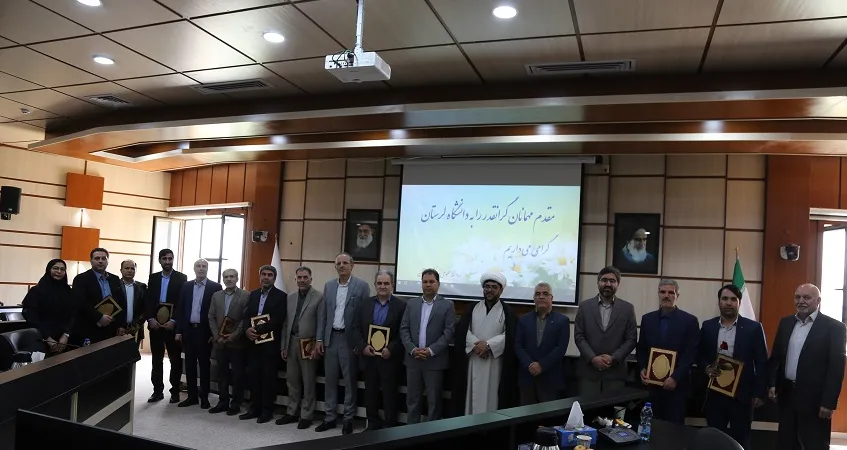
At the end of this ceremony, the educational elites of Lorestan University were honored:
_ Dr. Ezzatollah Ghadampour; Faculty of Literature and Humanities.
_ Dr. Fatemeh Rezaei; Faculty of Literature and Humanities.
_ Dr. Mohsen Rahtami; Faculty of Literature and Humanities.
_ Dr. Tahereh Sadeghi-Tahsili; Faculty of Literature and Humanities.
_ Dr. Mohsen Rashidi; Faculty of Management and Economics.
_ Dr. Peyman Khademi; Faculty of Veterinary Medicine.
_ Dr. Niloofar Dorosti; Faculty of Chemistry.
_ Dr. Amirghasem Ghazanfari-Motlagh; Faculty of Basic Sciences.
_ Dr. Ahmad Ahmadi-Khalaj; Faculty of Basic Sciences.
_ Engineer Nader Shojaei; Faculty of Engineering.
_ Dr. Ehsan Moemeni; Faculty of Engineering.
_ Dr. Amirhamzeh Haghiabi; Faculty of Agriculture.
_ Dr. Feyzollah Shahbazi; Faculty of Agriculture.
_ Dr. Jahanshir Shakerami; Faculty of Agriculture.
_ Dr. Javad Sousani; Faculty of Natural Resources.
_ Dr. Peyman Hatami; Noorabad Higher Education Center, representing the affiliated centers of Lorestan University.
_ Dr. Homan Bastami; Director of the Free and Virtual Education Group of Lorestan University (honored for the measures taken to hold virtual classes and upgrade the infrastructure of virtual education).
It is worth mentioning that in this ceremony, the faculty members also raised their views and questions, and Dr. Dadestani, the president of the university, and the vice-chancellors for education and research (Dr. Barani-Beiranvand and Dr. Hatami) answered the questions.