
Development of a Practical Technological Method by a Lorestan University Faculty Member for Water Pollutant Removal
 Jun 28, 2026
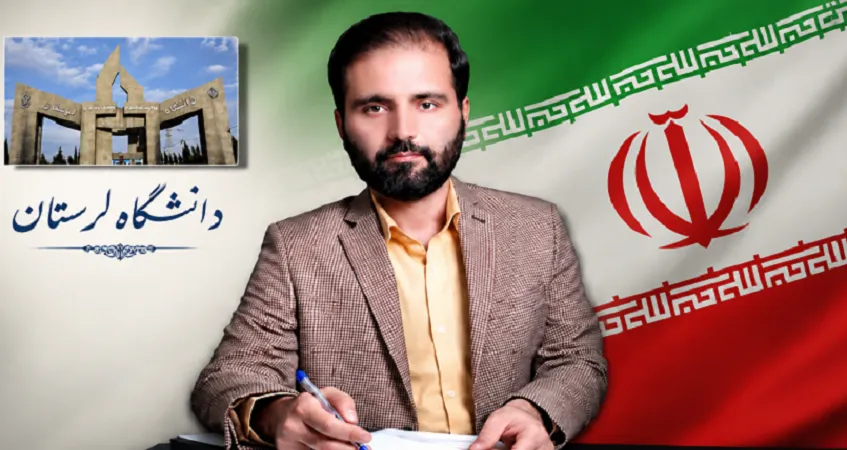
Dr. Seyed Yaghoub Karimi, a faculty member of the Water Sciences Department at the Faculty of Agriculture, Lorestan University, has invented a new method for removing a portion of water pollutants. According to Dr. Karimi, this method, with significantly higher efficiency than conventional membrane-based technologies, is capable of removing various types of pollutants present in water and is a practical, economical method with industrial potential.
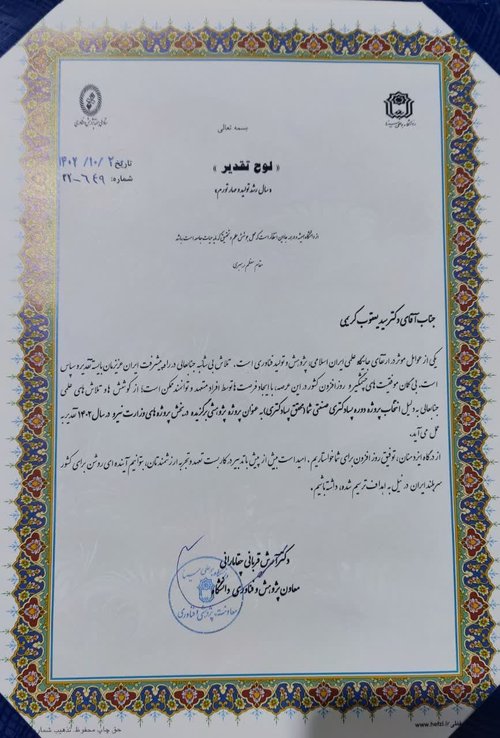
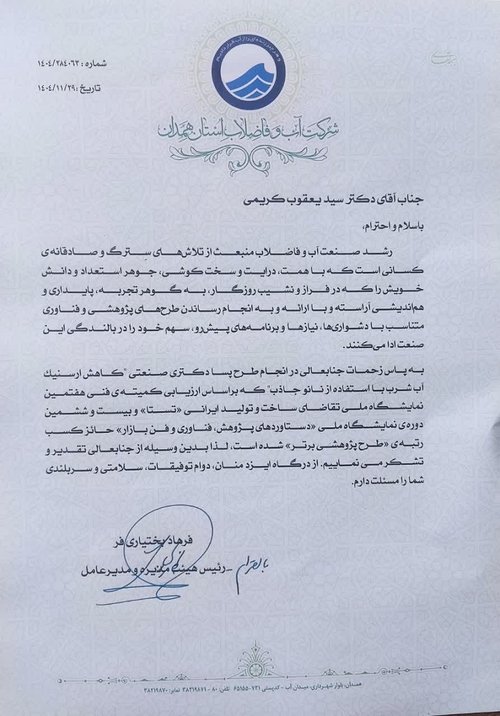
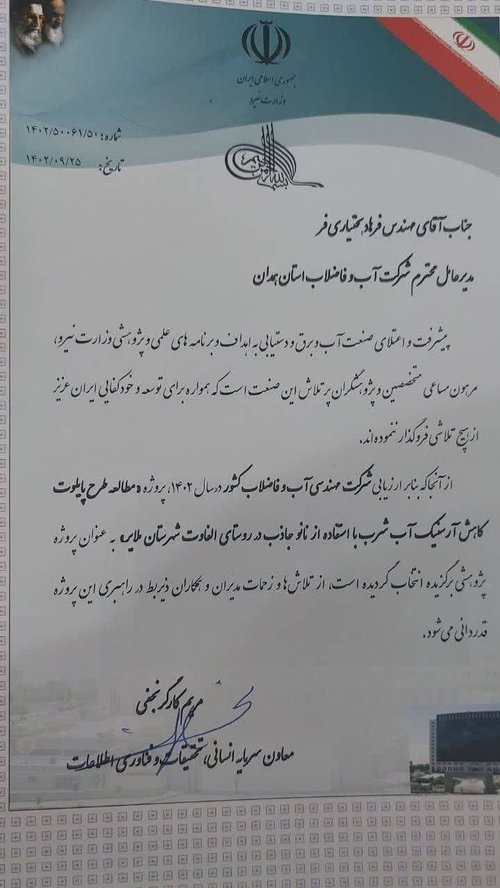
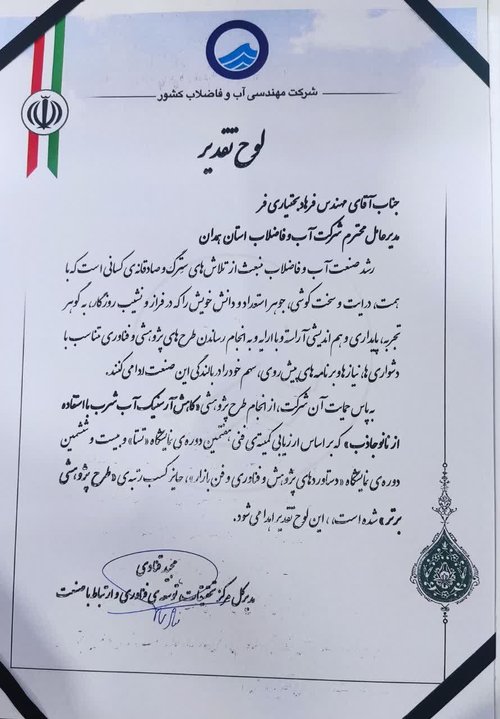
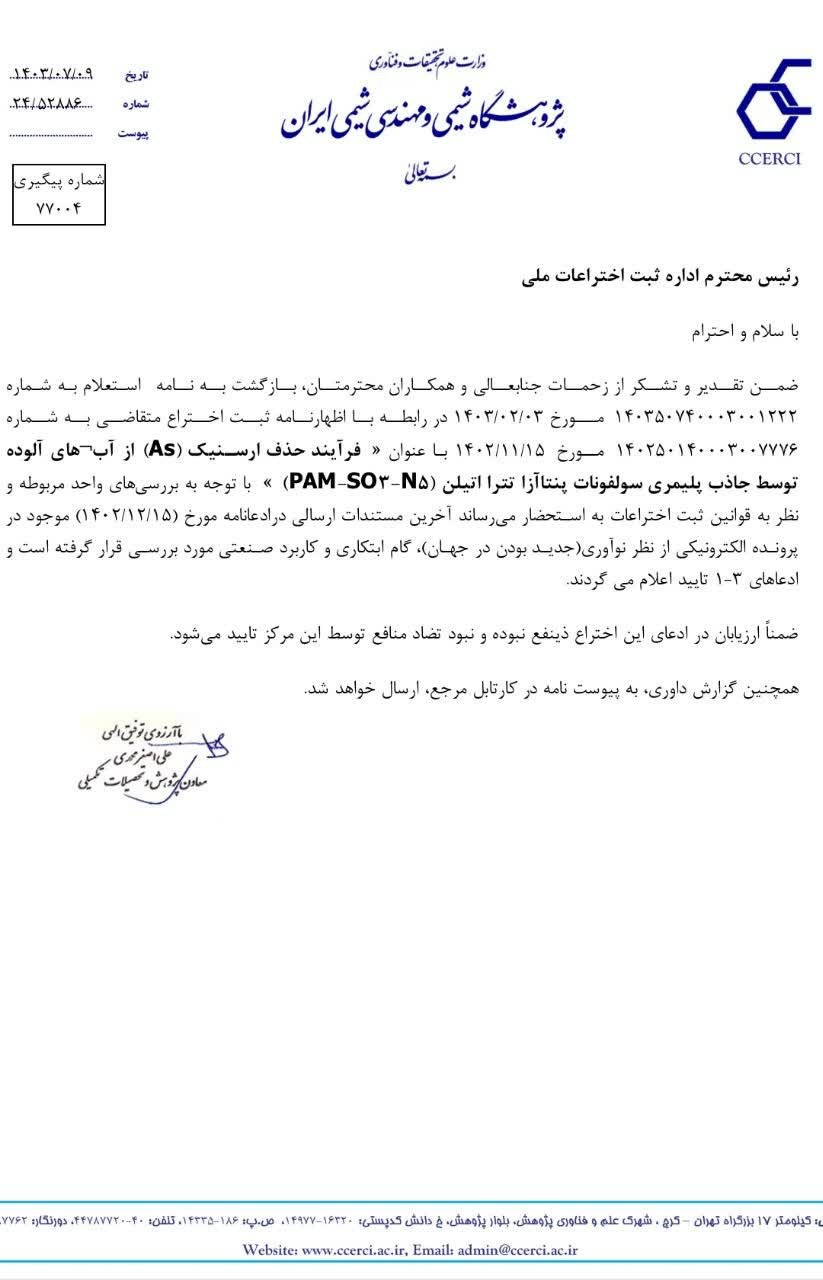
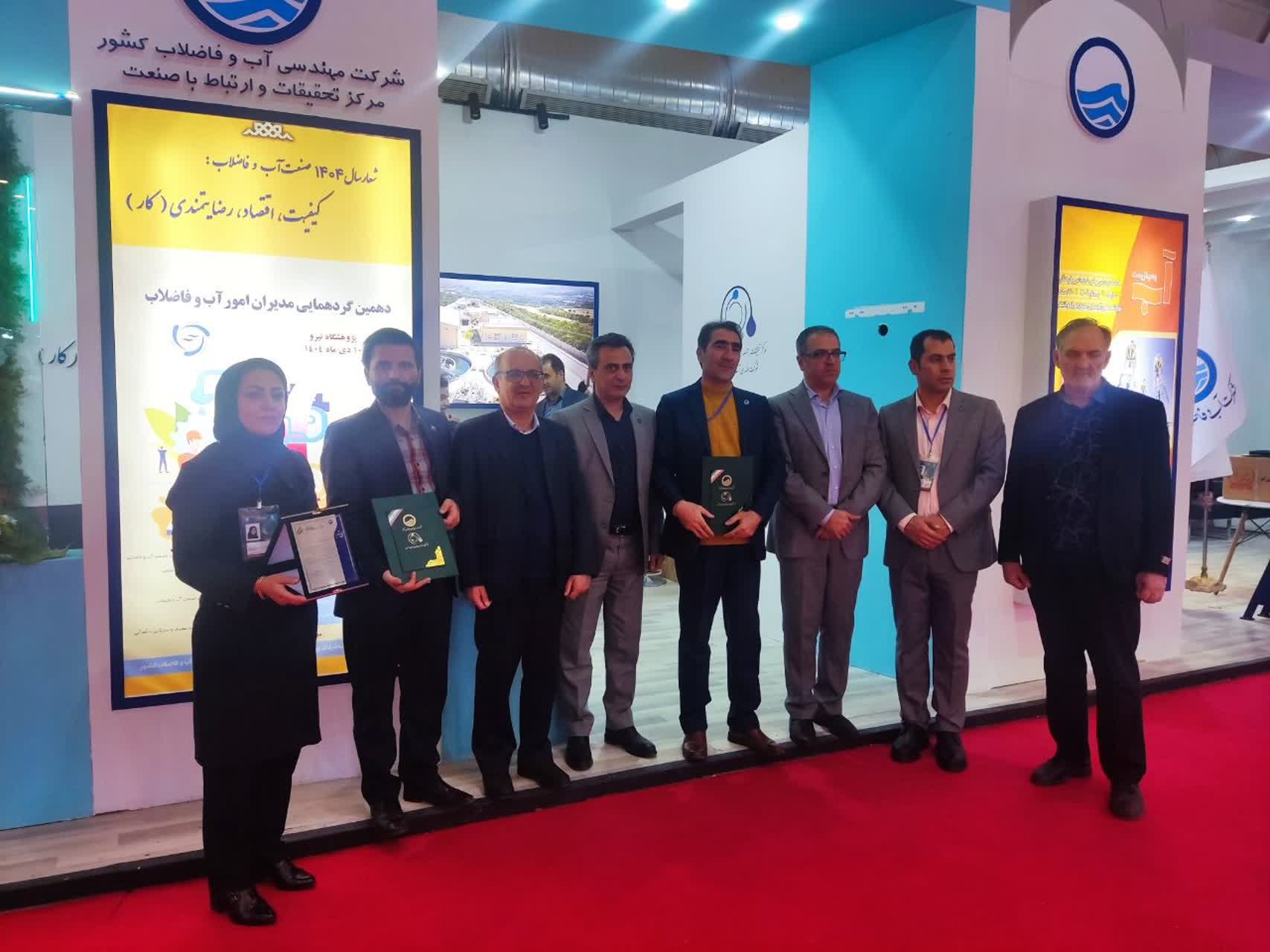
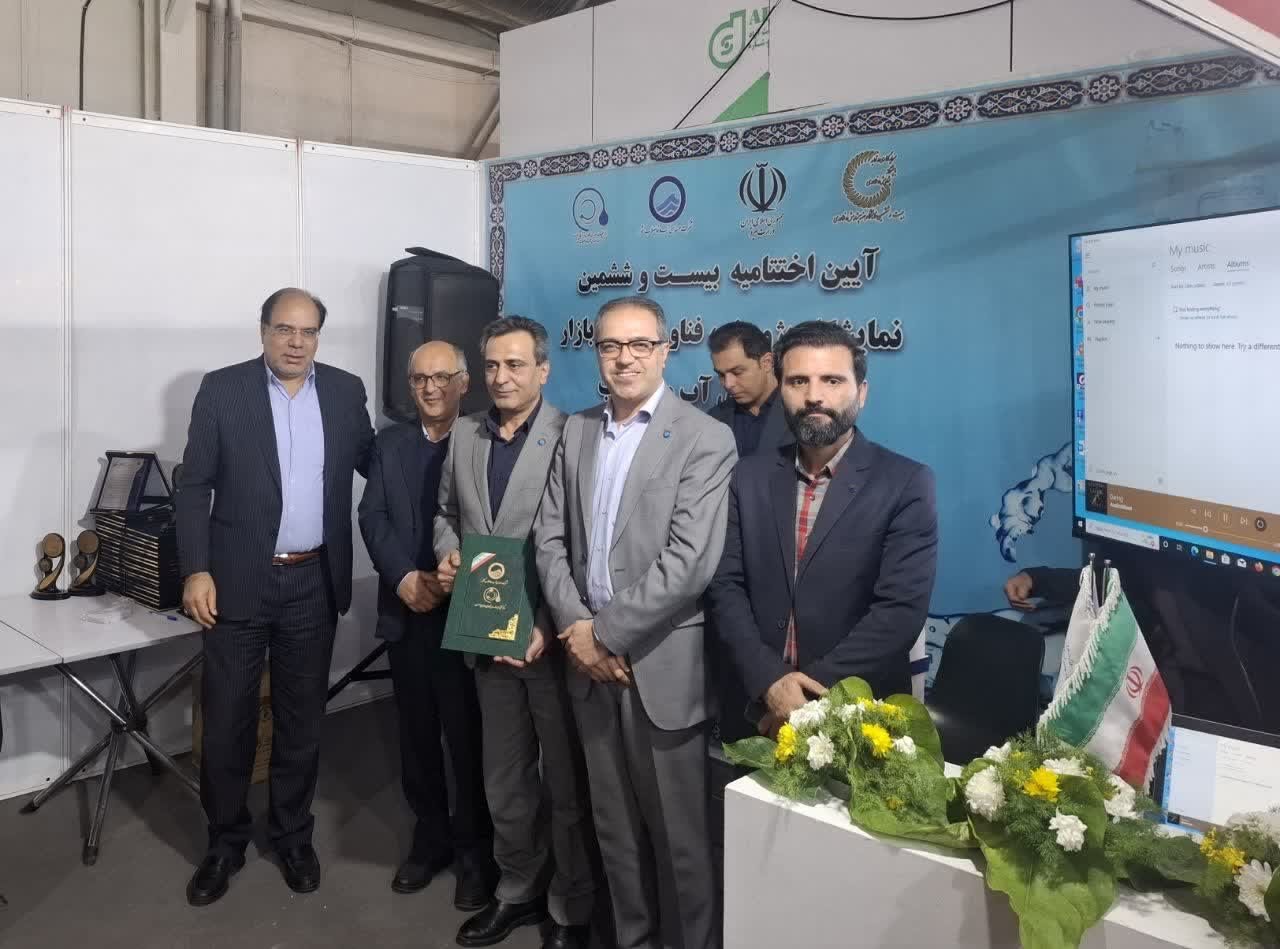
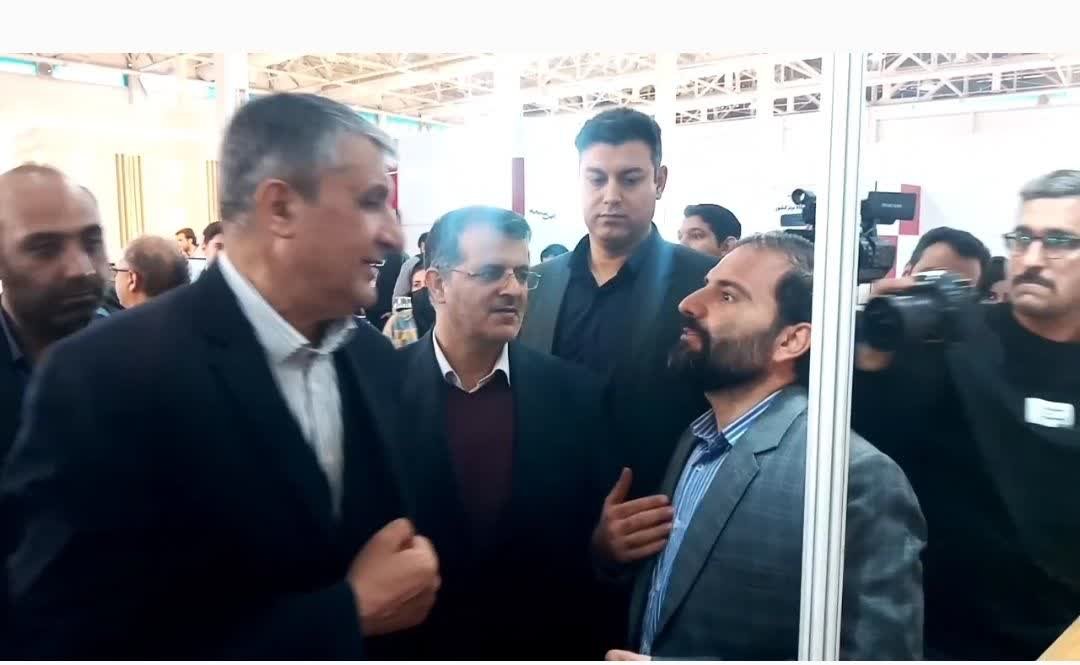
According to the Public Relations of Lorestan University, Dr. Karimi's project, which falls under the country's water and wastewater industry, was awarded the "Top Research Project" at the 7th National Exhibition of Demand for Iranian Manufacturing and Production (TESTA) and the 26th National Exhibition of "Research, Technology, and Innovation Achievements" in 1404 (Persian calendar), based on the evaluation of the technical committee. Furthermore, the aforementioned project was selected as the "Selected Project of the Ministry of Energy" in 1402 (Persian calendar).
In this regard, Dr. Seyed Yaghoub Karimi told our correspondent: "Water is the source of life, and access to quality water has always been a concern that various societies have grappled with. Great civilizations are formed in the presence of water, and whenever water loses its quality, great civilizations also perish."
The faculty member of the Faculty of Agriculture at Lorestan University explained: "With the advancements made today in various fields, producing water of suitable quality is largely possible; however, there are certain pollutants that have consistently challenged science and knowledge, resisting the frontiers of knowledge even with new tools. These types of pollutants are the main challenge in the area of drinking water quality."
He stated: "Through extensive efforts, we have succeeded in inventing a new method for removing a series of pollutants, which, with significantly higher efficiency than conventional membrane-based technologies, is capable of removing various types of pollutants present in water."
Dr. Karimi noted: "This method is a practical, economical method with industrial potential. Similar foreign samples are more expensive, have lower absorption power, and are non-regenerable. By producing this new material, these weaknesses have been overcome. Due to indigenous knowledge, access to this material is easier compared to foreign samples, and its technical and industrial development is more feasible."
He continued: "Another advantage of developing this technology is the purification of some pollutants after the regeneration process of the adsorbent. These types of pollutants have widespread applications in advanced industries worldwide, especially in the electronics sector. With the development of this technology, it is possible to convert strategic pollutants into a strategic industrial raw material for the industrial development of other sectors, which also yields significant economic profit."
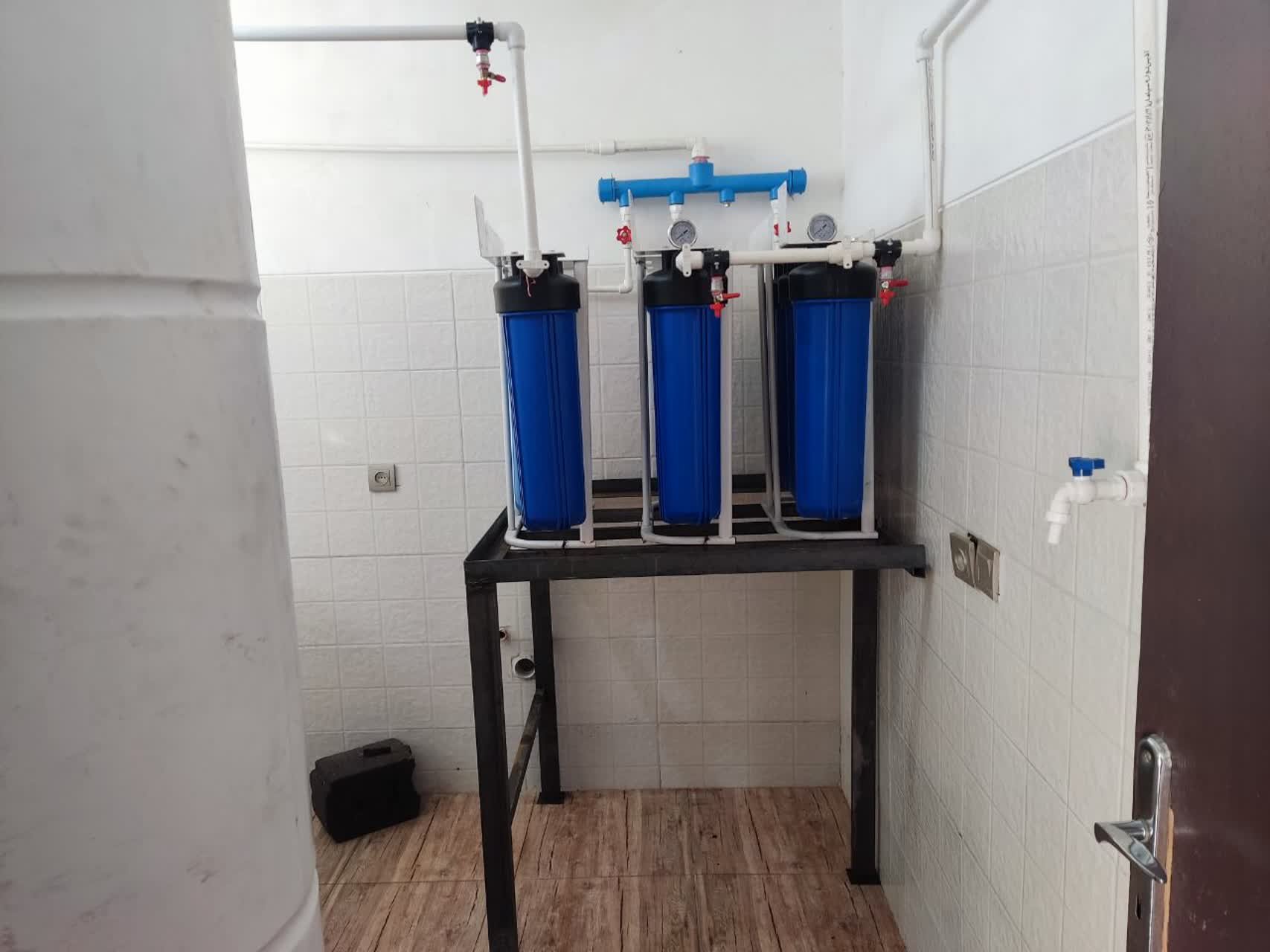
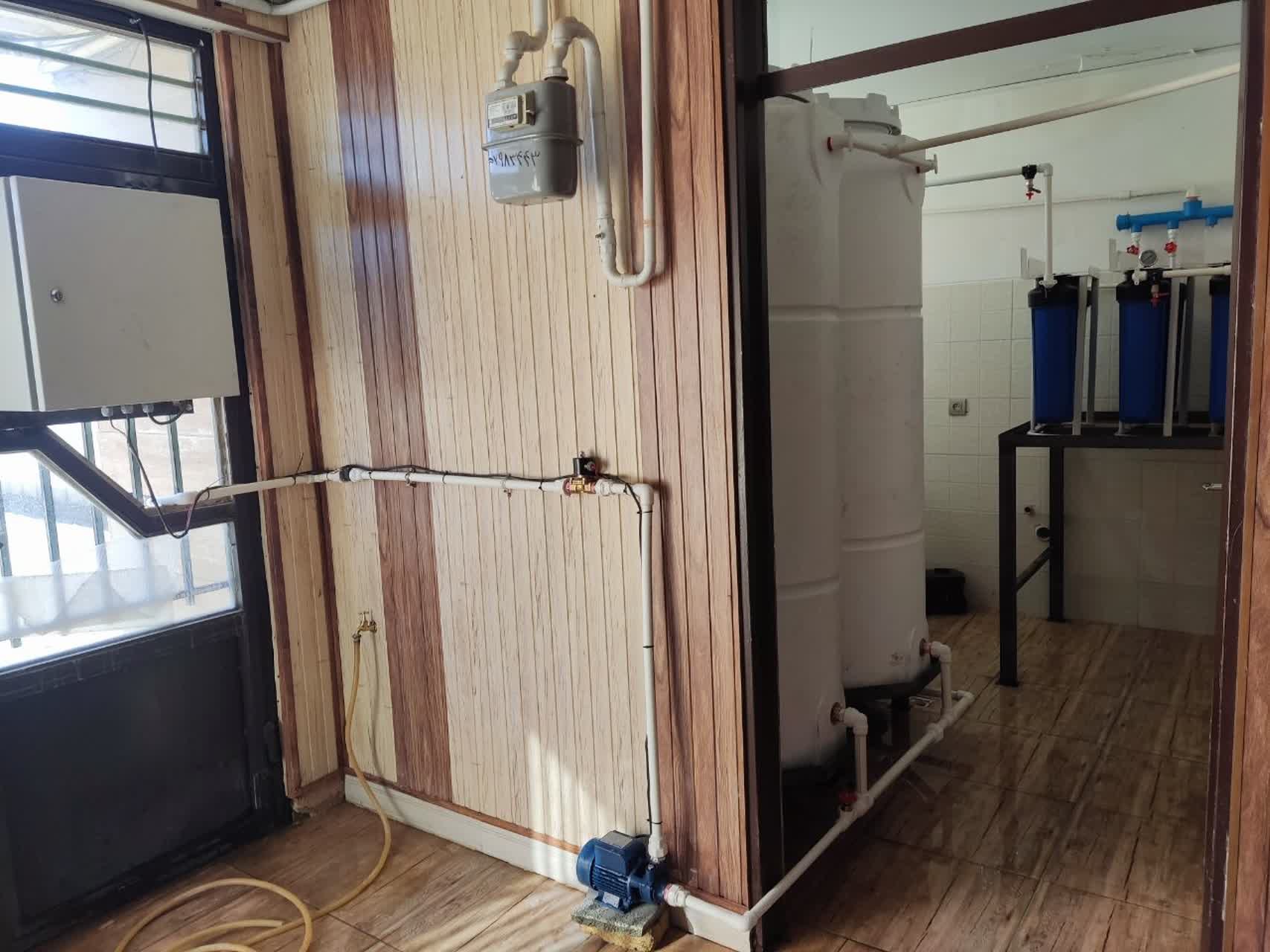
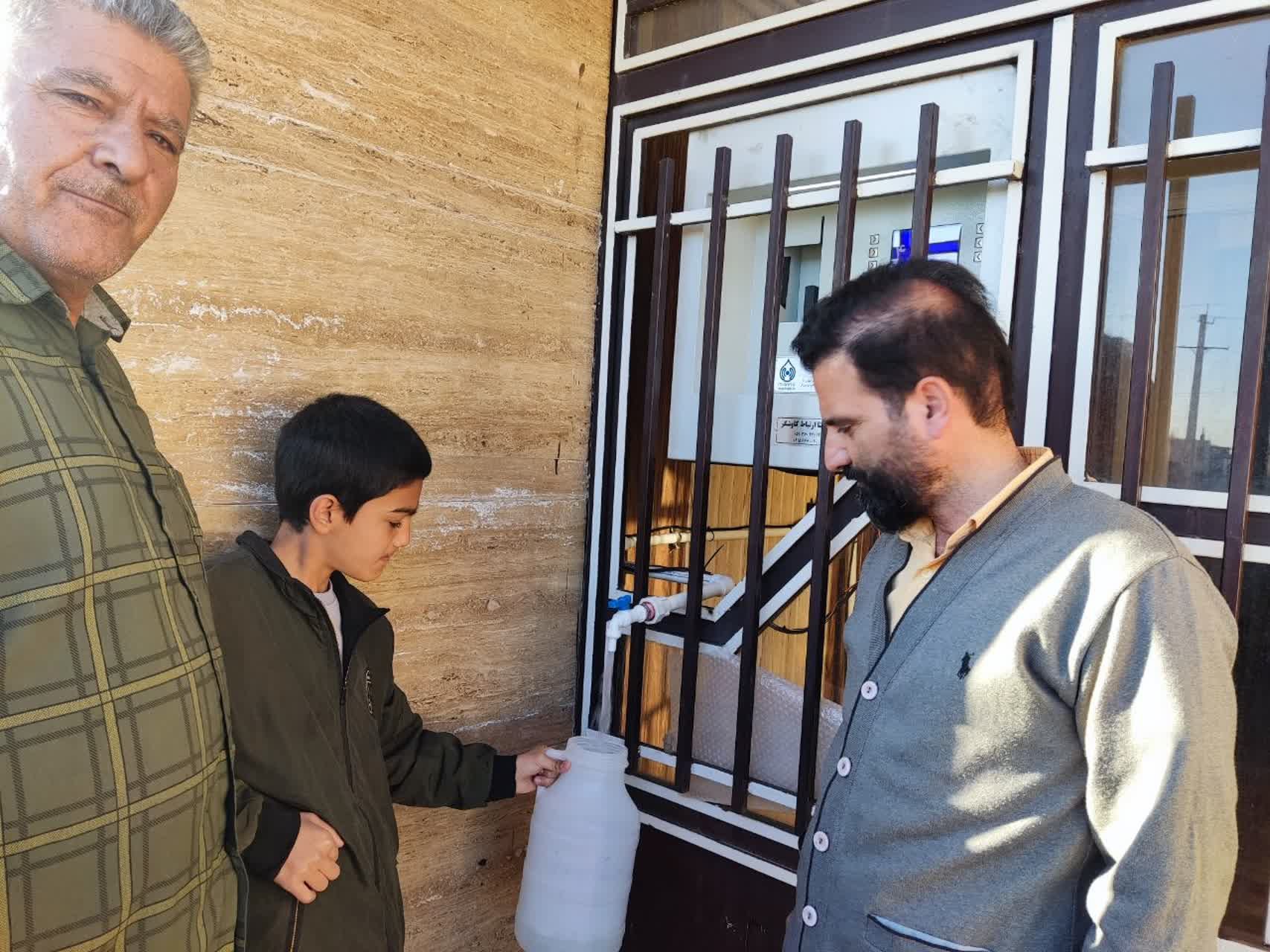
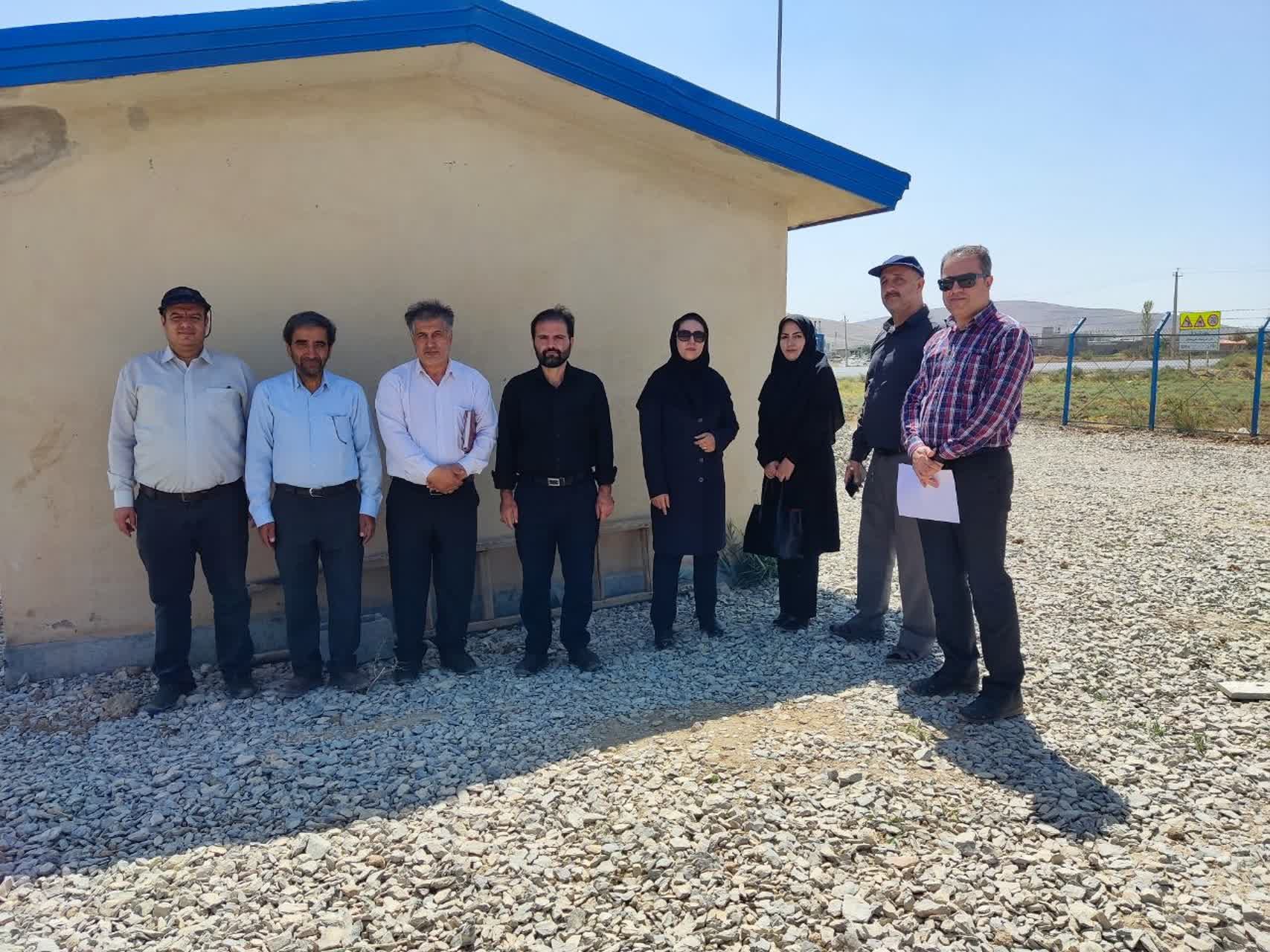
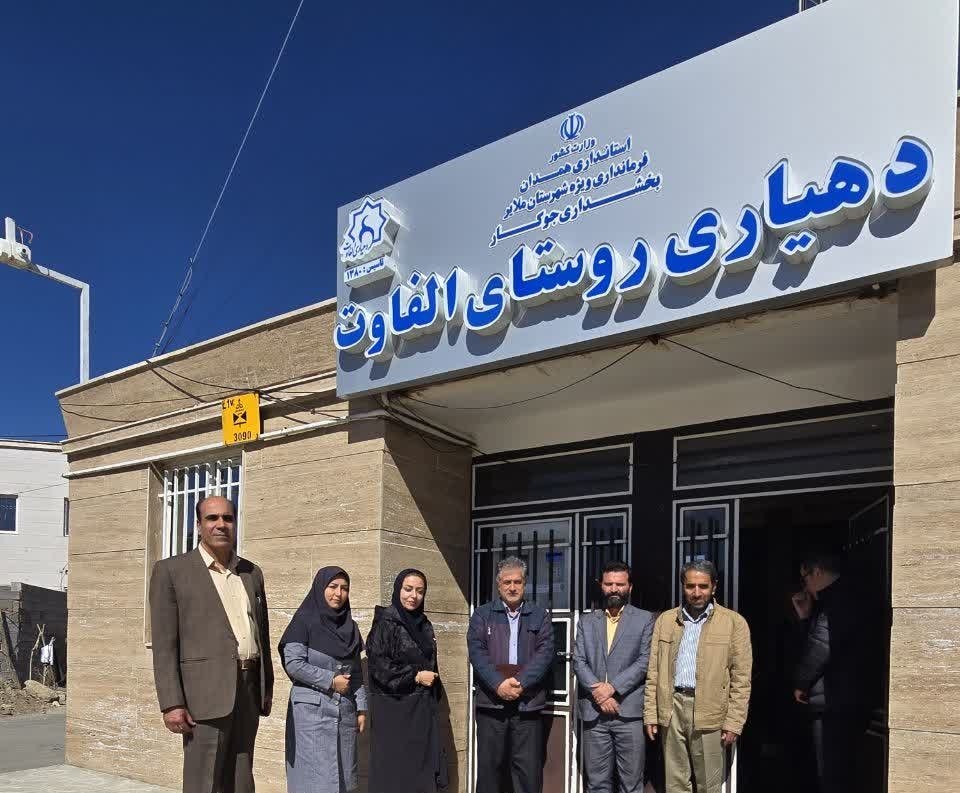
The faculty member of the Faculty of Agriculture at Lorestan University added: "The first step in producing this adsorbent, in the form of an 'Industrial Postdoctoral Project,' was undertaken by me, under the guidance of 'Dr. Safar Maroufi, a faculty member at Bu-Ali Sina University of Hamedan.' Subsequent steps towards industrialization have been carried out in the 'Water Treatment Technologies Workshop of Lorestan University,' and the semi-industrial phase of implementing this project has been executed in 'Alfavat village, Hamedan Province,' to supply drinking water for 600 households with a capacity of 50 cubic meters per day."
Dr. Seyed Yaghoub Karimi elaborated: "With the successful implementation of this project, which has been in initial operation for about a year, Iran is the first country to offer this adsorbent with unique technical and economic capabilities on an operational and industrial scale, and Lorestan University will be recognized as an 'industrial hub' for the production of this adsorbent. The future outlook predicts the industrial development of the project on national, regional, and international scales, with national consultations underway and initial agreements reached."
He explained: "The evaluation by industrial experts in the water sector indicates the competitiveness of this technology compared to foreign counterparts. With the development of this technology, in addition to supplying safe urban drinking water, it will be possible to provide safe water in many rural and remote areas, bringing various benefits to related domestic companies."
It is worth noting that some time ago, through the efforts of Dr. Karimi and the Yaarane Mahdi (AJ) Jihadist group, the drinking water treatment plant of one of the villages in Khuzestan province, located in Shadegan county, named Dimeh Yaghoub, was launched, which was met with public satisfaction. This satisfaction is a testament to the greater efforts of the higher education system to establish broader connections with society and to prepare and implement applied, problem-oriented research, based on the social responsibility of universities.