
The Necessity of Water Governance Reform, Strengthening Institutional Coordination, and Prioritizing Key Projects
 Oct 14, 2026
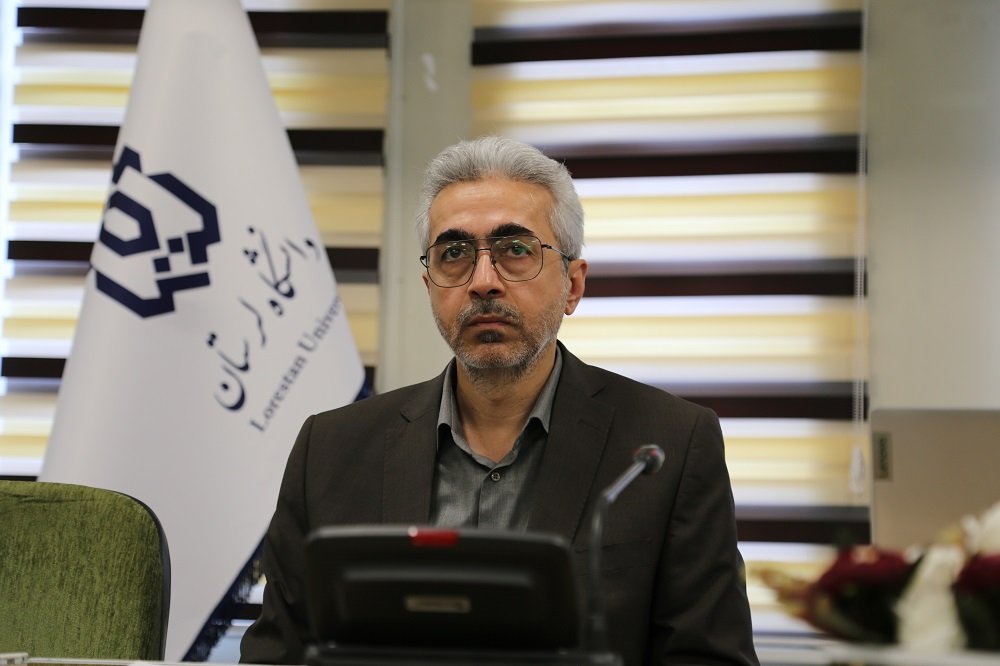
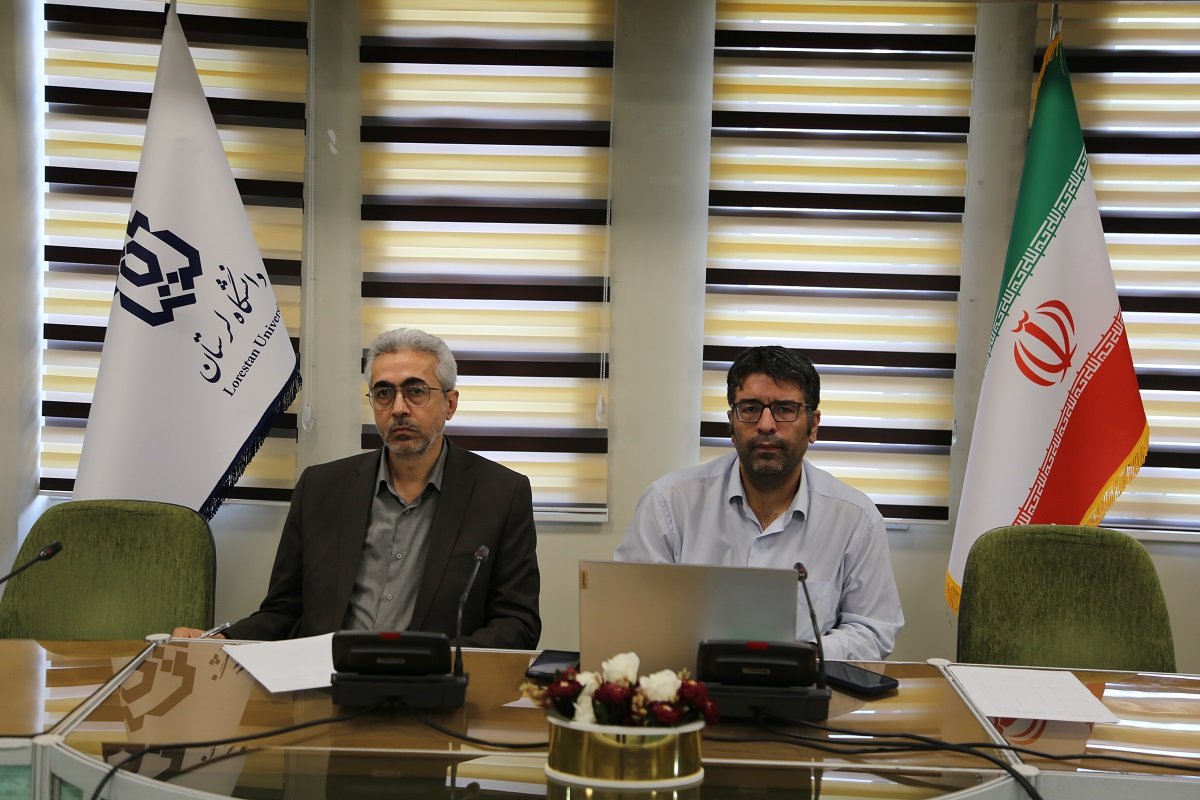
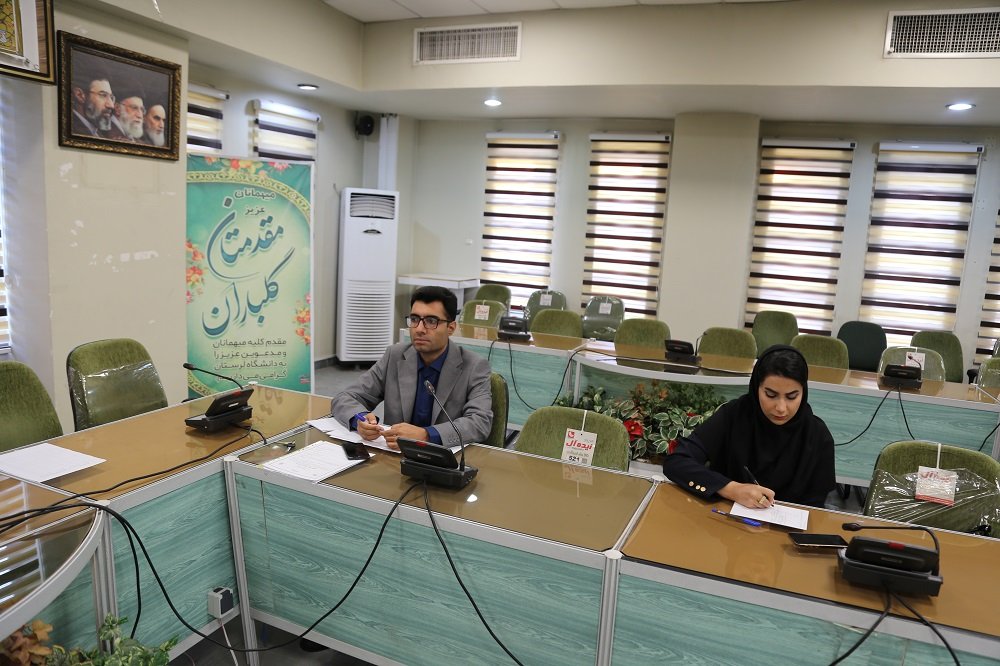
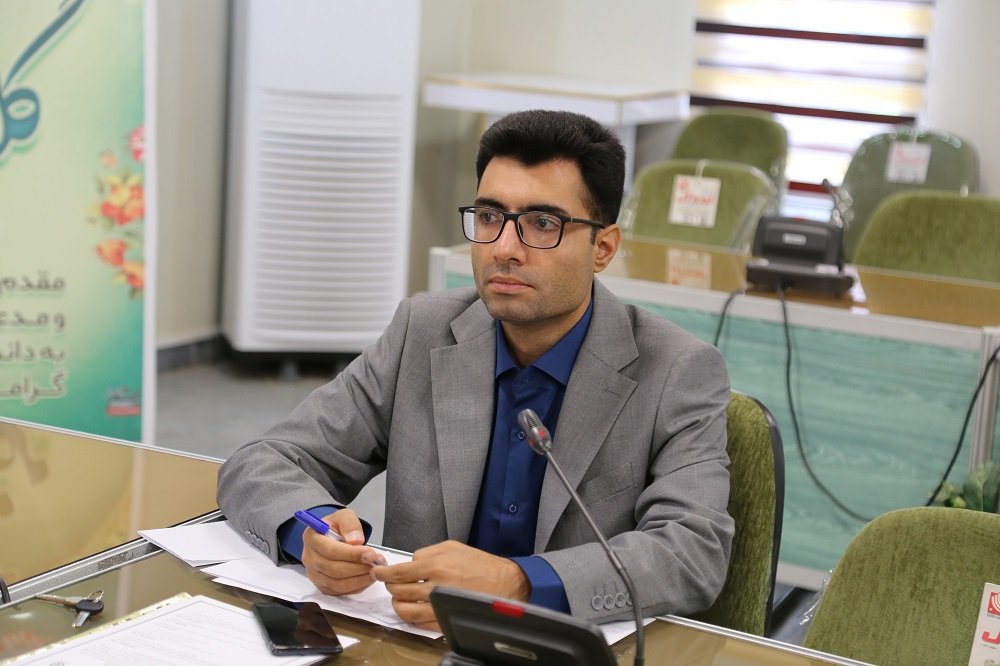
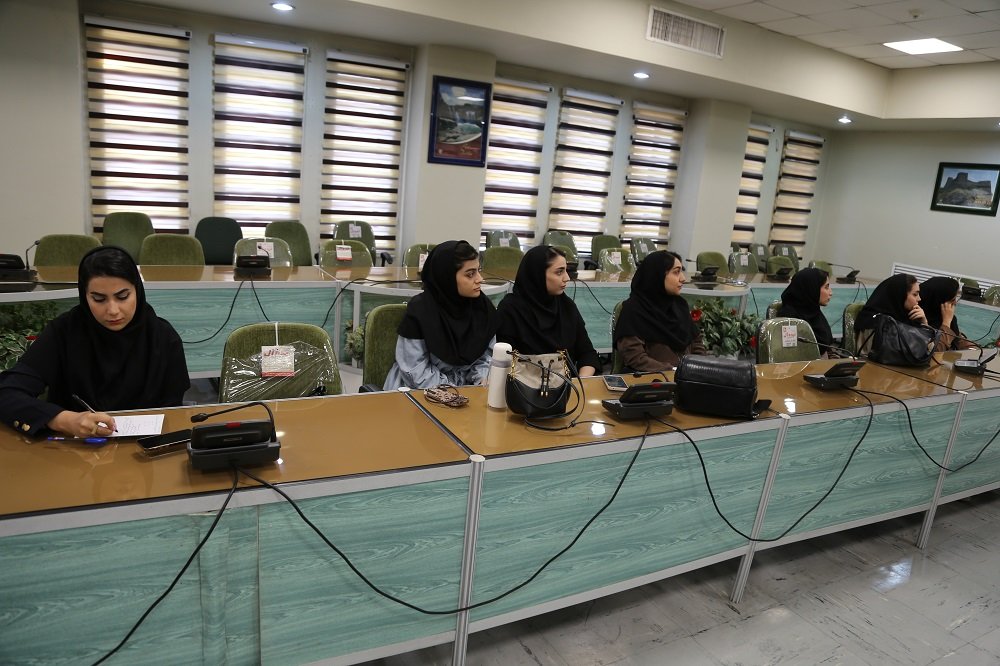
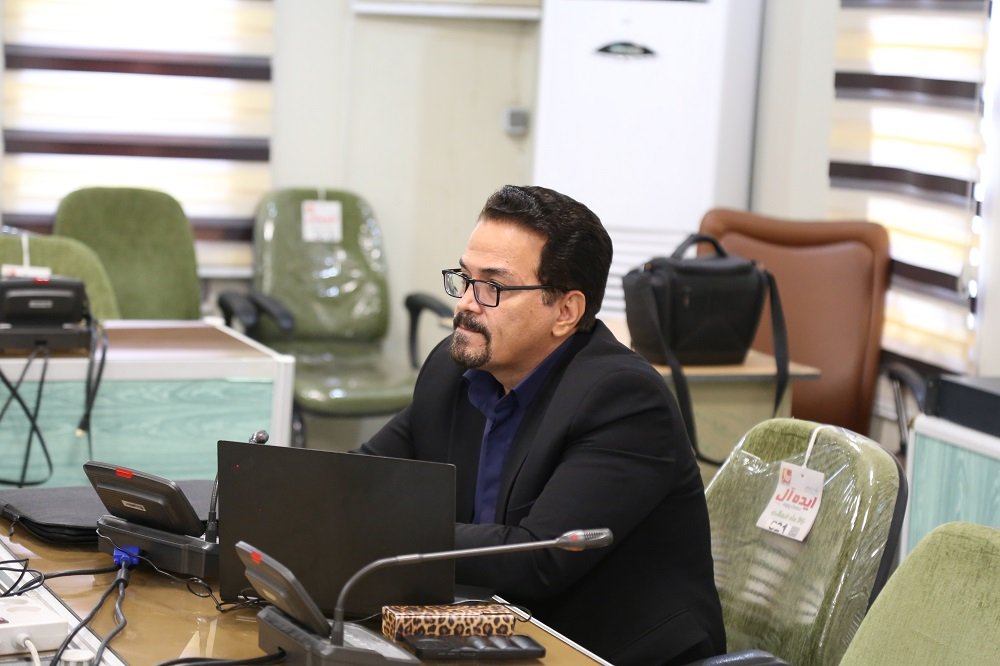
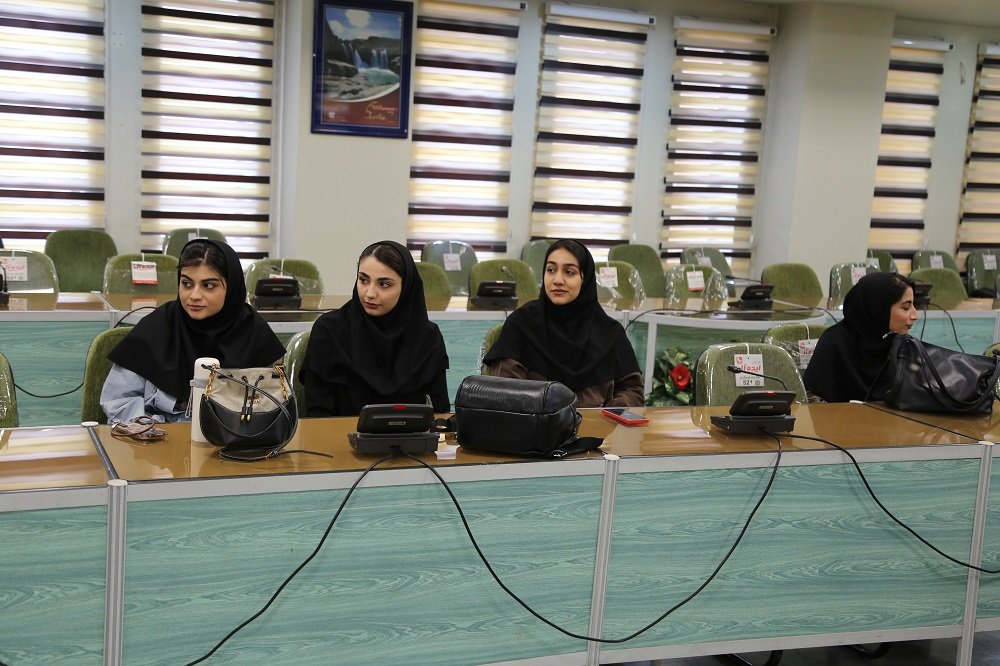
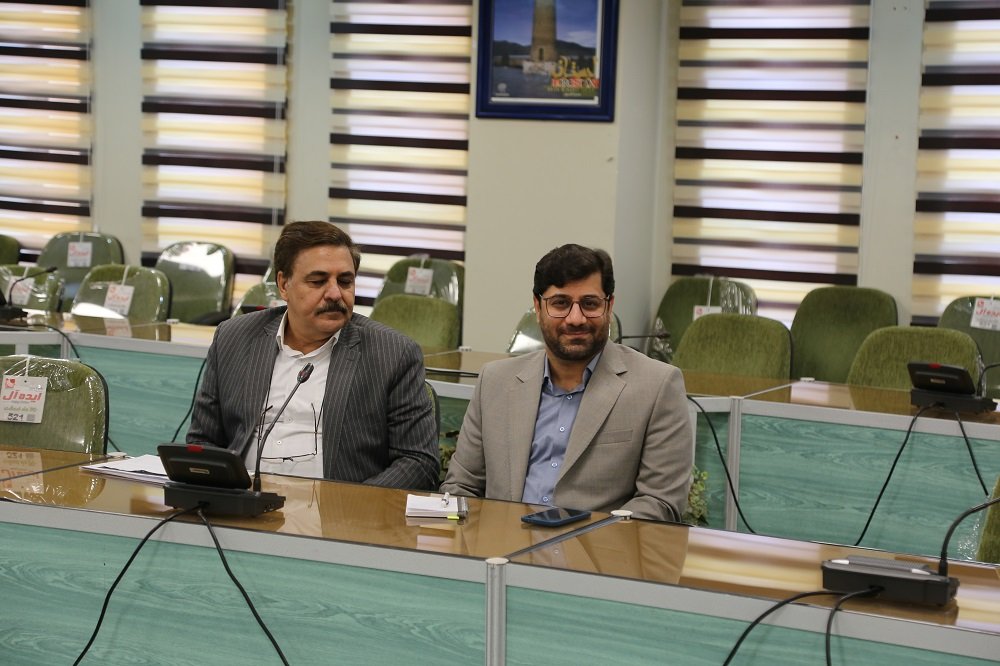
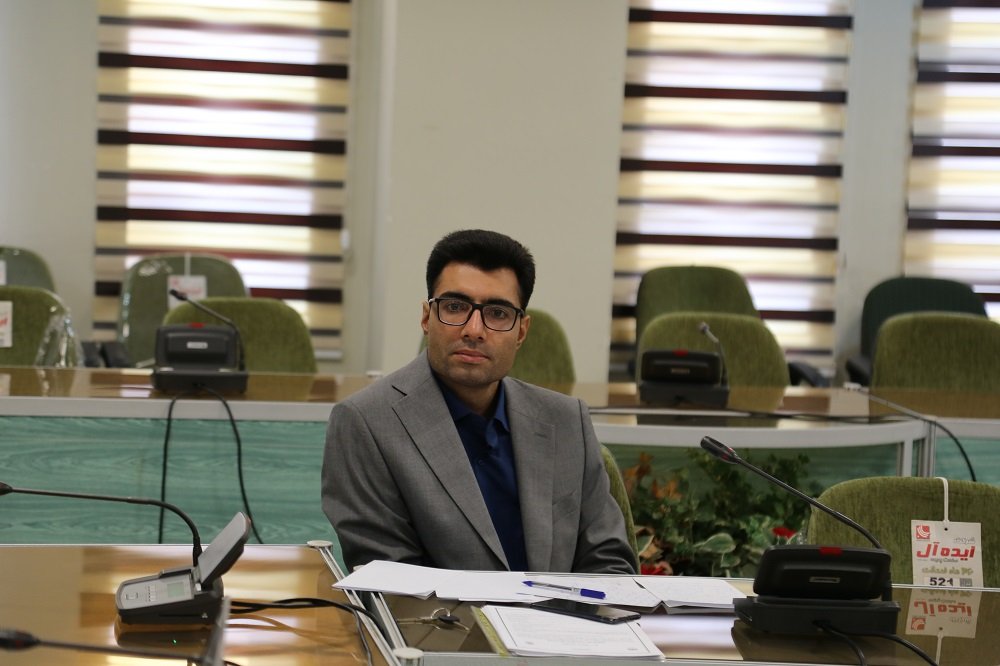
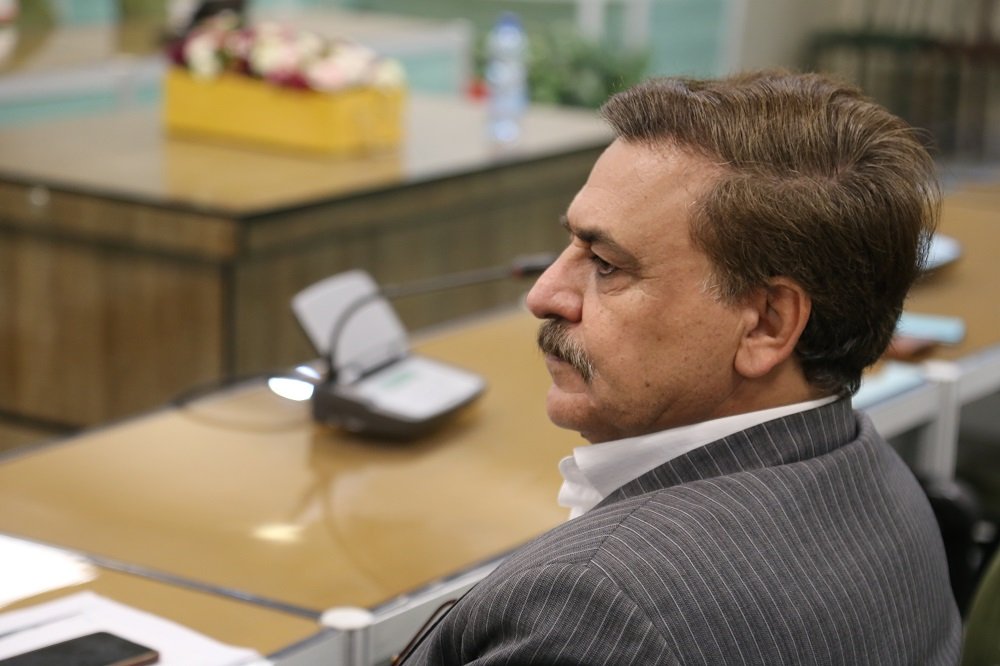
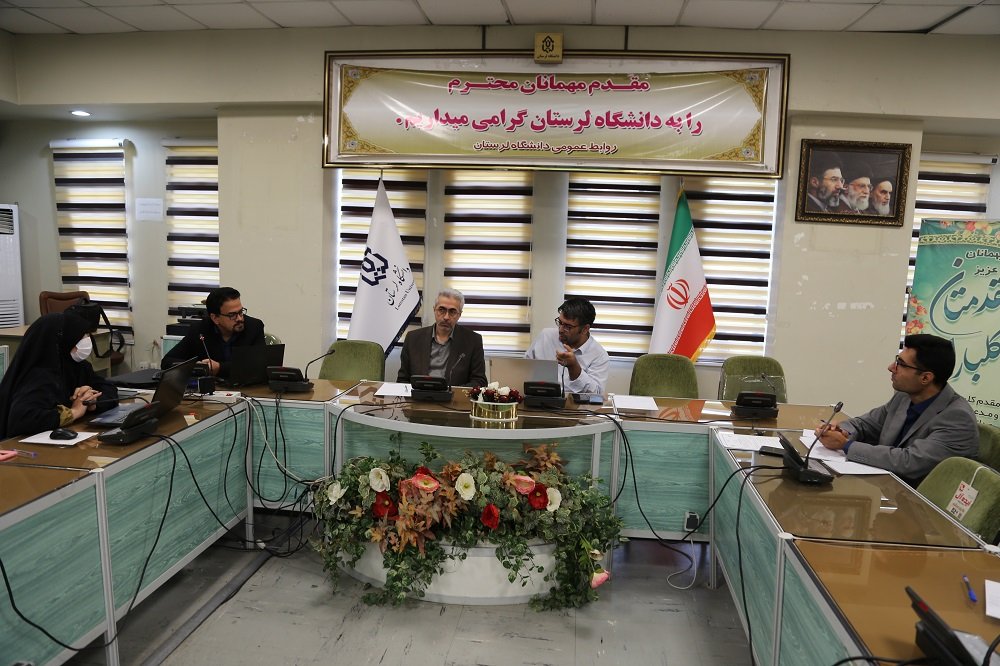
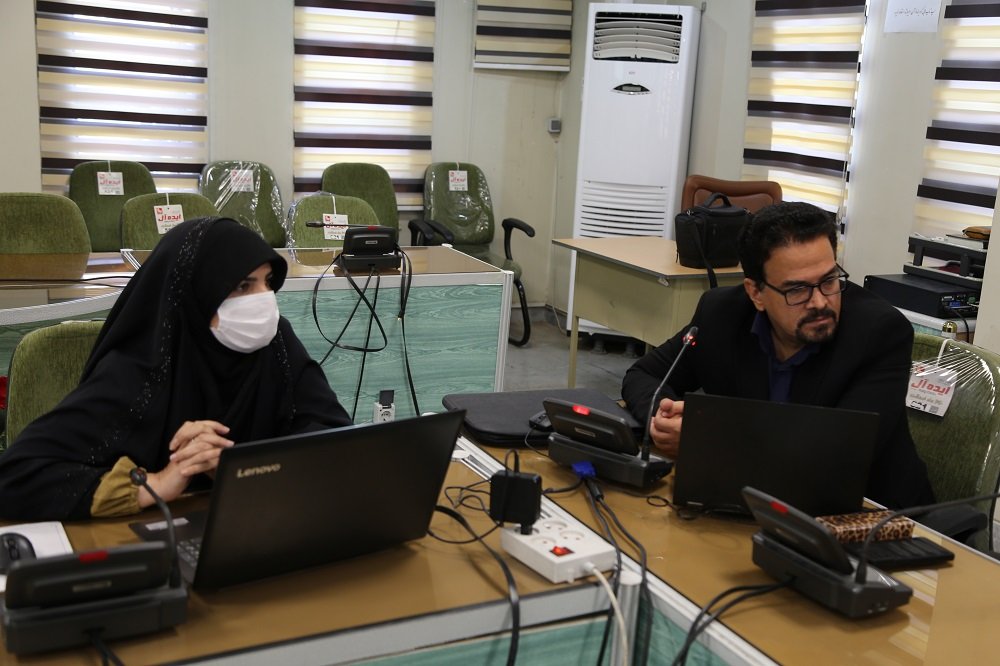
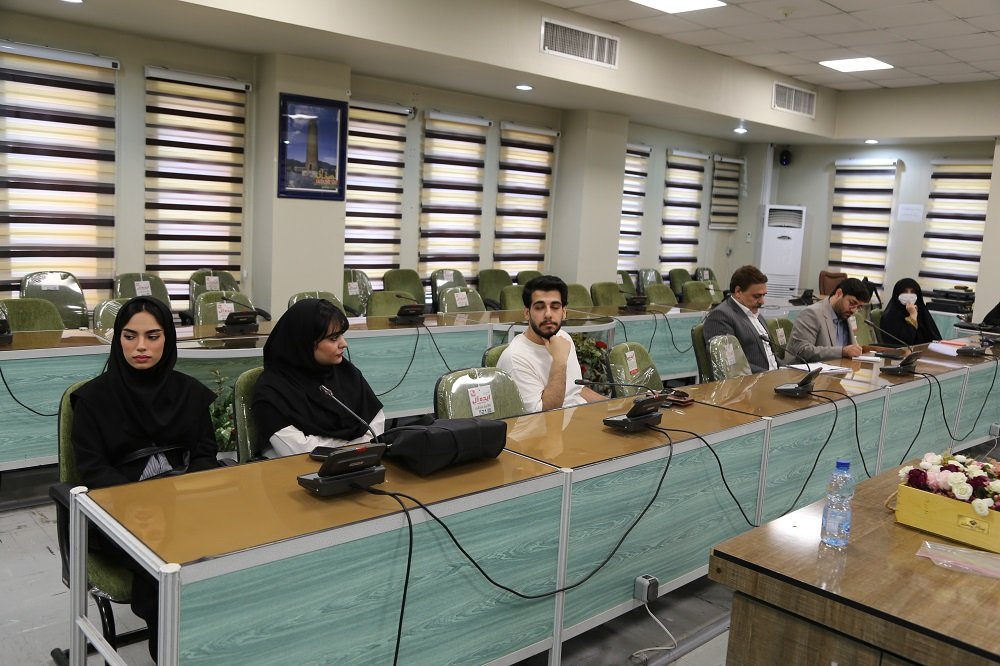
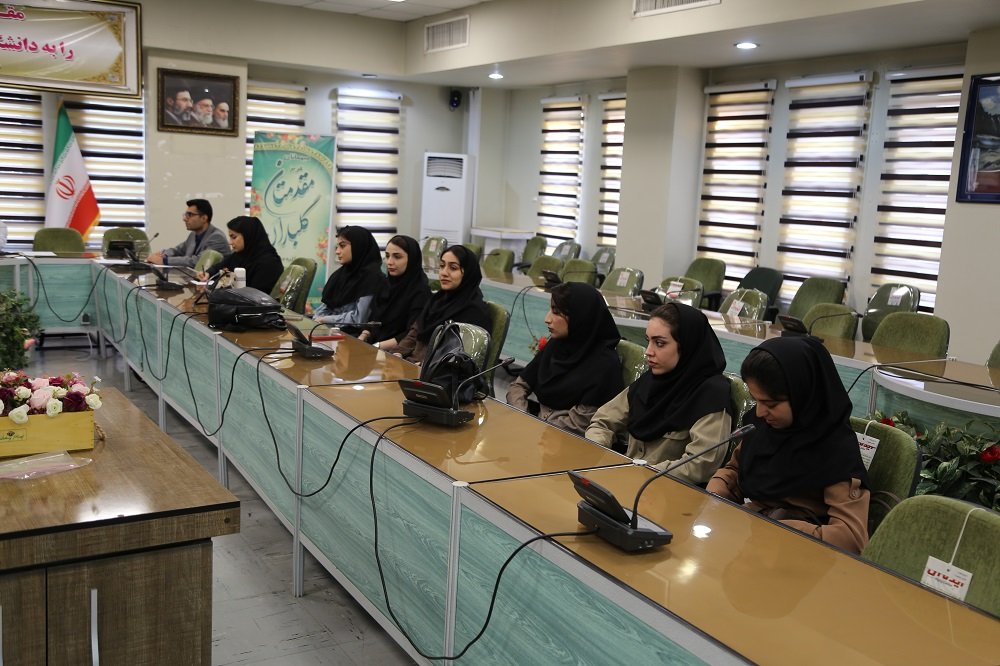
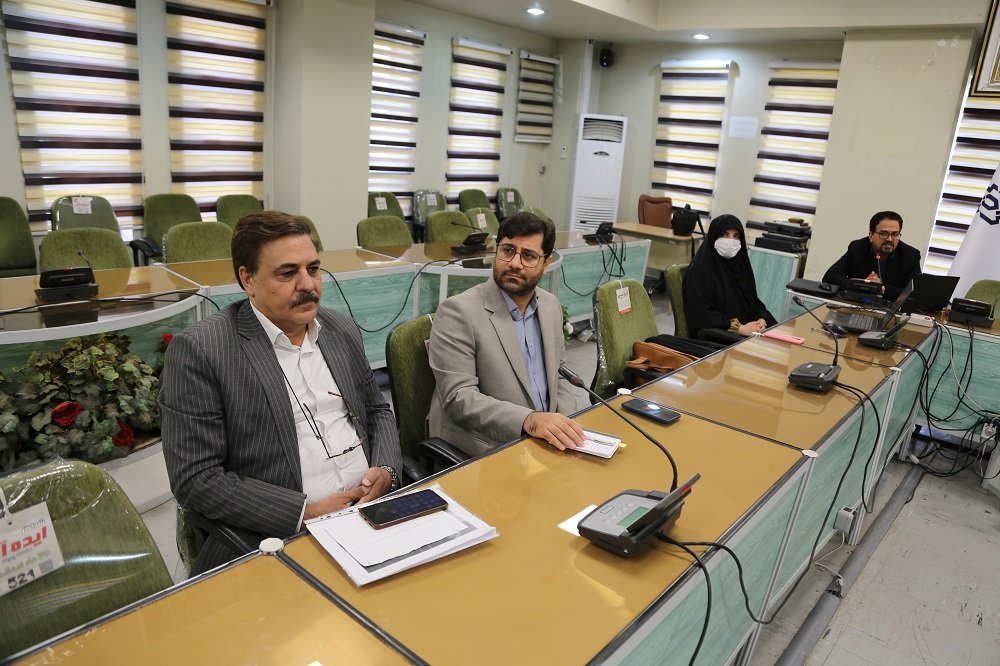
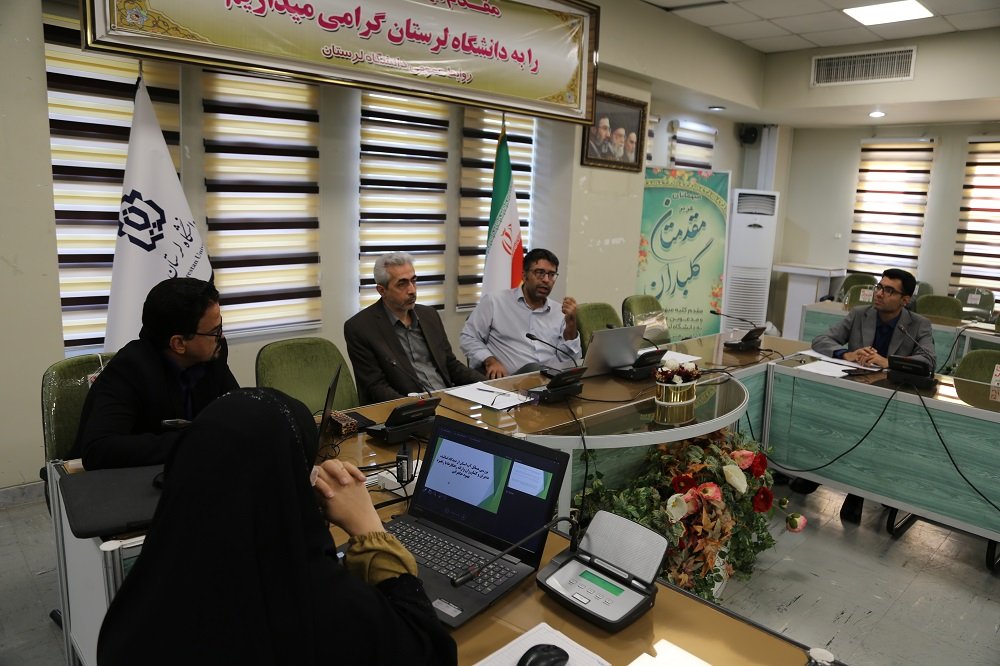
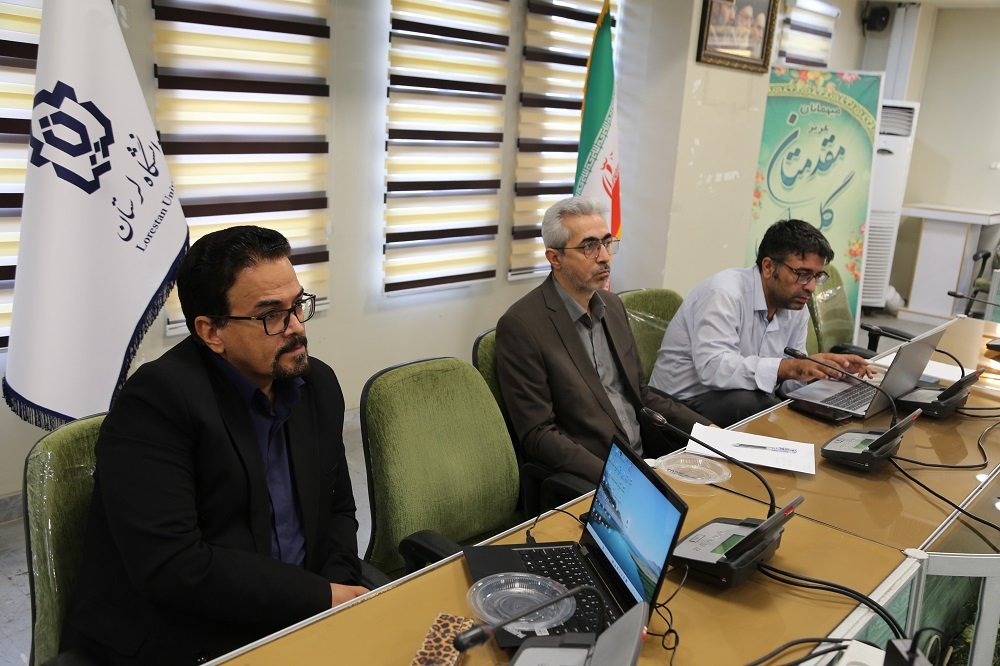
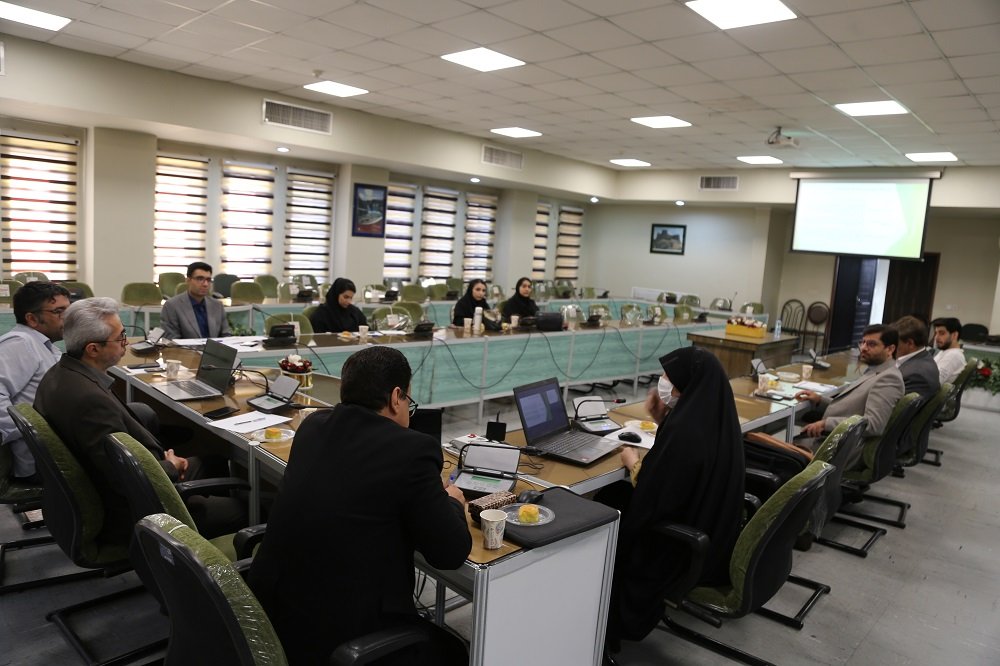
The seventh meeting of the Lorestan Province Governance and Legislation Think Tank (affiliated with the Research Center of the Islamic Consultative Assembly), focusing on "Presenting the Report on the Review of Lorestan Province's Water Issues System," was held at Lorestan University. In this meeting, various dimensions of the province's water resource challenges were examined from managerial, institutional, economic, and technical perspectives, and solutions for improving water governance and sustainable utilization of water resources were proposed.
The Necessity of Transitioning from Crisis Management to Water Risk Management
According to the Public Relations of Lorestan University, at the beginning of this meeting, held on Wednesday, October 14, 1405 [Persian calendar, equivalent to October 6, 2026] in the Martyr Mirbaharsi Hall of Lorestan University, Dr. Ali Haghi-zadeh, a member of the think tank and professor in the Department of Range and Watershed Engineering at Lorestan University, explained the status of water resources and the management approaches in this field.
Dr. Haghi-zadeh emphasized that water should be considered beyond a mere environmental concern, as a vital commodity and a strategic and security issue. He pointed to the simultaneous occurrence of hazards resulting from hydrological droughts and floods.
He stressed the necessity of transitioning from current conventional crisis management methods to risk management and adaptation to climate change, deeming the amendment of certain laws, regulations, and bylaws related to river boundaries essential for reducing flood damage.
The development of artificial groundwater recharge and flood spreading projects, planning for dam construction projects commensurate with the province's capacities and needs, and leveraging the less-considered capacities of water-based tourism in Lorestan were among the other topics discussed by Dr. Haghi-zadeh.
To Resolve the Province's Water Issues System, Water Governance Weaknesses Must Be Corrected and Institutional Coordination Strengthened
Subsequently, Dr. Mehri Saeidi-nia, an assistant professor in the Department of Water Science and Engineering at Lorestan University, presented a detailed research report titled "Review of Lorestan Province's Water Issues System from the Perspective of Provincial Water Elites."
She explained that this research was conducted with an objective and impartial approach, relying on official documents and in-depth interviews with three groups of experts, including university professors, executive agency managers, and progressive farmers.
Dr. Saeidi-nia indicated that the province's water issues are not solely limited to water scarcity, attributing some of the problems to management challenges, certain policies, laws, and a lack of coordination among responsible institutions.
Describing the current situation, Dr. Saeidi-nia discussed the active dams, ongoing and planned projects, pumping stations, and irrigation and drainage networks in the province, enumerating the most significant challenges in the water sector.
Some of the issues identified in this research included weaknesses in governance and institutional structures, inter-agency dis coordination and some siloed approaches, deficiencies in some human resources and executive performance, a lack of a comprehensive roadmap, insufficient enforcement guarantees for projects, and a shortage of effective planning to confront drought.
She also cited weaknesses in national water diplomacy, problems with resource allocation and financing, technical and infrastructural limitations, some cultural and extension challenges, and a lack of sufficient prioritization for water issues at the provincial level as other obstacles to sustainable water resource management.
Effective Supervision and Correction of Economic Incentives are Necessary for Sustainable Water Resource Management
In another segment of the meeting, Dr. Hamid Asayesh, a member of the think tank and an associate professor in the Economics Department at Ayatollah Borujerdi University (RA), focusing on the supervisory, legal, and economic dimensions of the province's water issues, identified weak supervision and law enforcement as significant challenges in this domain.
He referred to issues such as insufficient supervision of water extraction, the proliferation of illegal wells and over-extraction, violations by some users, a lack of deterrent measures, and inadequate supervision of the design, implementation, and evaluation stages of water projects.
Dr. Asayesh also emphasized the link between water issues and the province's economic conditions and agricultural structure, citing high employment dependency on agriculture, poverty, rising input costs, administrative bureaucracy, weak guaranteed purchase mechanisms for products, and payment delays as factors contributing to the difficulty of water resource management.
According to him, inflation, the lack of a proper water tariff mechanism in the industry, uncertainty in private sector investment, and weak coordination of cropping patterns with neighboring provinces for market regulation and export development should also be considered in the policymaking for this sector.
Focusing Budgets on Priority Projects and Economic Valuation of Water
Subsequently, Dr. Omid Omidi Shahabadi, Deputy Coordinator of Economic Affairs for Lorestan Governorate and Secretary of the Governance and Legislation Think Tank of the Province, referring to concrete examples of the province's water challenges, including the Gorkhsab and Ranginban water pumping stations and the problems caused by the 1398 [Persian calendar, equivalent to 2019-2020] floods, emphasized the necessity of optimal utilization of water resources for Lorestan's sustainable development.
He pointed out the limitations of resources and the need to increase the effectiveness of budgets, deeming the prioritization of water projects and the concentration of financial resources on completing a few key projects, rather than scattered budget distribution, as essential.
The Secretary of the Think Tank also assessed the move towards the economic valuation of water and the review of the realization of strategic plans by responsible agencies as important, emphasizing the necessity of diagnosing program performance and identifying implementation obstacles, with the aim of formulating legal proposals and improving water governance mechanisms in the province.
It is noteworthy that at this meeting, the importance of simultaneously addressing institutional reforms, inter-agency coordination, effective supervision, economic considerations, and the prioritization of infrastructural projects was emphasized.