
Chapter Three: Educational Exploration of Lorestan University at Tappeh Qala Zakah, Khorramabad
 Nov 02, 2026
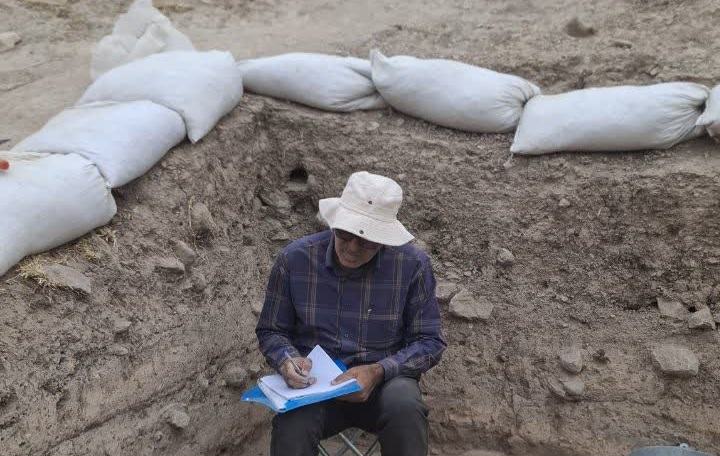
Following two seasons of boundary excavation, the third season of educational excavation by the Archaeology Group of Lorestan University commenced at Tepe Qala Zakkeh in Khorramabad County and continued for three weeks.
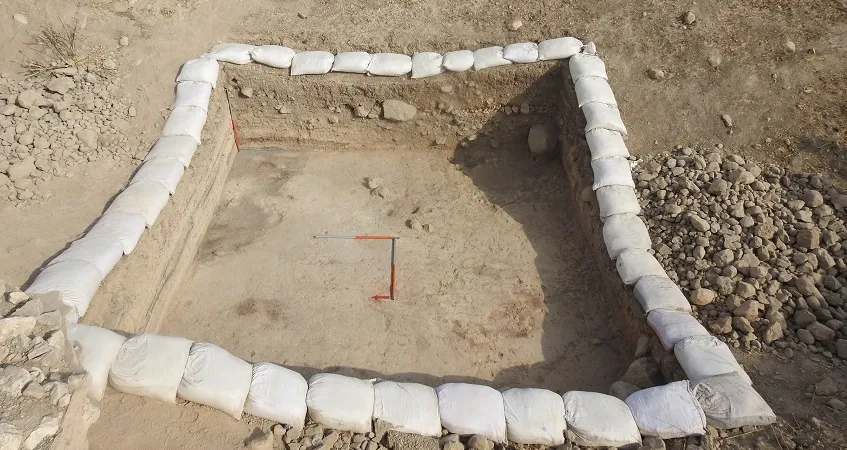
According to the Public Relations of Lorestan University, quoting the Public Relations of the Research Institute of Cultural Heritage and Tourism, Dr. Mohammad Bahrami, a faculty member of the History and Archaeology Department of Lorestan University and the supervisor of the archaeological team, announced this news, stating: "The excavation was conducted in a 5x5 meter trench in the disturbed and damaged sections of the northeast of the mound. As the trench was in the damaged part of the mound, the surface layers of the trench exhibited significant disturbance, and the recovered materials were a mixture of cultural materials from the Neolithic, Chalcolithic, Bronze Age, historical, and Islamic periods, and occasionally refuse. Among the interesting finds from these layers were fragments of raw obsidian, one of which weighed approximately 100 grams."
Dr. Bahrami, stating that the final depth of the excavation from the fixed point of the trench measurement was 155 centimeters, of which one meter consisted of disturbed surface layers, elaborated: "After removing the disturbed layers, cultural remains were encountered in the northern half of the trench. The absence of pottery and obsidian tools among the excavation finds is indicative of these layers belonging to the Pre-Pottery Neolithic period, possibly dating to the first half of the 8th millennium BCE."
This archaeologist explained: "The absolute date of the settlement of the mound will be determined in the future upon receipt of Carbon-14 dating results. The overall findings from the excavation include Neolithic stone tools such as various core stones, blades, micro-blades, and animal bone fragments. In addition, two bone tools, three clay tokens, and one perforated bone piece were among the special finds from this season's excavation. It is noteworthy that no architectural evidence was obtained during this excavation season."