
Evaluation of Lorestan Higher Education Centers on the Provincial Oversight Board's Agenda for Quality Improvement
 Jul 29, 2026
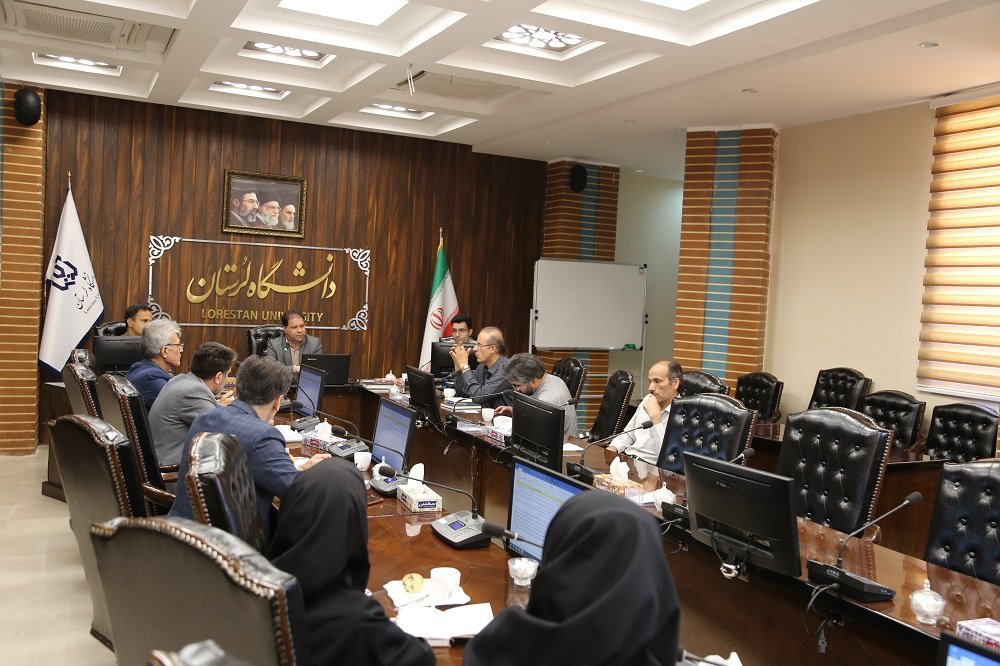
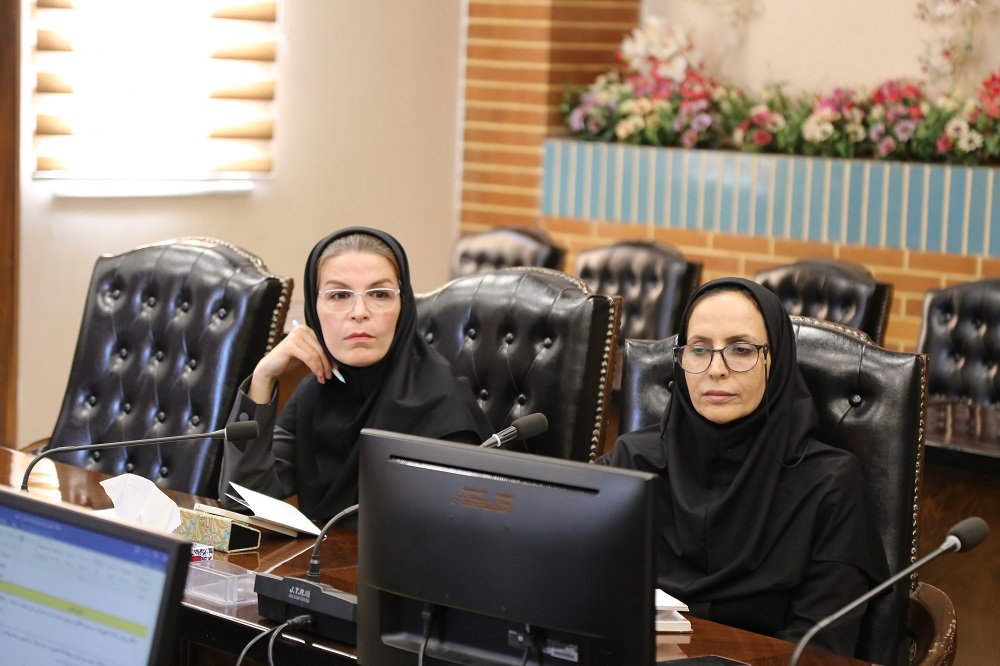
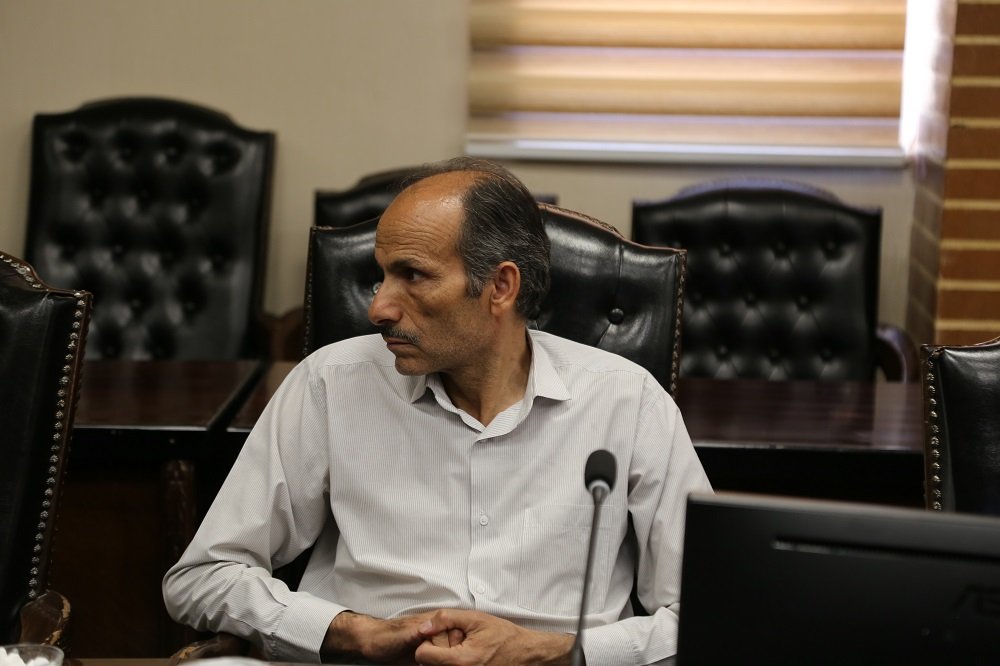
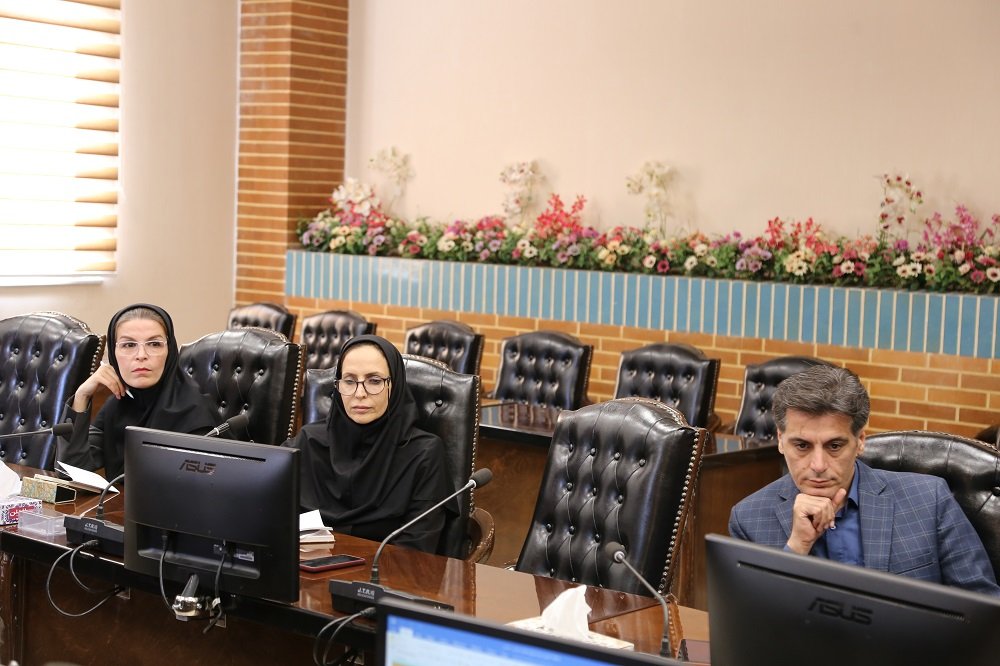
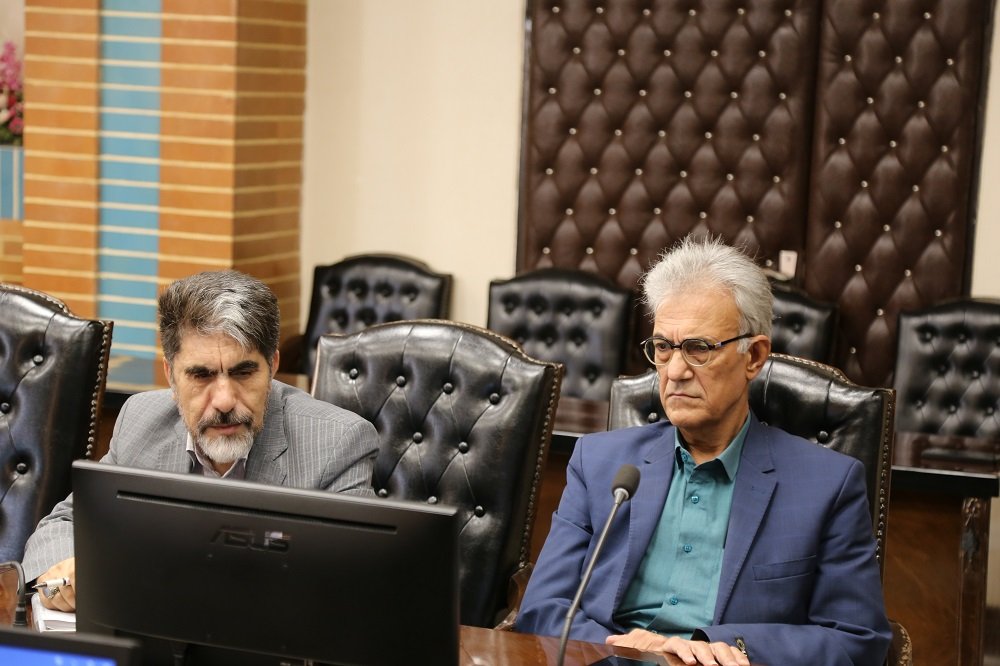
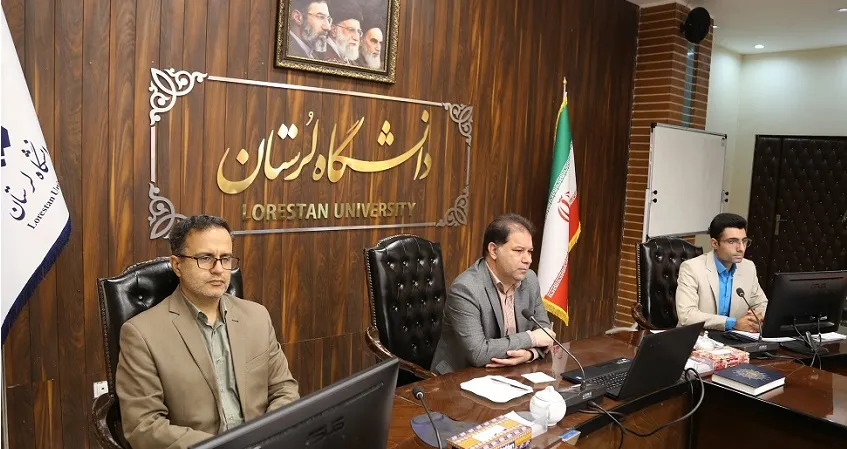
The meeting of the Oversight, Evaluation, and Quality Assurance Board of Higher Education in Lorestan Province, chaired by Dr. Mehrdad Dadastani, was held, and the reports of specialized field visits to universities and higher education institutions in the province, with an emphasis on moving towards quality improvement, were reviewed.
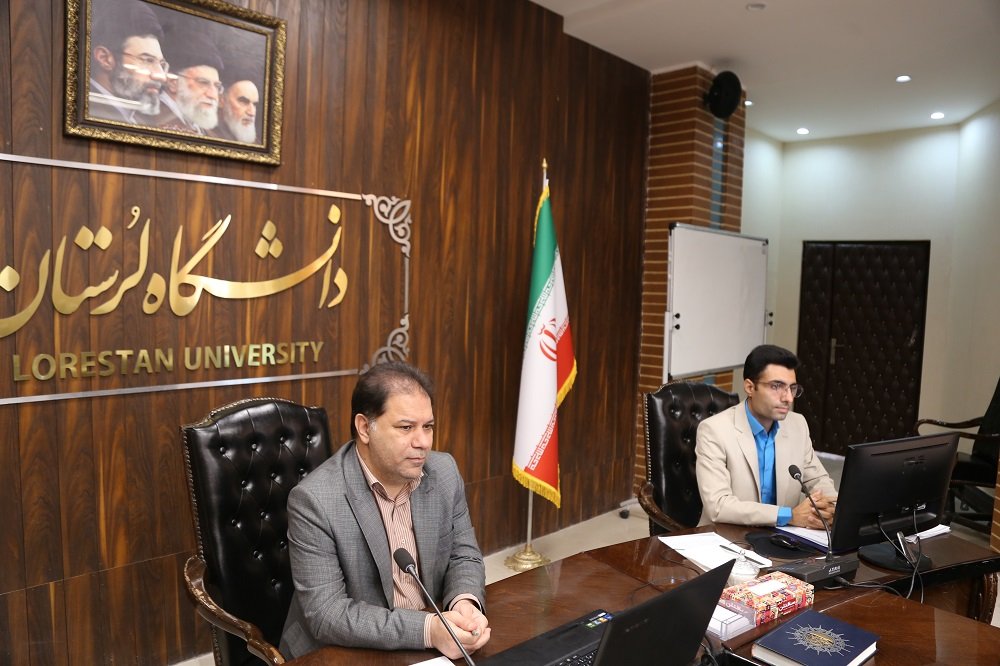
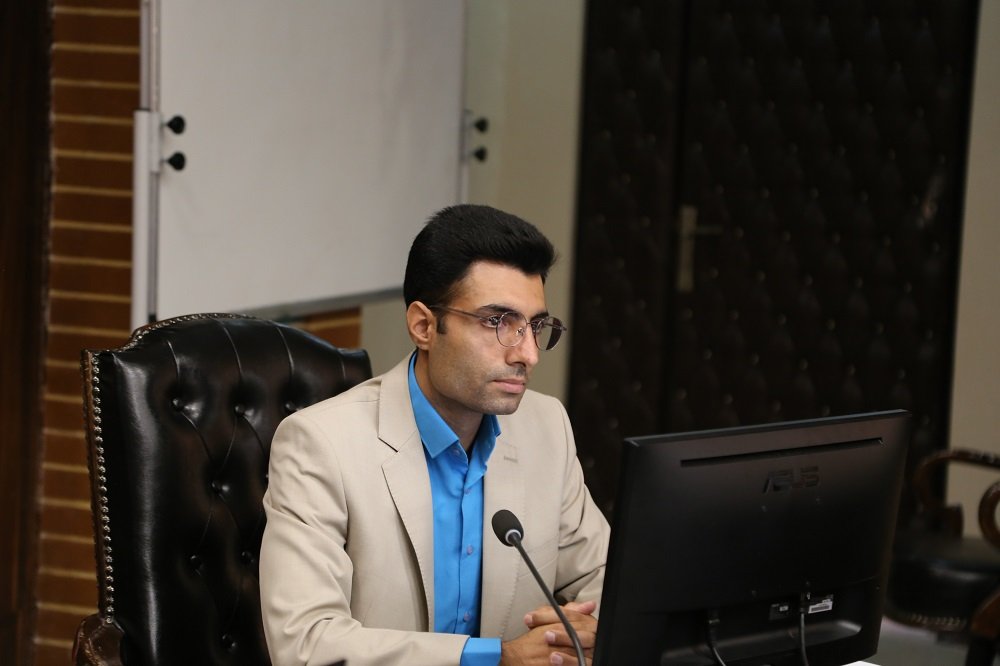
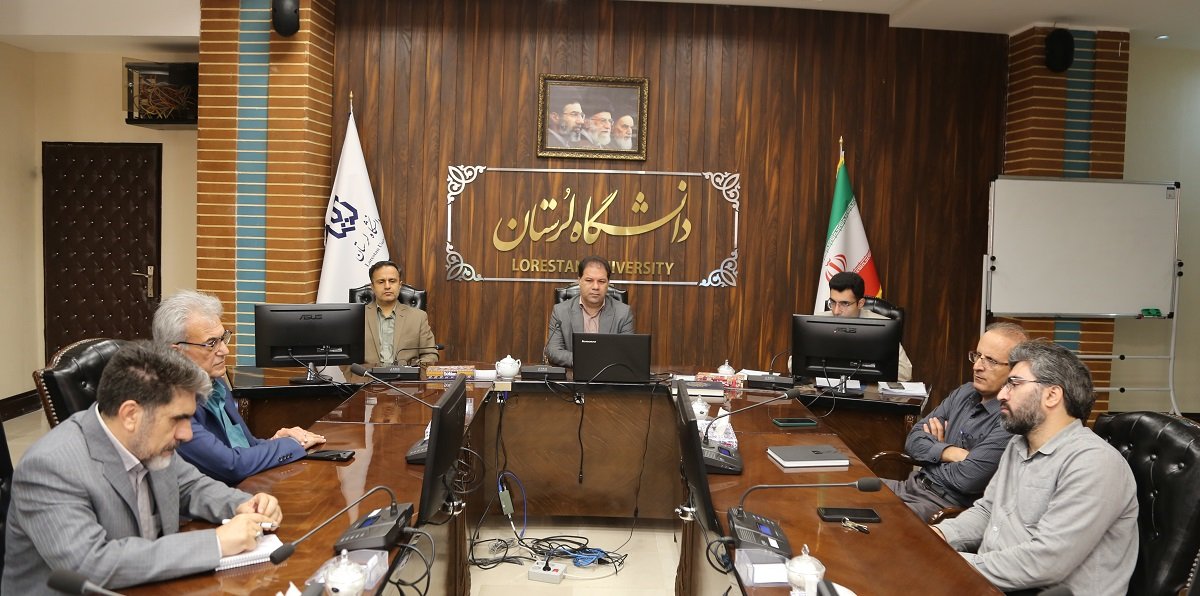
According to the Public Relations of Lorestan University, in this meeting, held on Wednesday morning, July 28, 2026, in the meeting hall of the Presidency of Lorestan University, Dr. Mostafa Shokri, Secretary of the Oversight, Evaluation, and Quality Assurance Board of Higher Education in Lorestan Province, initially, by explaining the conducted field visits, stated: "The field visits were carried out throughout the past academic year by specialized teams of the Oversight, Evaluation, and Quality Assurance Board of Higher Education in the province, utilizing faculty members and expert consultants."
Dr. Shokri explained: "These visits were conducted with the aim of evaluating the performance of higher education centers, identifying strengths and challenges, and formulating corrective proposals commensurate with the mission of each center. Expert reports, after approval by the council, will be communicated to the universities and higher education institutions of the province for implementation and follow-up."
He stated: "During these visits, the evaluation teams, while reviewing documents and records, inspected educational, research, laboratory, and workshop facilities, and in specialized meetings with managers, faculty members, staff, and students, evaluated various dimensions of the performance of universities and higher education institutions based on the approved indicators of the Ministry of Science, Research and Technology."
The Secretary of the Oversight, Evaluation, and Quality Assurance Board of Higher Education in Lorestan Province continued: "The approach of the oversight board is not solely to identify shortcomings, but rather to simultaneously identify strengths, challenges, and capacities of each center, and to formulate corrective proposals tailored to its mission, resources, and conditions, in order to assist managers in decision-making and provide the ground for the continuous improvement of the quality of higher education in the province."
Oversight and evaluation are not just control, but support for quality improvement
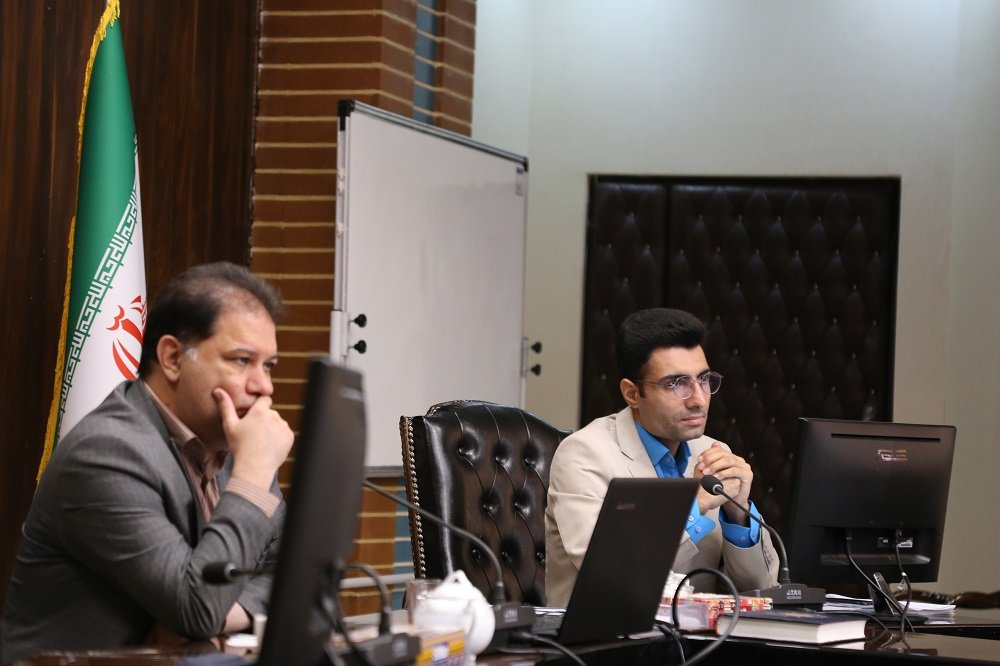
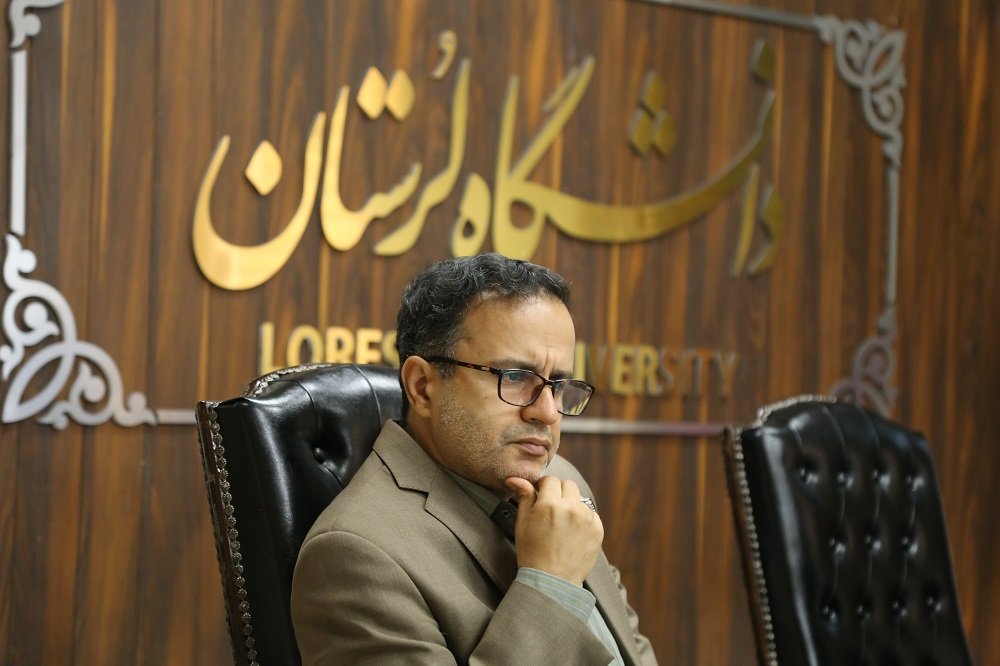
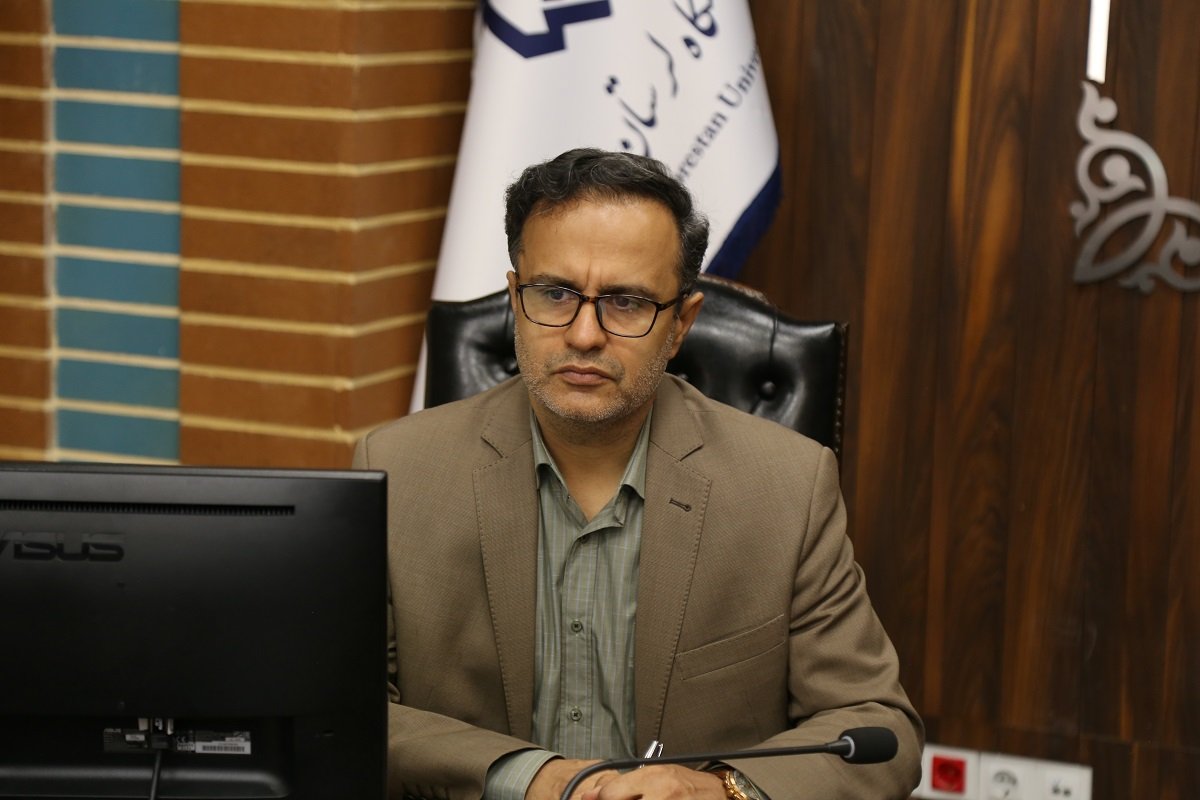
Subsequently, Dr. Mehrdad Dadastani, President of Lorestan University and Head of the Oversight, Evaluation, and Quality Assurance Board of Higher Education in Lorestan Province, emphasizing the importance of establishing a continuous evaluation system in higher education, stated: "Oversight and evaluation are not merely a control tool, but rather a tool for supporting universities in the path of quality improvement and the realization of their missions."
Dr. Dadastani explained: "Utilizing the results of expert evaluations provides the basis for informed decision-making by managers, continuous improvement of university performance, and optimal use of existing capacities. The continuation of this process and the follow-up on the implementation of corrective proposals will play an effective role in enhancing the quality of education, research, and skills, and increasing the effectiveness of the higher education system in the province."
He also, referring to the position of the Oversight, Evaluation, and Quality Assurance Board of Higher Education, emphasized: "The oversight board is the supervisory and consultative arm of the higher education system and is tasked with monitoring and evaluating the performance of higher education centers with an expert, fair, and at the same time decisive approach. In the face of shortcomings, violations, and cases contrary to standards and regulations, this board should not act with leniency; rather, it is necessary to provide accurate reports, corrective proposals, and follow up on their implementation, thereby facilitating the improvement of quality and safeguarding the position of higher education."
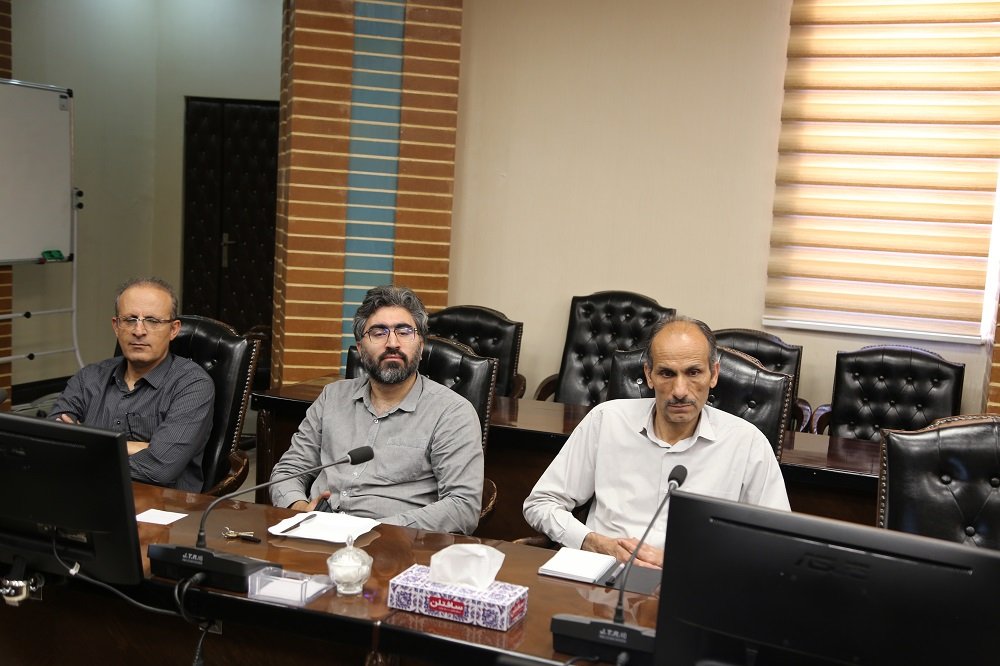
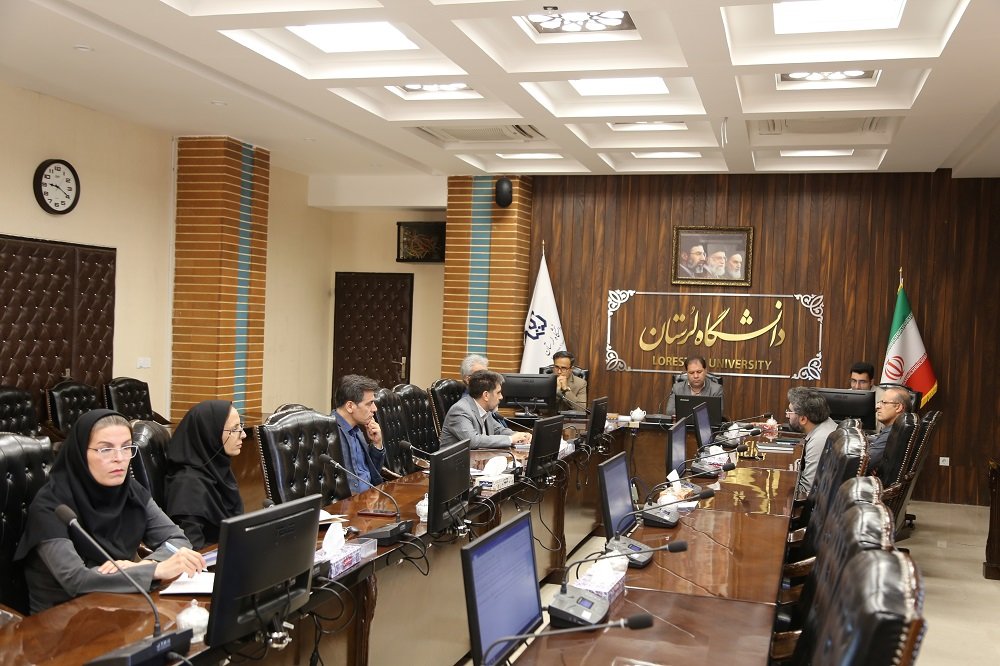
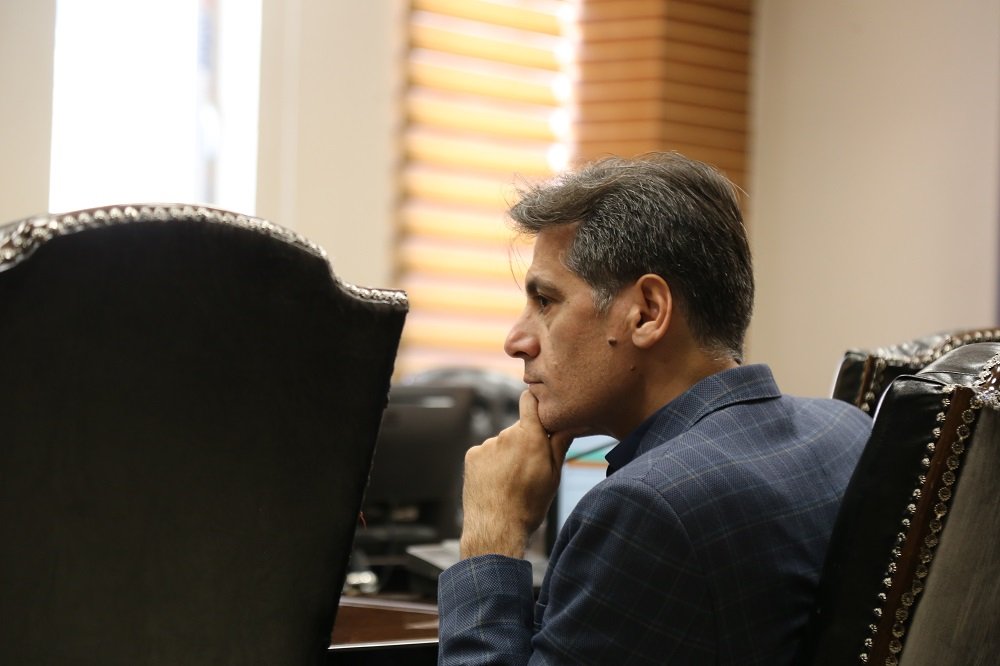
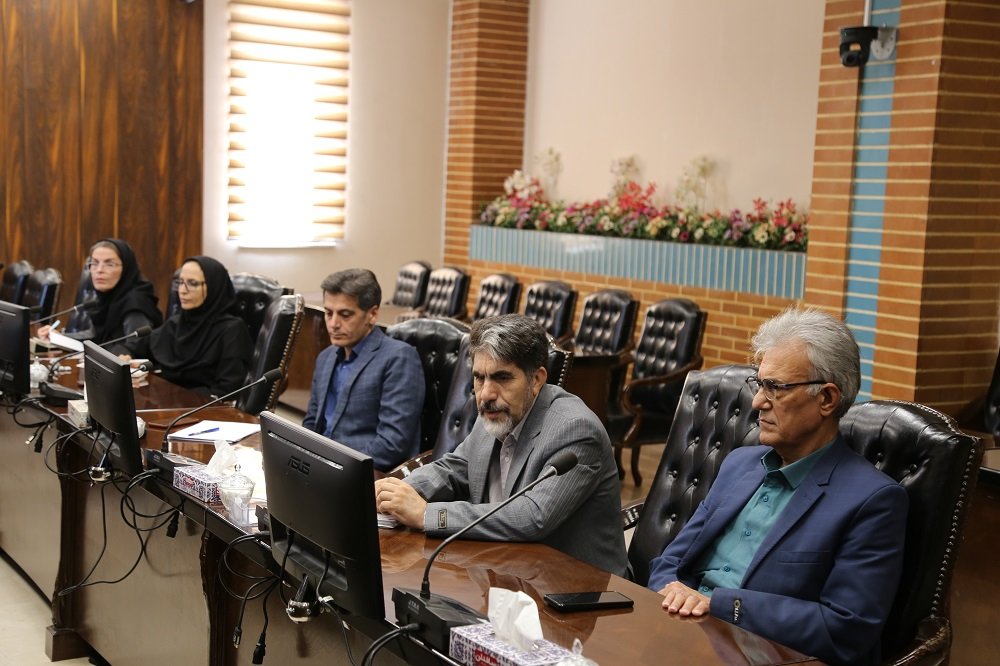
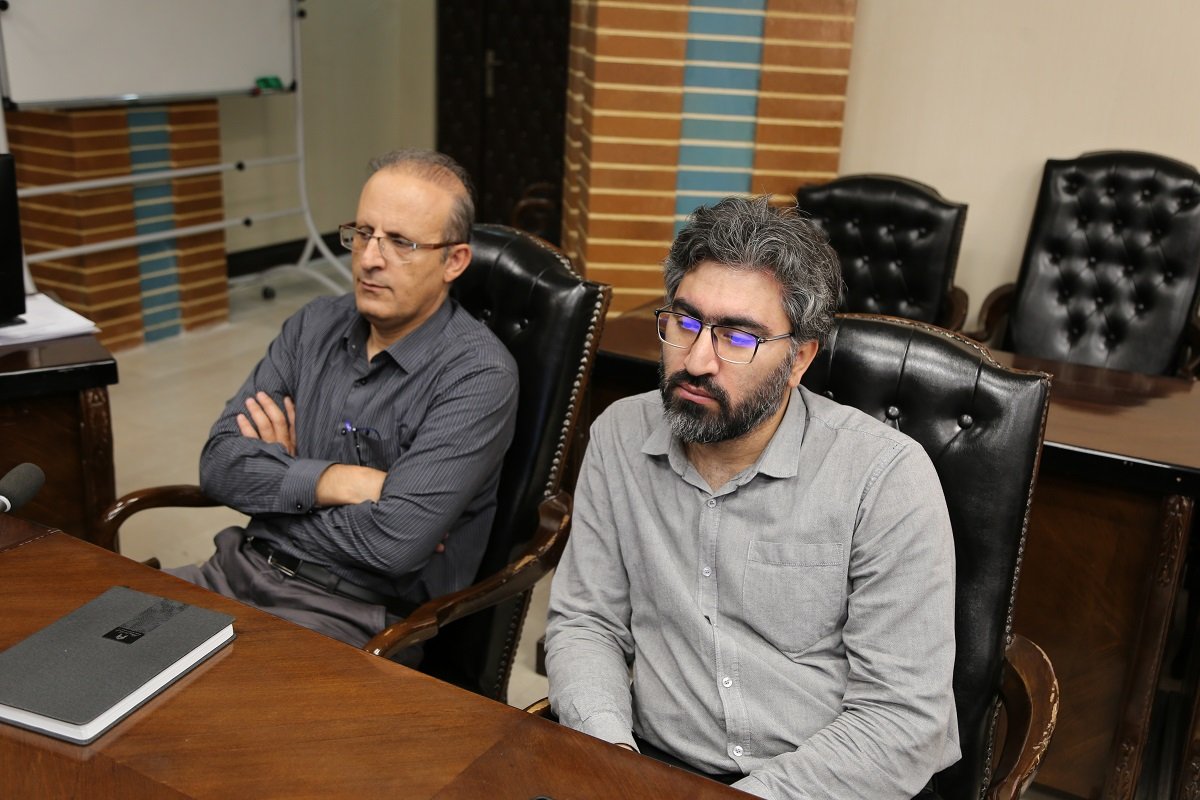
In the continuation of the meeting, the board members, by reviewing the presented reports, exchanged views on the evaluation results and corrective proposals, and after summarizing, approved the expert reports.
Based on the board's resolutions, the approved reports will be communicated to the universities and higher education institutions of the province for utilization and follow-up on corrective actions, and the implementation process of the proposed suggestions will be continuously monitored within the framework of the board's oversight programs.