
From "Yad-e Yaran" to the Presentation of the Book "Yar-e Ashna"/ Commemoration of the Epic Battles of Beit-ol-Moqaddas and Haj Omran at Lorestan University
 May 24, 2026
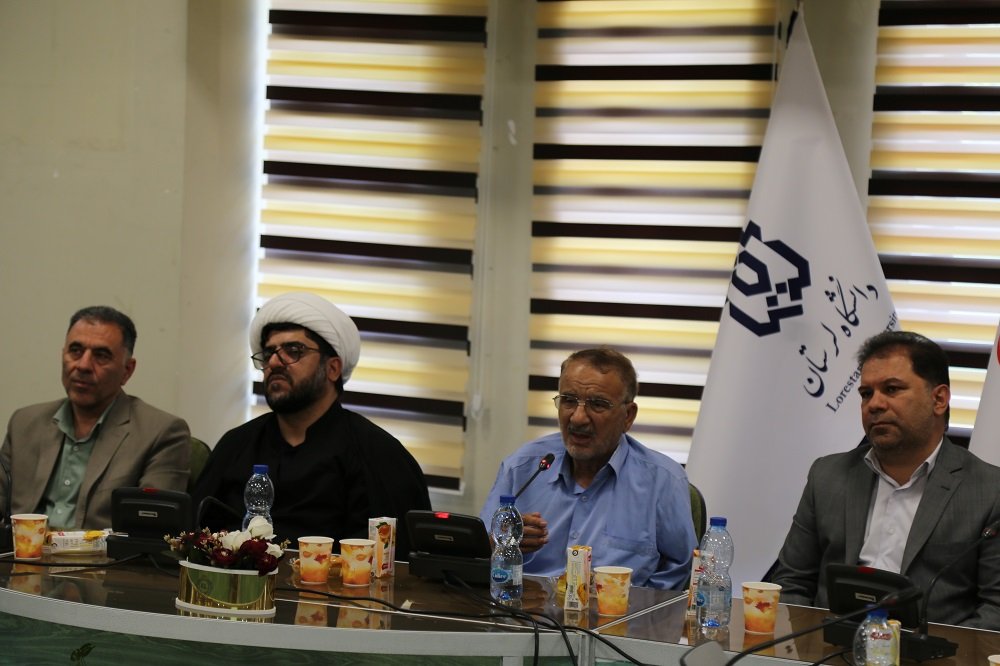
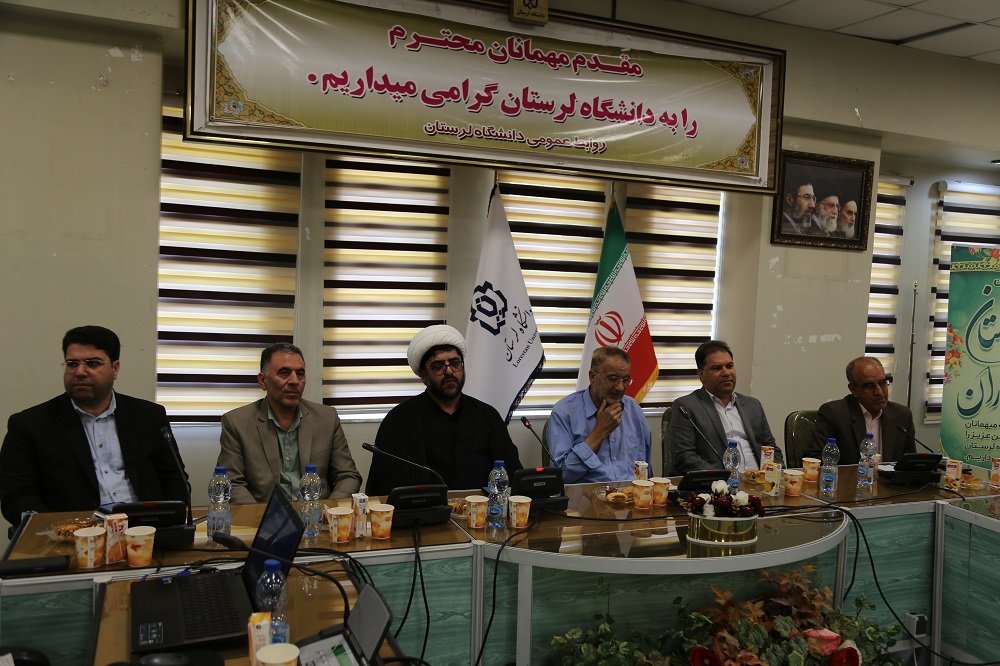
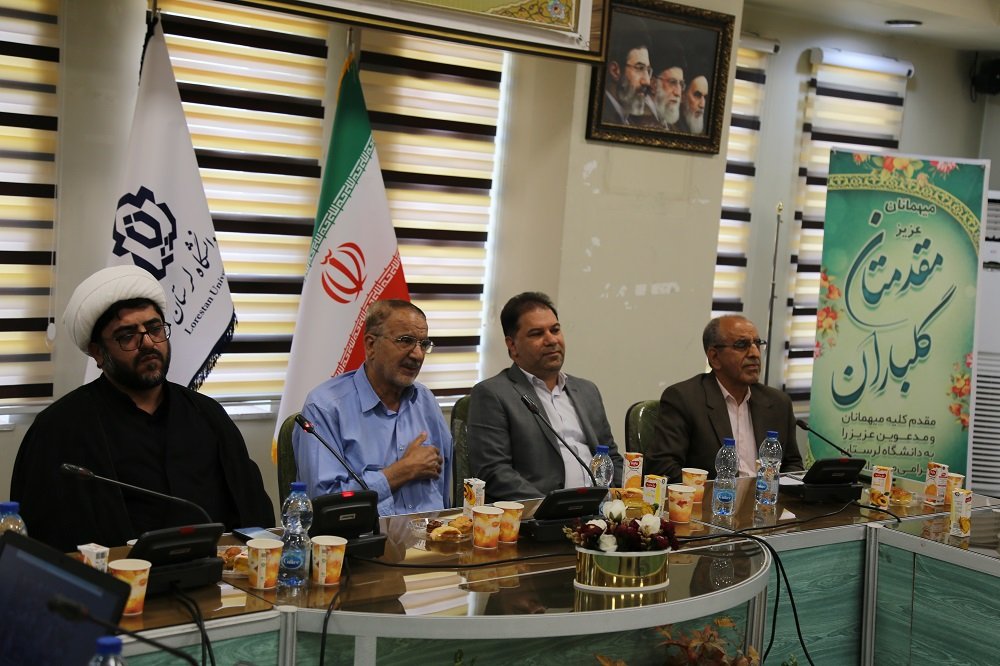
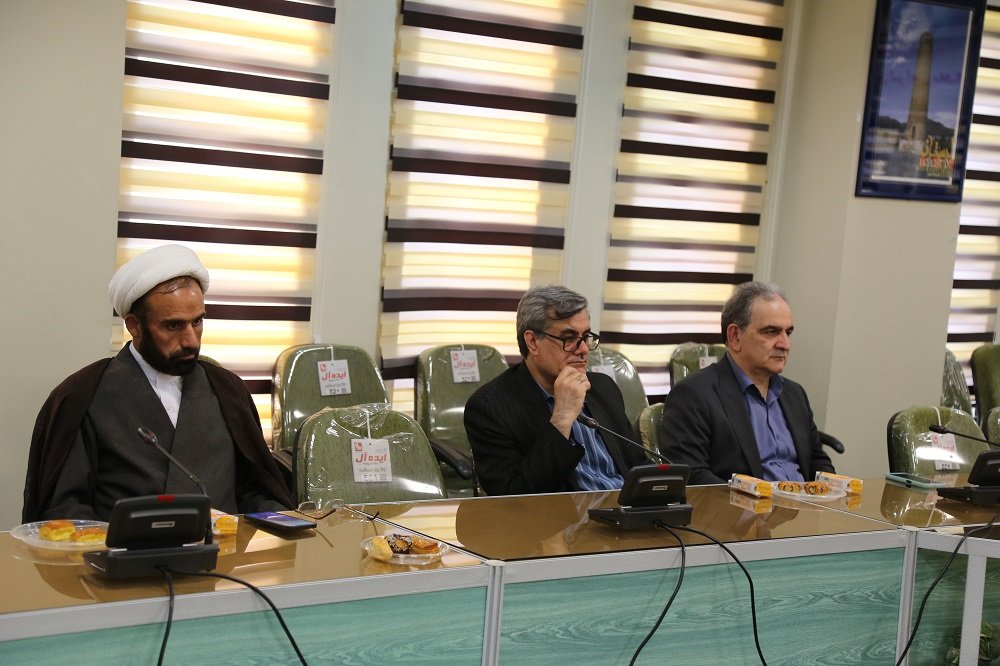
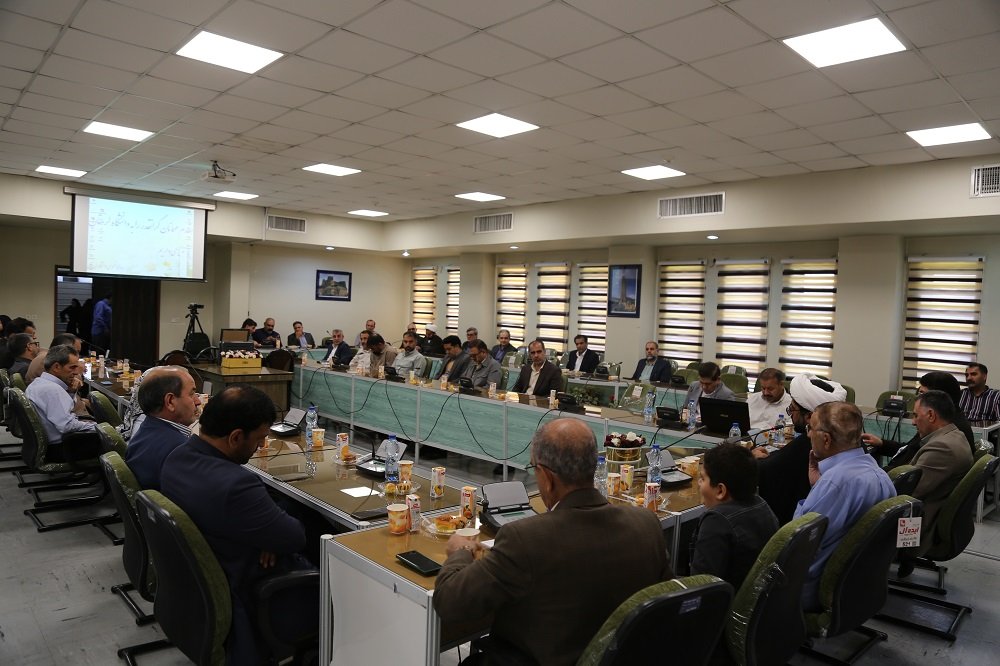
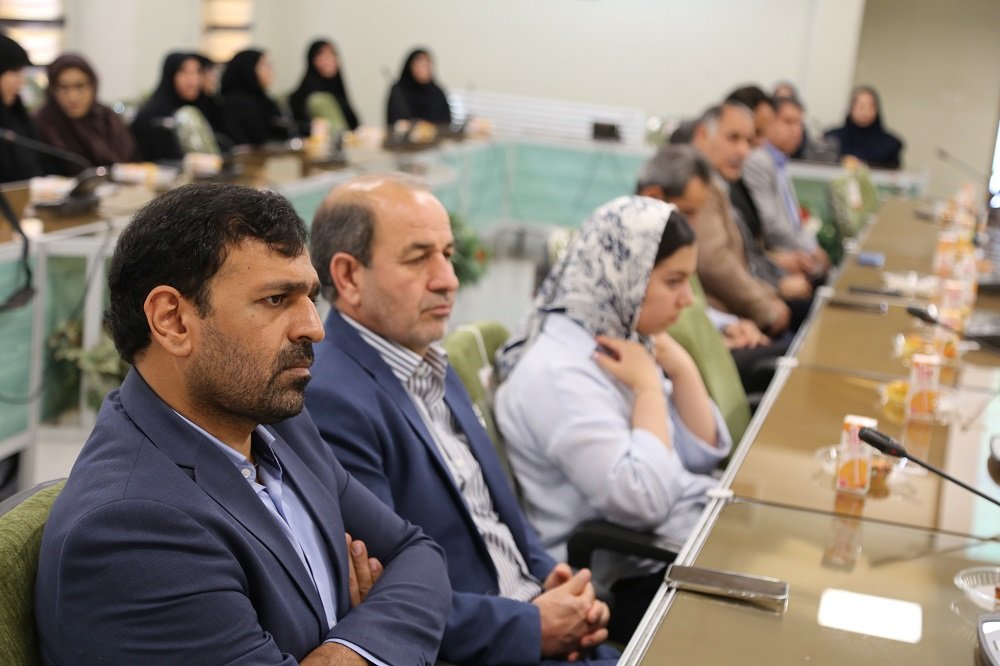
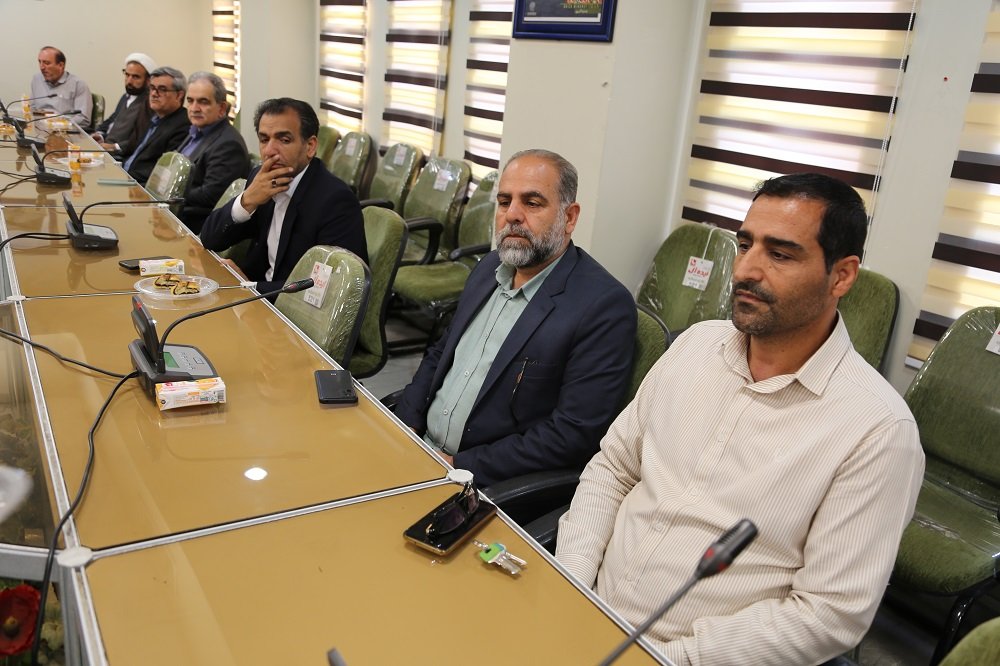
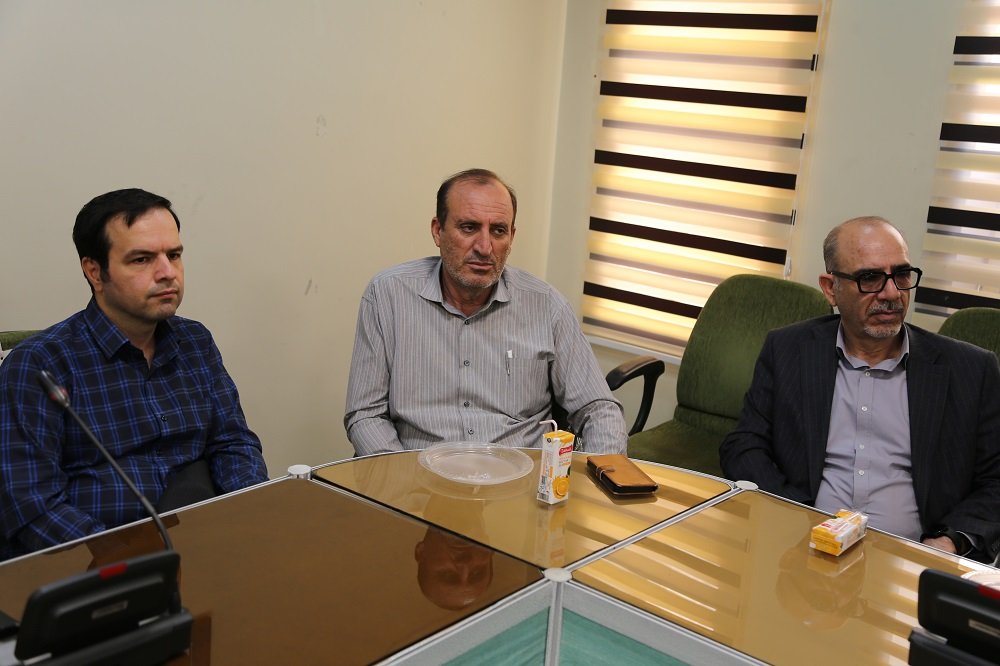
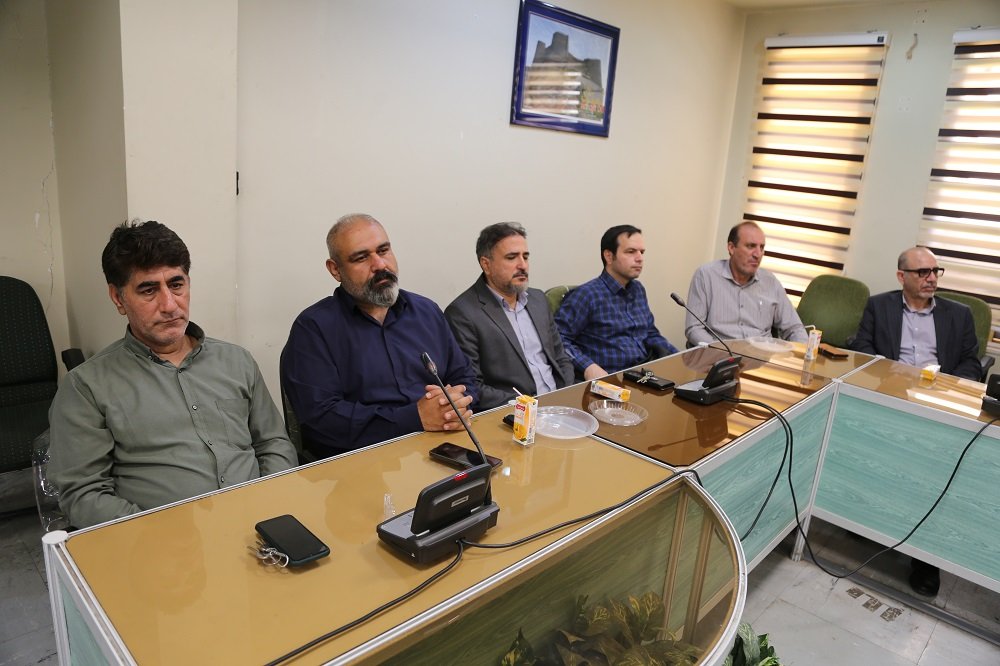
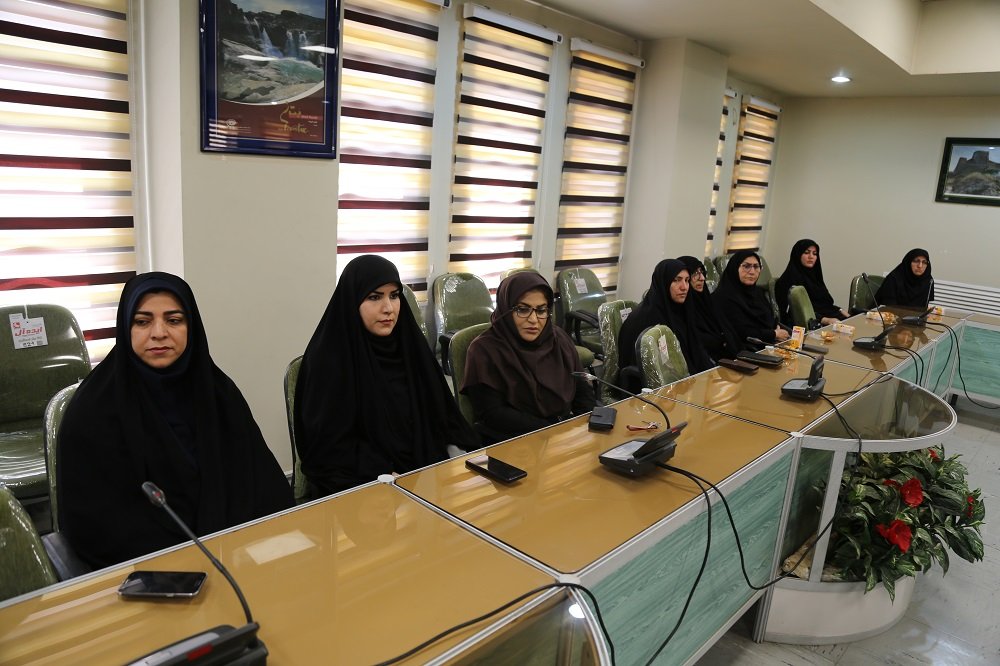
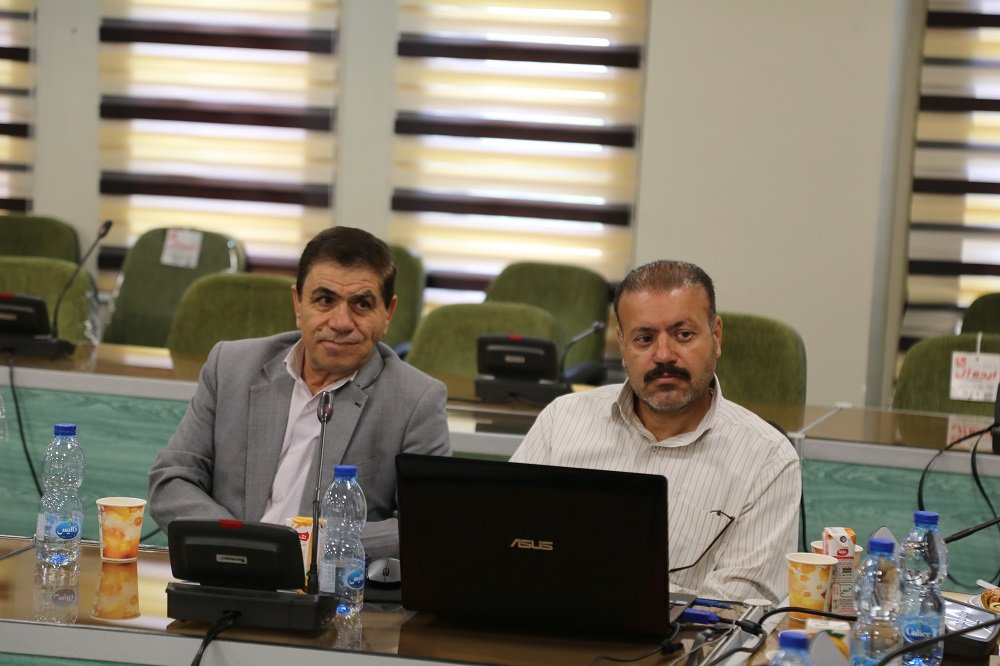
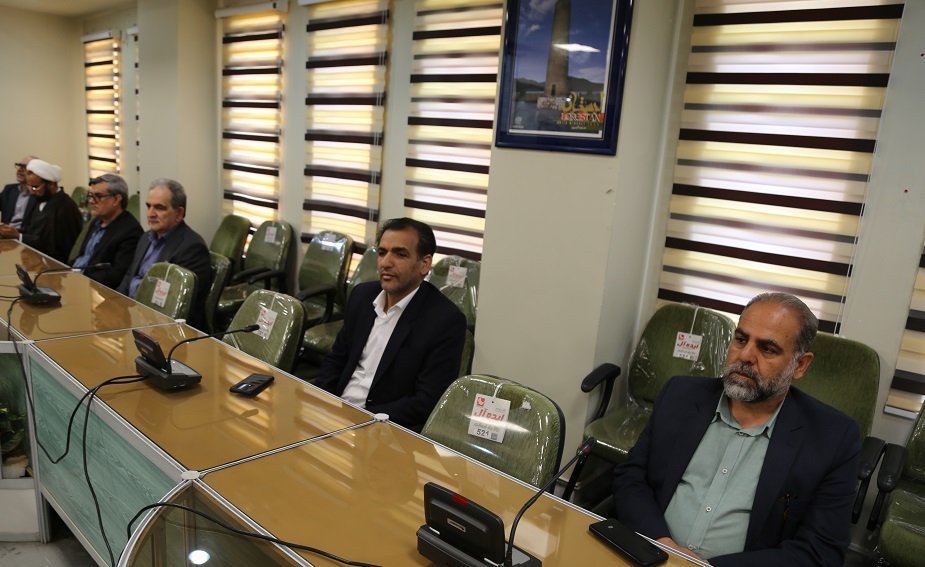
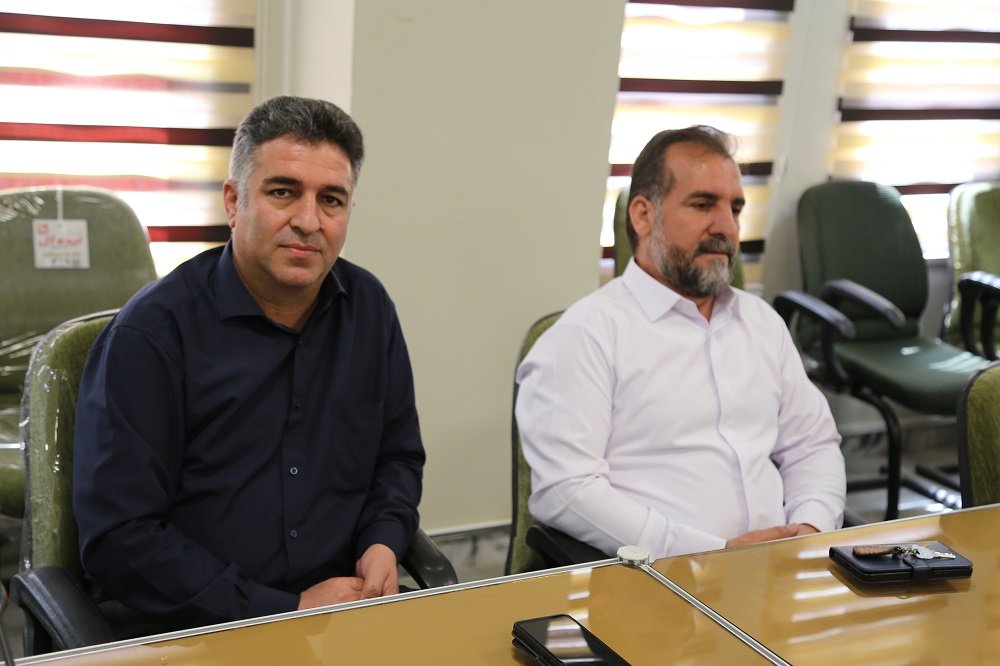
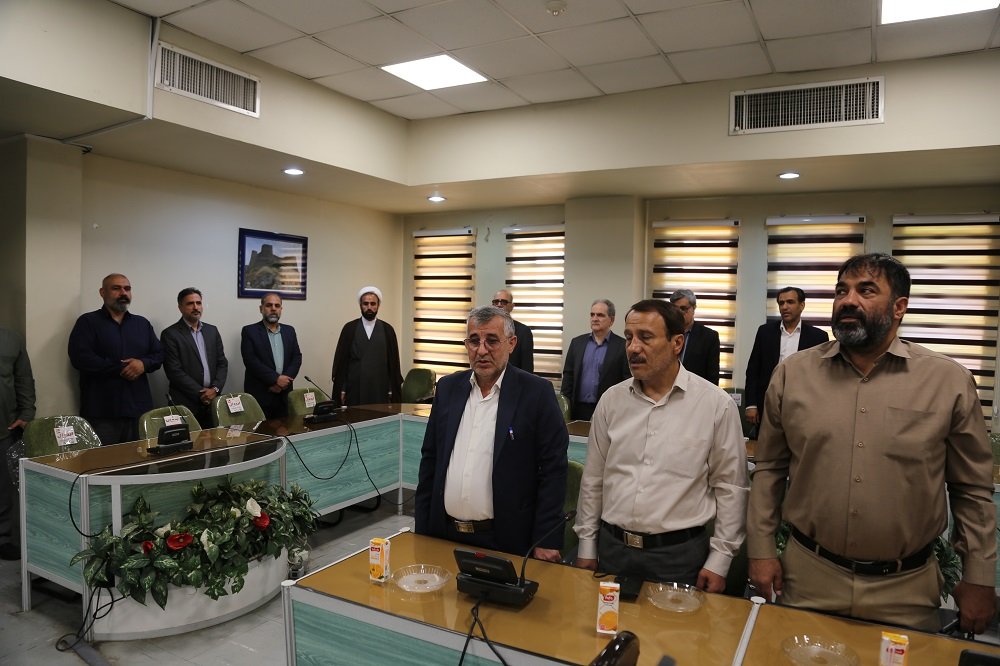
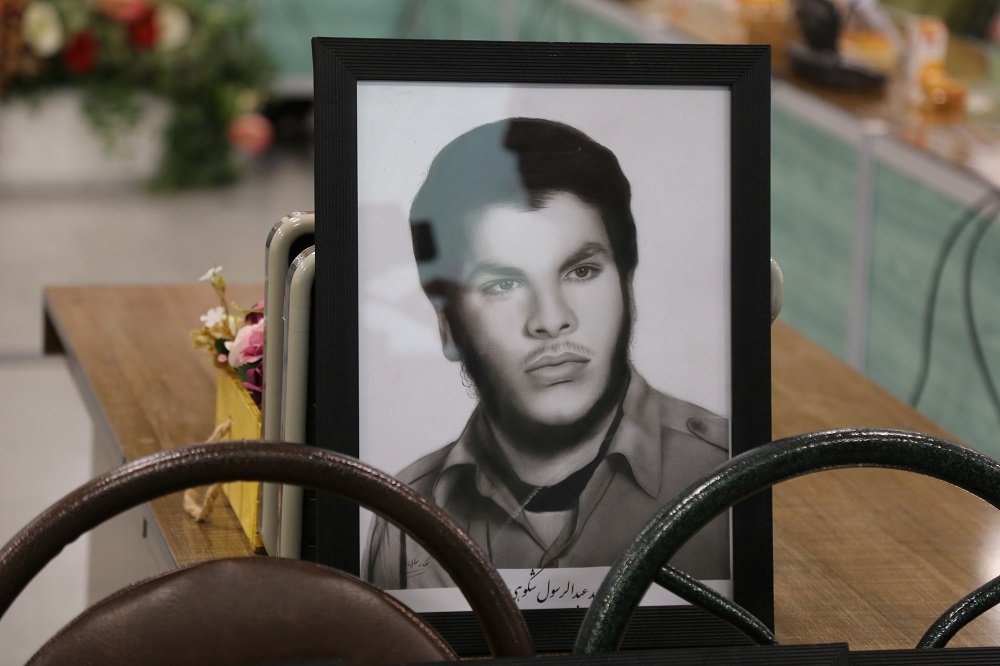
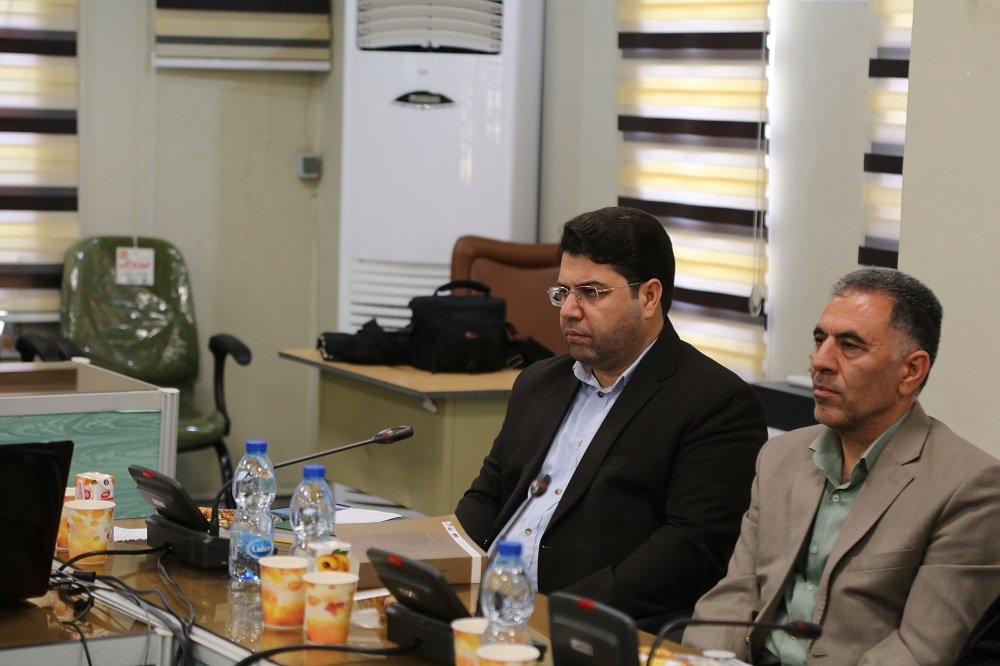
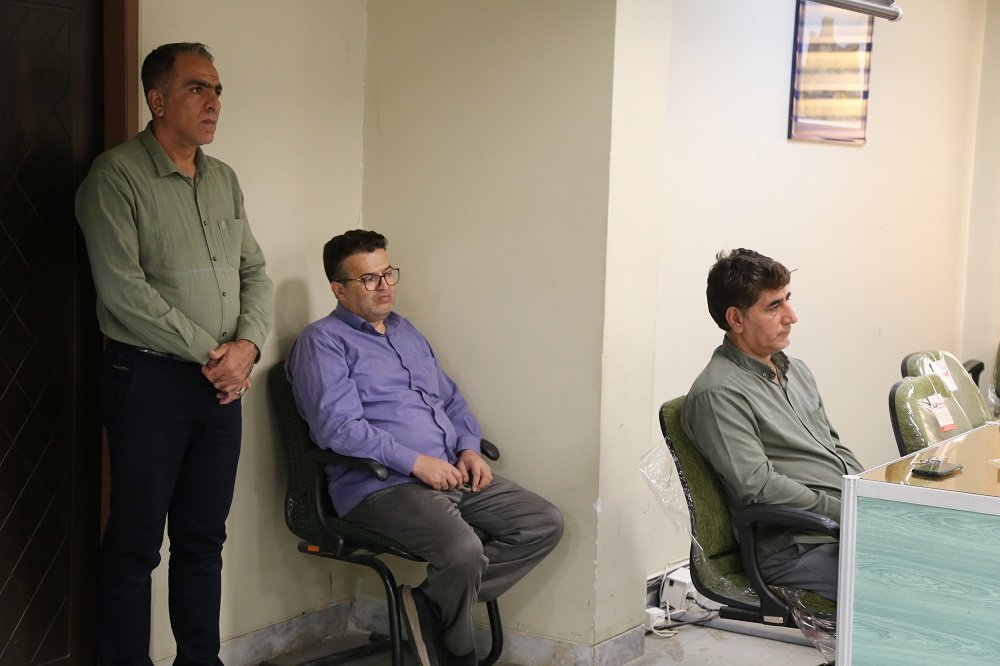
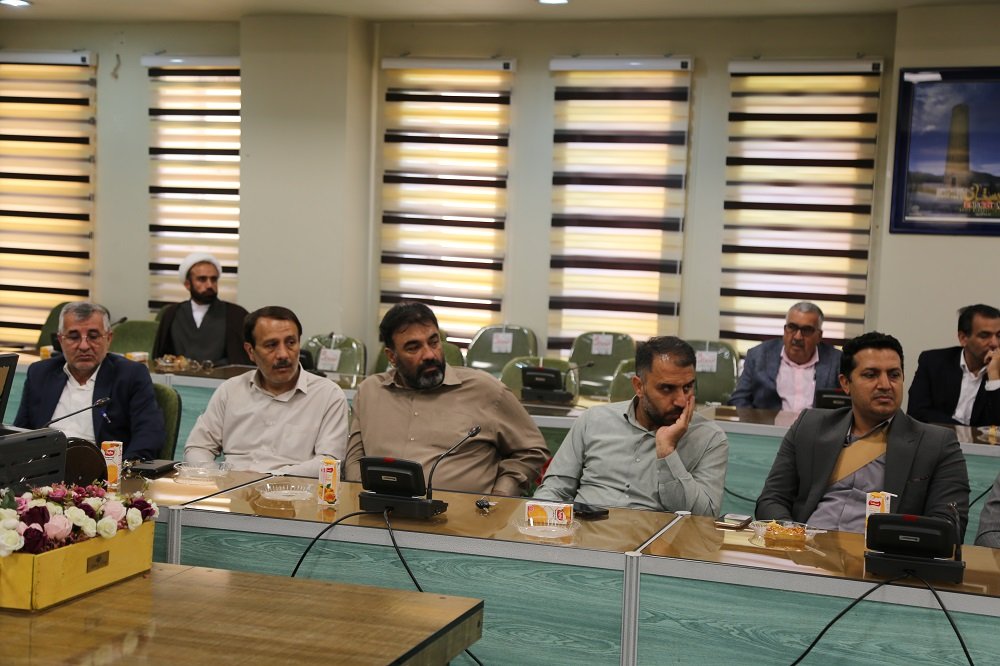
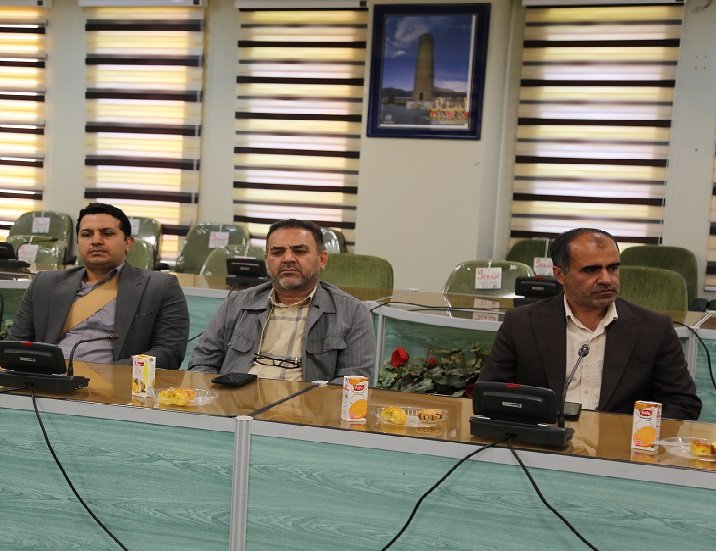
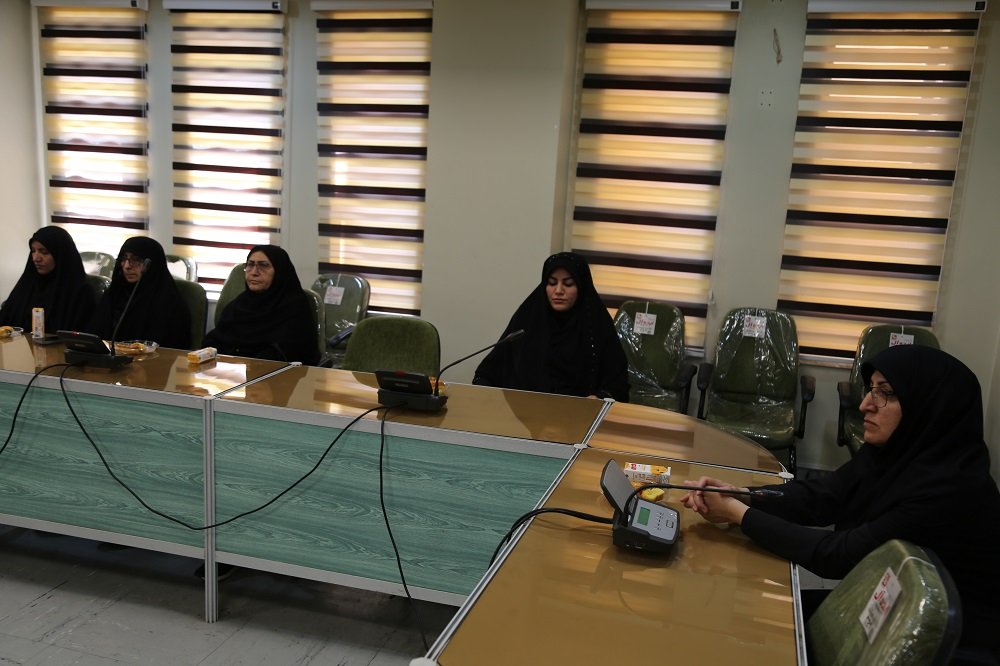
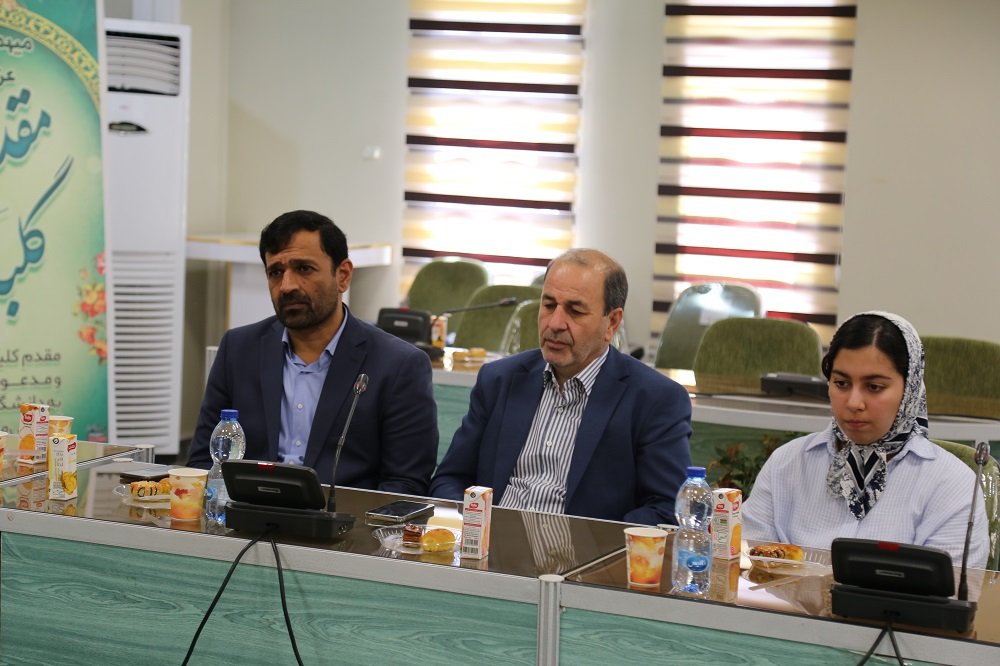
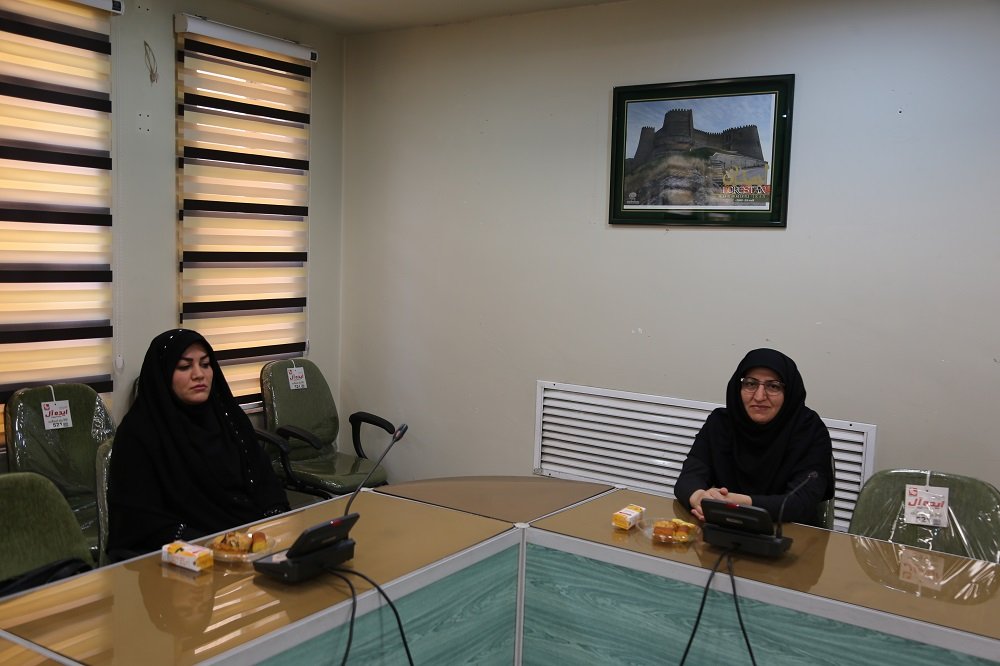
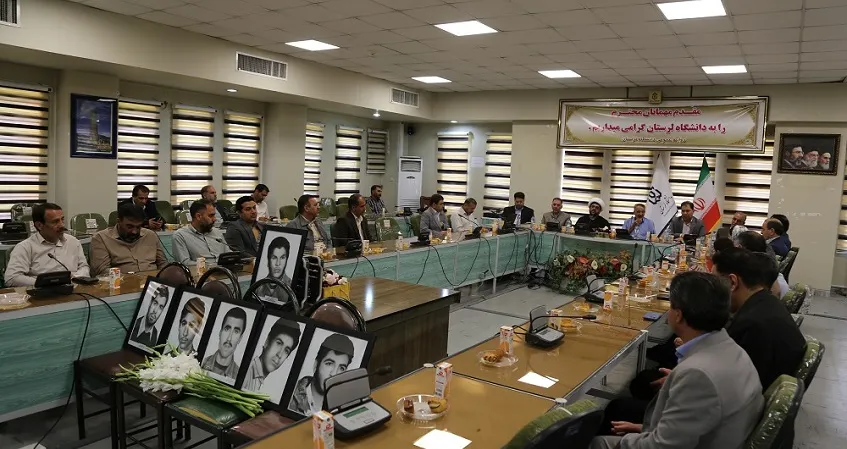
Lorestan University, concurrently with the third of Khordad, the anniversary of the liberation of Khorramshahr, held a ceremony to commemorate the memory and name of the esteemed martyrs of the Beit-ol-Moqaddas and Haj Omran operations.
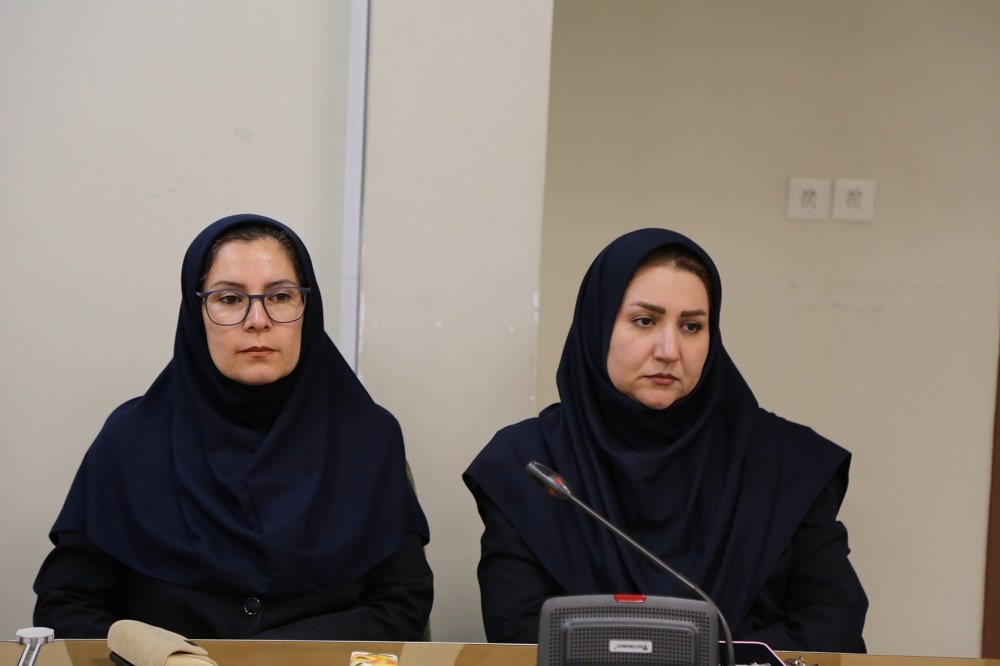
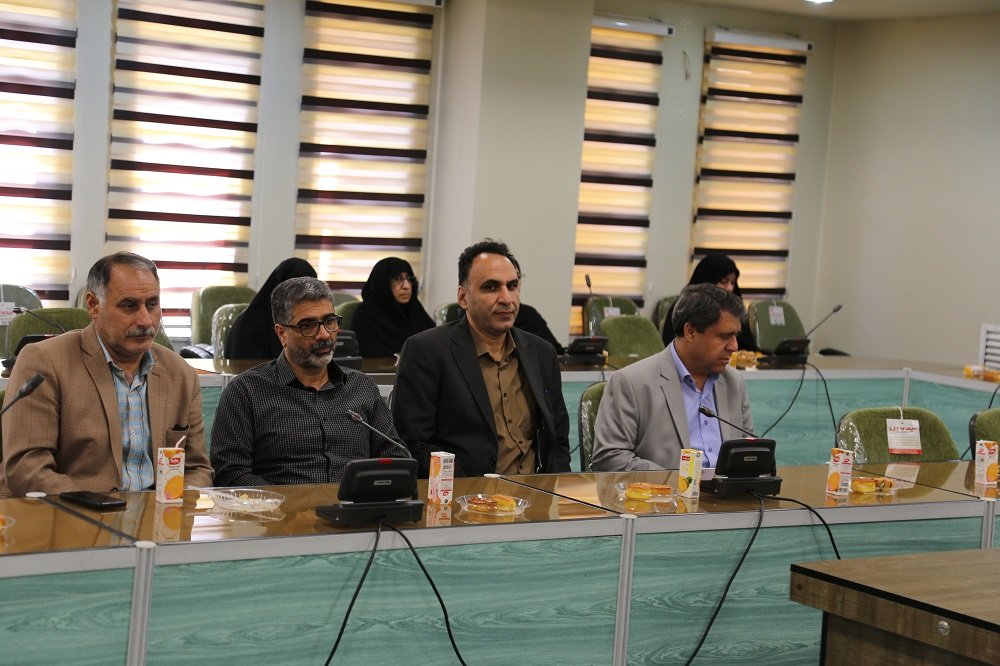
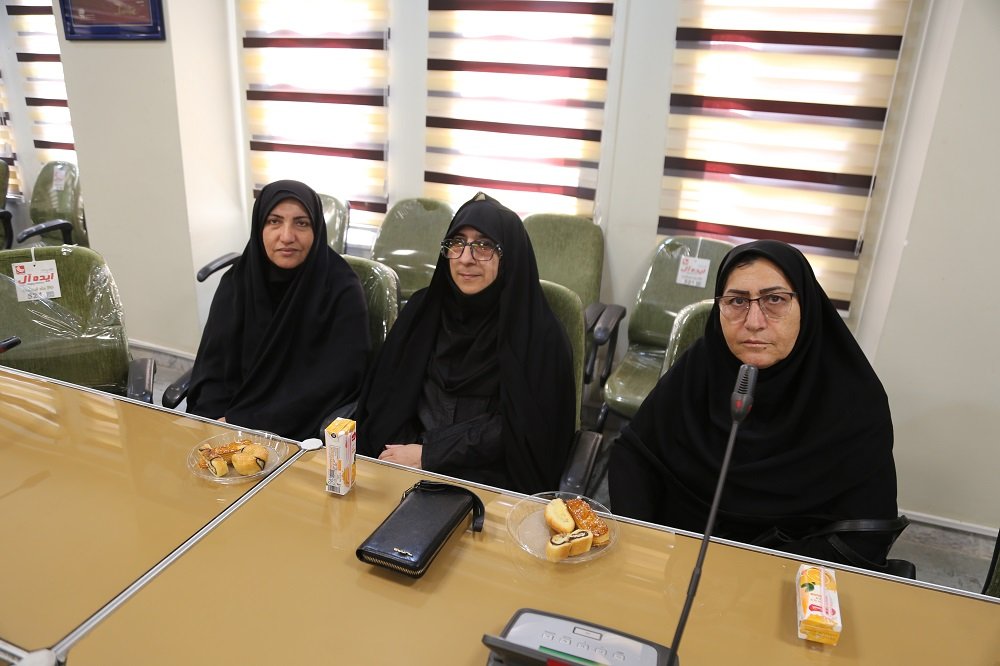
According to the Public Relations of Lorestan University, this ceremony was held on Sunday, the third of Khordad this year, by the Department of Martyrs and Veterans Affairs of Lorestan University in cooperation with the Vice-Chancellor for Cultural and Social Affairs and the Basij of Professors of the University.
The martyred leader of the revolution sacrificed their lives like Hussein so that Iran and Iranians would remain proud.
The President of Lorestan University, in this ceremony, while commemorating the memory and name of the proud martyrs of Iran, especially the martyred leader of the revolution and the martyrs of the Beit-ol-Moqaddas and Haj Omran operations, said: "The martyrs, especially the martyred leader of the revolution, offered their lives like Hussein so that Iran and Iranians would remain proud."
Dr. Mehrdad Dadestani explained: "The Iranian nation is proud of the existence of the proud martyrs; commanders and soldiers have always been at the forefront of martyrdom, and this is a source of pride."
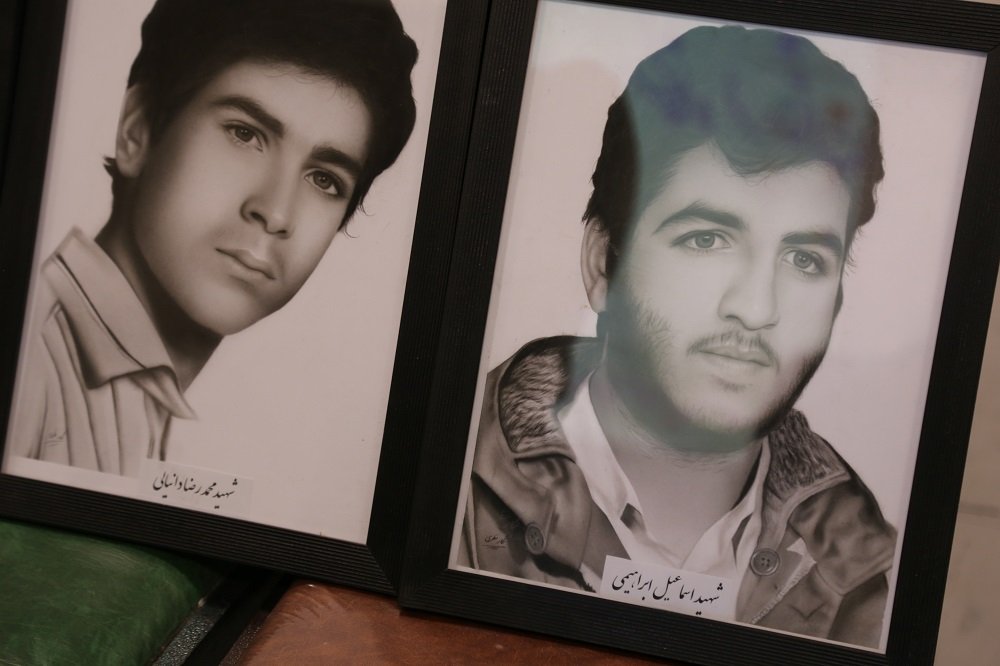
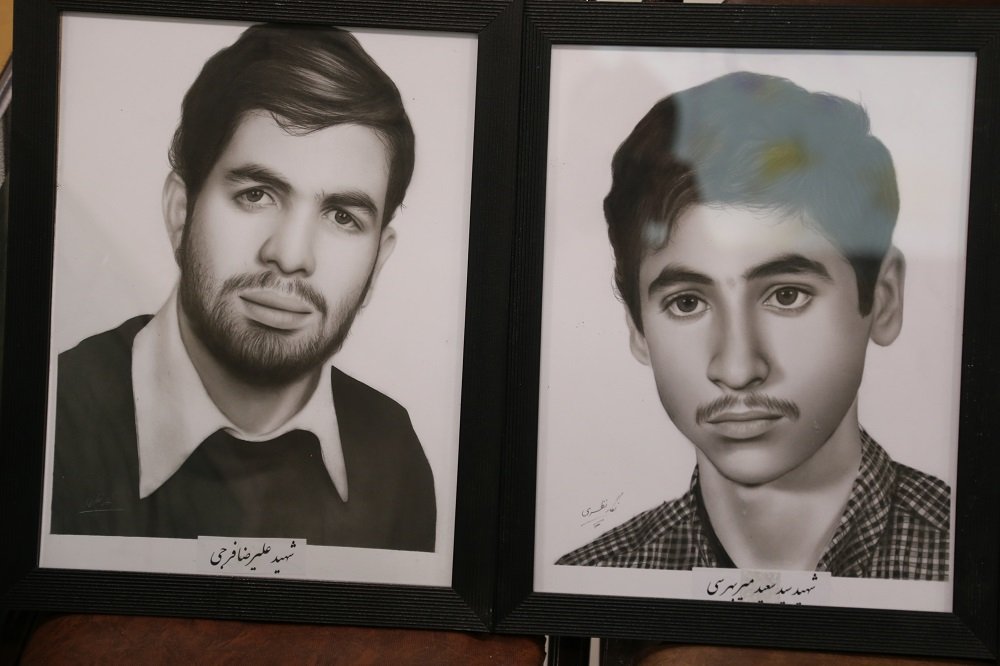
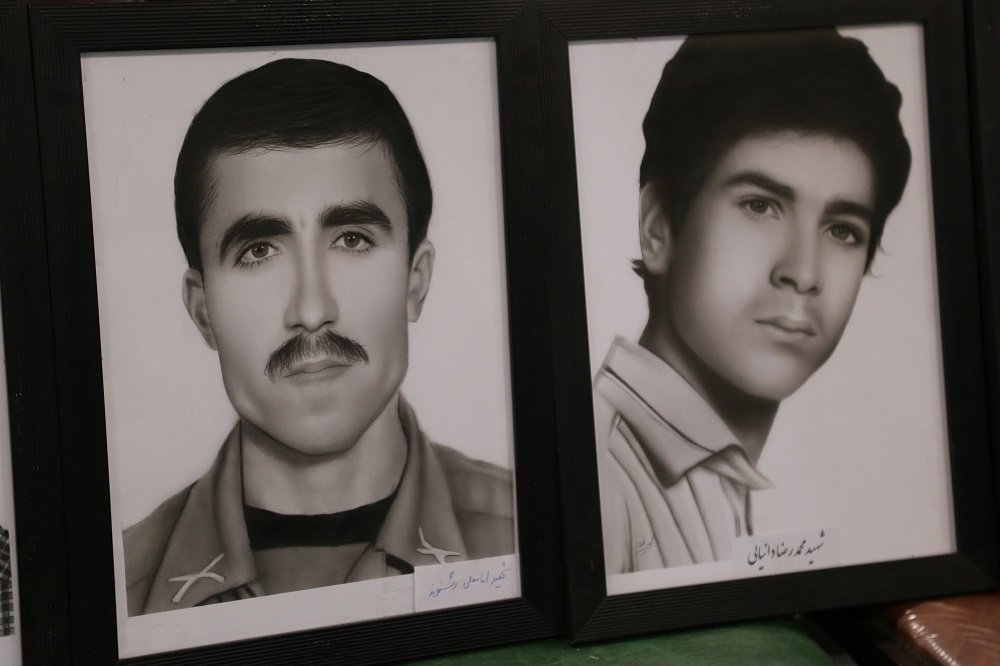
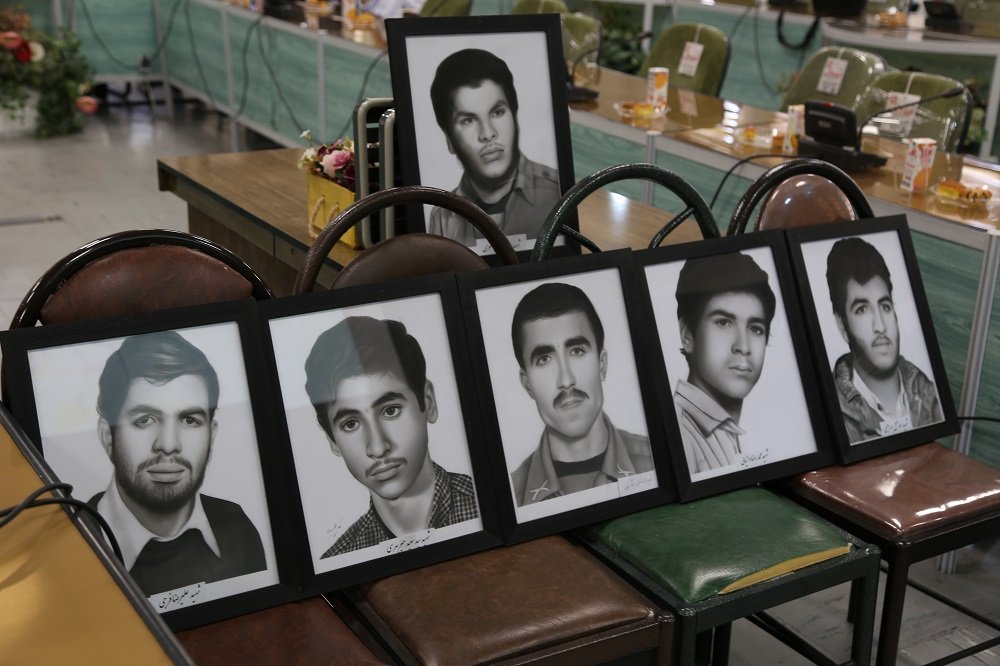
In another part of his speech, Dr. Dadestani commemorated the memory and name of the six martyr students of Lorestan University who reached the high rank of martyrdom in the Haj Omran operation.
He stated: "The Ramadan War and the 12-day war distinguished the good from the bad and showed us that the commanders and soldiers of the armed forces of the Islamic Republic of Iran sacrificed themselves for Iran and the nation; in my opinion, the most Iranian Iranians are the martyrs; the martyrs are the teachers of the school of sacrifice and resistance."
The President of Lorestan University added: "The war clearly showed the role of universities; the technological achievements of dear Iran in the war are due to the efforts of scientists and university professors; for this reason, one of the goals of the enemies has always been to assassinate Iranian scientists; because the enemies are against the scientific power and authority of the country."
Dr. Dadestani explained: "The role of the people in the war was very important; the presence of people with all kinds of tastes in the streets to support the homeland gave us all a great lesson; that we should always be grateful to the people; our people are sacrificing their lives for Iran; if the people have legitimate criticisms in some cases, we should pay attention to the demands of the people; at the same time, we are witnessing that the people have stood unitedly for Iran and the revolution against the aggressions of the enemy."
He stated: "The Ramadan War proved that the establishment of American military bases is not to defend the countries of the region, but to defend the existence of the Zionist regime and the security of this regime; these bases could not stand against the will and anger of the great Iranian nation."
The President of Lorestan University continued: "This war caused a deep rift between America and Europe, which is one of the blessings of the Ramadan War; the war showed that they cannot stand against a united and strong Iran."
Dr. Mehrdad Dadestani spoke about another important variable of the war; that the Iranian nation has ensured the security of the international waterway of Hormuz for centuries based on its own nobility; but if Iran wills, it can completely manage the Strait of Hormuz, which we saw in the Ramadan War, and this is a sign of Iran's power on a global level; because managing the Strait of Hormuz, on which the world's economy and energy depend, is itself one of the factors of Iran's power."
Dr. Dadestani continued: "From a political point of view, the world also accepted that Iran is right and Iran has been wronged; we see that the slogan of human rights in global forums is just a title; it is we ourselves who must, by relying on ourselves, stand up to defend Iran and Iranians."
He stated: "From a military point of view, it is also a source of pride that during the Sacred Defense and after that in the 12-day and Ramadan wars, not a single inch of Iranian soil was separated; this is strengthening the national pride of Iranians; national pride has been achieved with the self-sacrifice of commanders and soldiers; we are proud of this national pride."
He stated: "Another achievement of the recent war is the strengthening of the cohesion and unity of the nation; the nation became one voice; this is an achievement in itself; also, social and economic resilience against the enemies increased; let's not forget that Iran has grown and progressed despite all these unjust sanctions."
The President of Lorestan University noted: "Officials are also working diligently alongside the nation and soldiers to solve the problems of the people."
The important key to victory is divine faith and will.
The head of the offices of the representative of the Supreme Leader in the universities of Lorestan province, in his statements, while commemorating the martyrs of the Beit-ol-Moqaddas and Haj Omran operations, said: "After the fall of Khorramshahr, even the most optimistic people did not imagine that Khorramshahr would return to the embrace of the homeland, but Khorramshahr returned to the embrace of the homeland with the bravery and efforts of the great Iranian nation."
Hojjatoleslam Dr. Majid Moeidi explained: "During the Qajar and Pahlavi eras, we witnessed the separation of parts of the dear land of Iran; even during the Pahlavi era, we lost Bahrain without a war; but when Khorramshahr was occupied by the enemy, the efforts under the leadership of the Imam of the Ummah brought Khorramshahr back to the dear land."
Dr. Moeidi stated: "The key to victory from the perspective of Imam Khomeini (RA) was not just having equipment, but faith and monotheism and seeking help from God Almighty, along with will; this is the great lesson of Imam Khomeini (RA) that the martyred leader of the revolution also continued and strengthened this path; because this is a school derived from the teachings of Islam; trust in God is the best tool for victory."
He stated: "In the 12-day and Ramadan wars, we also witnessed the manifestation of the same school that led to the liberation of Khorramshahr; the front of truth won in the 12-day and Ramadan wars; the brave soldiers, with their self-sacrifice, brought victory for the great Iranian nation."
Hojjatoleslam Moeidi noted: "We have achieved many great successes in the field of hard jihad, but in the field of explanatory jihad, efforts should be increased so that more successes can be achieved in this field as well."
Khorramshahrs are ahead / Soft war is, by far, more difficult than hard war.
In this ceremony, Dr. Gholamhossein Hosseini, the head of the Basij Organization of Professors of Lorestan Province, referred to one of the statements of the martyred leader of the revolution, who said, be careful, Khorramshahrs are ahead.
Dr. Hosseini explained about this statement of the martyred leader of the revolution that today the enemy does not have the ability and courage to launch a ground attack on Iran because during the Sacred Defense, thanks to the creation of epics such as the epic of the liberation of Khorramshahr, the world saw the military and popular power of Iran, but today we are also witnessing a paradigm shift from hard war to soft war.
Based on soft war, the enemy tries to conquer minds instead of conquering territory, and we know that if the mind is conquered by the enemy, then that same mind will be ready to hand over the territory to the enemy.
The head of the Basij Organization of Professors of Lorestan Province used the word "massacre of mind and soul" to describe the tactics of the enemy's soft war and explained that if a person's mind fails in the battle with the enemy's first narrative, then the person's intellectual and mental authority will be at the disposal of the enemy; therefore, soft war is, by far, more difficult than hard war.
He stated that we must be more careful than ever about minds and redouble our efforts in the soft war and explanatory jihad; of course, a person who wants to be active in the field of explanatory jihad must have the knowledge of this work and, on the other hand, have the power of expression and speech and writing.
Voluntary presence of the people to defend Iran and the revolution
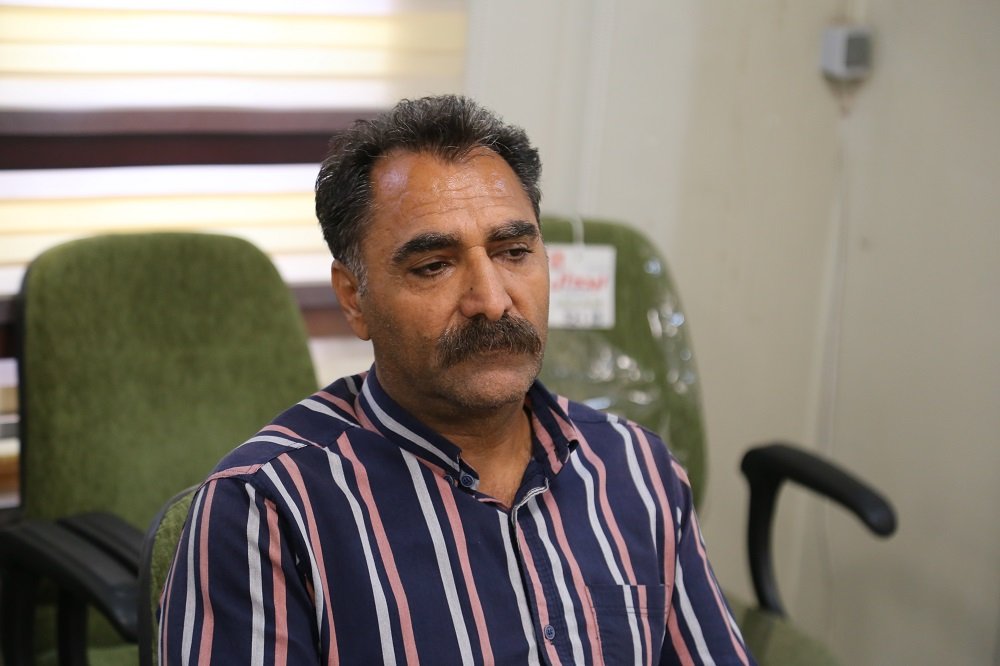
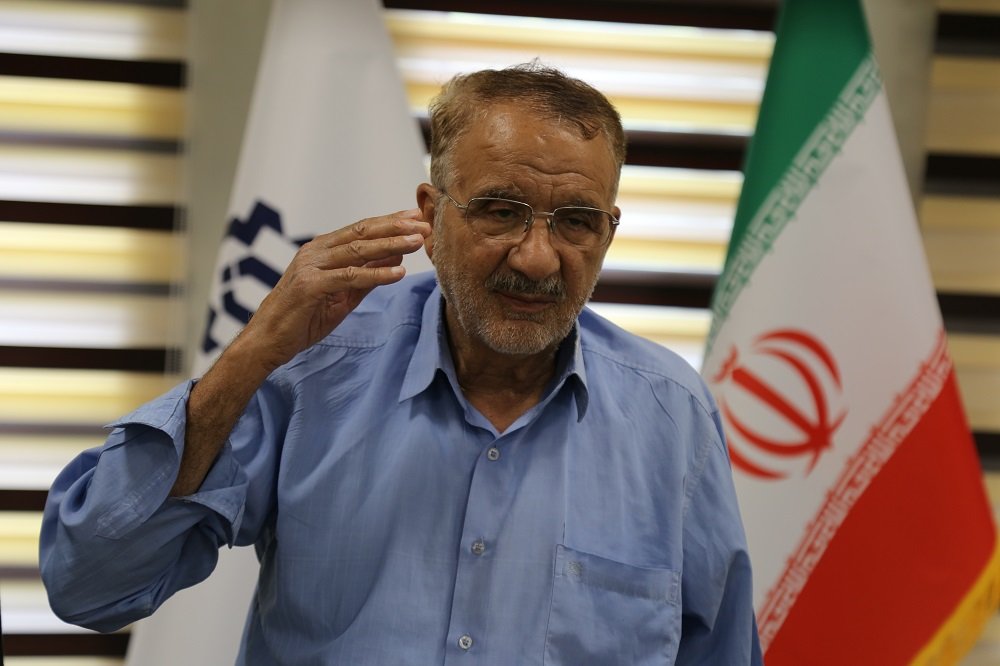
In this ceremony, Sardar Mostafa Ashena, a veteran soldier of the Sacred Defense era who is a veteran of the homeland, in his speech, recounted his memories of the Beit-ol-Moqaddas operation (liberation of Khorramshahr).
Sardar Ashena, in his speech, spoke about the important role of the people in participating in the Sacred Defense and explained that women also played a role alongside men, which in itself speaks of faith, belief, and courage.
He explained that before the fall of Khorramshahr, the armed opposition groups carried out terrorist acts to prepare the ground for an attack on Iran.
He explained that before the occupation of Khorramshahr, for 45 days, the children of Khorramshahr, Lorestan, the navy, and other forces resisted the enemy's aggression with any means and women also played an active role in this national resistance.
In another part of his speech, he explained the memories of how he became a veteran.
Storytelling of the bravery of the soldiers of the Sacred Defense era
Dr. Mostafa Mohammadi-Zaroon, the director of Martyrs and Veterans Affairs of Lorestan University, in his speech, dedicated his main words to recounting memories from the Sacred Defense era in order to explain the efforts of the people during the Sacred Defense era more than ever.
In another part of his speech, Dr. Mohammadi-Zaroon commemorated the memory and name of the six martyr students of Lorestan University and also provided explanations about the martyrdom of these esteemed martyrs.
Presentation of the book "Yar Ashena" to the President of Lorestan University
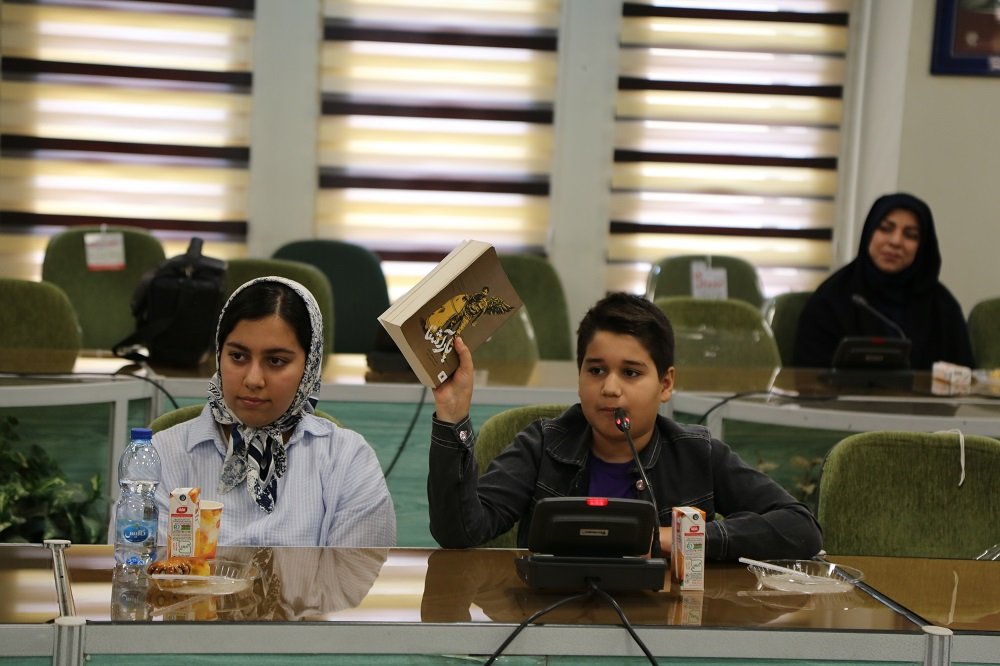
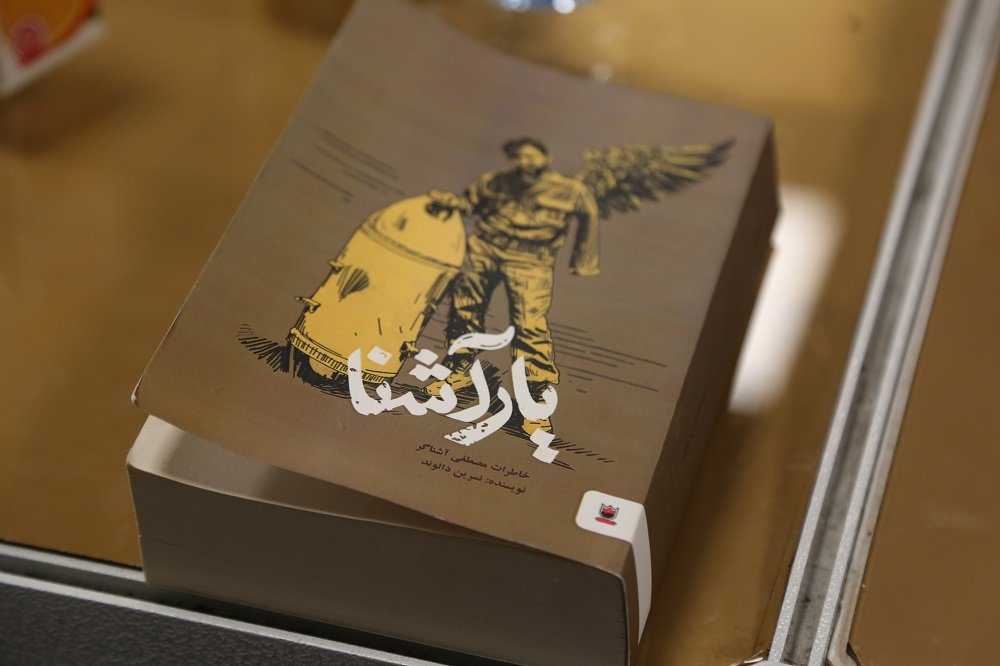
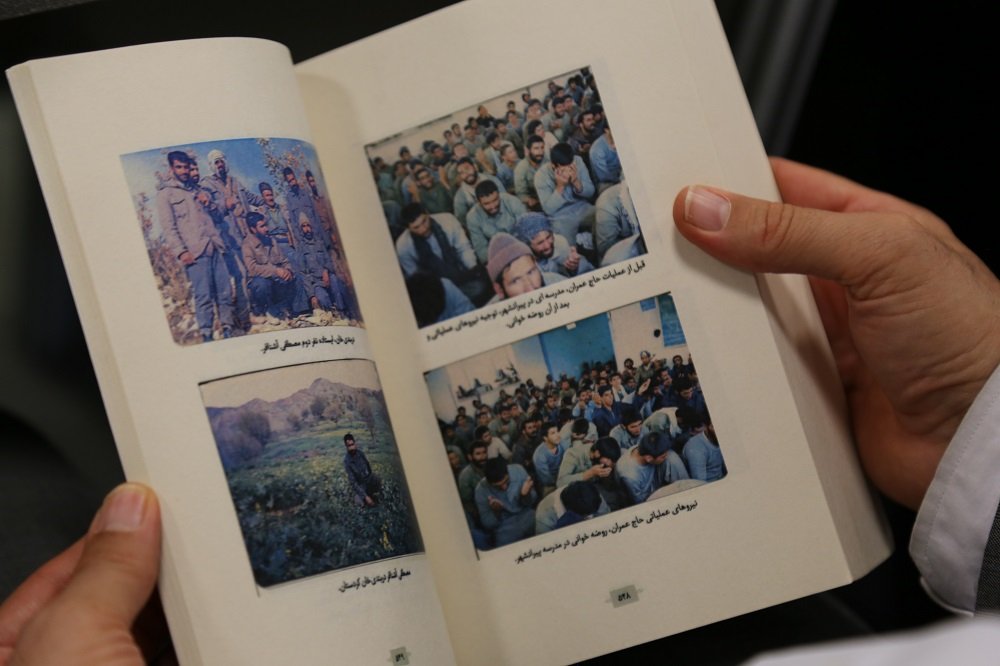
At the end of the meeting, the grandson of Sardar Ashena presented the book of memories and photos of the Sacred Defense of this brave soldier to Dr. Mehrdad Dadestani, the President of Lorestan University. The title of the book is "Yar Ashena".
Renewing the covenant with the martyrs
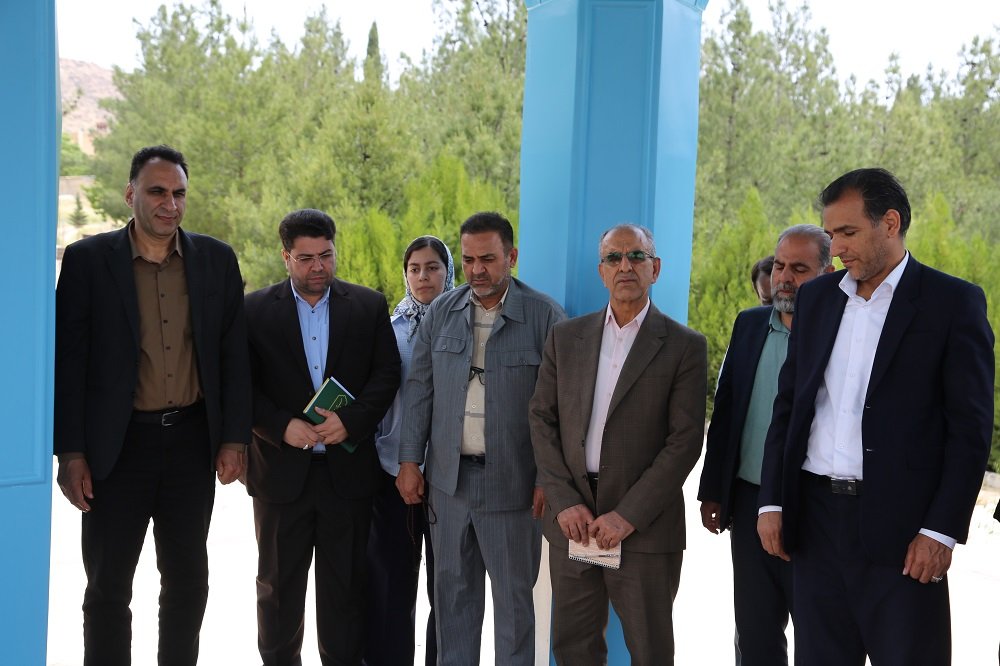
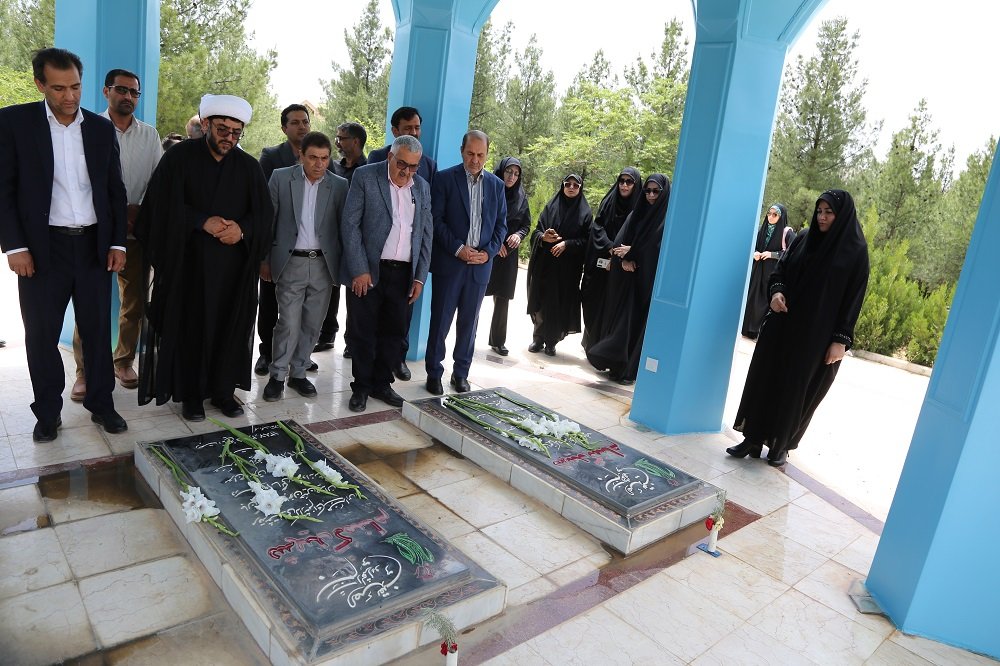
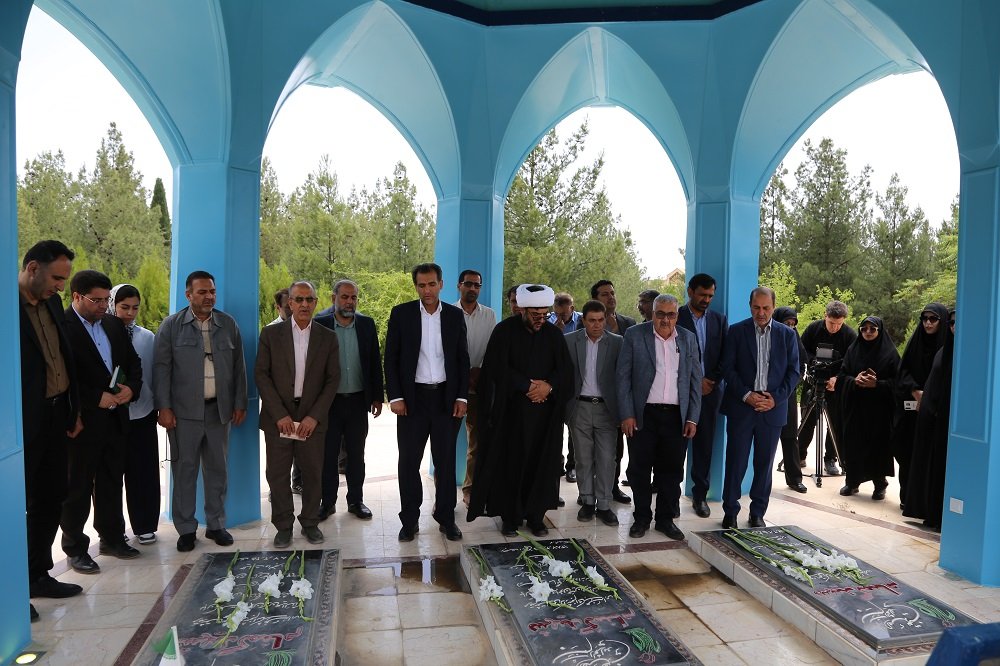
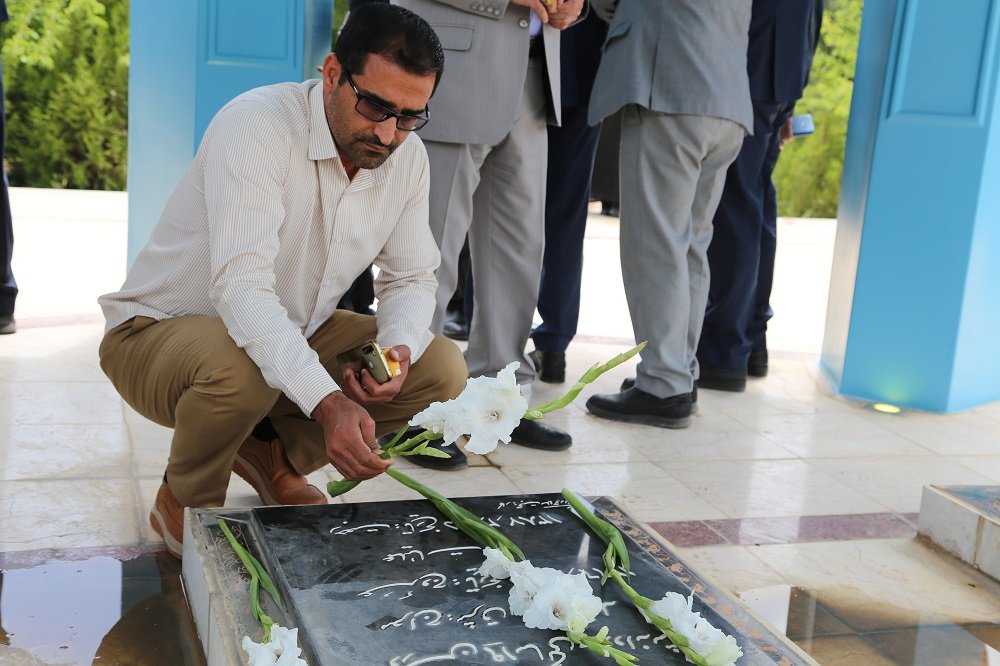
After the meeting, the attendees went to the tomb of the three unknown martyrs of Lorestan University and, by reciting Fatiha, paid their respects to the high position of the martyrs of the homeland and renewed their covenant with the ideals of the martyrs.