
Holding of the Provincial Governance and Legislation Think Tank Session at Lorestan University / Emphasis on Identifying Cultural Drivers and Place Branding
 Sep 02, 2026
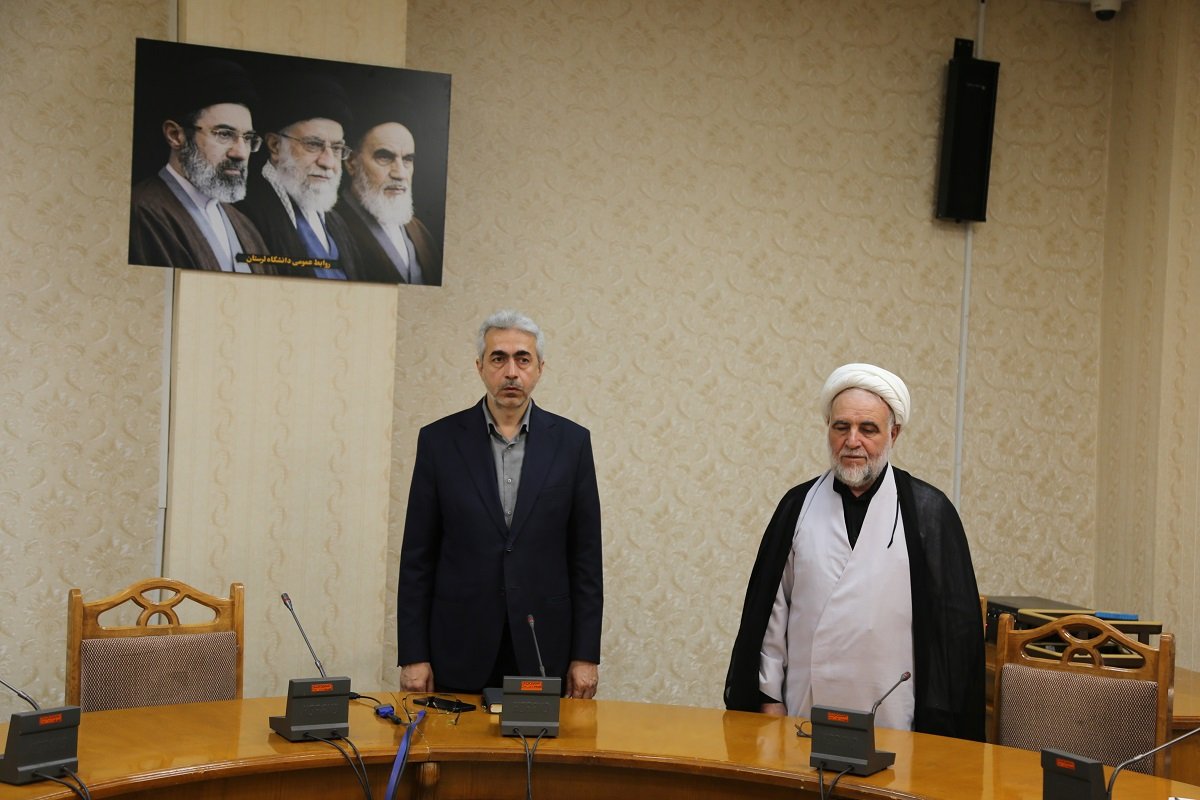
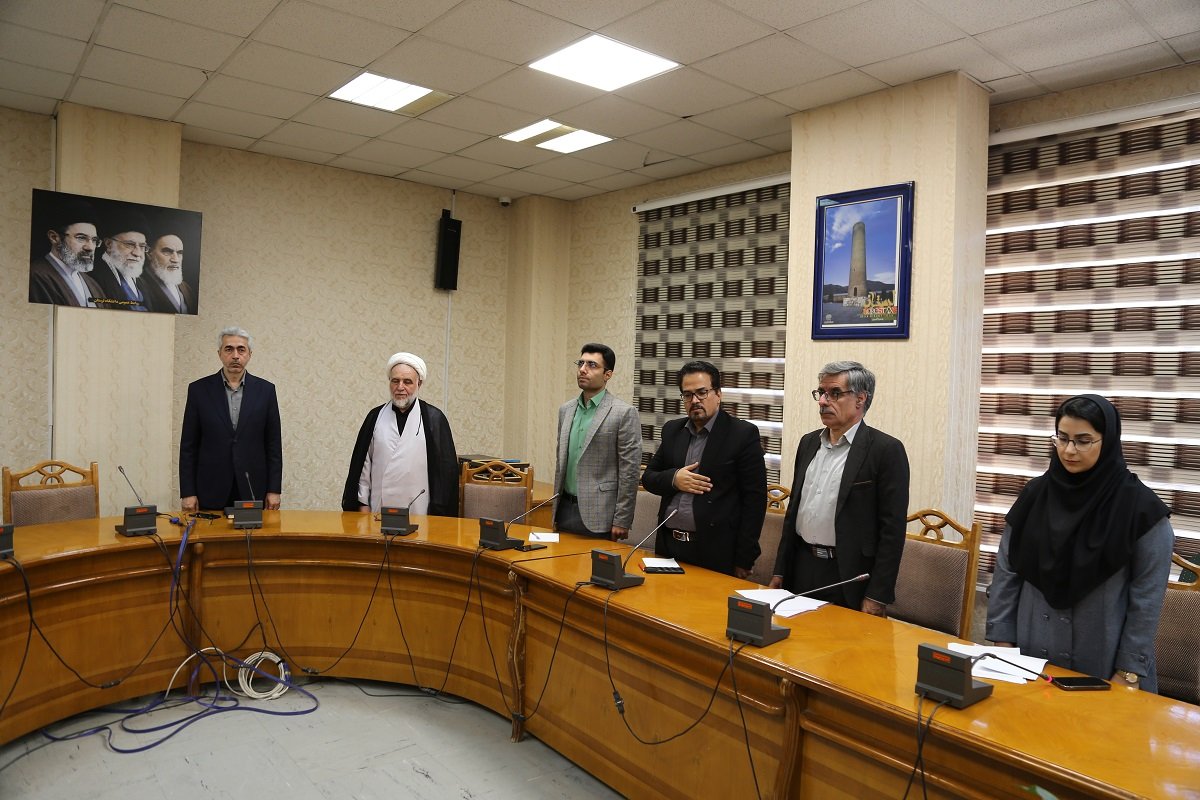
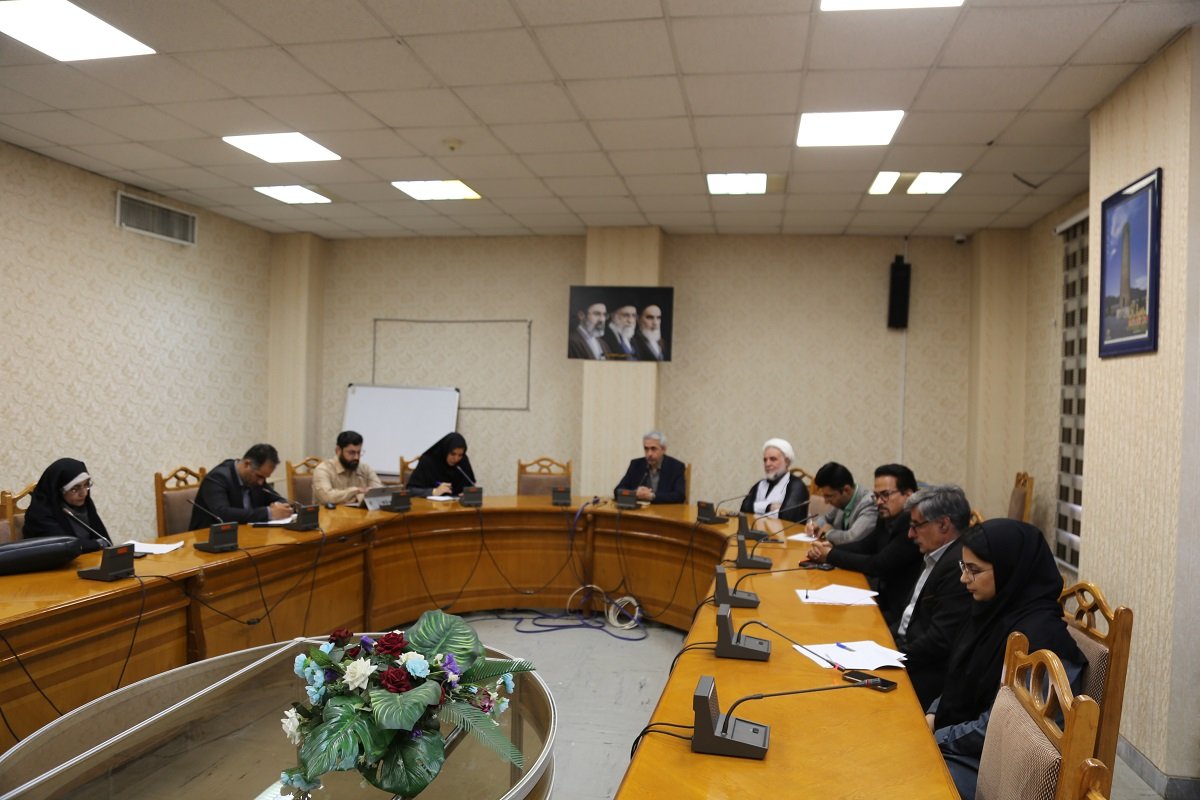
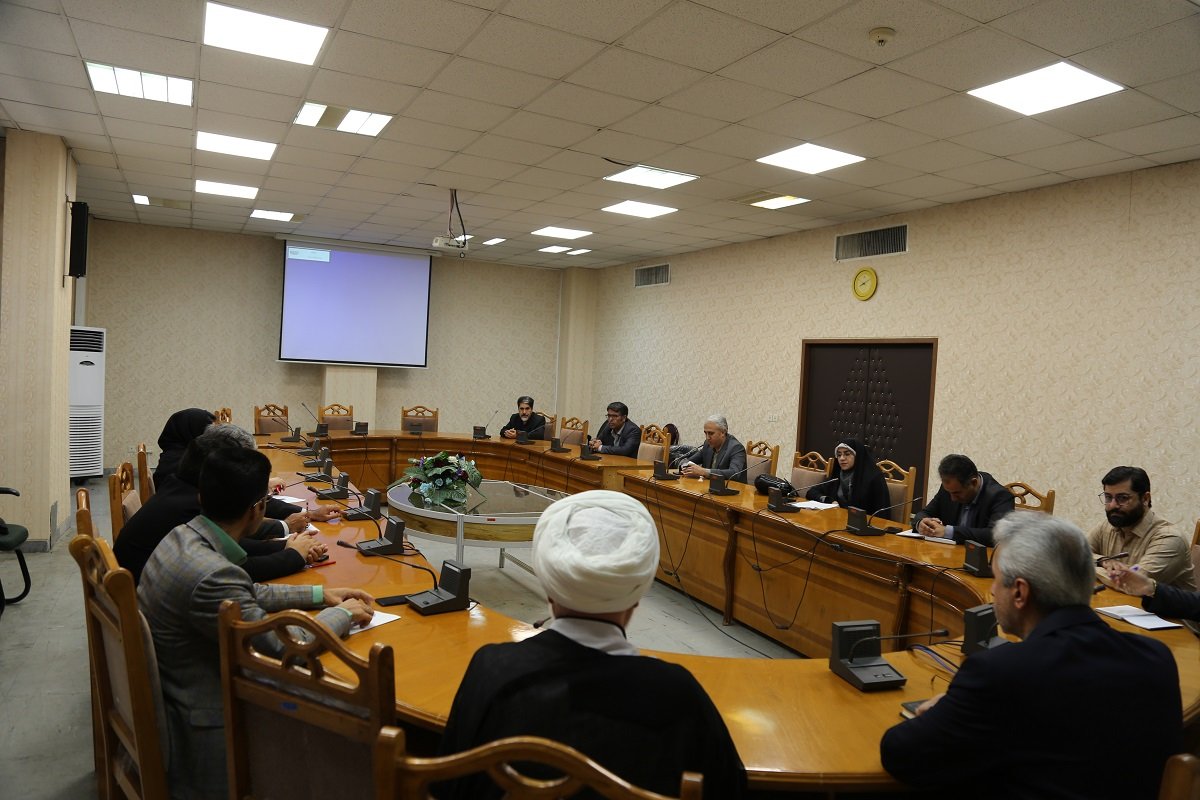
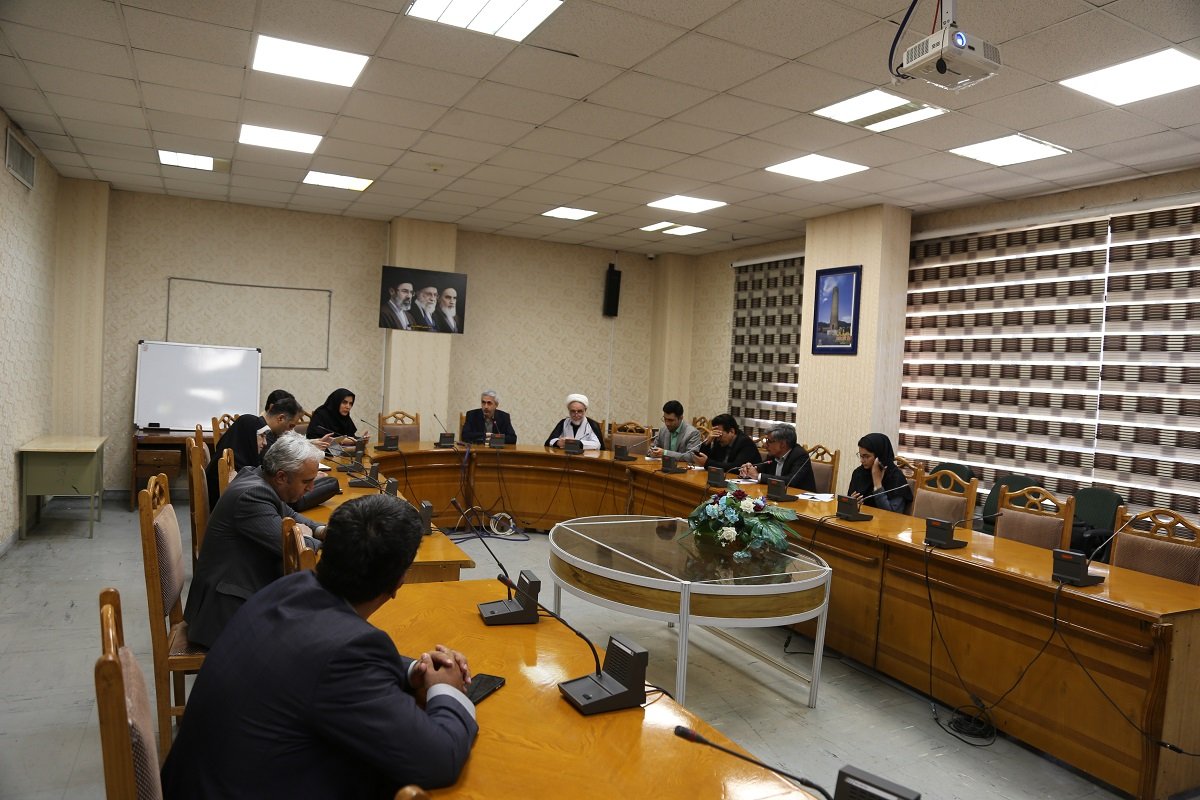
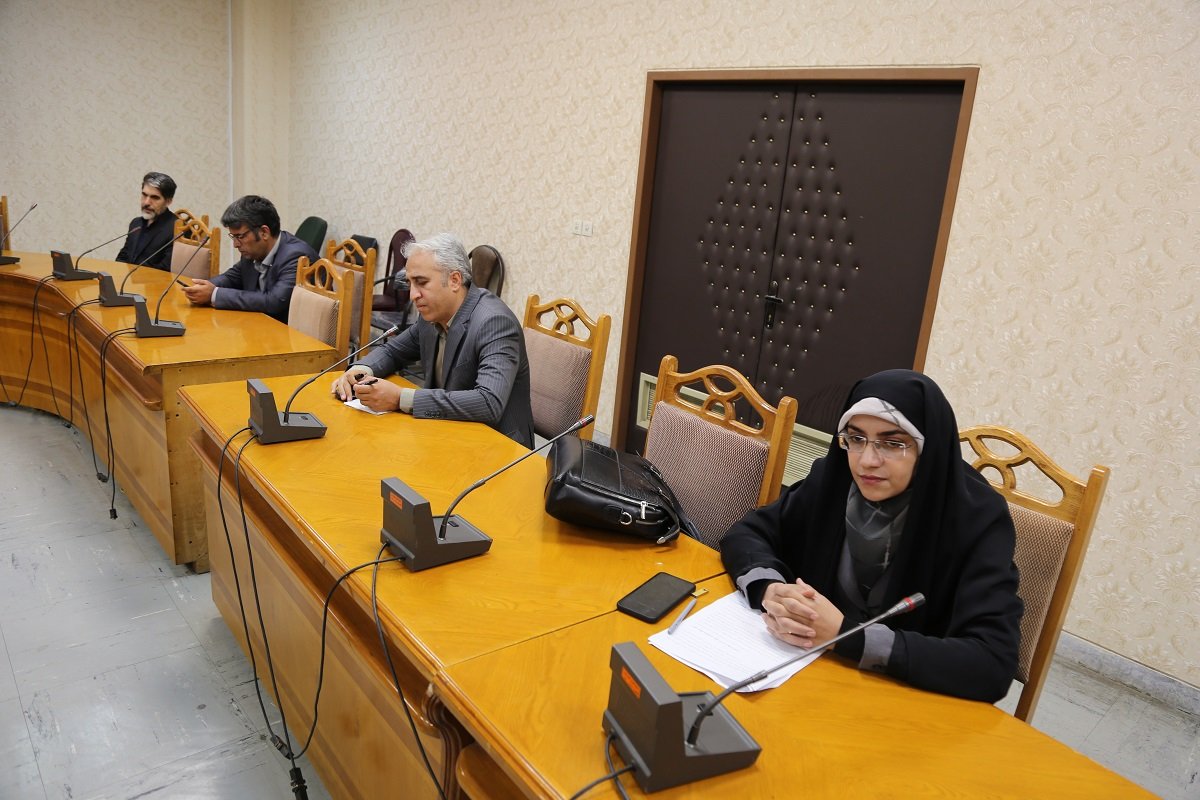
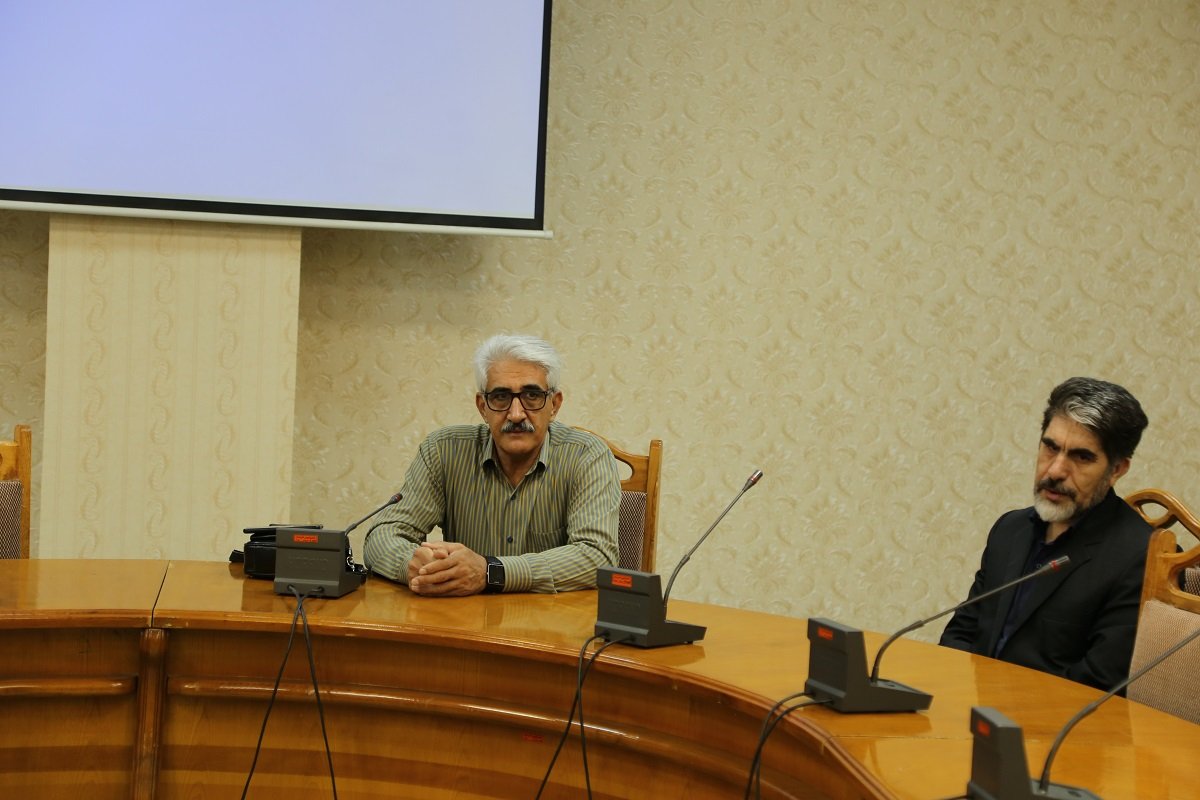
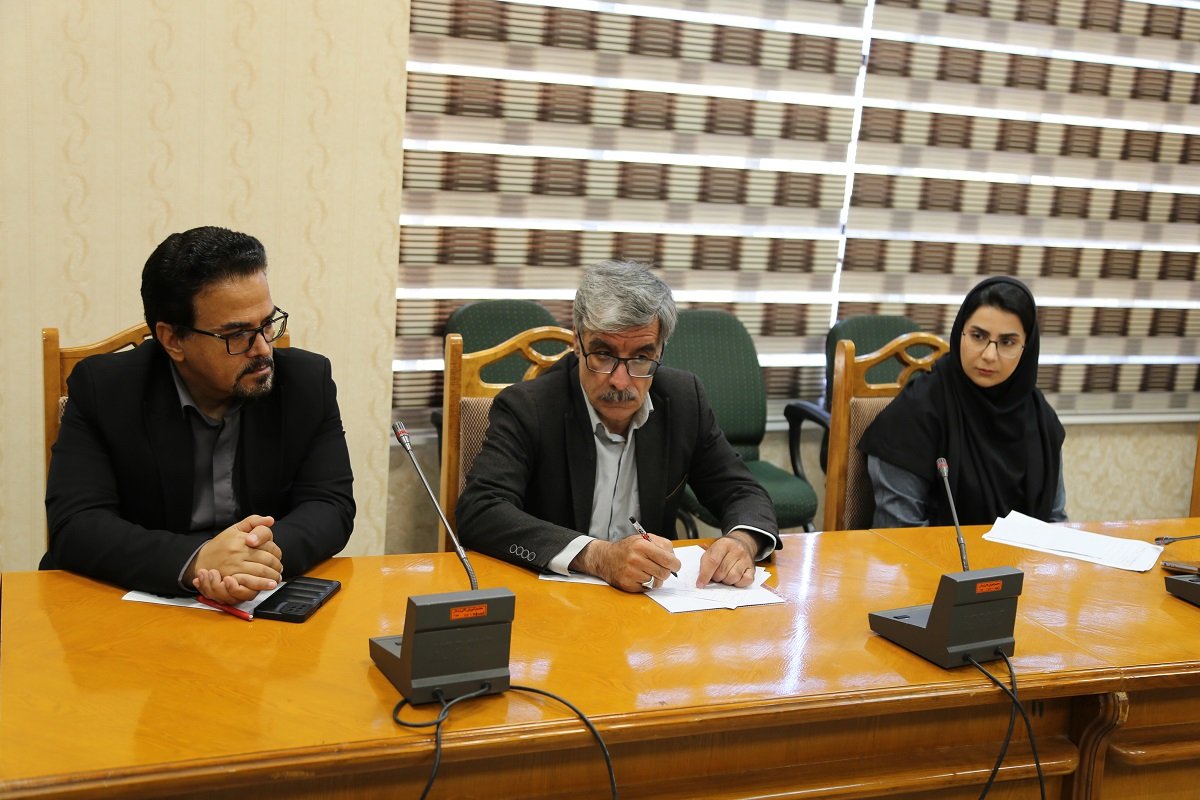
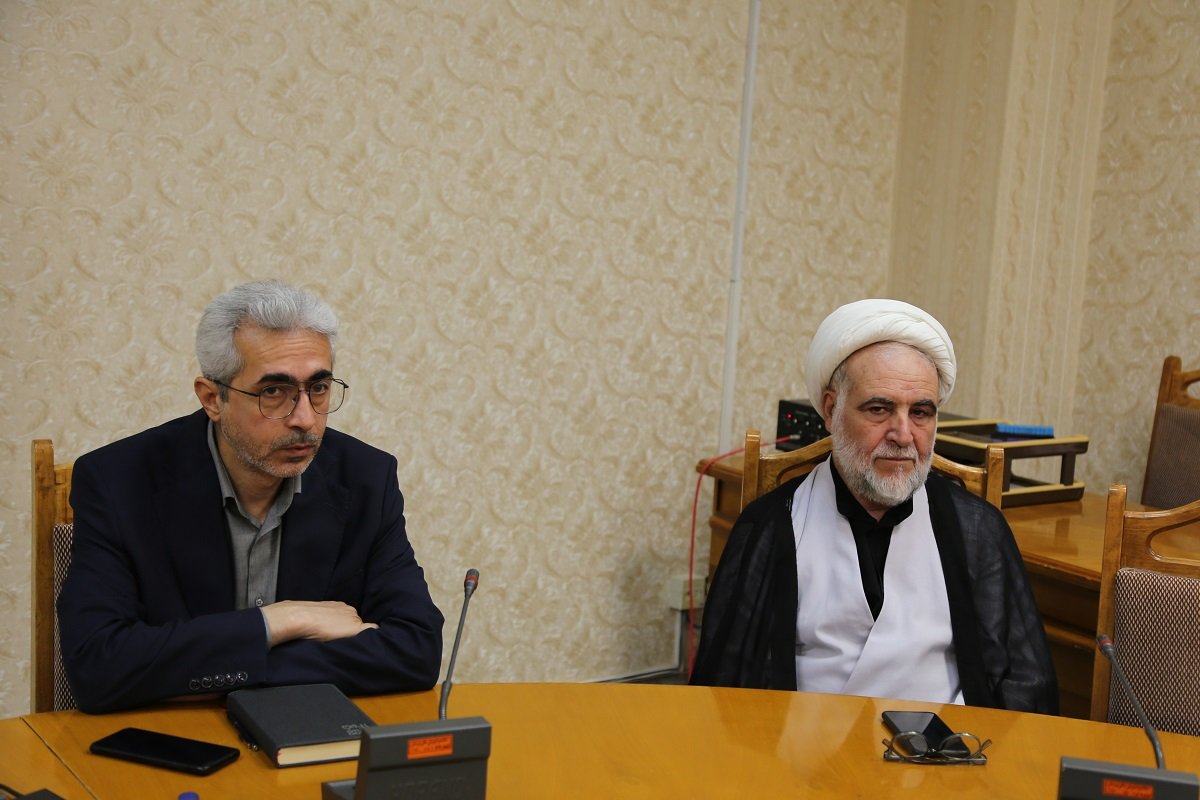
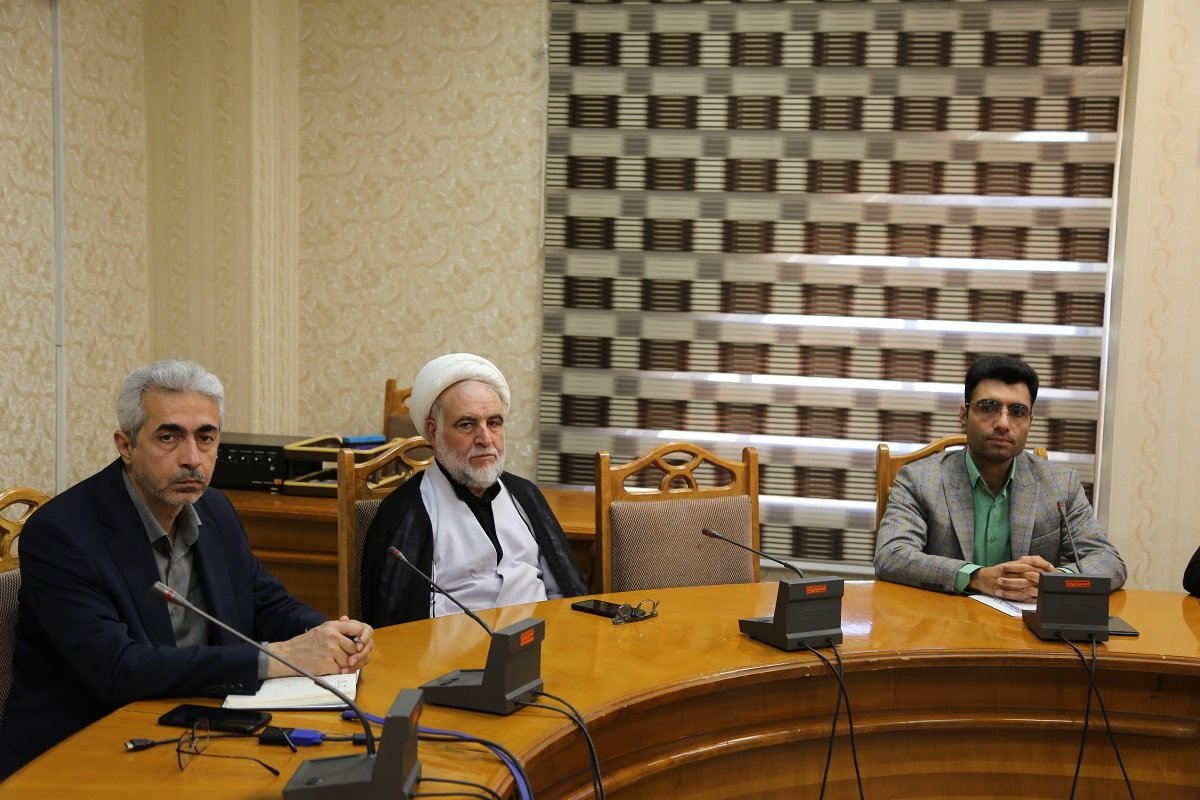
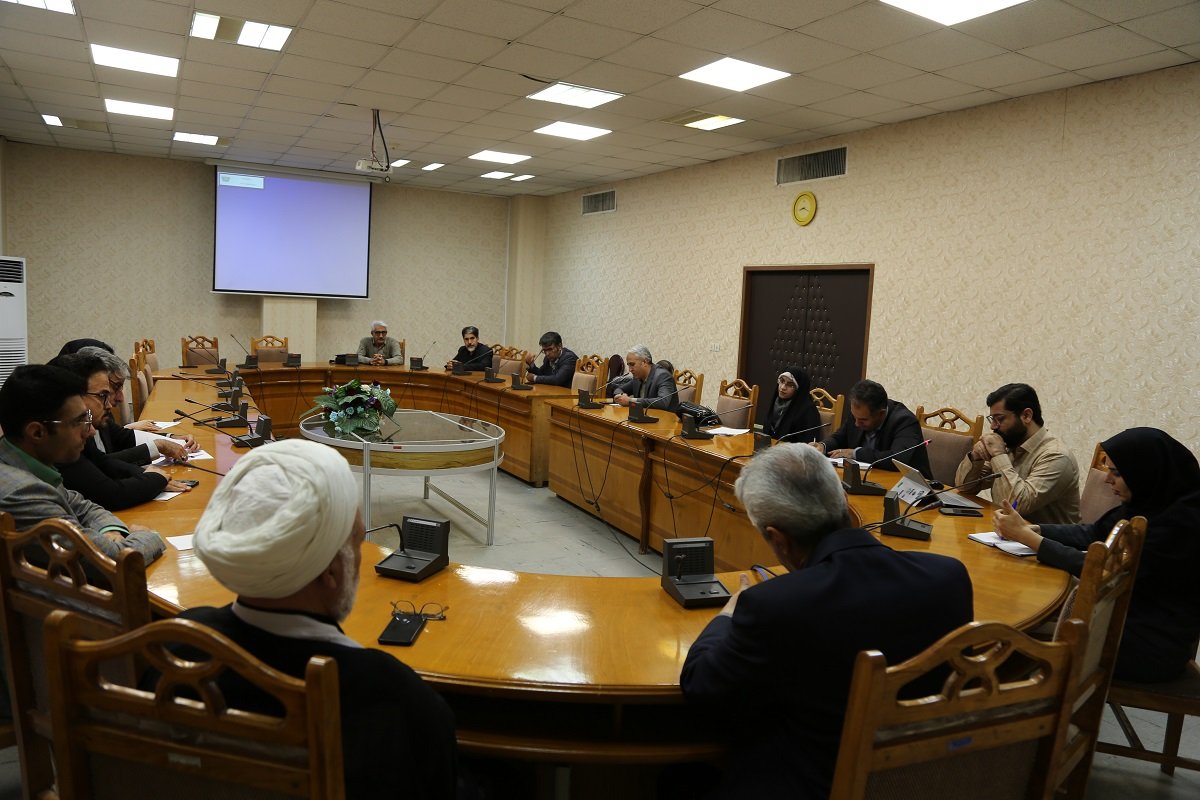
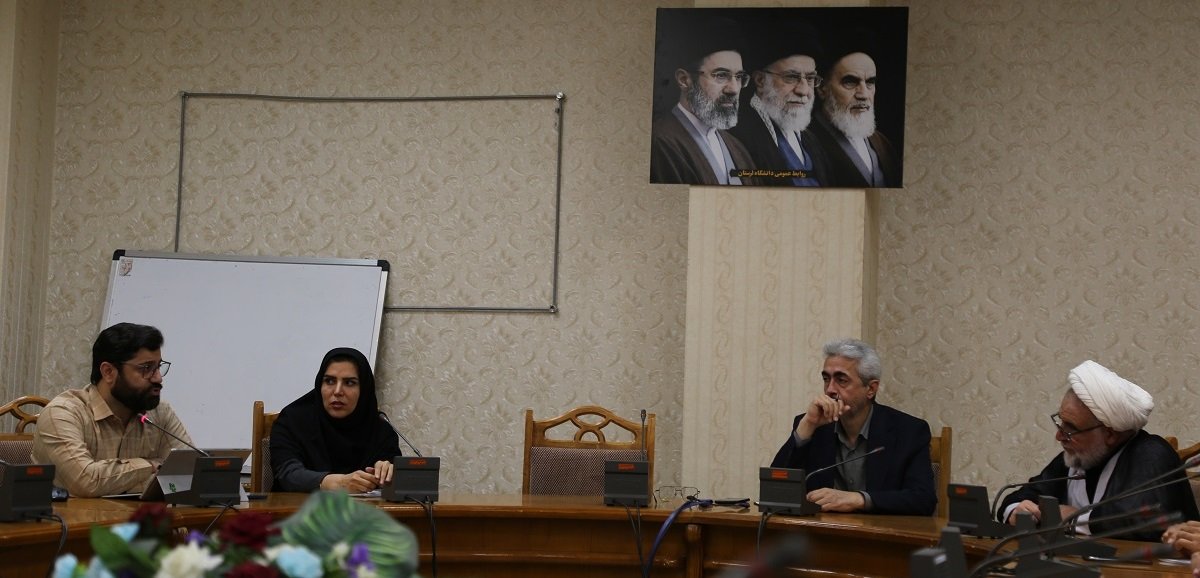
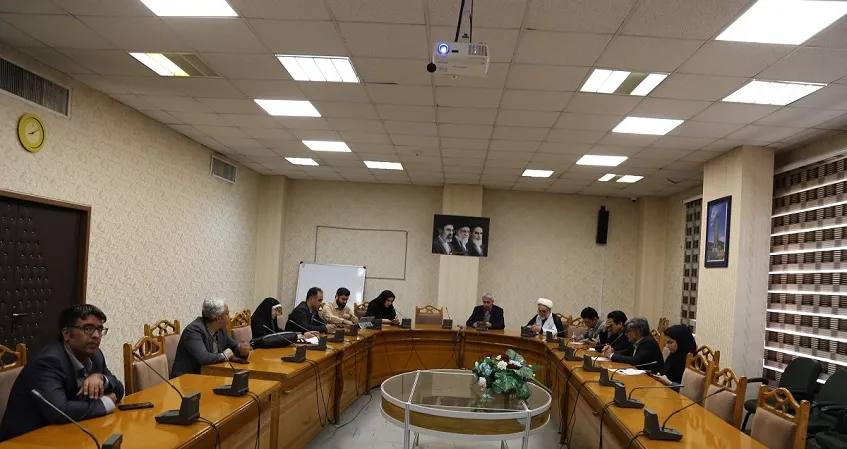
With the presence of Dr. Omid Omidi-Shahabad, the Economic Deputy Governor of Lorestan Province, the sixth meeting of the Governance and Legislation Think Tank of Lorestan Province, on the subject of examining the cultural issues of the province (capacities and challenges ahead in the cultural domain), was held on Wednesday, September 2, 2026, in the Shahid Rashvand Hall of Lorestan University.
Lorestan possesses unparalleled capacities for the development and strengthening of its cultural position.
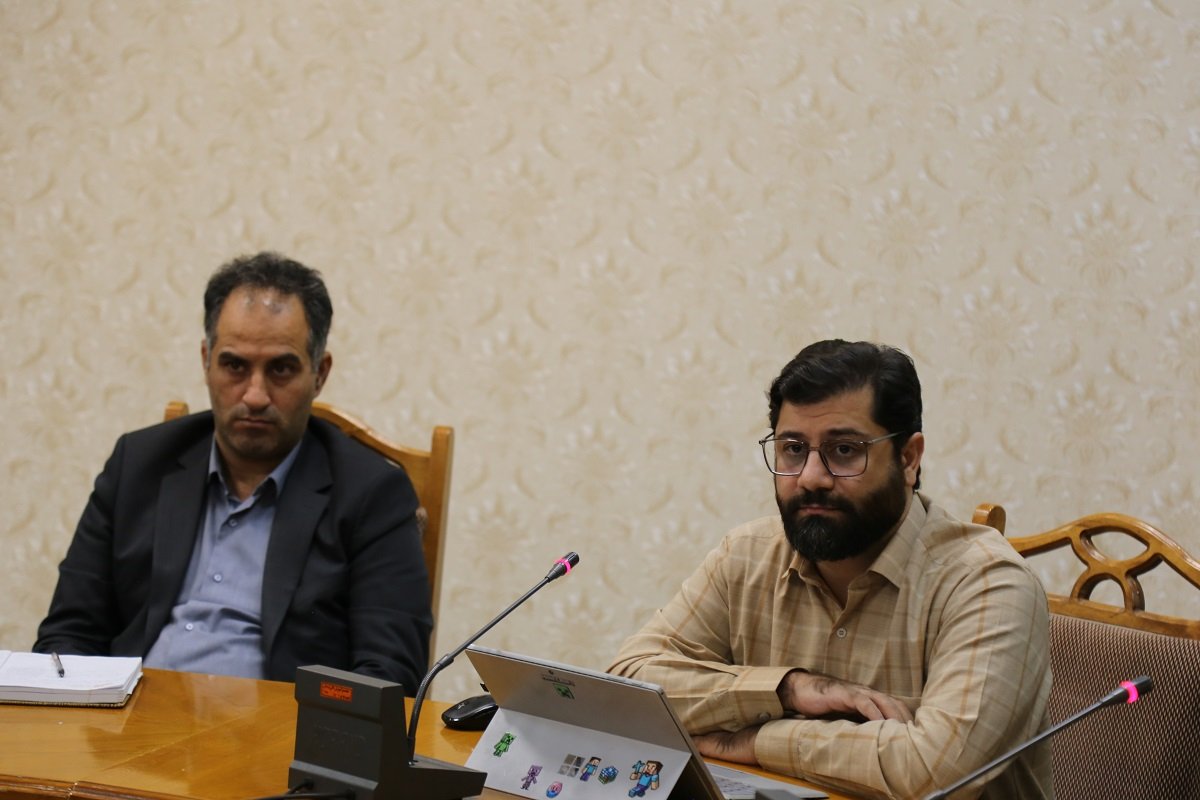
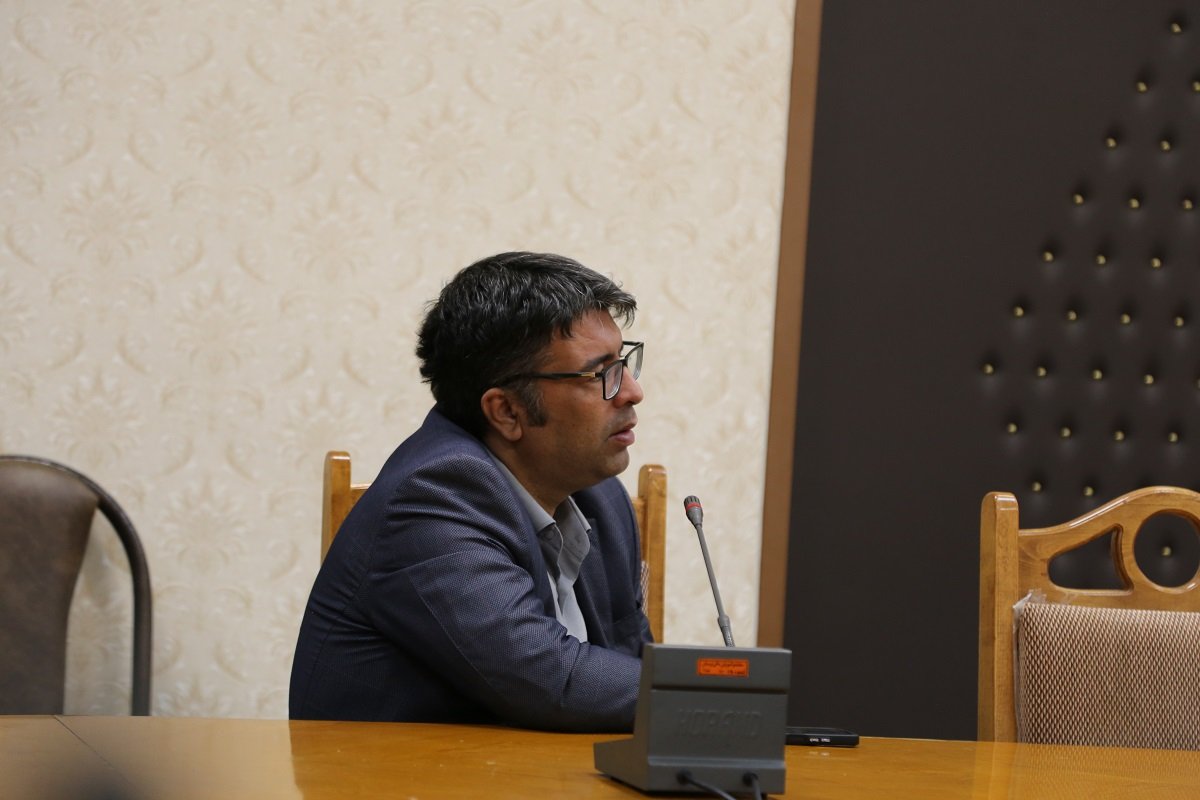
According to the Public Relations of Lorestan University, in this meeting, Dr. Masoud Zamani-Moghadam, a PhD in Sociology, a faculty member of the Faculty of Literature and Human Sciences at Lorestan University, and a member of the Governance and Legislation Think Tank of the province, first elaborated on the cultural issues of Lorestan.
Referring to Lorestan's cultural standing within the civilizational context of Iran, he stated: "The examination of civilizational, demographic, artistic, economic, religious, and scientific relations indicates that Lorestan's cultural climate, beyond a limited geographical unit, is an active and connecting part of Iran's unified cultural climate and possesses high potential for cultural development."
Zamani-Moghadam further pointed out the necessity of understanding the factors influencing the province's cultural development, identifying some of the most significant hindrances in this regard, including high unemployment rates, weakness in adherence to the rule of law in some areas, social harms, emigration, challenges in the field of science and education, a shortage of cultural and artistic centers, obstacles in the tourism sector, problems related to books and publishing, lack of audience analysis in radio and television program production, and the weak supply of cultural and artistic goods to the market.
He also cited climatic and geographical capacities, historical and civilizational richness, ethnic, religious, and ritual capacities, scientific and educational capacities, and the multiplicity of local media as the most important drivers of the province's cultural development.
This faculty member of Lorestan University further emphasized: "To facilitate planning, implementation, and oversight of the cultural development process, the establishment of regional executive and policymaking institutions with the participation of provincial and county bodies is essential. These institutions should, through synergy and leveraging the capacities of local elites, move towards resolving challenges, enhancing cultural capabilities, and adopting policies commensurate with the province's local exigencies."
Zamani-Moghadam also stressed the necessity of continuous monitoring of the province's cultural status and attention to cultural developments at national and global levels, considering it a prerequisite for future planning in the cultural domain.
Place Branding Can Contribute to the Formation of Lorestan's Cultural Identity at the National Level
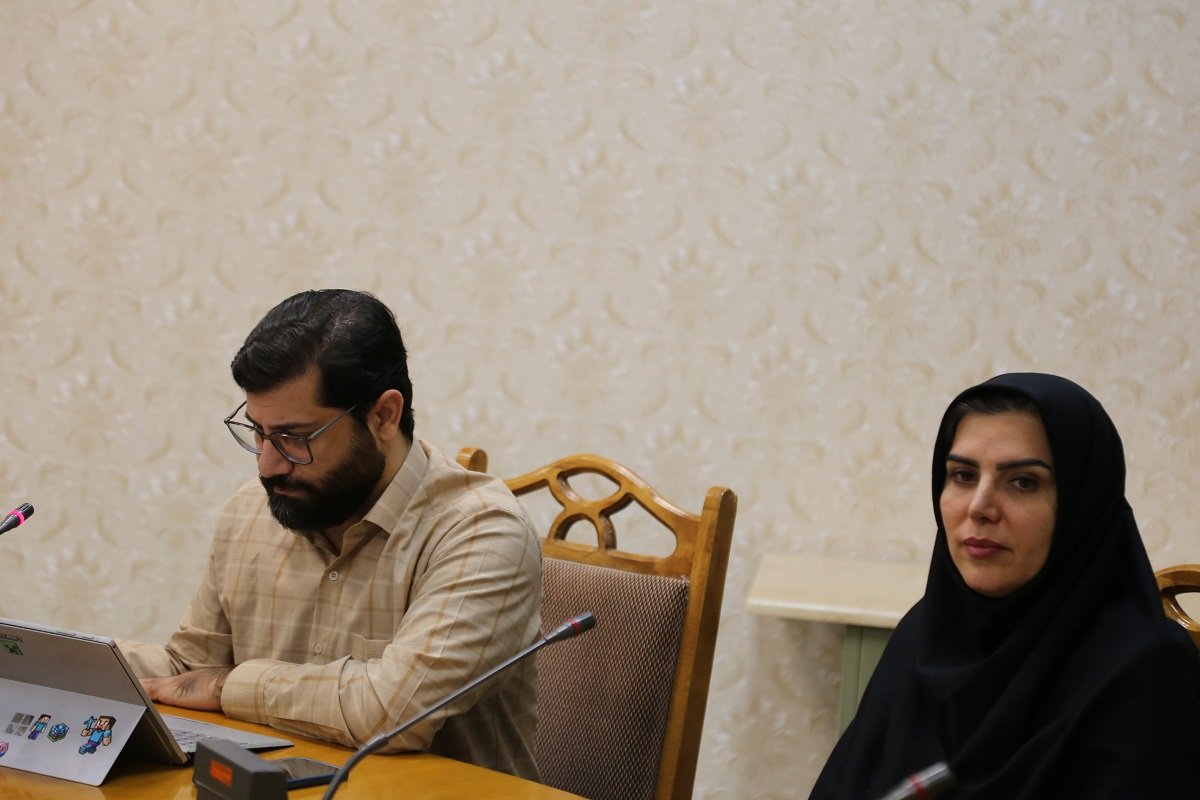
Continuing the meeting, Dr. Omid Omidi-Shahabad, the Economic Deputy Governor of Lorestan Province and the Secretary of the Governance and Legislation Think Tank of the province, while appreciating the presented discussions, emphasized the need for more precise categorization of issues and revision of some titles.
Referring to the importance of "place branding" in the cultural domain, he stated: "Just as in economics, certain regions, due to a specific capacity, first achieve regional specialization and then regional identity, in the cultural domain as well, capacities must be identified that can lead to Lorestan being recognized with a distinct cultural identity at the national level."
Dr. Omidi identified the Ashura Day Gol-mali (mud-bathing) ritual in Khorramabad as one of the province's unique cultural and religious capacities that can pave the way for the creation of a distinct cultural identity for Lorestan.
The Secretary of the Governance and Legislation Think Tank of Lorestan Province stated that this is the first session where cultural issues within the framework of the province's systemic problems are being examined by the Governance and Legislation Think Tank, adding: "The objective of holding these sessions is not merely a gathering and exchange of knowledge among specialists, but these discussions must ultimately lead to a common conclusion, the formulation of systemic issues, and the presentation of operational solutions."
The Economic Deputy Governor of Lorestan Province clarified: "The output of these studies, after final compilation, can be presented to the Research Center of the Islamic Consultative Assembly to be utilized in the country's policymaking and legislation process."
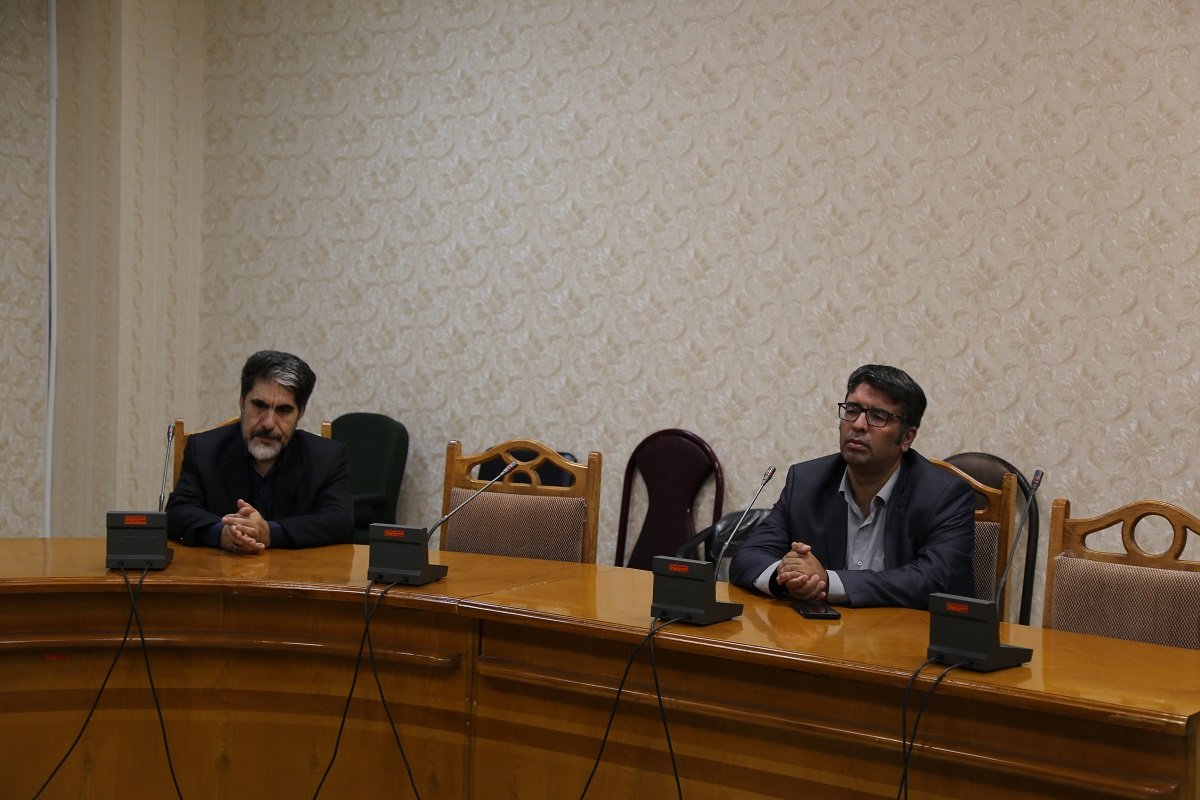
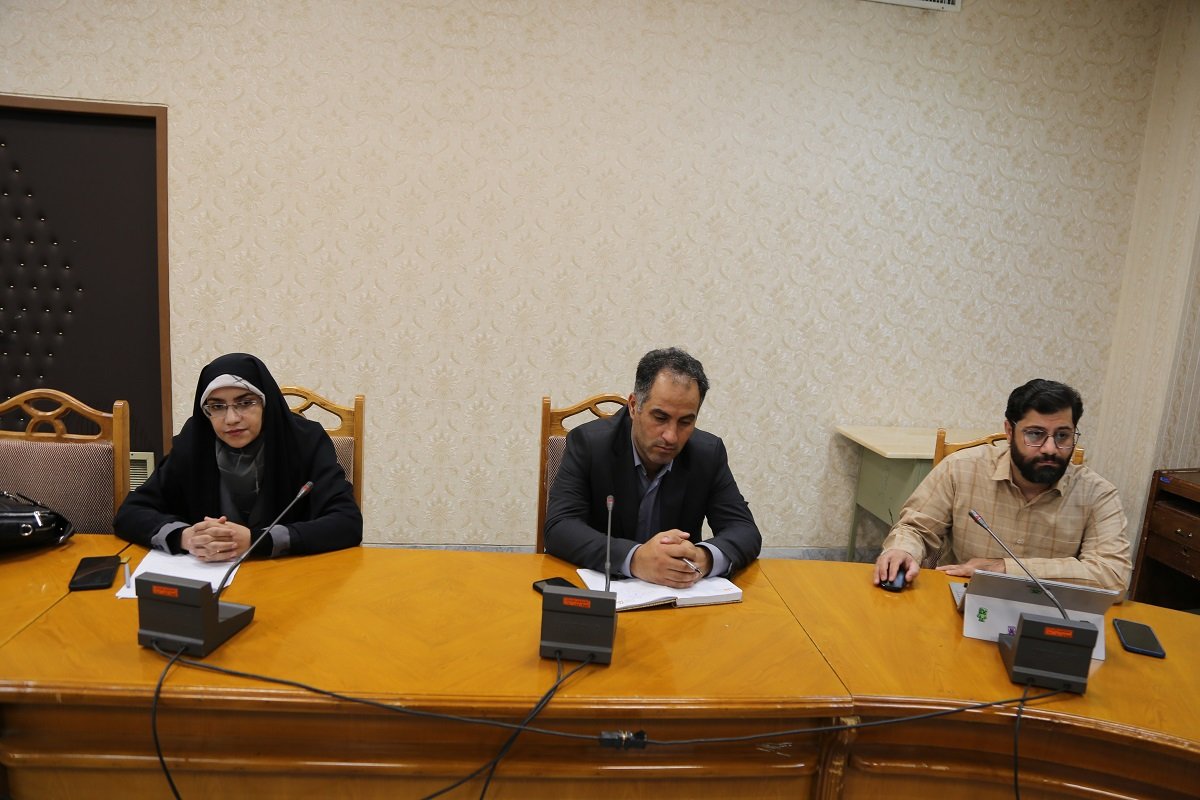
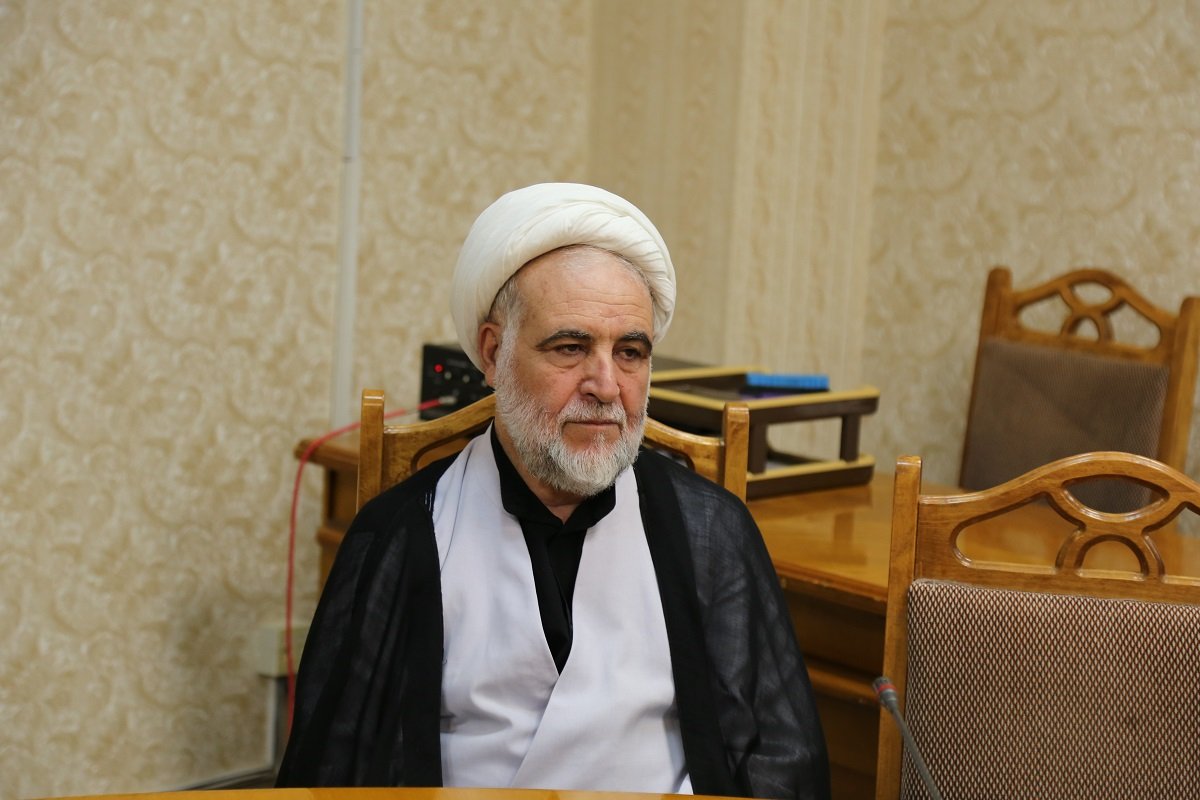
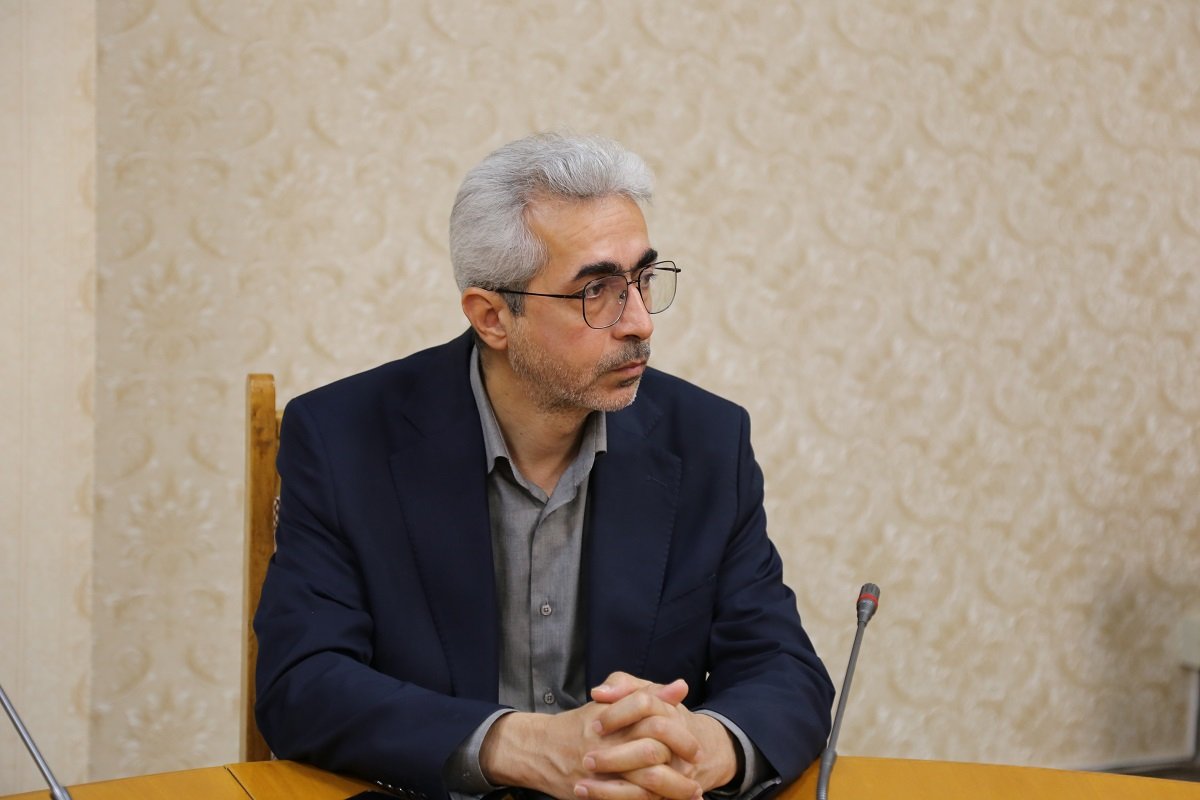
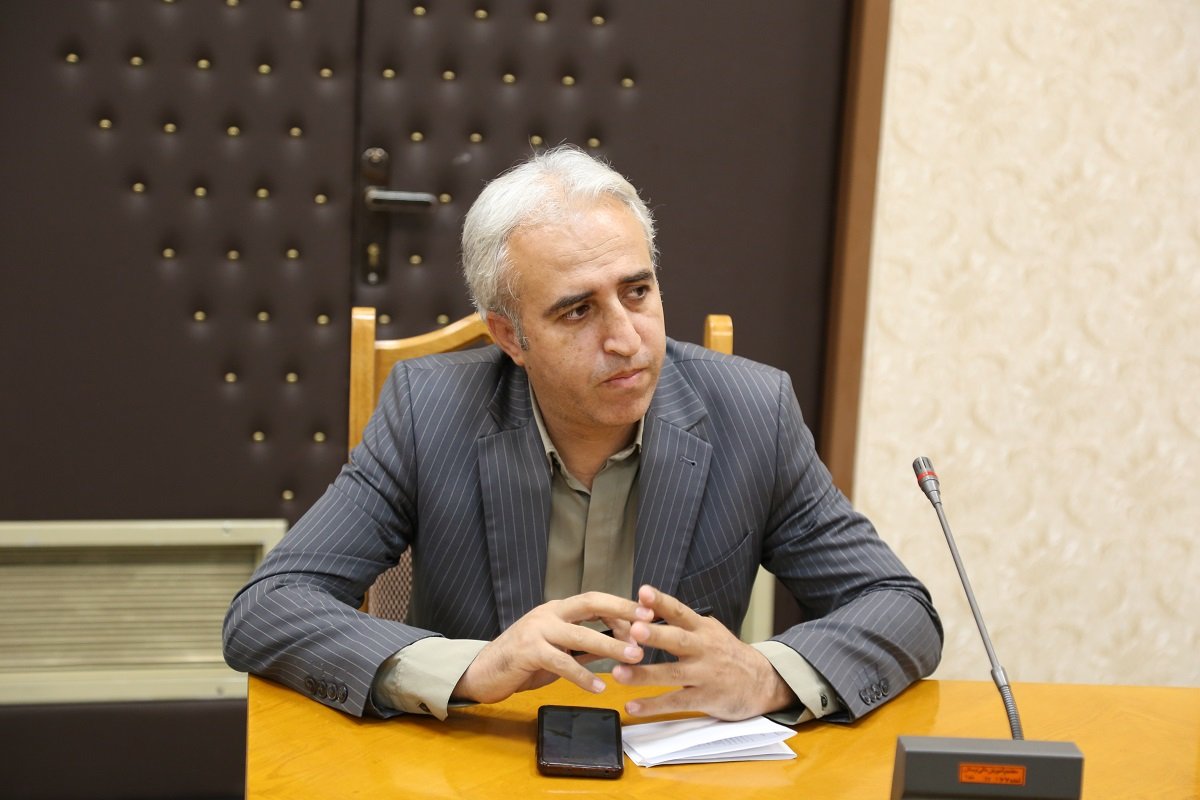
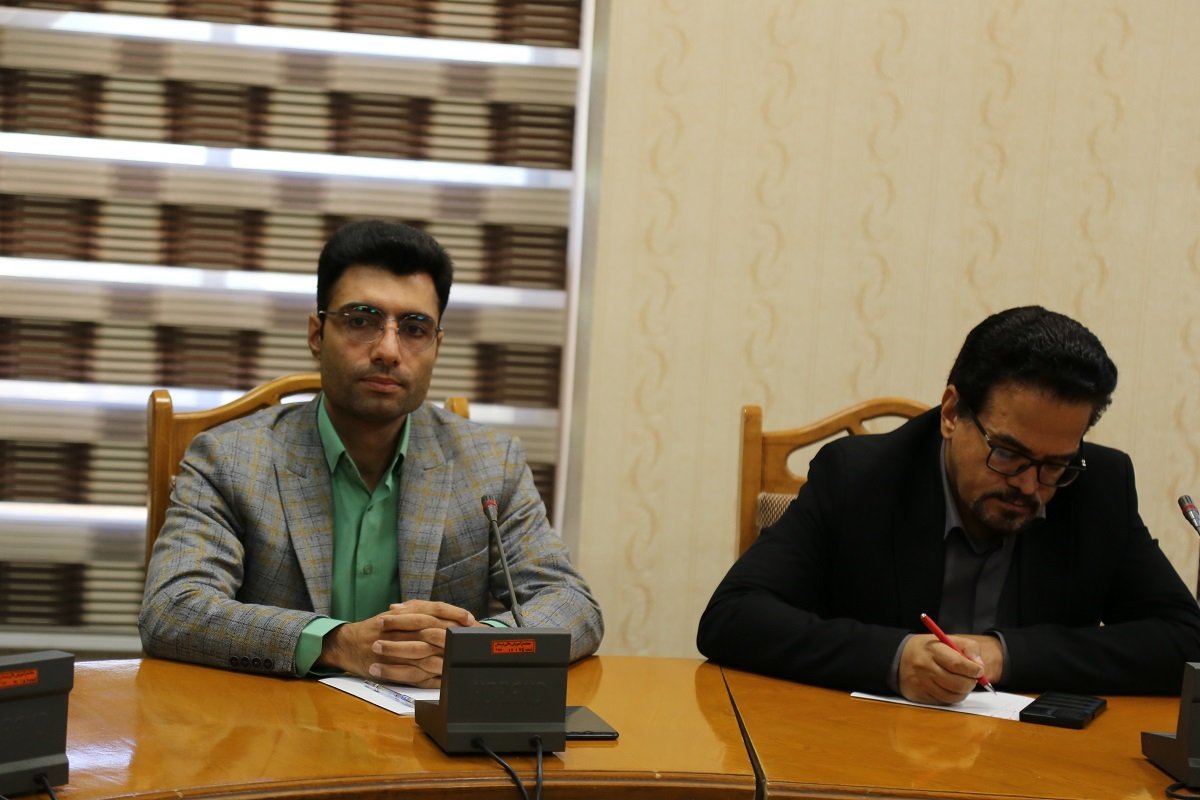
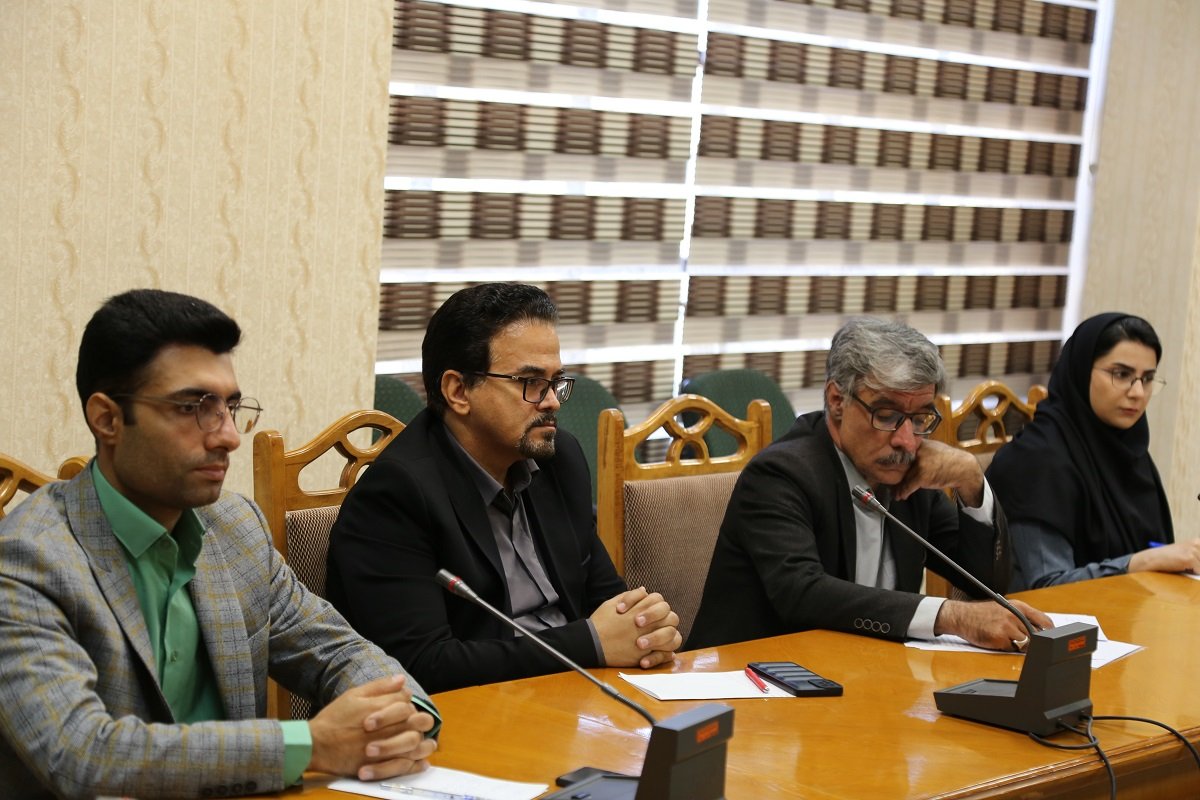
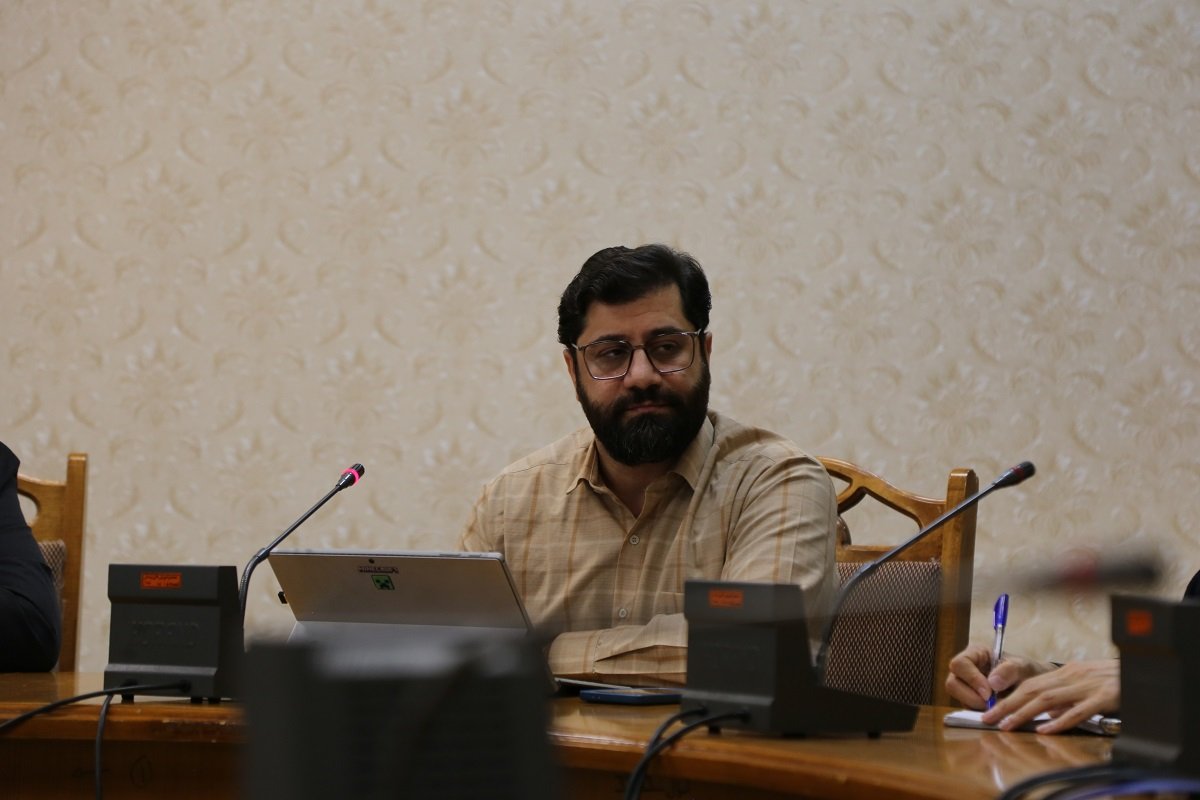
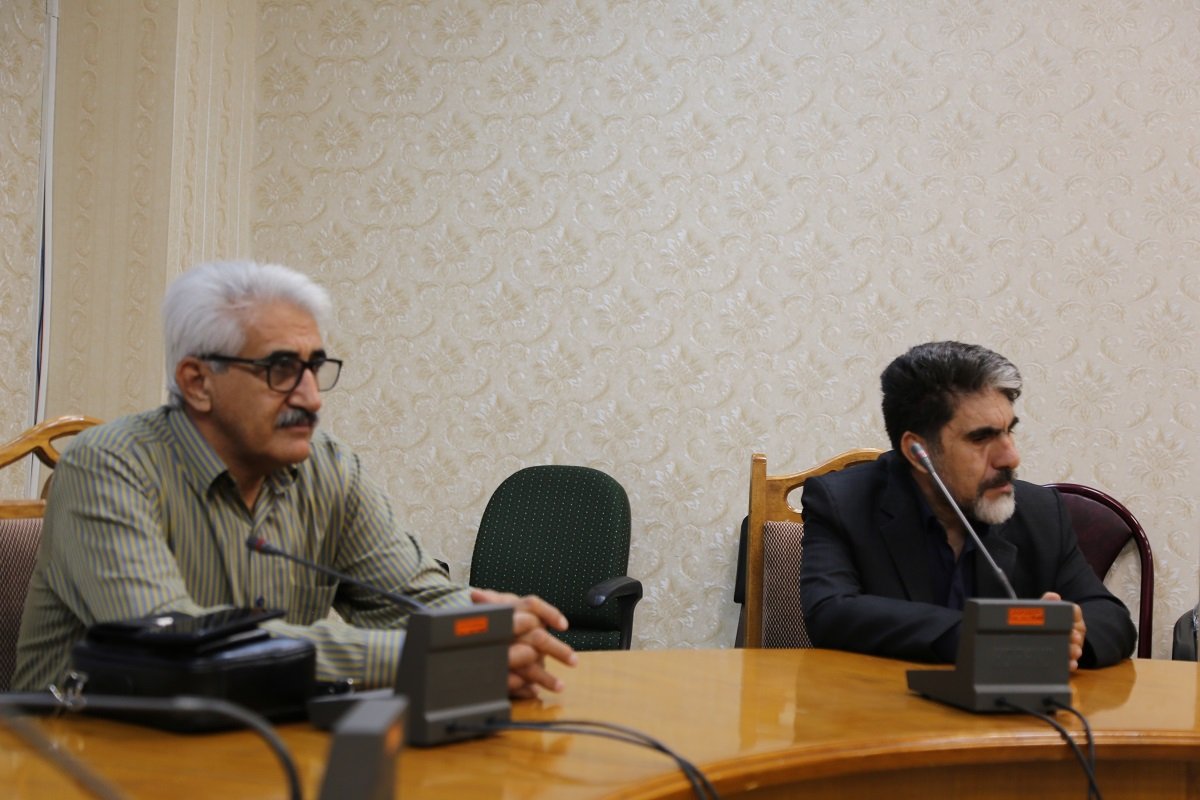
In addition to the main members of the think tank, some faculty members from the Law Department of Lorestan University and Payame Noor University were also present at this meeting, offering their perspectives, suggestions, and opinions on the discussed topics and solutions for advancing the think tank's objectives.
At the end of the meeting, attendees engaged in discussion and exchange of views regarding the agenda, and various perspectives on the province's cultural challenges, capacities, and priorities were debated and examined.
It was also decided that the issues raised in the cultural domain, utilizing the insights of specialists and think tank members, would be compiled in the form of a "System of Cultural Issues of Lorestan Province" along with proposed solutions and presented in future think tank sessions.