
Presidential Assistant Emphasizes Strengthening Ties Between Government, University, and Society at Lorestan University Session / Necessity of Establishing a Provincial Issues Bank
 Nov 11, 2026
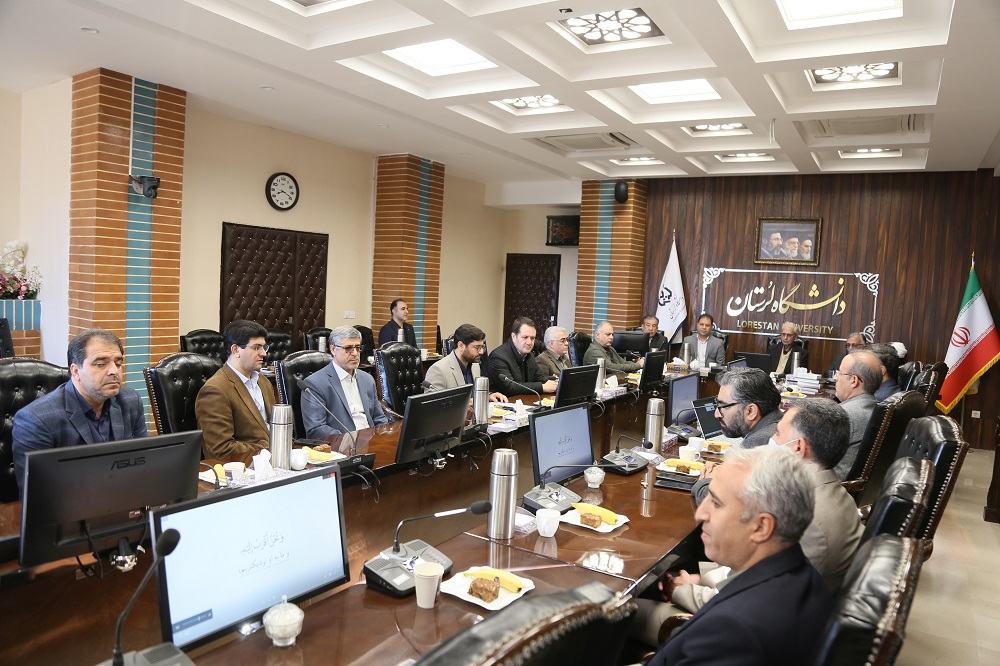
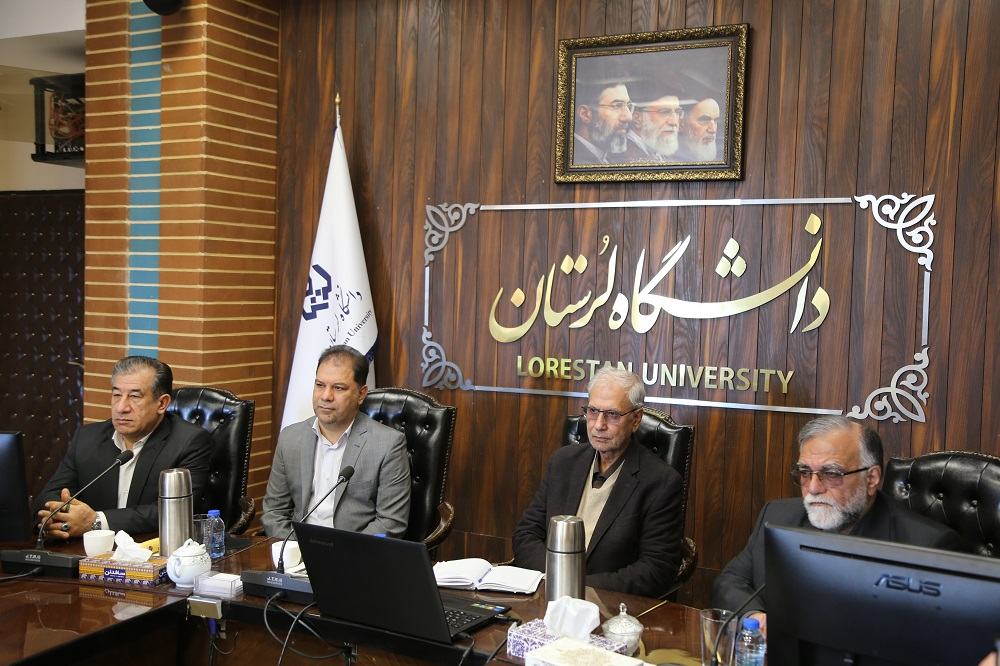
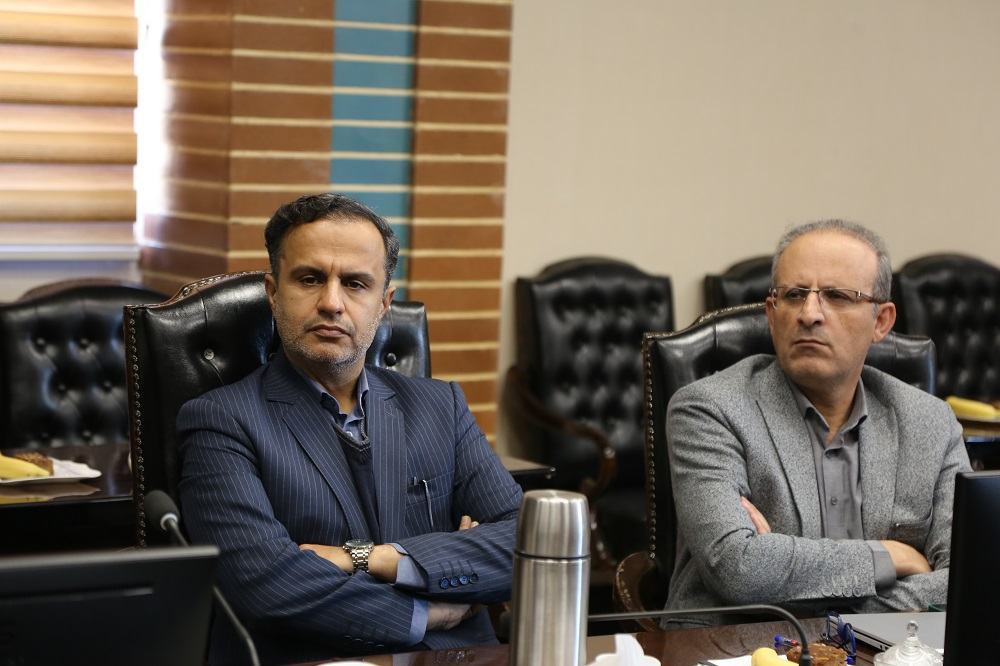
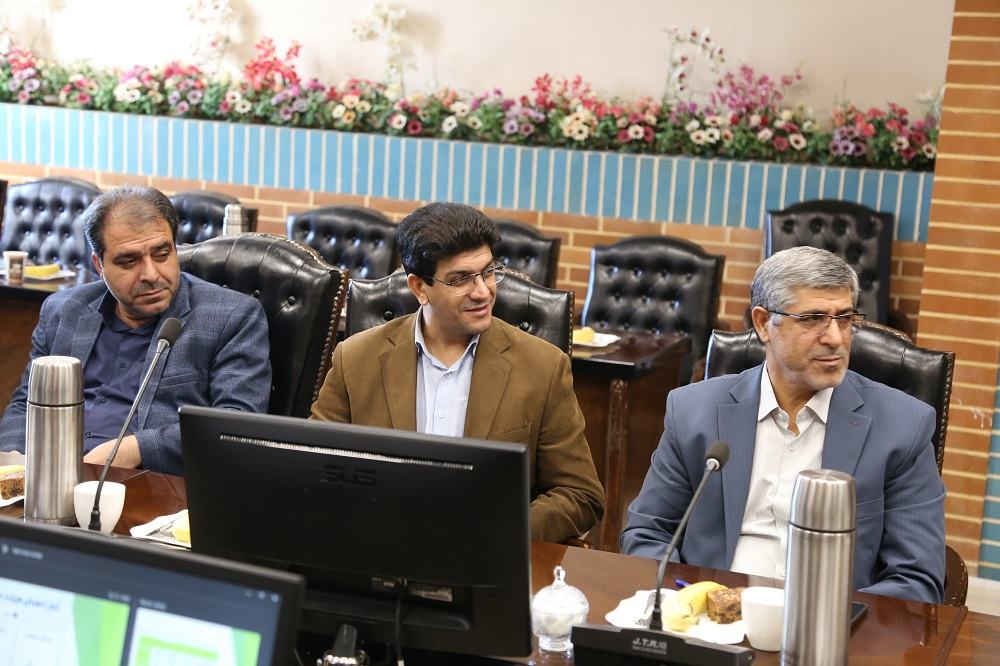
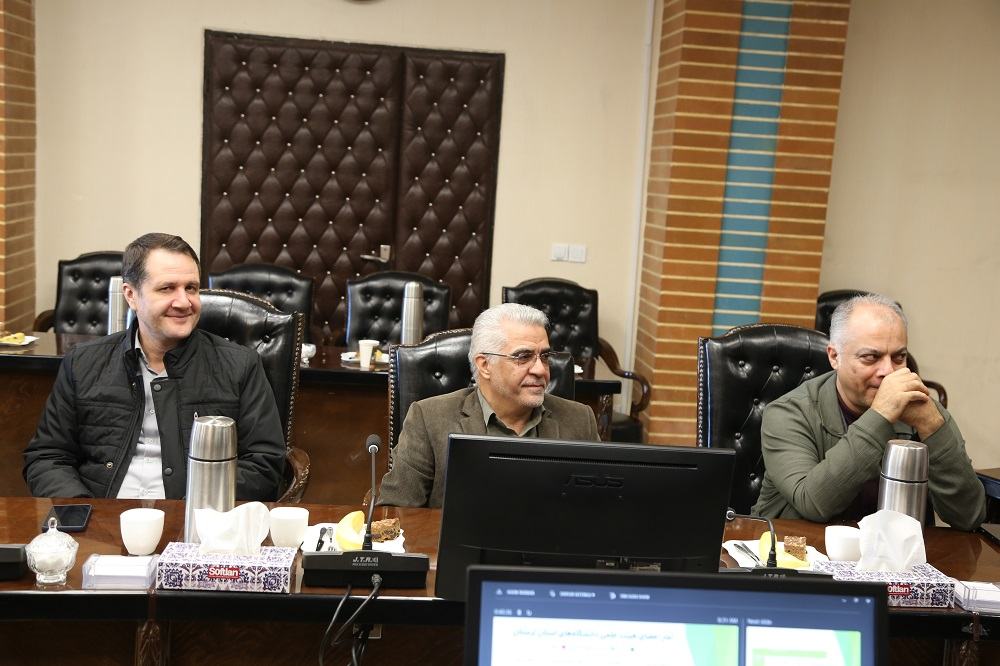
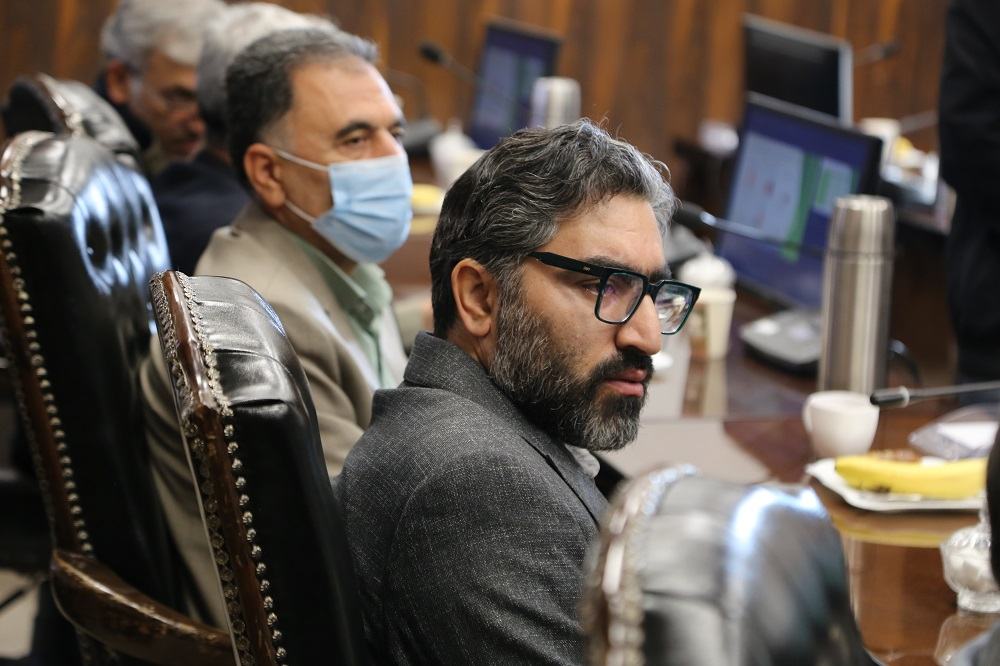
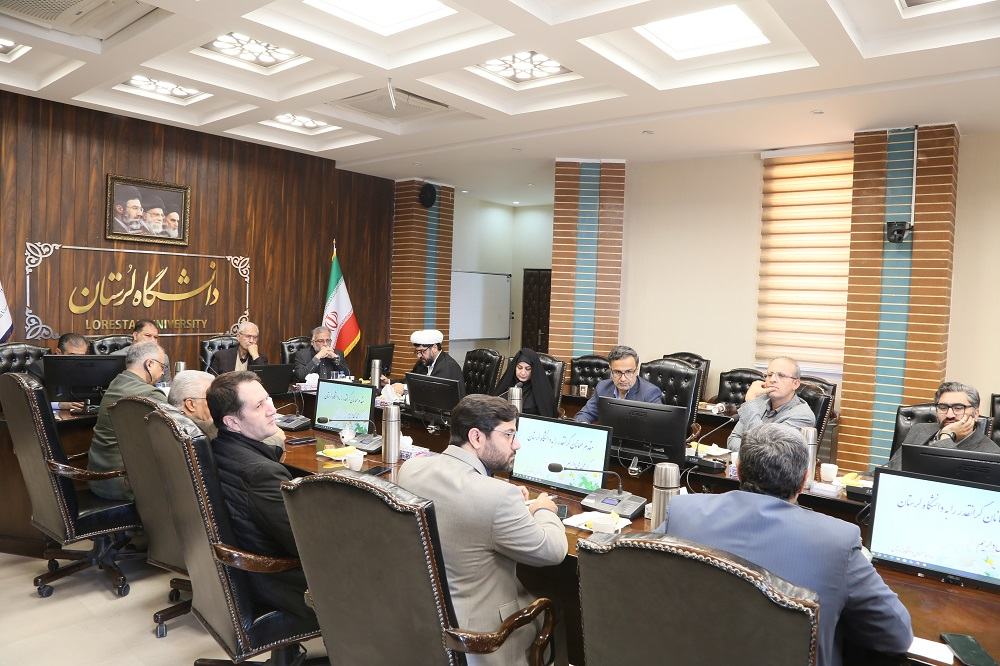
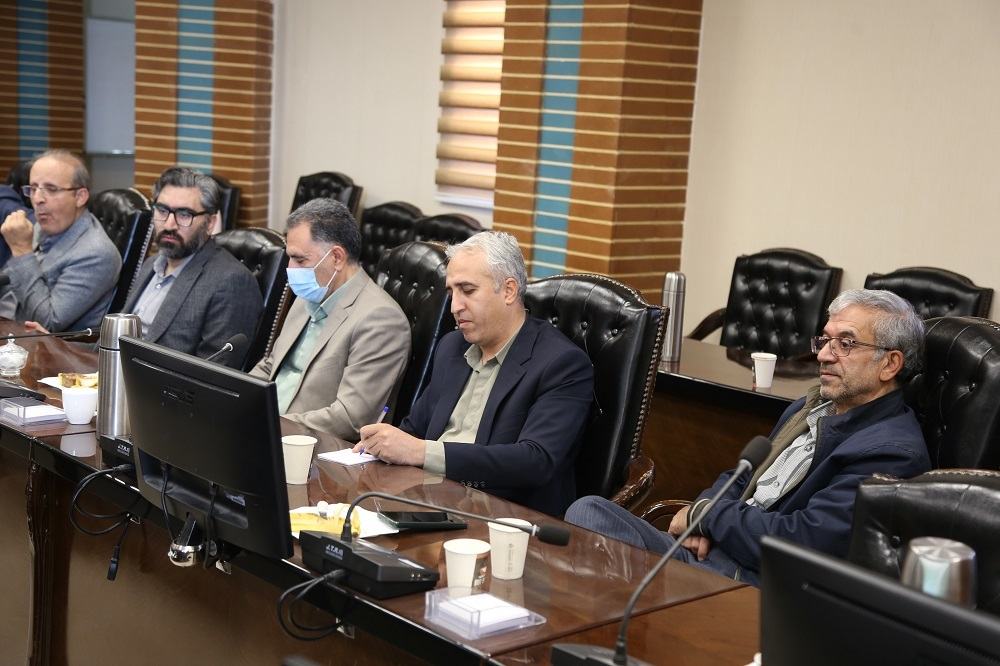
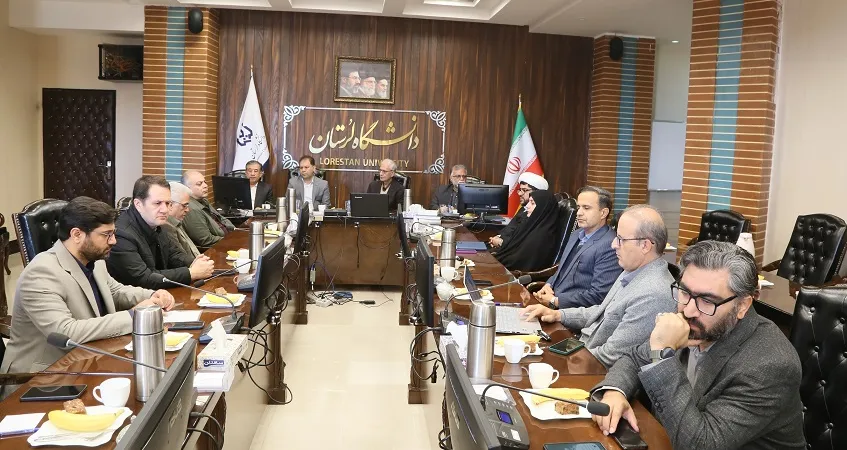
The Presidential Social Assistant, at the meeting of the presidents of universities and higher education centers of Lorestan province, emphasized the formation of a provincial issue bank and the greater utilization of university capacities to address challenges and strengthen the connection between university, government, and society.
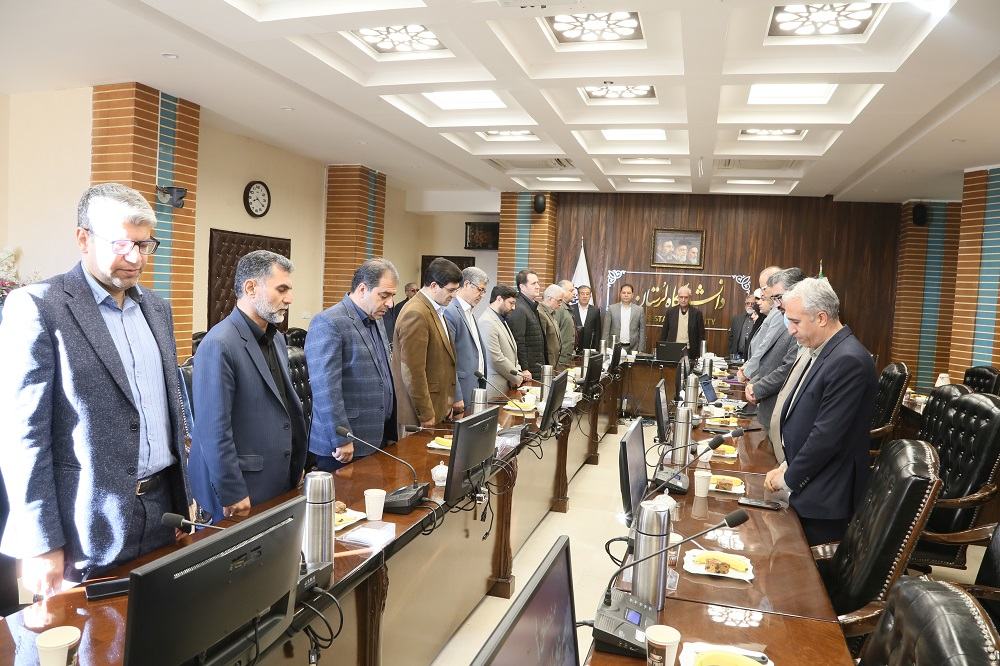
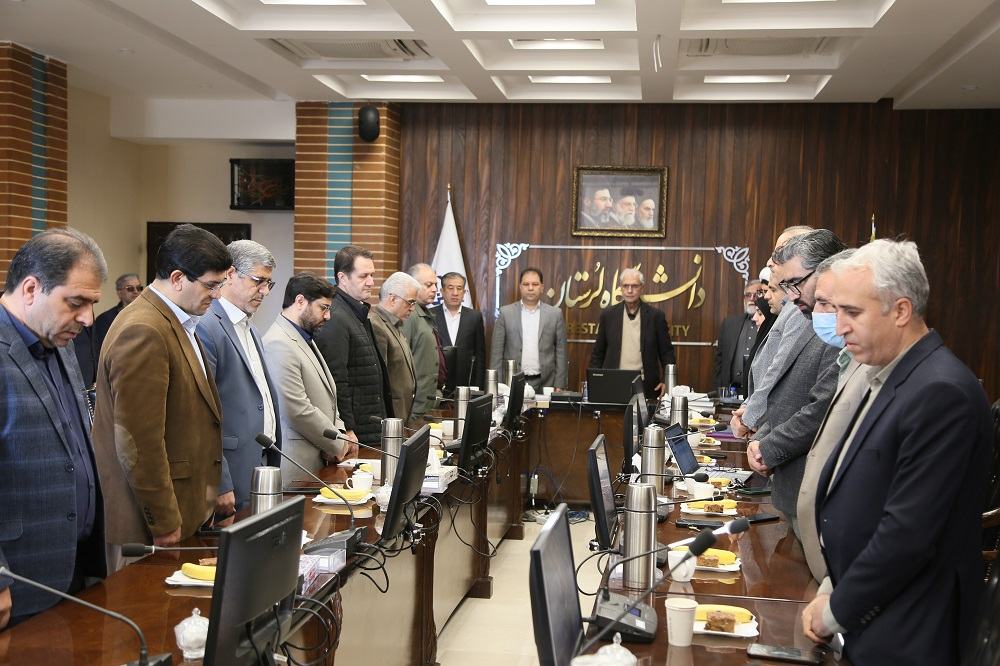
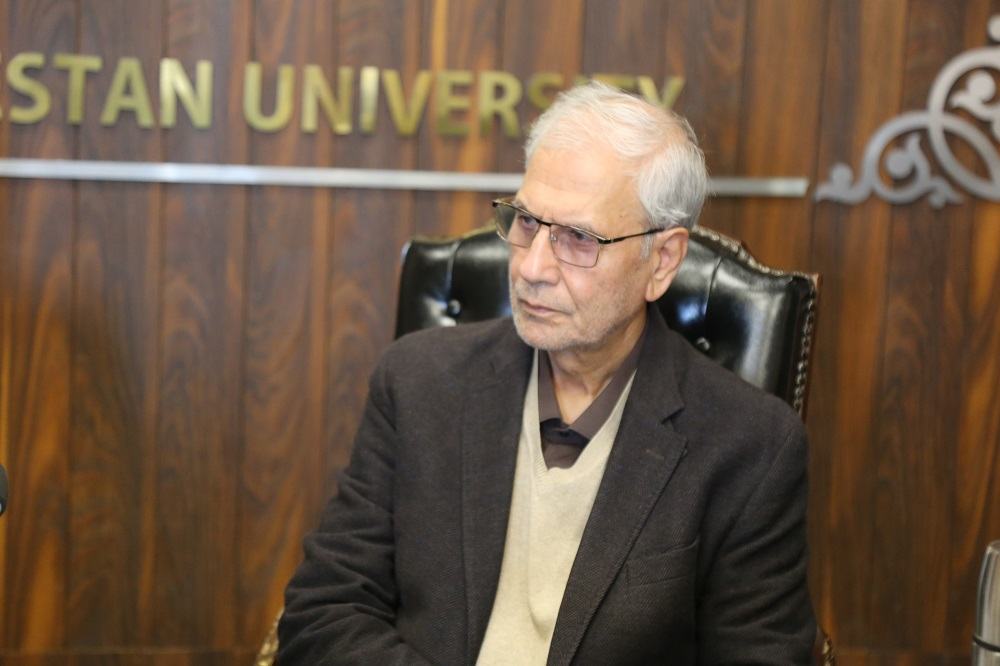
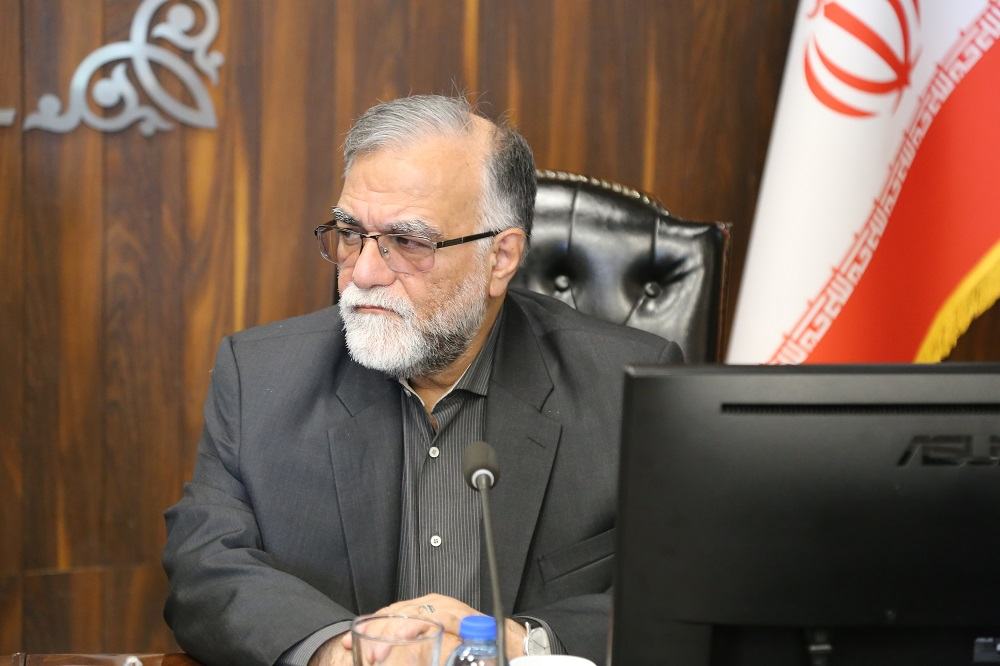
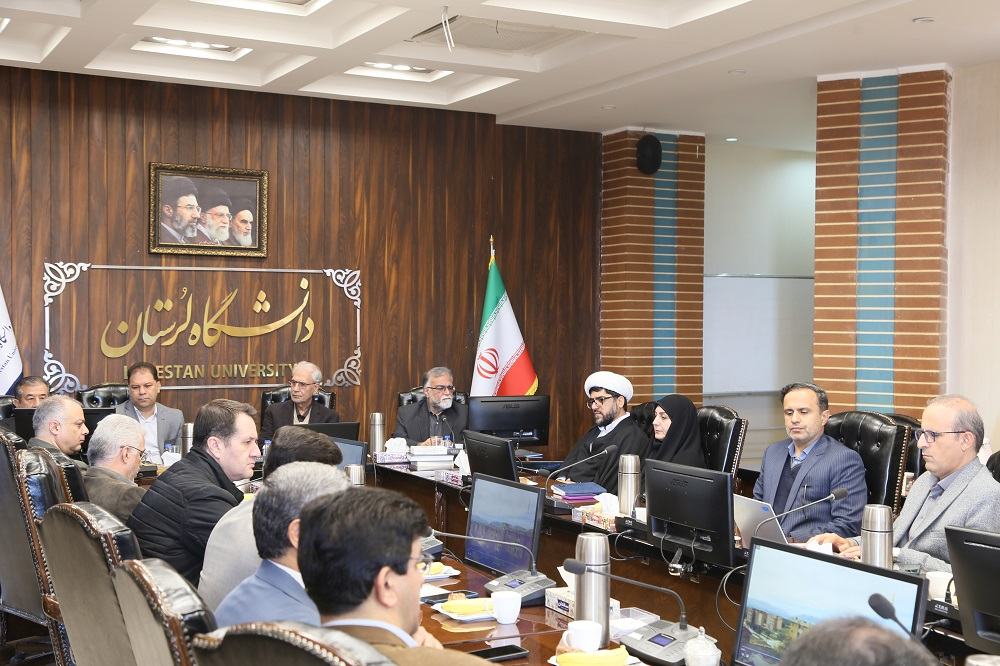
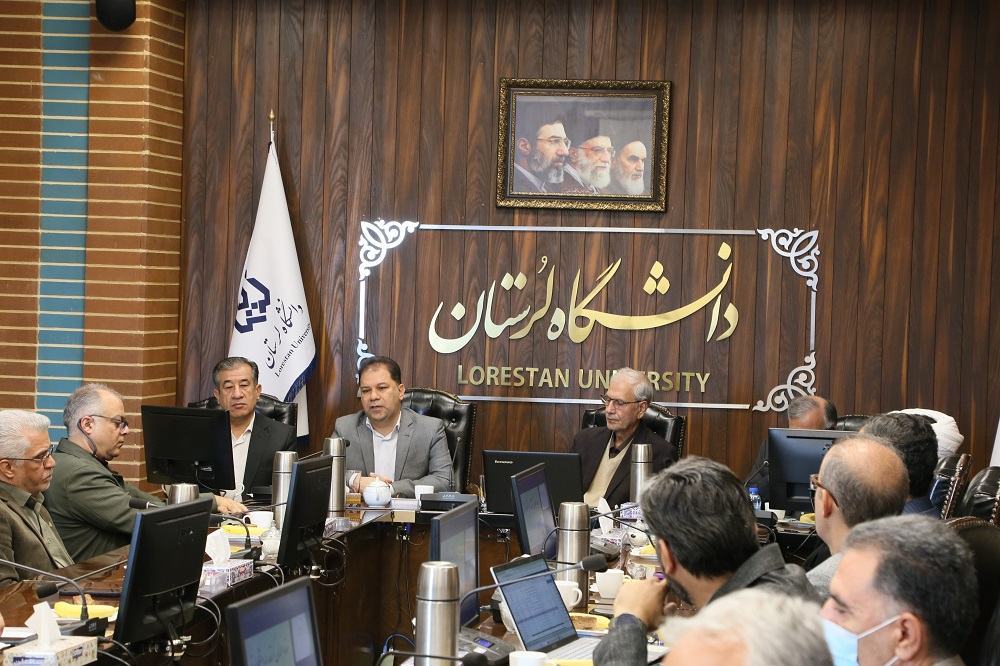
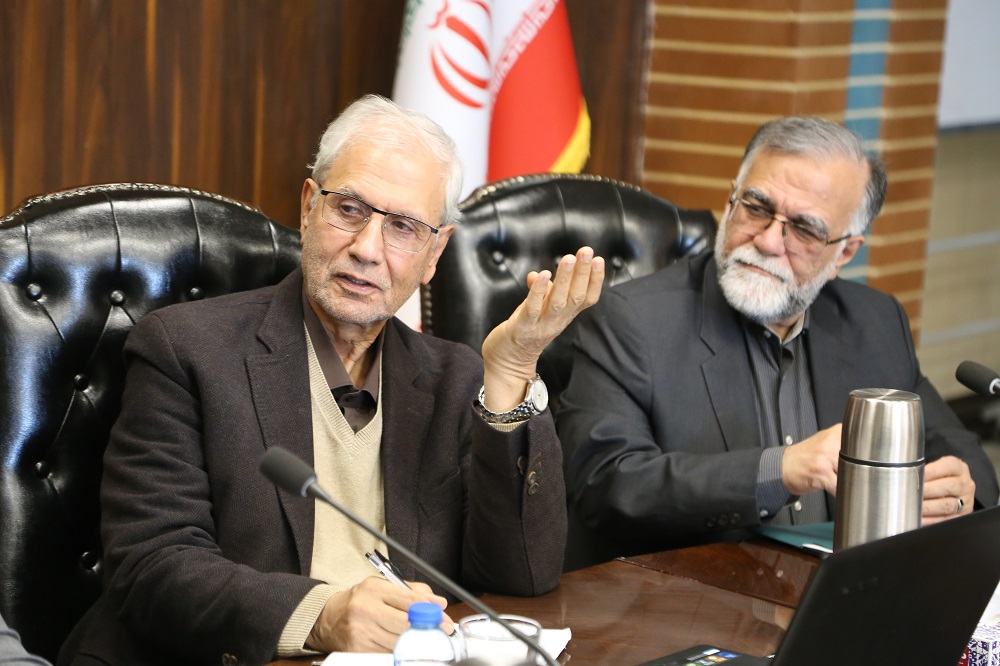
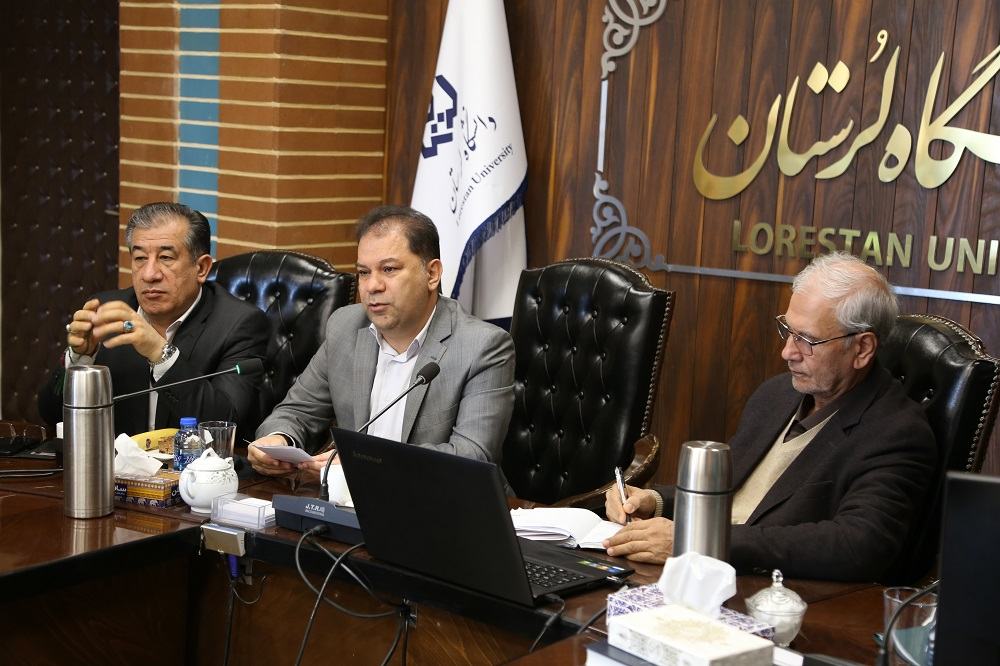
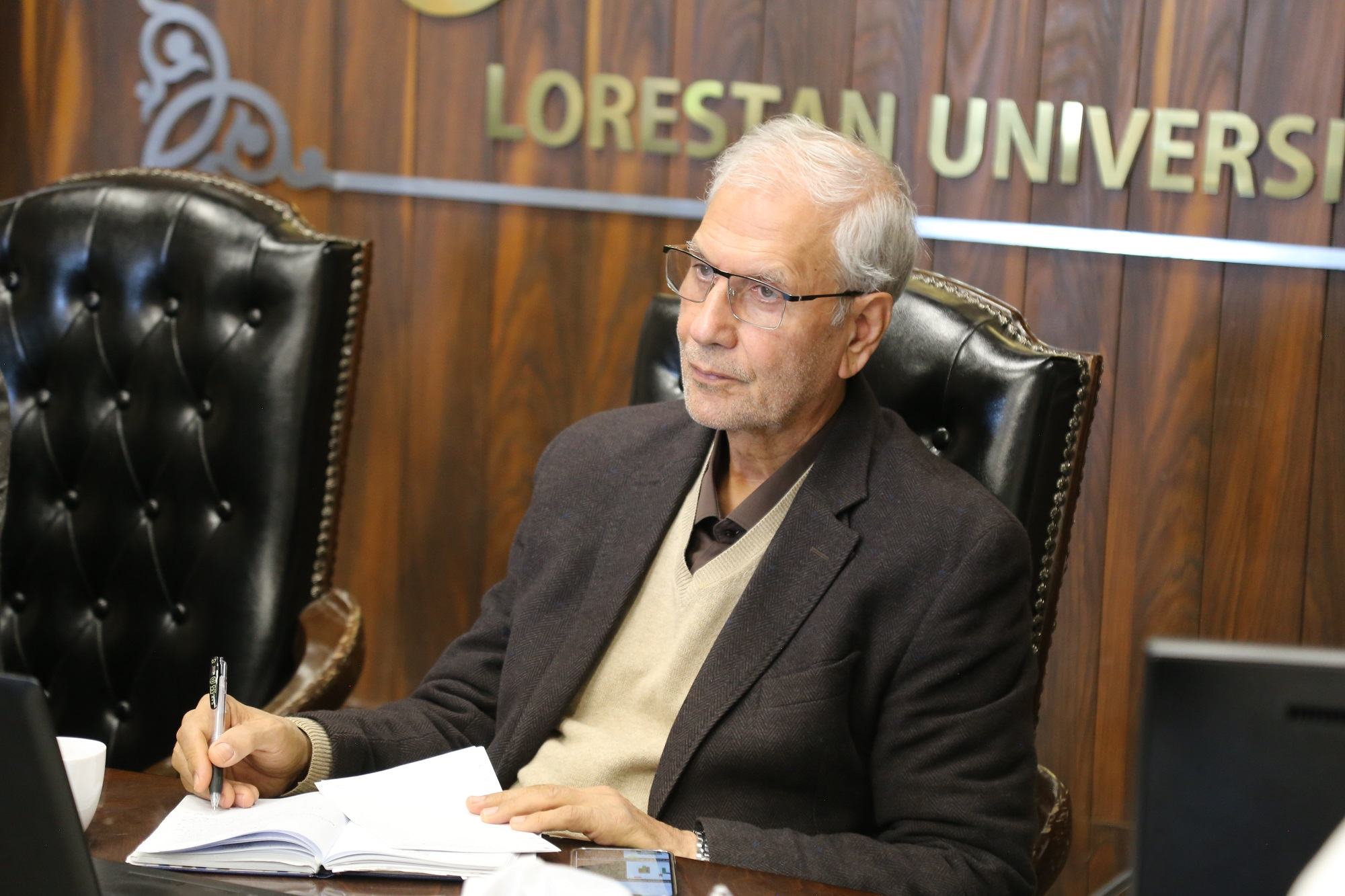
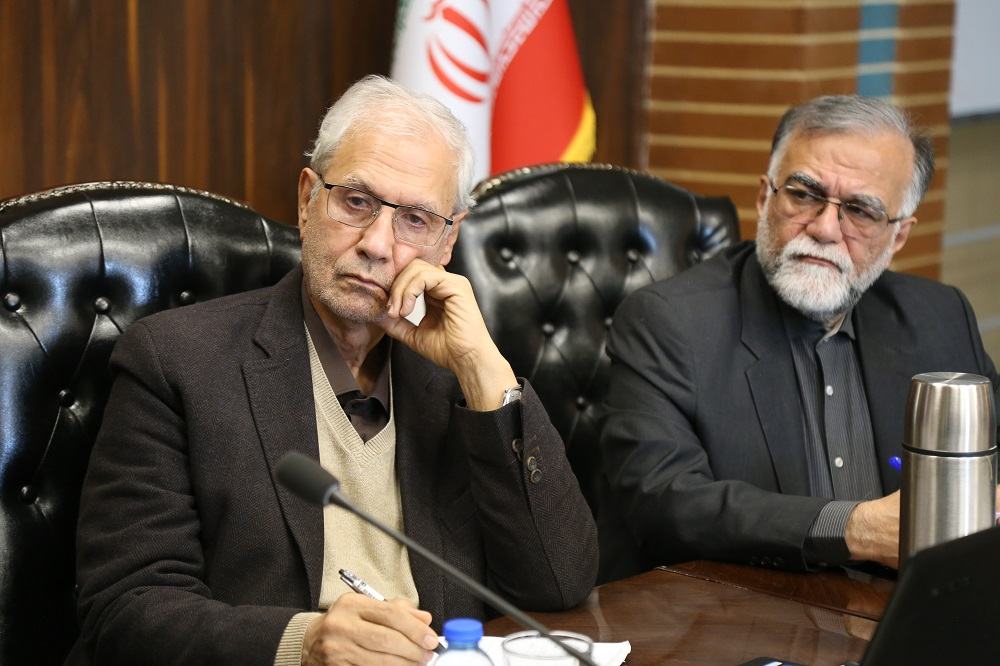
According to the Public Relations of Lorestan University, Dr. Ali Rabiei, at this meeting held on Wednesday, November 11th, in the meeting hall of the Presidency of Lorestan University, proposed the formation of a provincial issue system bank by leveraging the various capacities of the province's higher education system.
This provincial issue system bank will be responsible for defining the priorities of the province's issue system.
Dr. Rabiei, while presenting statistics on some of Lorestan province's issue systems, emphasized that by strengthening a stable institutional connection between the university, government, and society, and by reinforcing and enhancing the activities of civil and community-based scientific organizations, challenges will be reduced or resolved.
The triangle that Dr. Rabiei spoke about in this meeting consists of: government, university, and society; within the societal aspect, the focus is on strengthening civil and scientific organizations and associations.
Let's consider grassroots institutions as an opportunity to accelerate development.
At this meeting, the Political, Security, and Social Deputy Governor of Lorestan, emphasizing that the narrative of a strong Iran can only spread in society when the connection between government and society is strengthened, stated: "To strengthen national power, we must accept that society must be organized and cohesive, and we should consider grassroots institutions as an opportunity to accelerate development."
Dr. Saeed Pourali added: "A dispersed society cannot optimally utilize its capacities. The possibility of representation and participation of all social strata must be recognized, and the ground for the involvement of various groups in decision-making and social activities must be provided."
The Political, Security, and Social Deputy Governor of Lorestan continued: "Social reconstruction can lead to the creation of national power, and the role of the university is very important in this regard, as the university possesses the necessary capacity to strengthen social organizations, teach participation, and provide a platform for dialogue among different groups."
He pointed to the importance of student activities in this area and said: "Student activities are an opportunity to practice social life, teamwork, team building, goal setting, and accepting responsibility. These experiences should be strengthened within the framework of student organizations, scientific, cultural, and professional associations in universities."
The Deputy Governor of Lorestan stated: "Strengthening these capacities can contribute to increasing social capital and the formation of a capable and participatory society."
The necessity of focusing on applied and local research
At this meeting, the President of Lorestan University, emphasizing the necessity of practical utilization of social sciences' capacity in reducing social harms, said: "Solving social problems and harms, especially in provinces like Lorestan, requires applied and local research, effective interaction between the university and executive bodies, and serious attention to the infrastructure of higher education centers."
Dr. Mehrdad Dadastani, referring to the university's role in shaping students' social and cultural personalities, stated: "In addition to its educational function, the university is one of the most important centers for socialization and students' experience of social and shared life, and therefore, attention to the social and cultural health of this environment is of great importance."
He stated that some social harms and problems, such as unconventional emotional relationships and their consequences, including divorce, are formed during student years, and added: "Students, as specialized forces and future managers of the country, must grow in a healthy environment free from social harms, because harm to one part of society can affect other parts as well."
The President of Lorestan University emphasized three fundamental axes for reducing social harms and stated: "The practical belief of social institutions and executive bodies in the necessity and capacity of social sciences is essential. Although various meetings and programs are held in universities for dialogue with students, sometimes these programs do not receive much welcome. Therefore, more important than holding programs is the practical belief of managers and officials in the role of social sciences in understanding and solving societal problems."
Dr. Dadastani added, referring to the necessity of localizing research related to social harms: "Social issues in different regions of the country have significant cultural and social differences, and a single solution cannot be prescribed for all provinces."
The President of Lorestan University, referring to the need to strengthen the university's connection with society and executive bodies, added: "The issue of university-society connection has been raised for years, and positive steps have been taken in this regard. For example, the connection between the Faculty of Literature and Humanities of Lorestan University with society and executive institutions has been strengthened in the past two years, and this group is pursuing several projects in the area of social harms. However, we are still far from achieving an effective and stable connection."
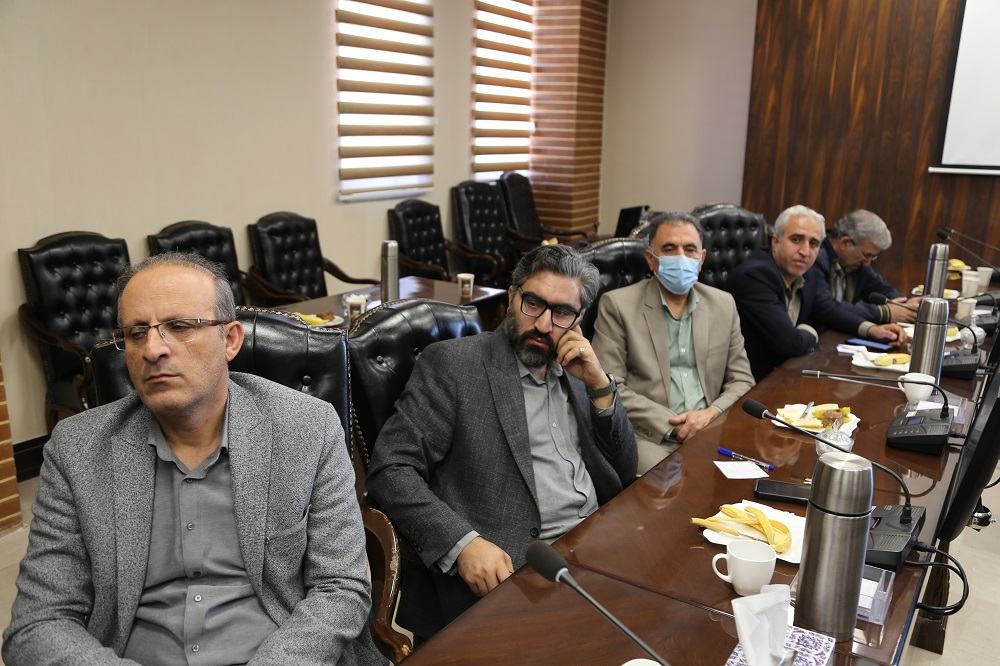
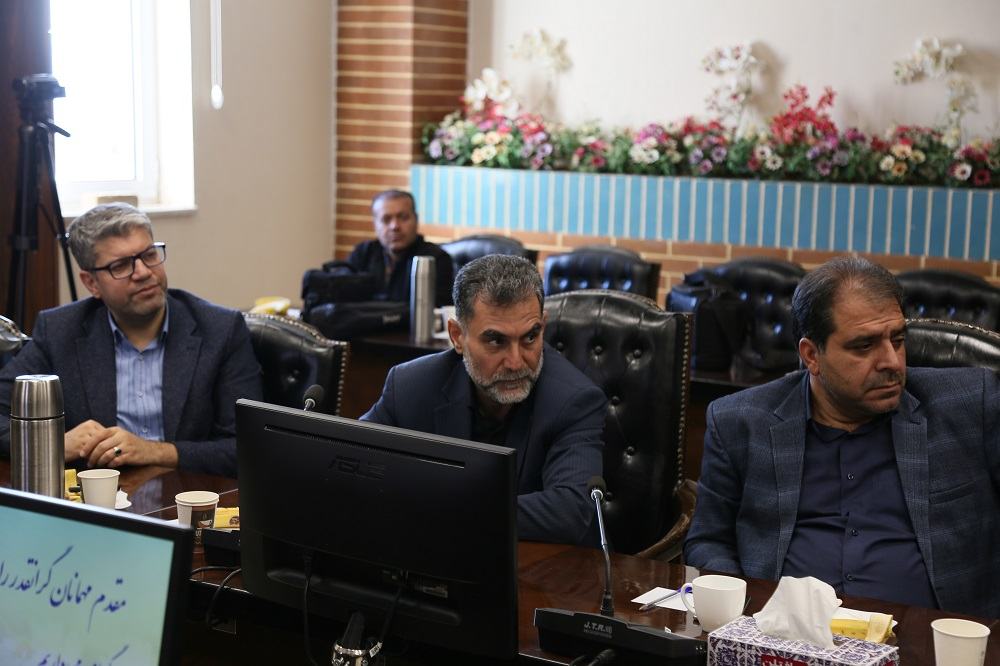
It is worth mentioning that at this meeting, the presidents of the province's universities also presented their views.