
The Society-Builder University; Martyr Chamran's Great Lesson for Building a Strong Iran
 Jun 21, 2026
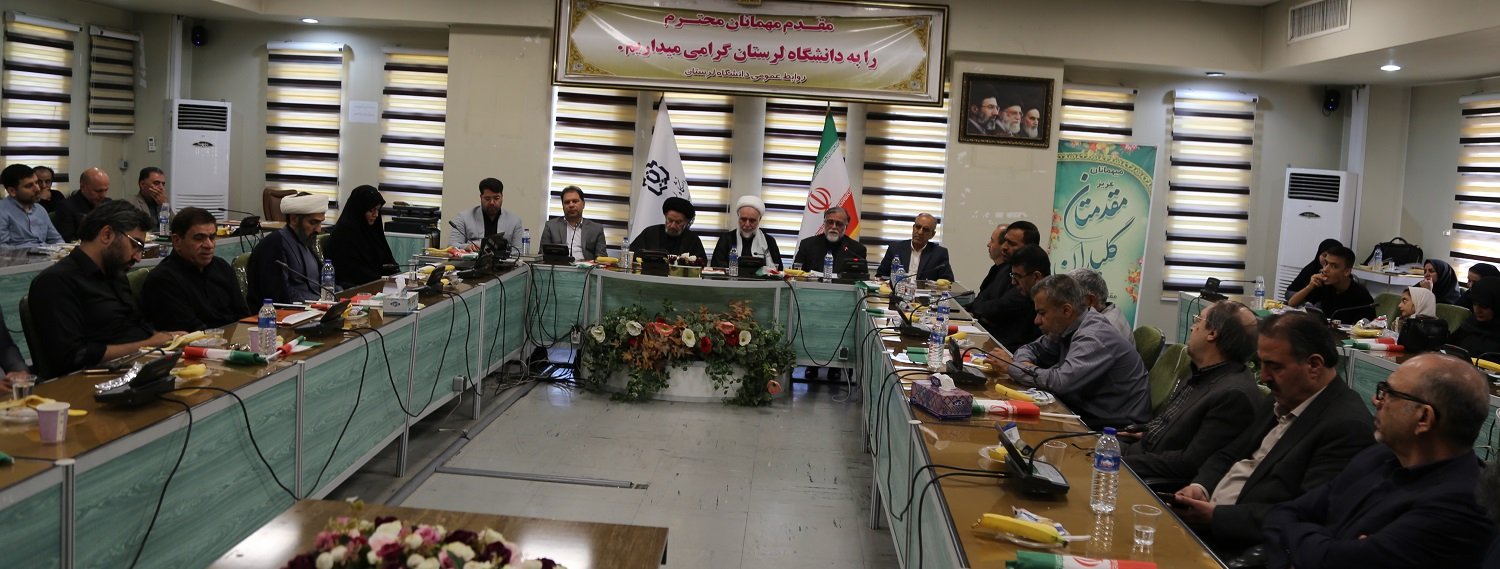
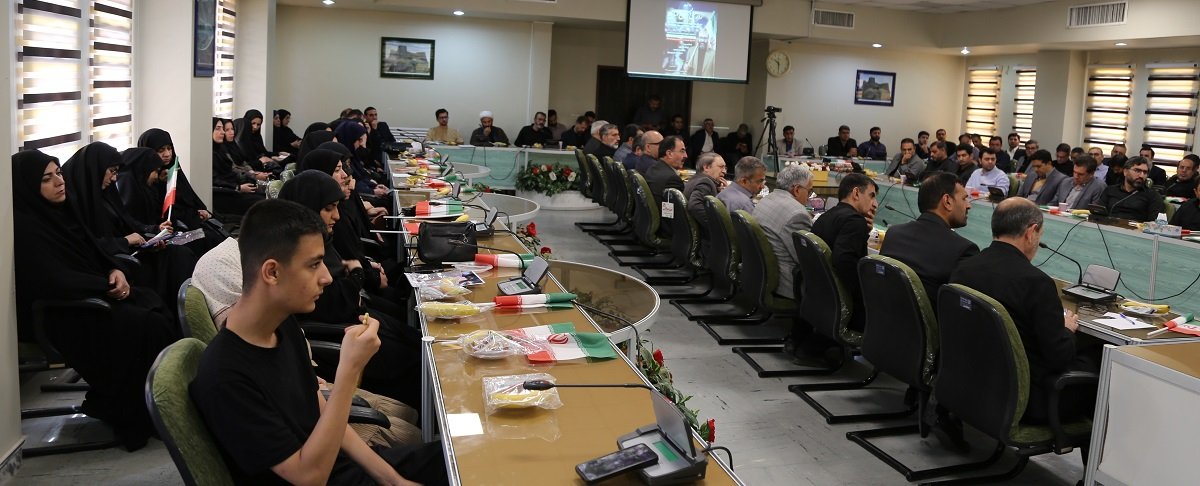
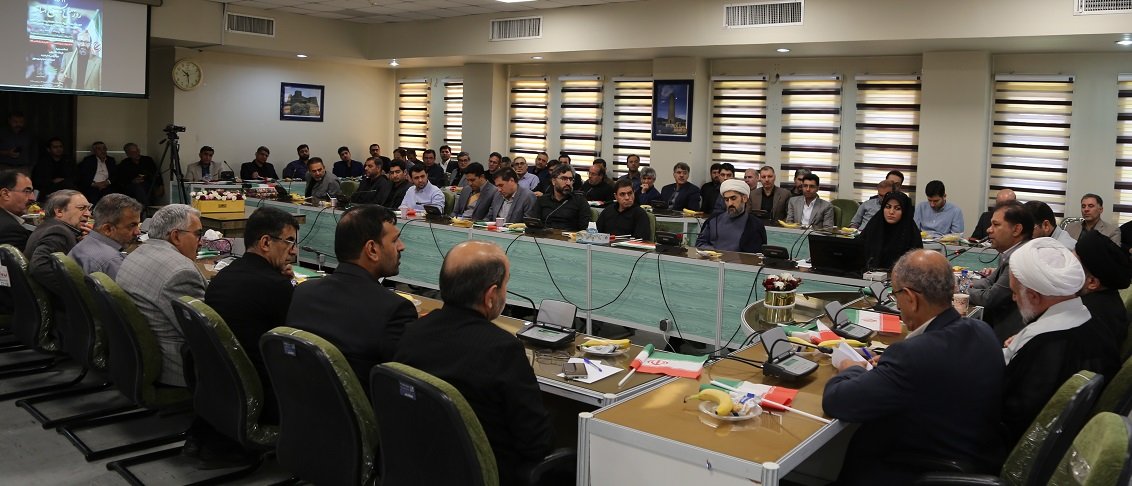
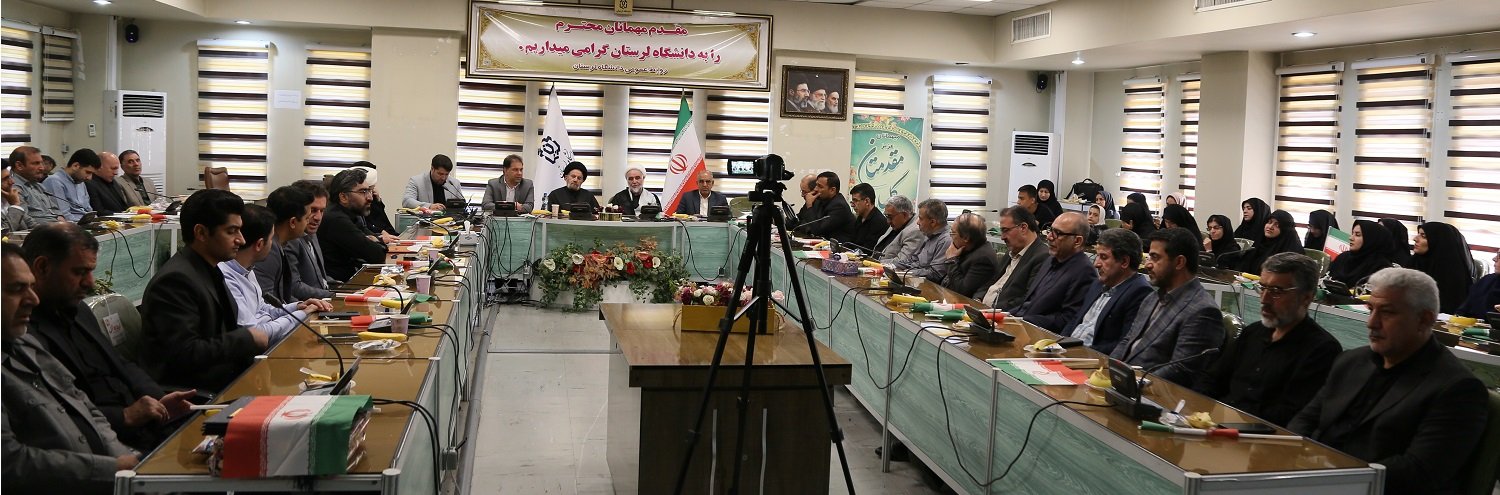
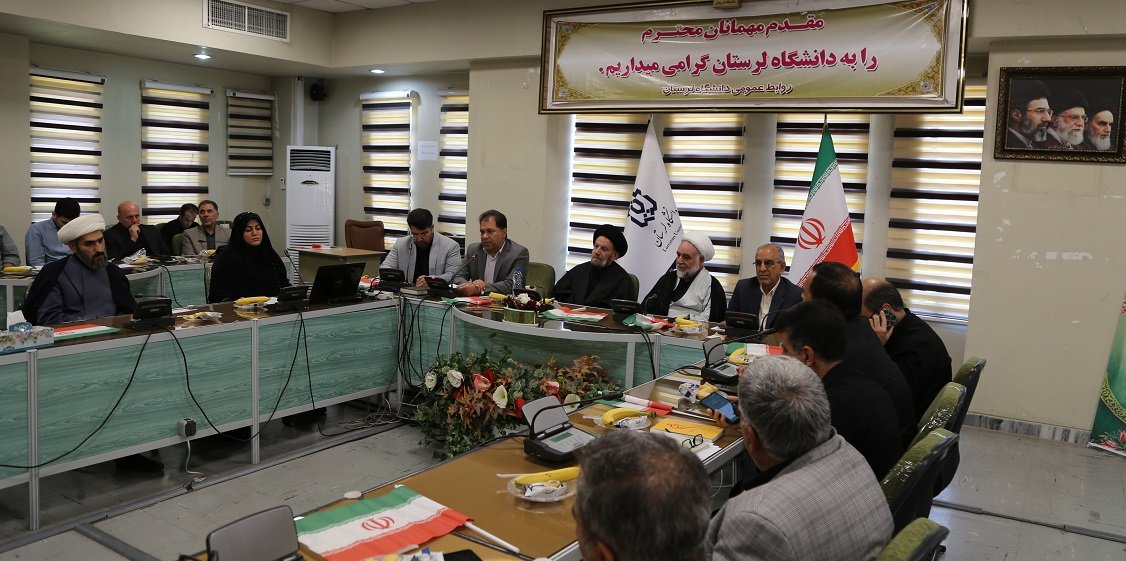
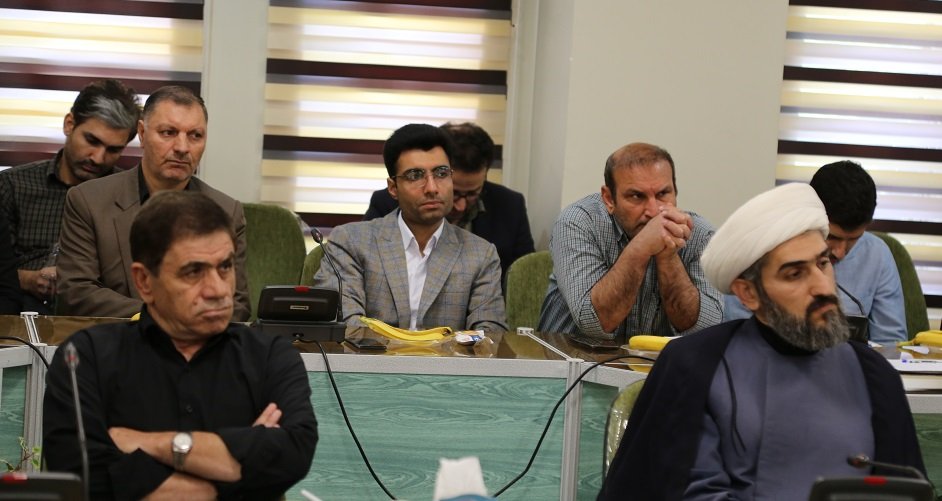
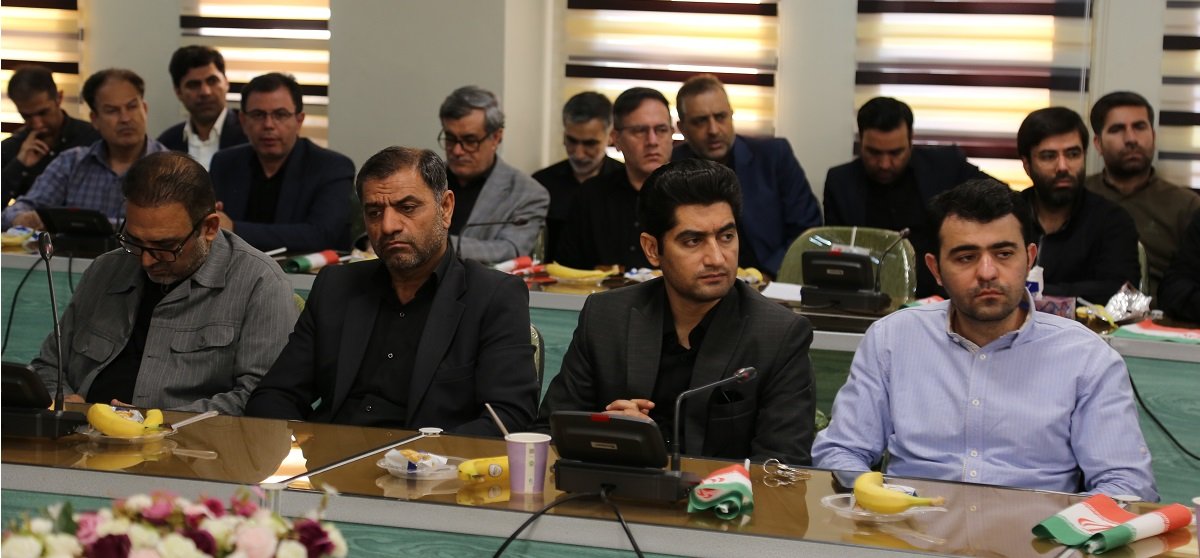
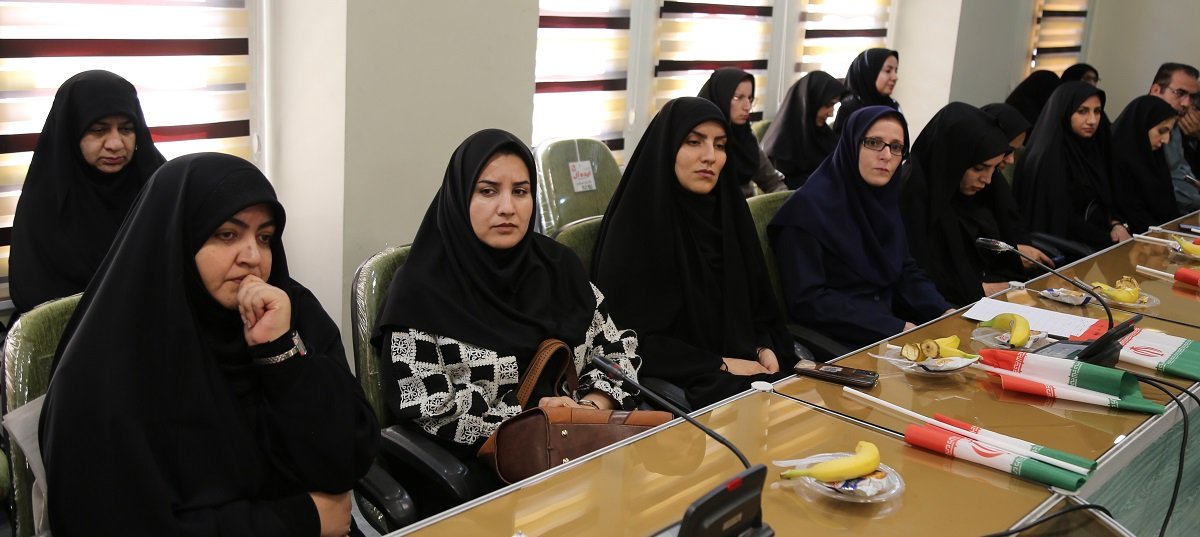
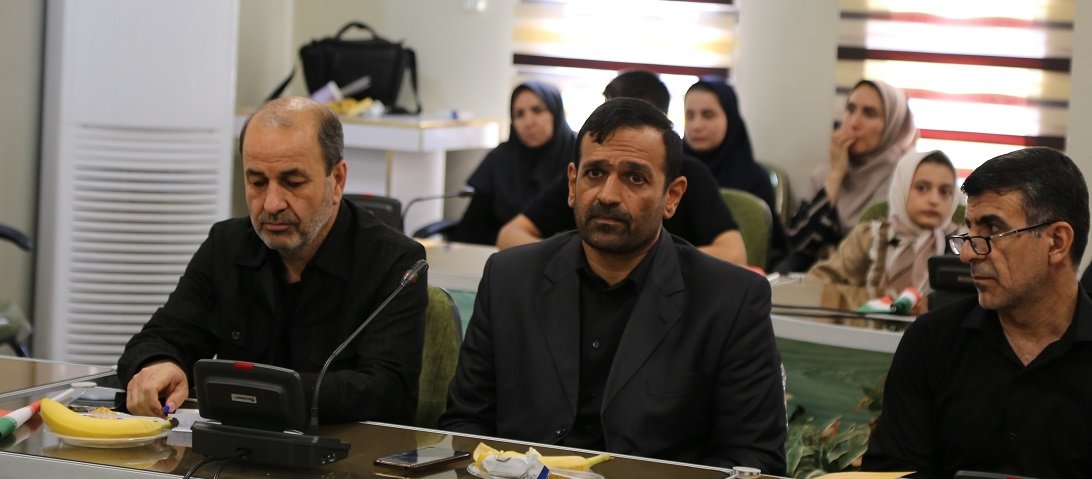
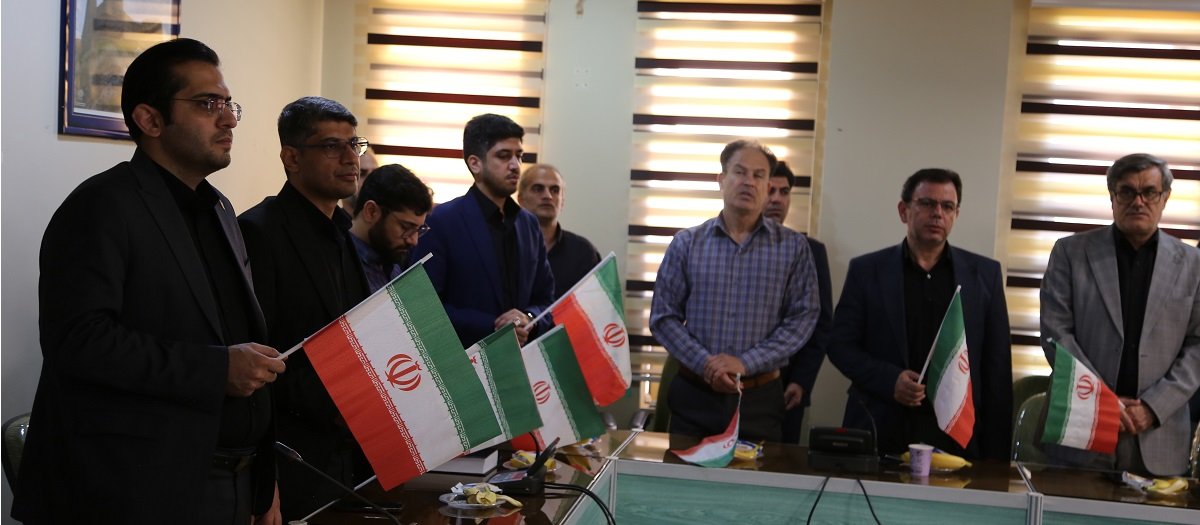
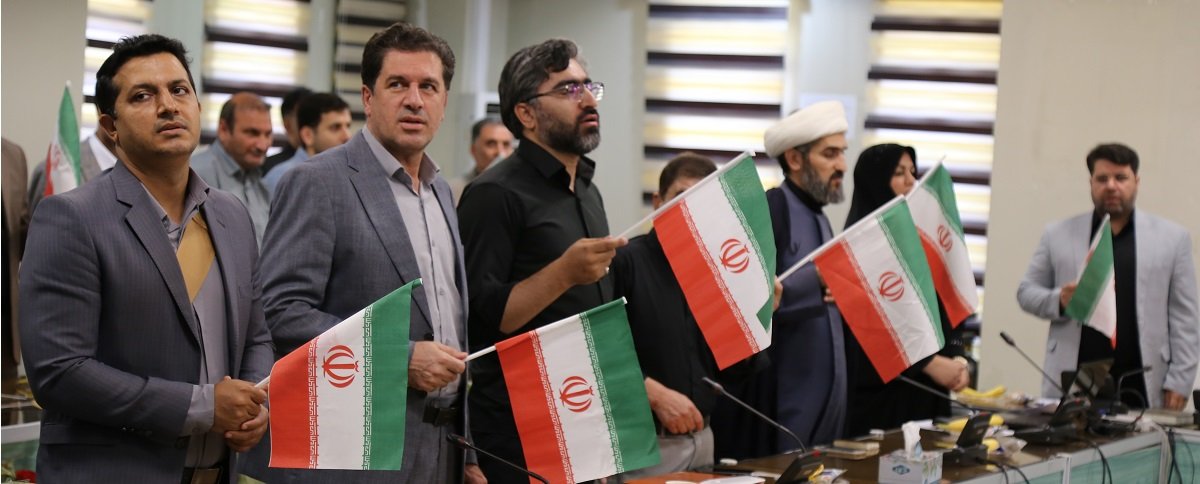
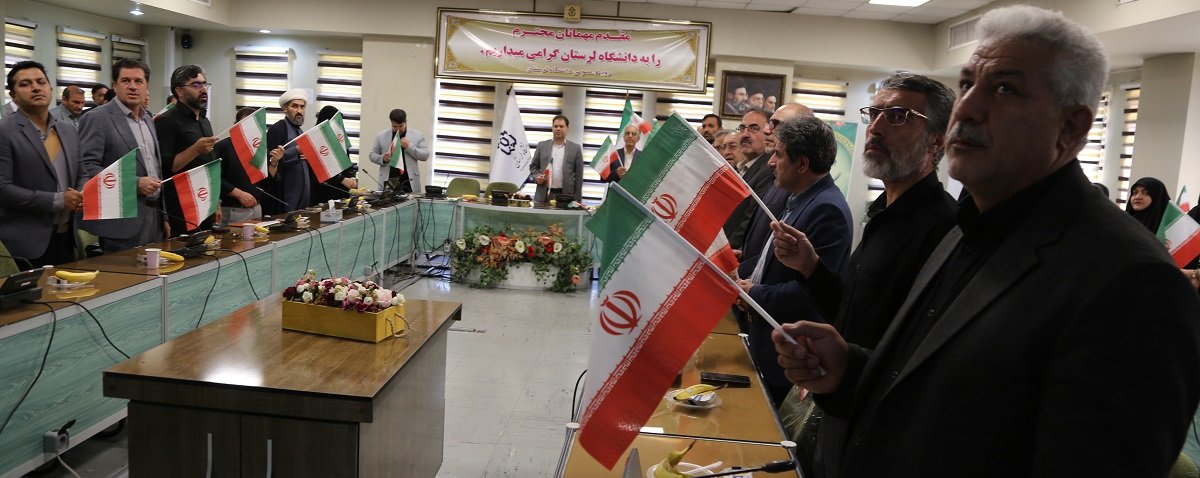
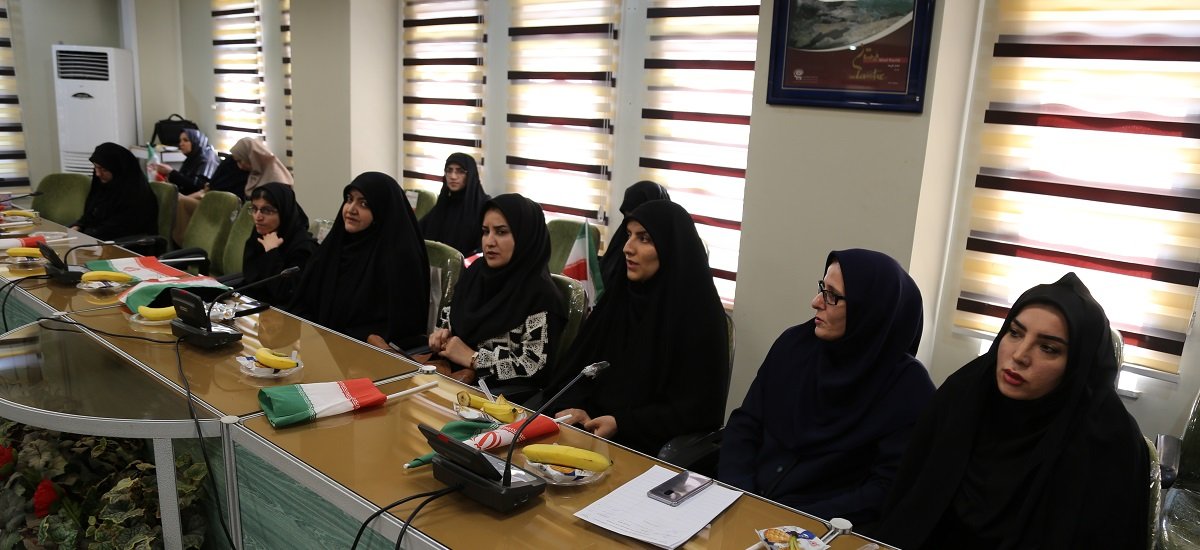
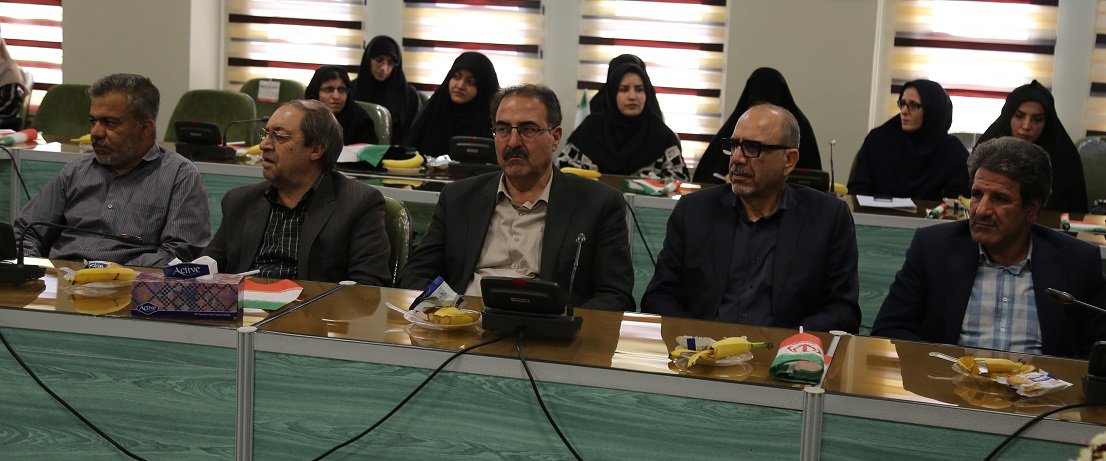
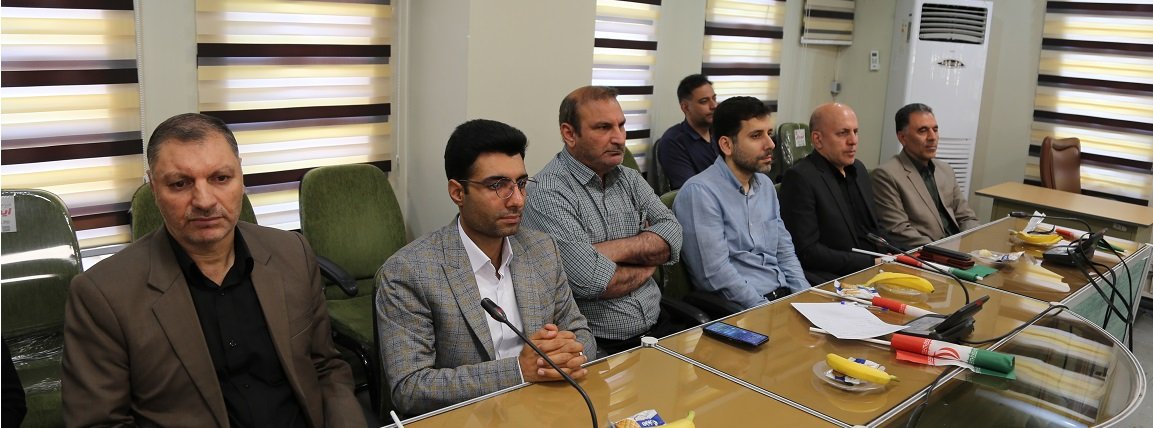
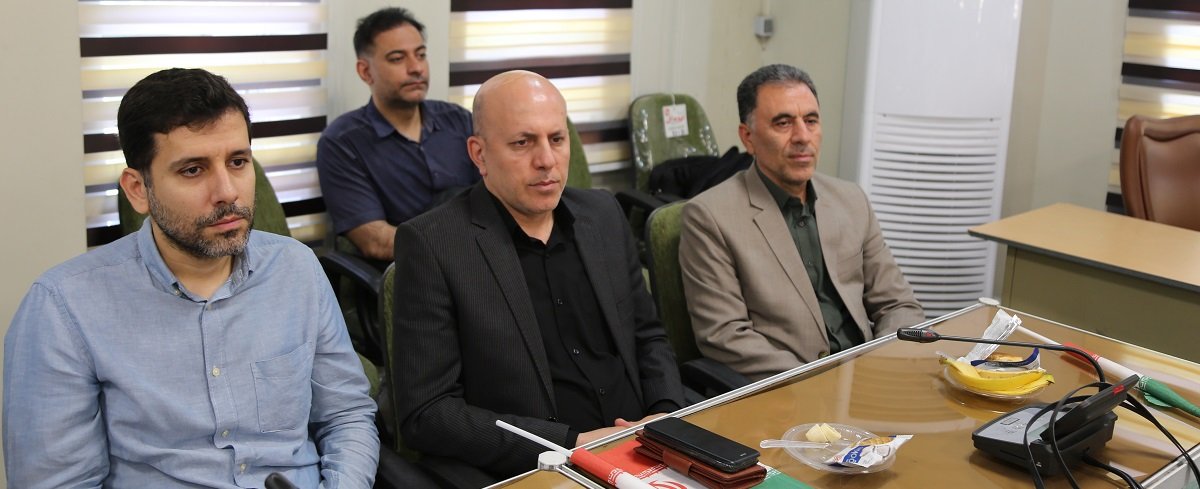
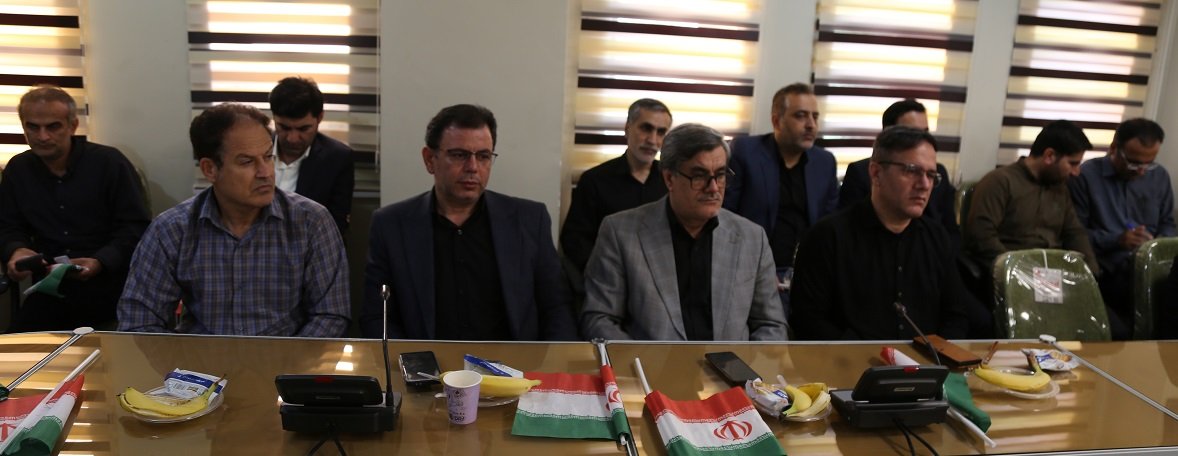
A gathering to commemorate the National Day of University Professors' Mobilization, as part of the national project of a thousand professorial sessions, emphasizing topics such as the role of universities in national power, society-building universities, national resistance, and the current mission of academics in the country's progress, was hosted by Lorestan University.
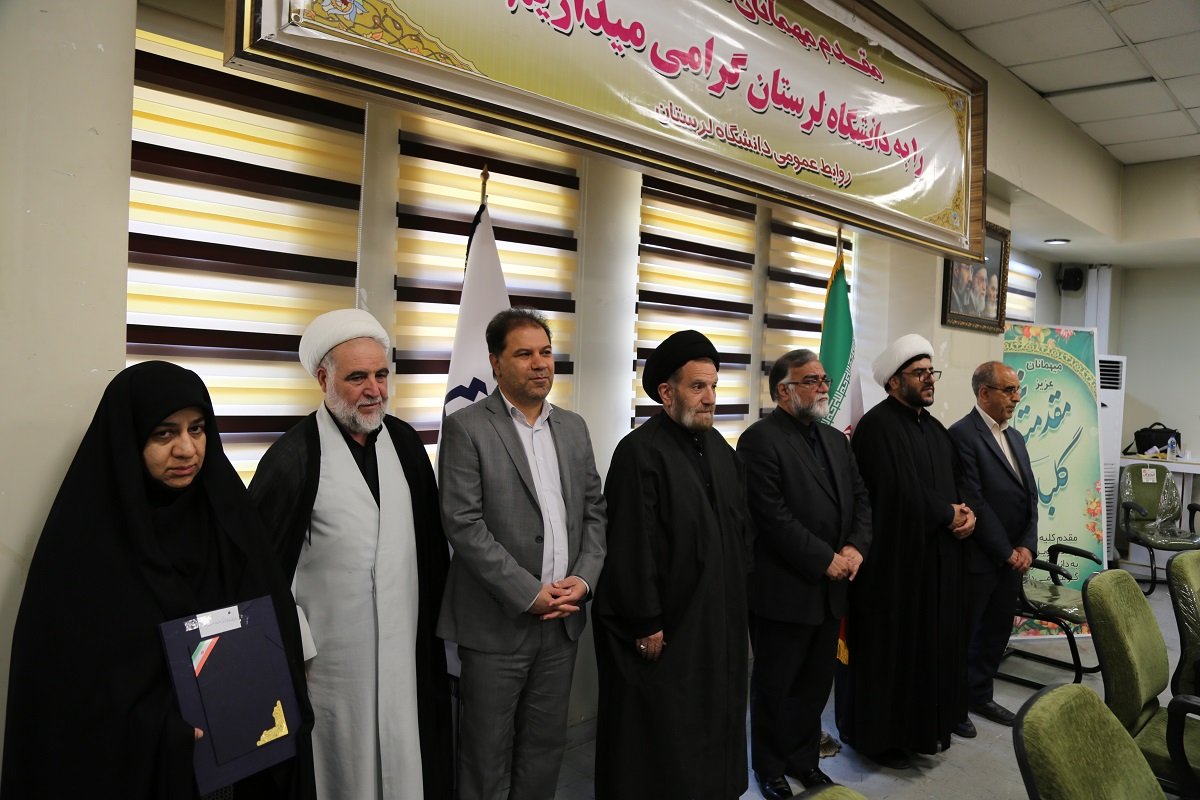
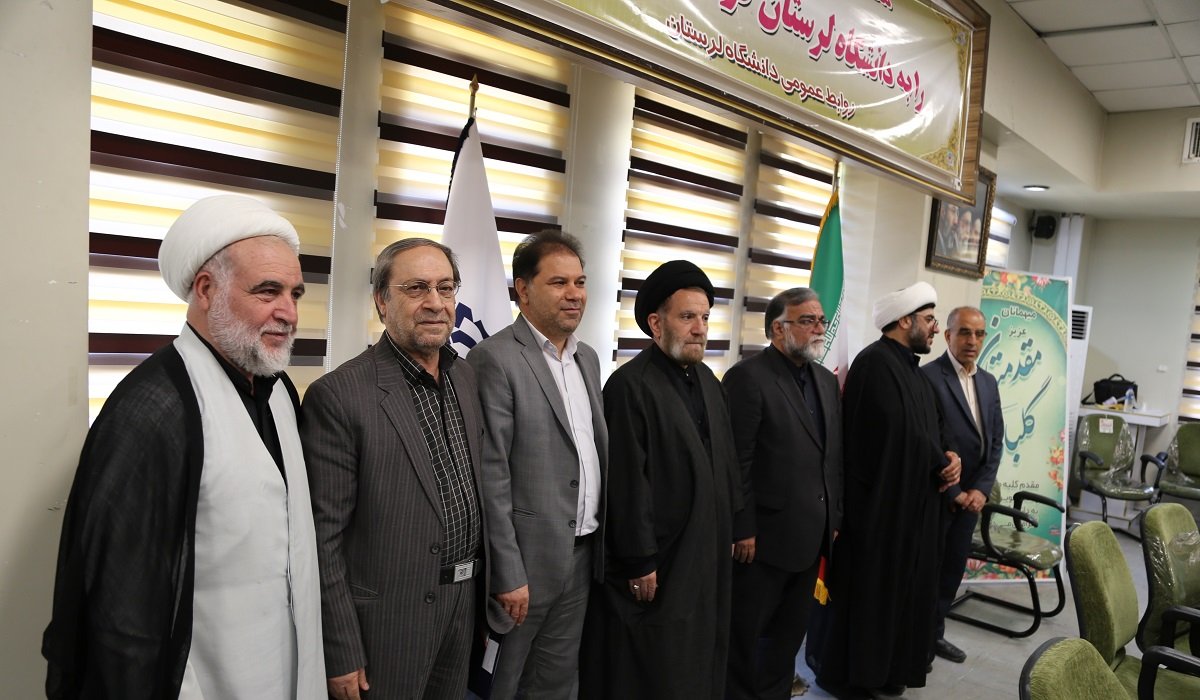
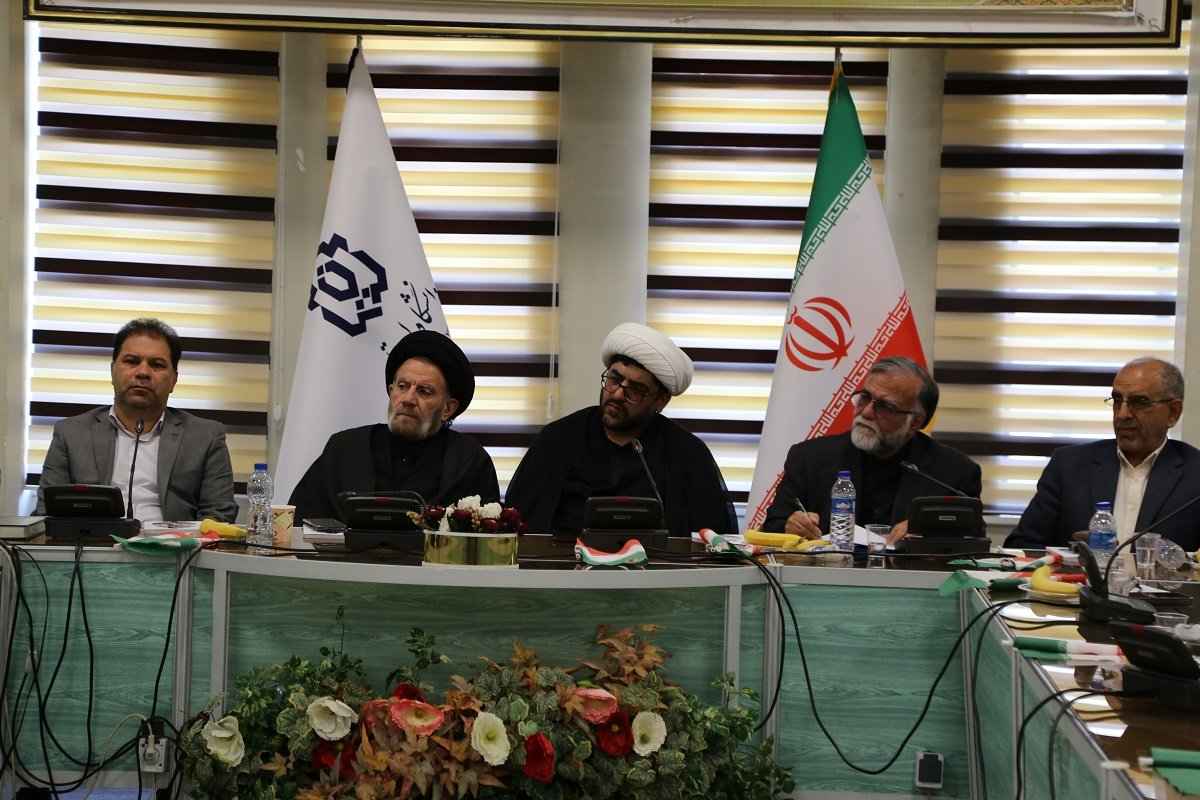
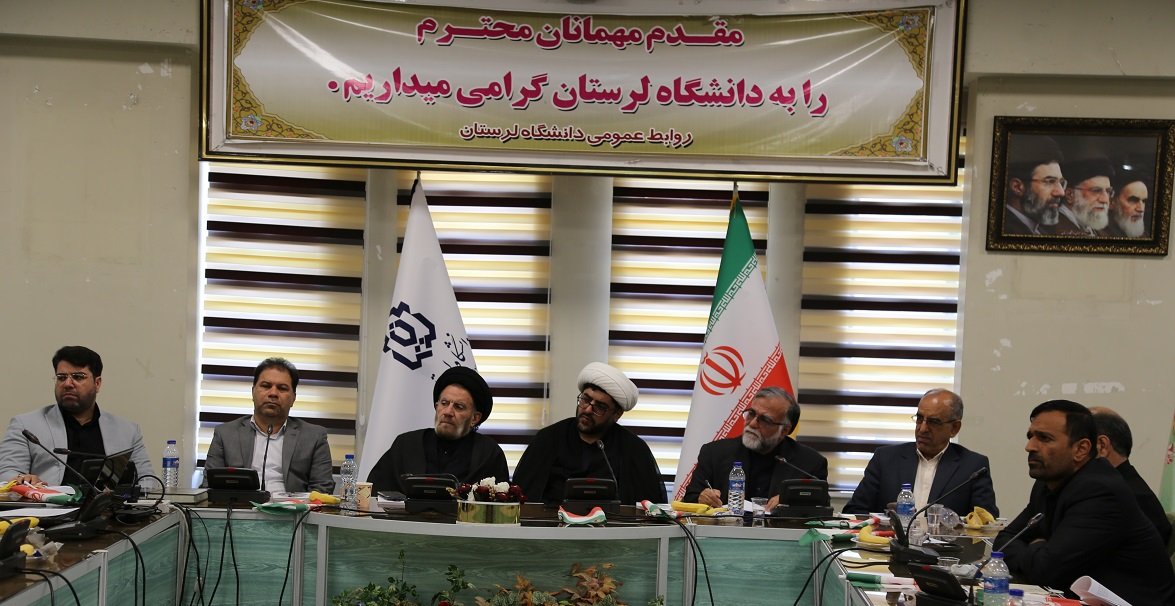
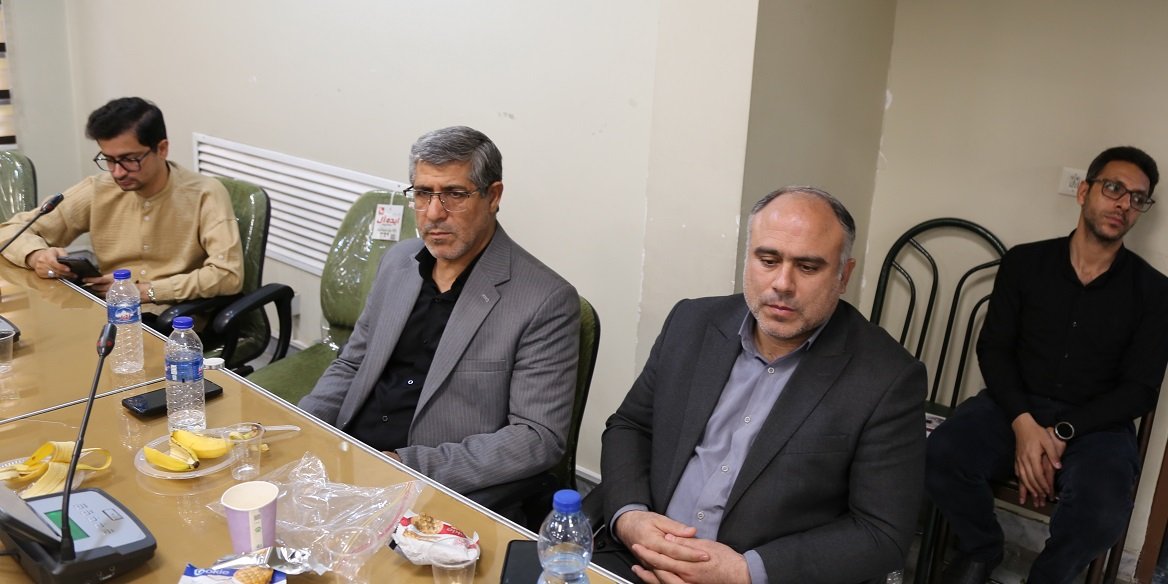
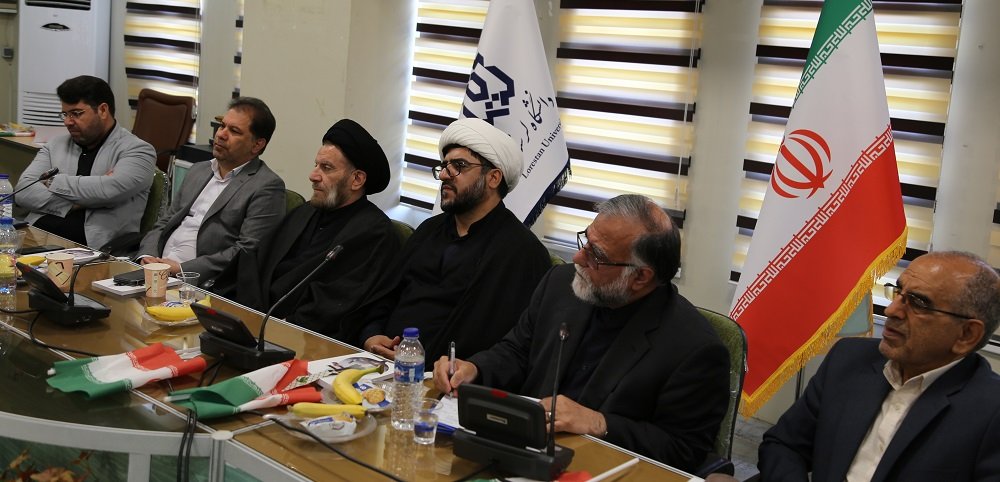
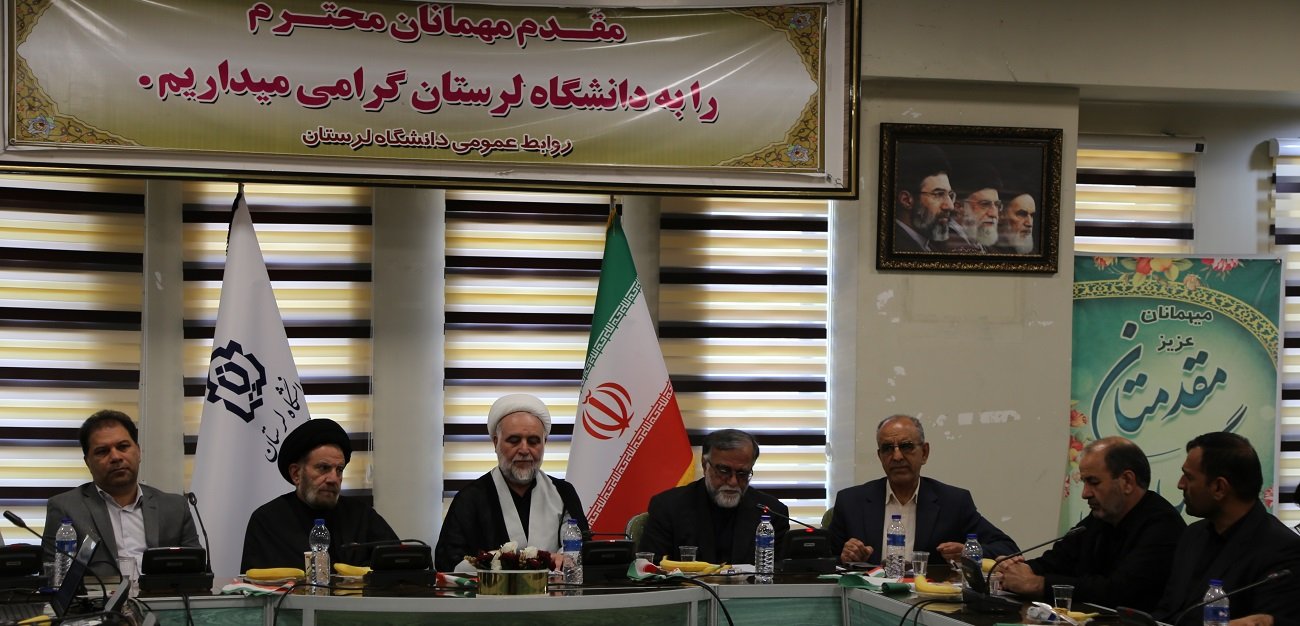
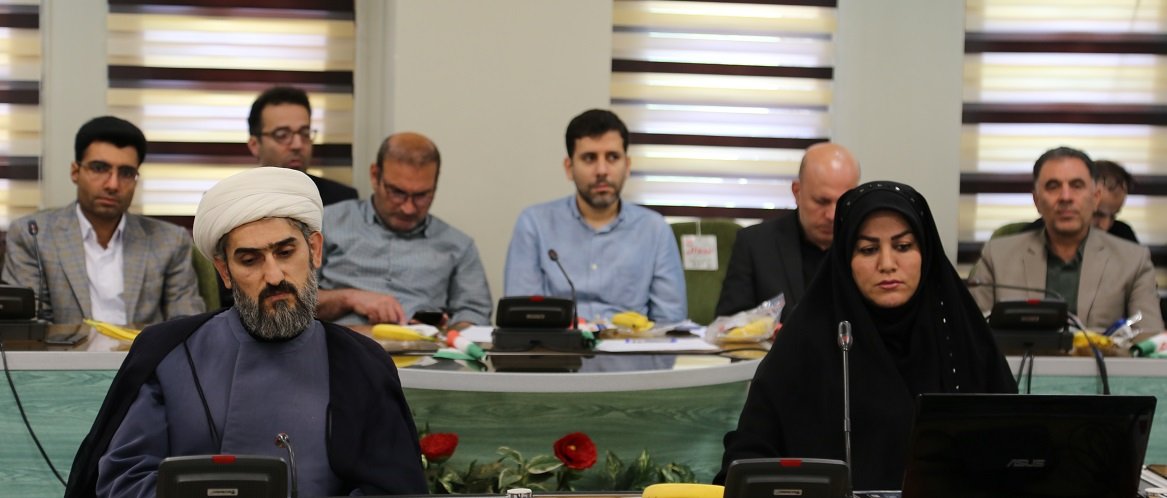
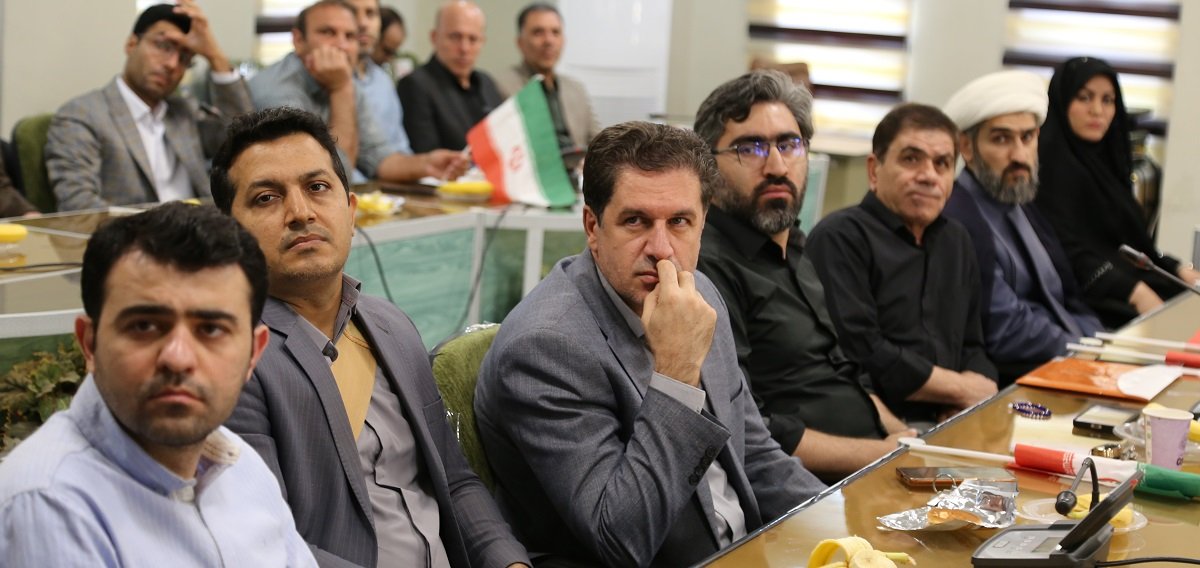
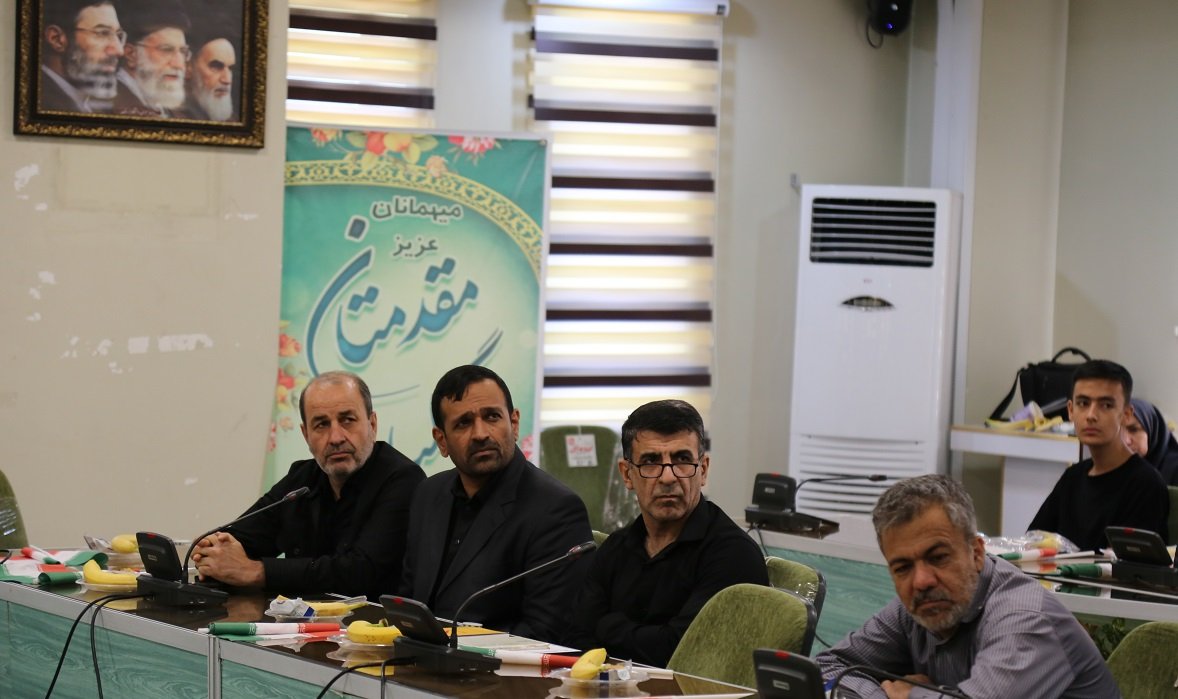
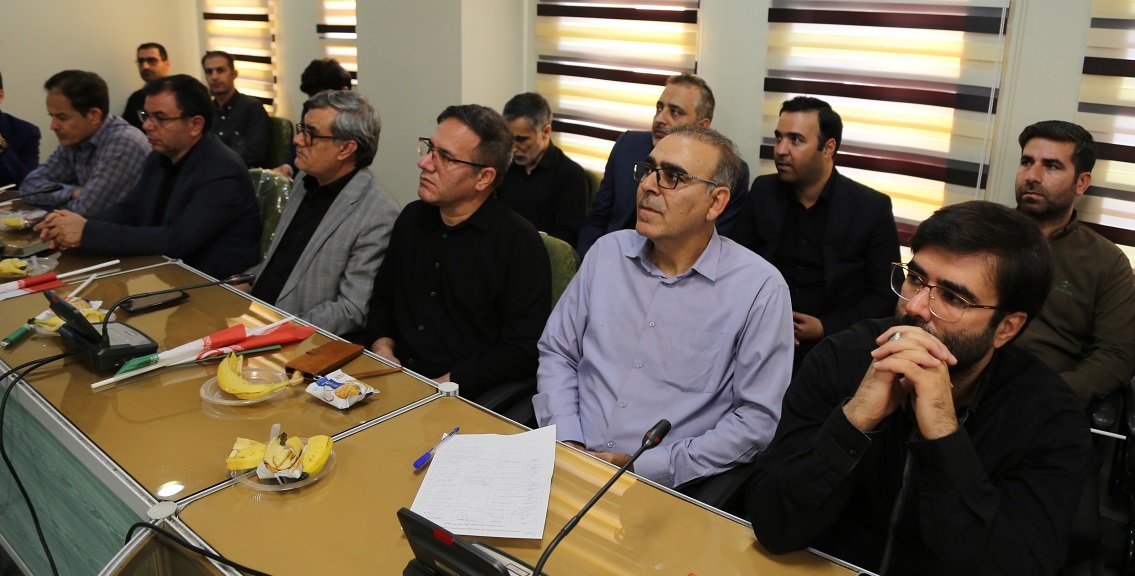
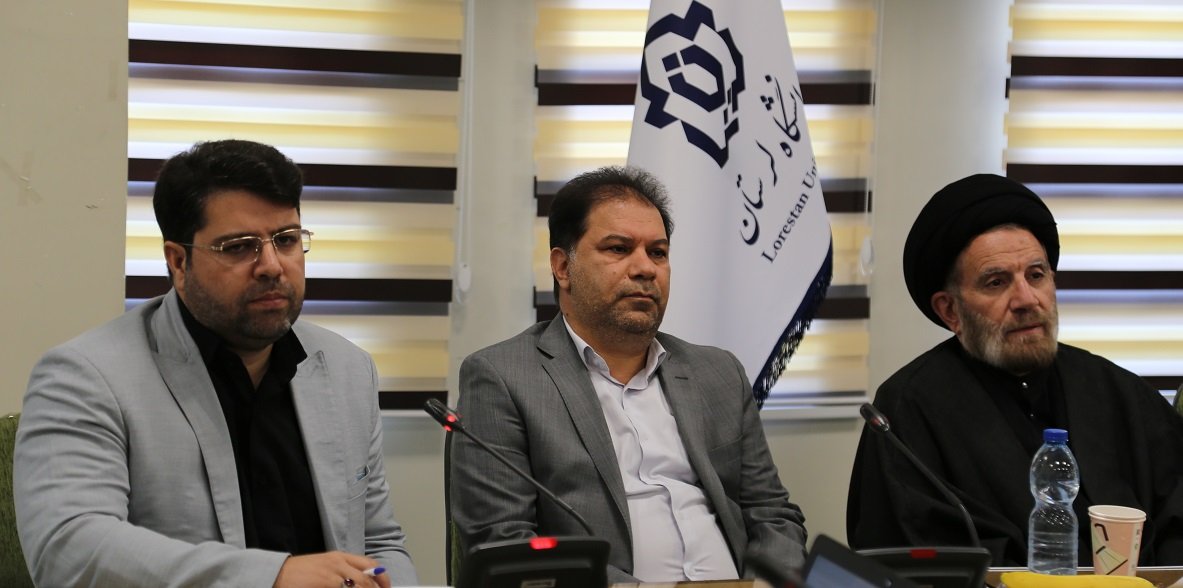
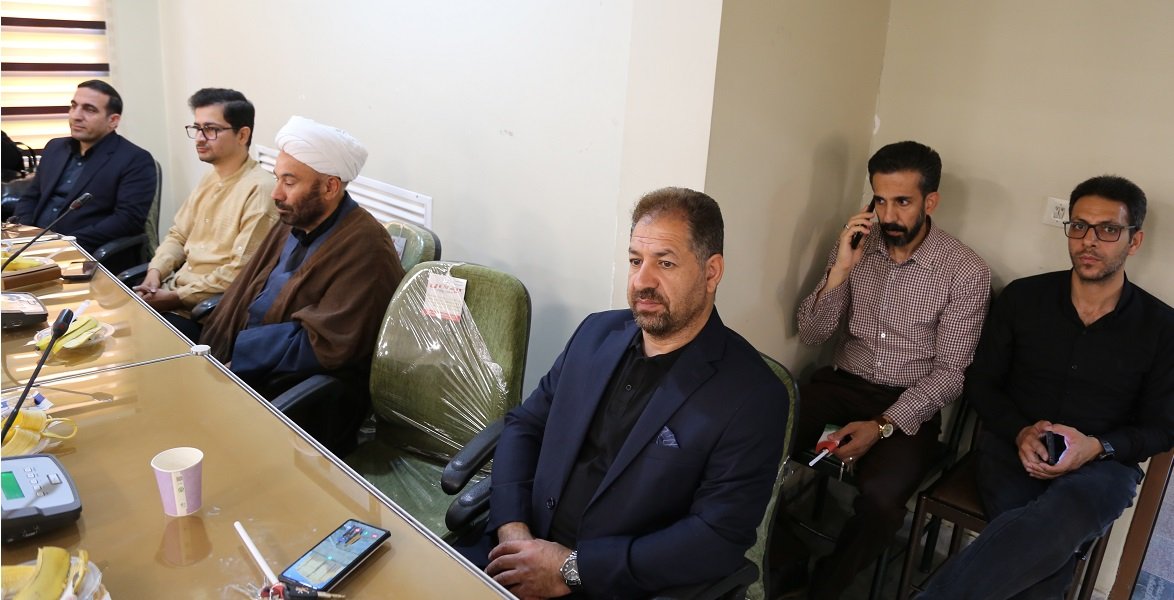
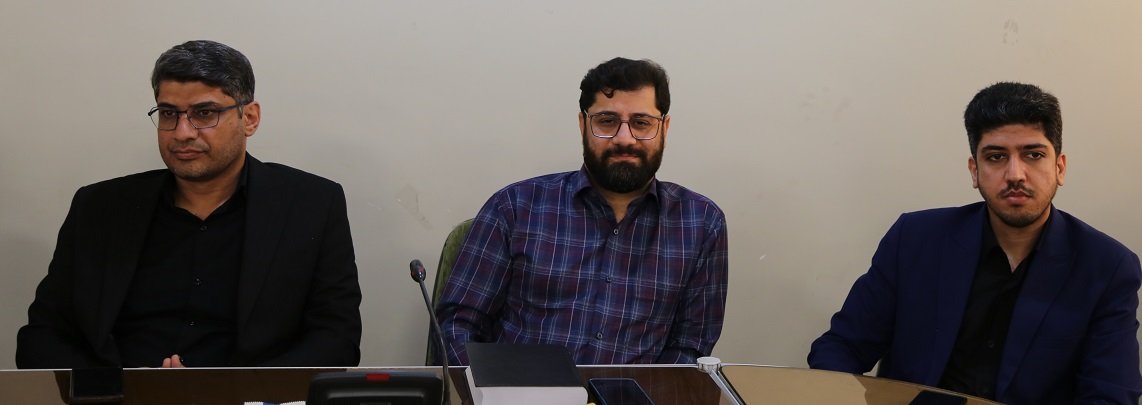
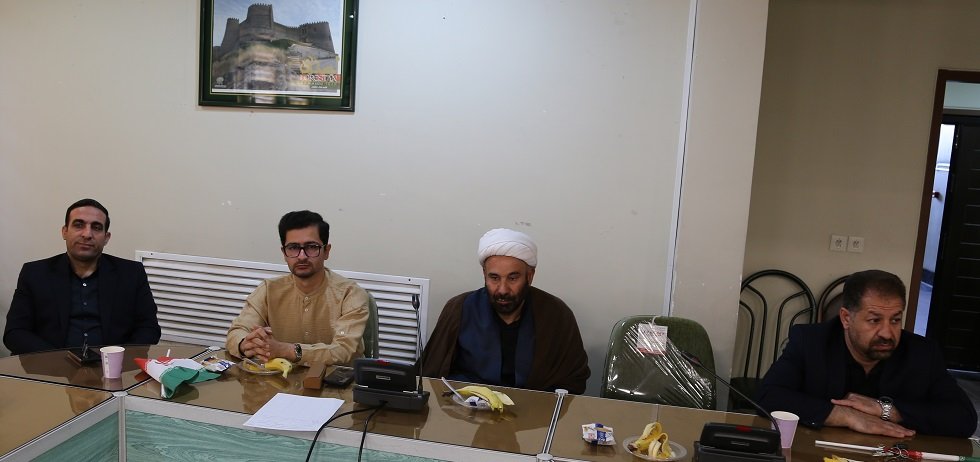
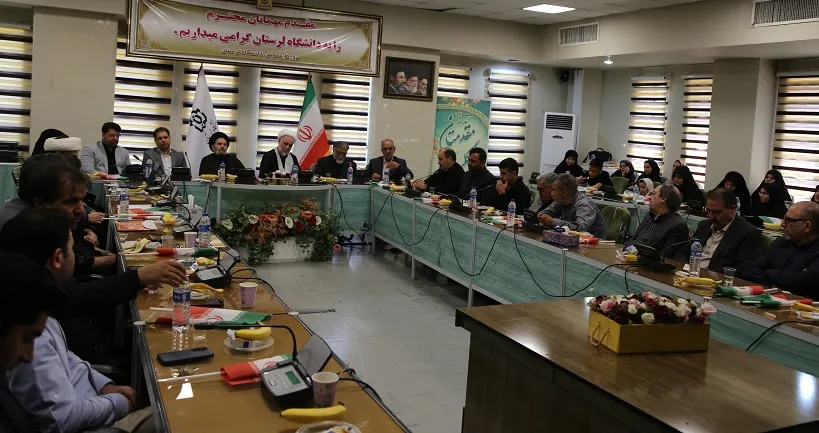
According to the Public Relations of Lorestan University, on Sunday, June 20th, with the presence of Hojjat al-Islam and al-Muslimin Dr. Seyed Ahmadreza Shakerkhi, the Supreme Leader's Representative in Lorestan Province and the Friday Prayer Leader of Khorramabad, Dr. Saeed Pourali, Deputy Political, Security, and Social Affairs of the Lorestan Governorate, Dr. Mehrdad Dadastani, President of Lorestan University, Hojjat al-Islam and al-Muslimin Ghasem Motaghinia, Head of the Astan Quds Razavi Office in Lorestan Province, Dr. Gholamhossein Hosseini, Head of the Organization of University Professors' Mobilization of Lorestan Province, and a group of mobilized professors from the province, a special session to commemorate the National Day of University Professors' Mobilization and the anniversary of the martyrdom of Dr. Mostafa Chamran, as part of the thousand professorial sessions project, a national initiative, was held at Lorestan University.
The session was organized by the University Professors' Mobilization Center of Lorestan University and the Organization of University Professors' Mobilization of Lorestan Province.
Capacities Should Be More Actively Utilized
The Supreme Leader's Representative in Lorestan Province, in his speech, while commemorating the National Day of University Professors' Mobilization, called for such elite university gatherings to be held regularly throughout the year with topics related to universities and society, and to continue.
Hojjat al-Islam and al-Muslimin Dr. Shakerkhi explained: "The participatory role of mobilized professors in resolving university and societal problems should be increased."
He stated: "The university possesses various capacities, and these human capacities should first be more actively engaged in resolving internal university problems; furthermore, the university should make greater efforts to participate in resolving societal problems with scientific approaches."
The Mission of Today's Chamran: A Society-Building University and Responsible Governance on the Path to Strengthening National Power
The Deputy Political, Security, and Social Affairs of the Lorestan Governorate, in his speech, said: "If Martyr Dr. Mostafa Chamran were among us today, he would undoubtedly define his mission in connecting the university with society, science with people's issues, technology with national power, and resistance with responsible governance."
Dr. Saeed Pourali elaborated: "If Martyr Chamran were among us today, he would ask us to take knowledge from the classroom, the laboratory, and the university to society, and to transition from knowledge production to the production of social power and national power; Chamran, in today's context, would certainly advocate for a university that solves problems and for a university that empowers youth."
Dr. Pourali added: "If Martyr Chamran were among us today, he would advocate for a university that rebuilds public trust and generates predictive and proactive power against social, scientific, cultural, security, and educational harms; these claims explain that the mission of 'today's Chamran' is to build a society-building university, problem-solving technology, and multidimensional national resistance, commensurate with the logic of hybrid warfare."
He stated: "If 'today's Chamran' were present in the arena of the university, in the arena of science, in the arena of technology, and in the arena of national resistance, what would he consider his duty? Part of the answer to this question must be sought in the intellectual and practical legacy of Martyr Chamran."
The Deputy Political, Security, and Social Affairs of the Lorestan Governorate noted: "Martyr Chamran was not the type of personality to keep knowledge confined within himself; he was someone who transformed knowledge into decisions, decisions into actions, and actions into national power; Martyr Chamran should be recognized throughout his life as someone engaged in these spheres: a scholar who was a combatant; a combatant who was a mystic; a mystic who was a lover; a companion who was loyal to Imam Musa Sadr and lost himself in him; and a scholar who actively and significantly participated in the fields of the Islamic Revolution and alongside the founder of the Islamic Republic."
Dr. Saeed Pourali continued: "The significance of Martyr Chamran lies in connecting the realm of the university, the realm of science, the realm of technology, and the realm of national resistance with the honor and grandeur of society, especially the Shia society; a task he accomplished well in Lebanon alongside Imam Musa Sadr; the work that Martyr Chamran, with his love for the honor of Shiites in Lebanon, occupied him; the point of significance of Martyr Chamran's experience is in connecting these realms with each other; especially since Martyr Chamran considered knowledge valuable only when it could solve problems in society and strengthen the country's independence."
He explained: "If Martyr Chamran were among us today, he would stand against a university that has distanced itself from the people and would resist a university that is alien to the people's issues; if Chamran were here today, he would stand against a university where the concept of independence and honor was lost under the guise of scientific slogans; Martyr Chamran would stand against a university for which the dignity of society was not an issue; he would stand against a society that reduced knowledge solely to individual skill; the mission of Martyr Chamran in our time is to return the university to the heart of society and to bring technology back into the service of national power; the same work that universities have done in the fields of nuclear energy, stem cells, missiles, nanotechnology, and so on; all these services are in a way directly related to the achievements and legacy of Martyr Chamran, and all these steps have been in service of building a strong Iran and building the great national power of Iran."
In another part of his speech, Pourali referred to the experience in Lebanon: "Alongside Imam Musa Sadr in Lebanon, Martyr Chamran faced a society suffering from historical deprivation, social organizational weakness, lack of education, insecurity, and humiliation; the solution of Martyr Chamran and Imam Musa Sadr was not in sporadic, weak, issue-less, unstudied movements; their movement and goal were based on social institution-building; they sought empowerment; the movement of Martyr Chamran and Imam Musa Sadr materialized in the organization of youth; their goal was achieved by building honor for the Shia community within a sectarian structure {Lebanon}; Martyr Chamran and Imam Musa Sadr transformed religious identity in Lebanon into an active social identity."
The Political Deputy of the Governorate, in another part of his speech, explained: "We witness that the outcome of the 12-day imposed war, Ramadan, and the failed coup of January 1404 (2025) is the birth of a strong Iran; today, a new narrative of Iran is being formed globally; a narrative based on respect for Iran as a pride-generating power; this itself is the birth of a new and strong Iran in the world; an Iran that did not collapse under the peak of enemy aggression and powerfully defended its independence and sovereignty."
The Personality of Martyr Chamran: The Link Between Science and Sacrifice
The President of Lorestan University, in his speech at this gathering, said: "The martyred Imam of the Islamic Revolution lived like Hussein and was martyred like Hussein, which is a very instructive and great lesson for all the world."
Dr. Mehrdad Dadastani explained: "One of the influential role models for Iranian academics is Martyr Dr. Mostafa Chamran; we are honored that the anniversary of his martyrdom has been designated as the National Day of University Professors' Mobilization."
Dr. Dadastani added: "The lifestyle of Martyr Chamran is a clear example of responsibility; he was serving the homeland with utmost commitment and responsibility until the moment of his martyrdom."
He stated: "The personality of Martyr Chamran was the link between science and sacrifice; he is a role model in both science and the sacrifice of his life for the homeland."
The President of Lorestan University stated: "Although Martyr Chamran resided in America, he returned to the country to defend the oppressed and defend Iran, and this itself is a very great lesson for all of us."
Dr. Dadastani noted: "University professors hold social authority in society; therefore, the role of a professor in explaining current societal issues is very important; explanation and enlightenment are among the valuable missions of professors."
Martyr Chamran: A Professor and a Jihadist of the Islamic Revolution
The Head of the Organization of University Professors' Mobilization of Lorestan Province said at this gathering: "Martyr Chamran was a professor and a jihadist of the Islamic Revolution; Martyr Chamran, through his conduct, was a representative of the Islamic Revolution."
Dr. Gholamhossein Hosseini, in another part of his speech, explained regarding the current societal issue of the US-Iran memorandum of understanding: "We must follow the Supreme Leader; the final word belongs to the Supreme Leader; in this situation, opinions that cause division in society should not be expressed."
In a part of his statements, Dr. Hosseini also mentioned some of the professional and livelihood issues of professors.
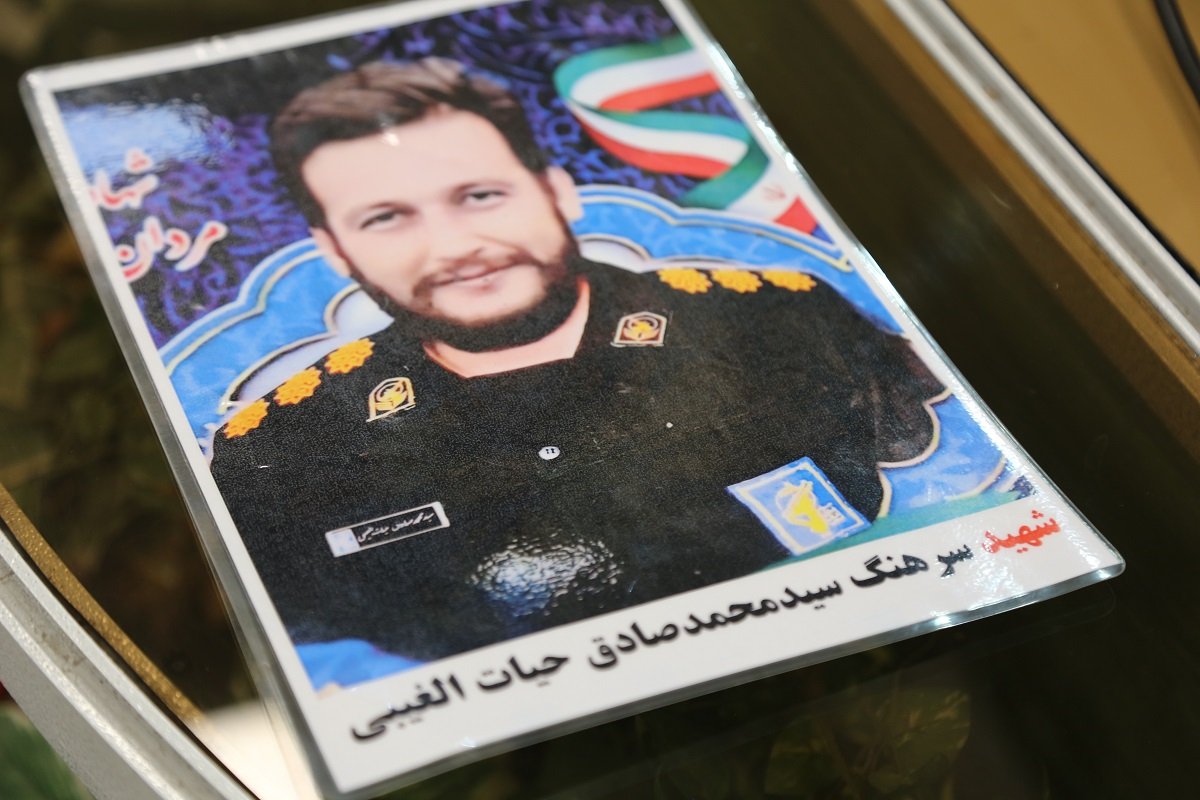
Honoring the Esteemed Family of Martyr Hayat al-Ghaibi
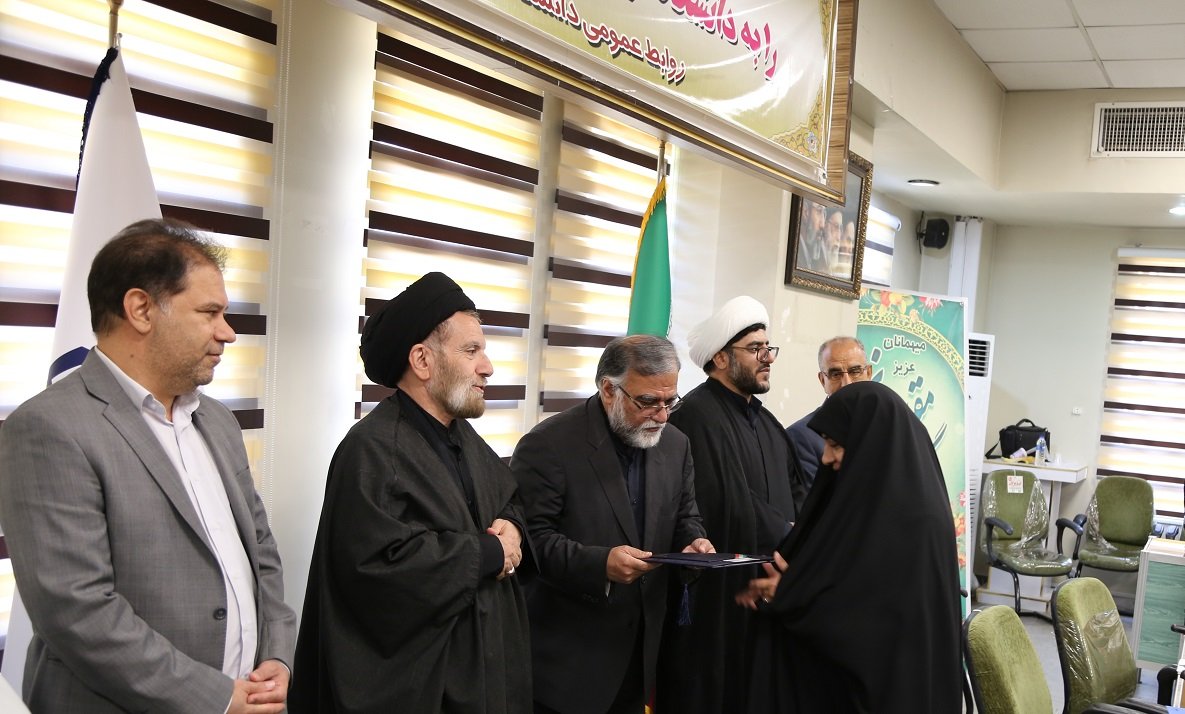
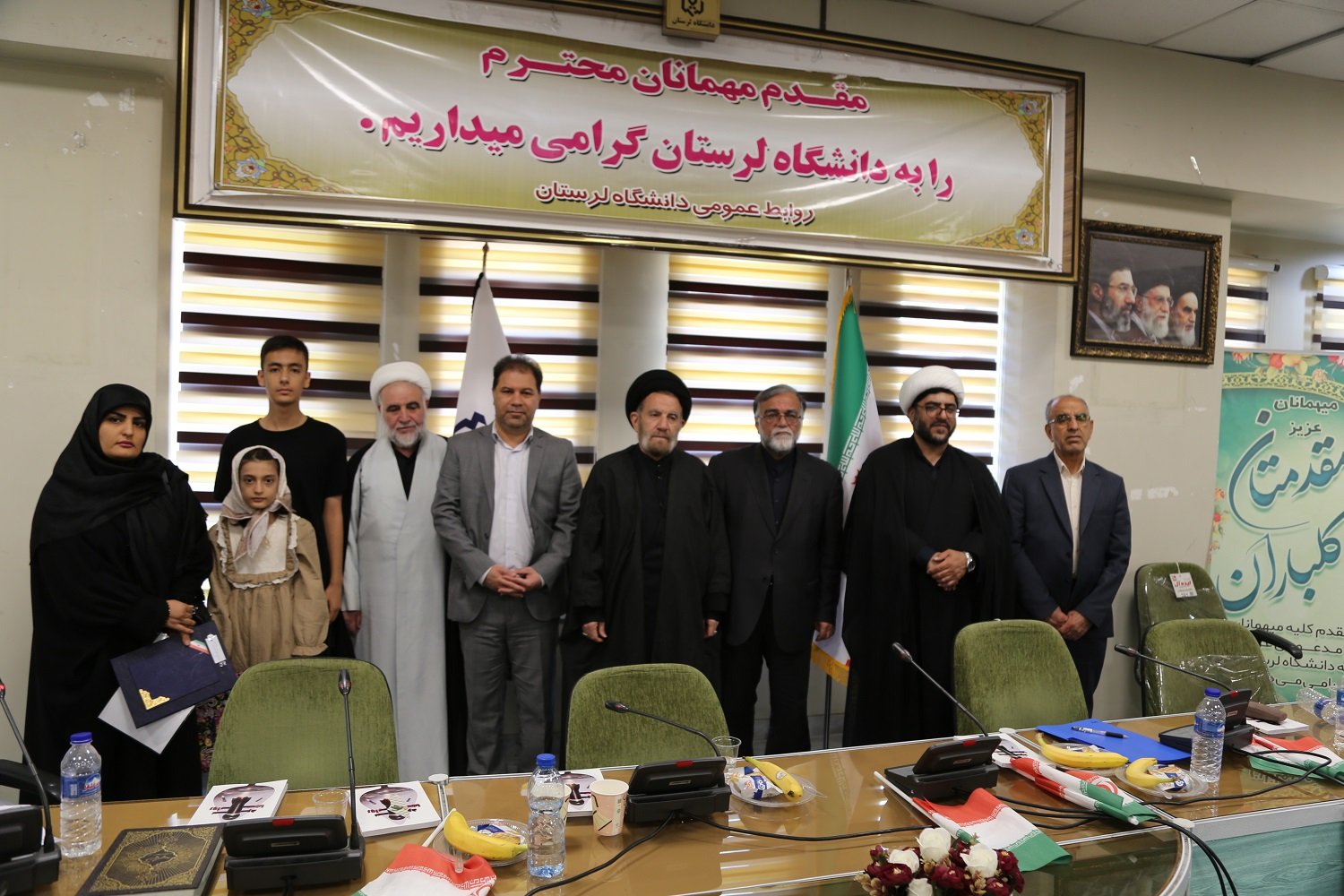
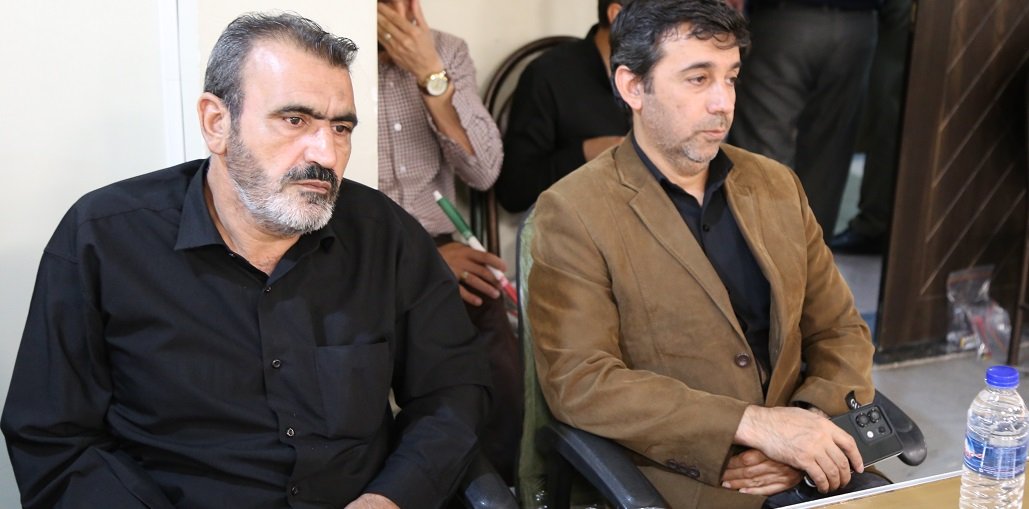
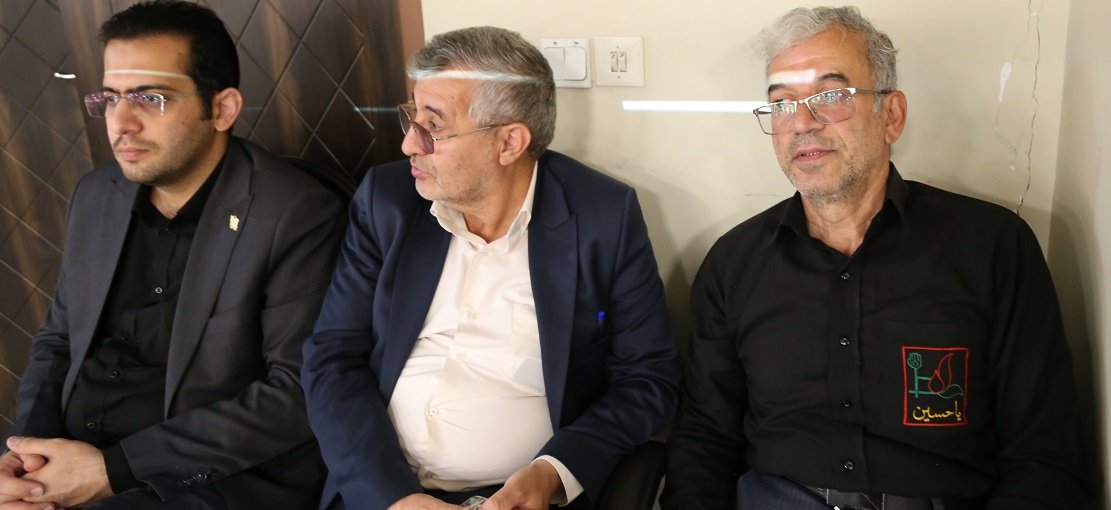
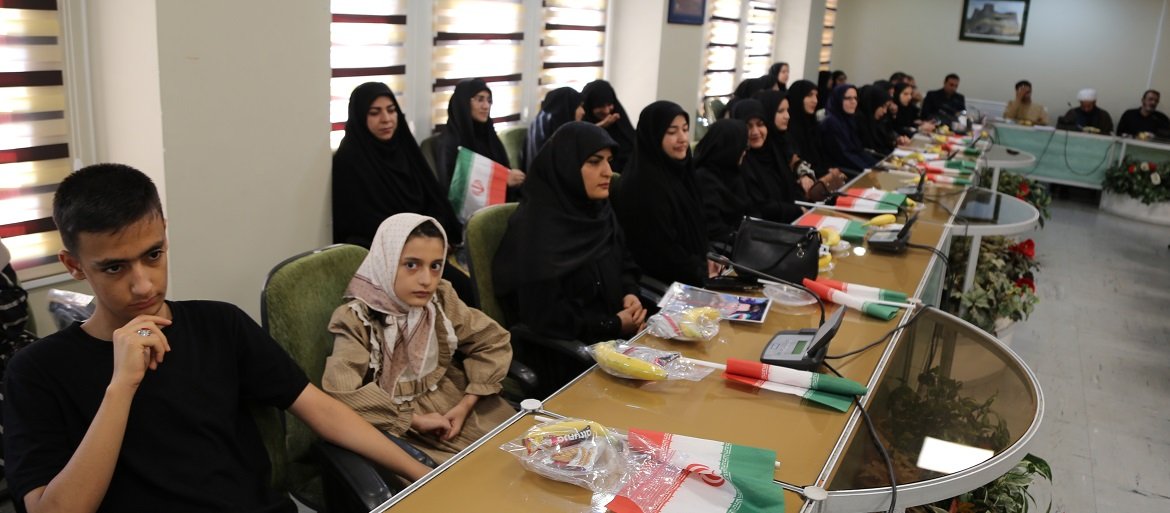
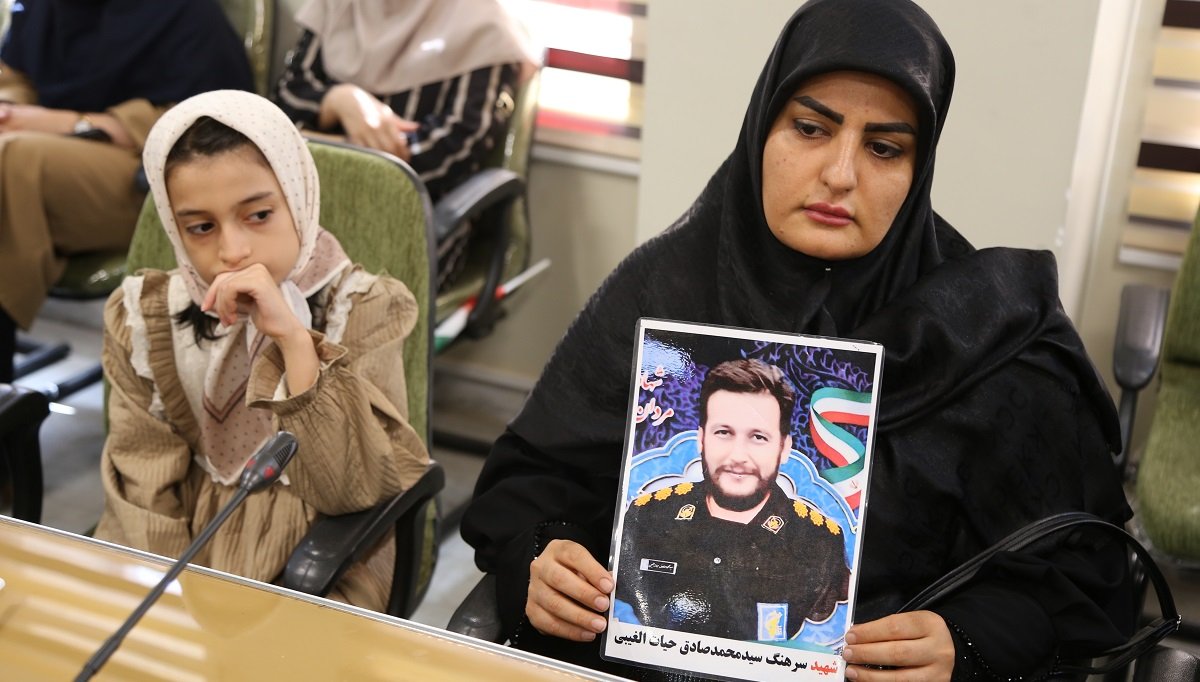
At this gathering, the esteemed family of the honorable martyr Colonel Seyed Mohammad Sadegh Hayat al-Ghaibi was honored.
Honoring Two Faculty Members of Lorestan University
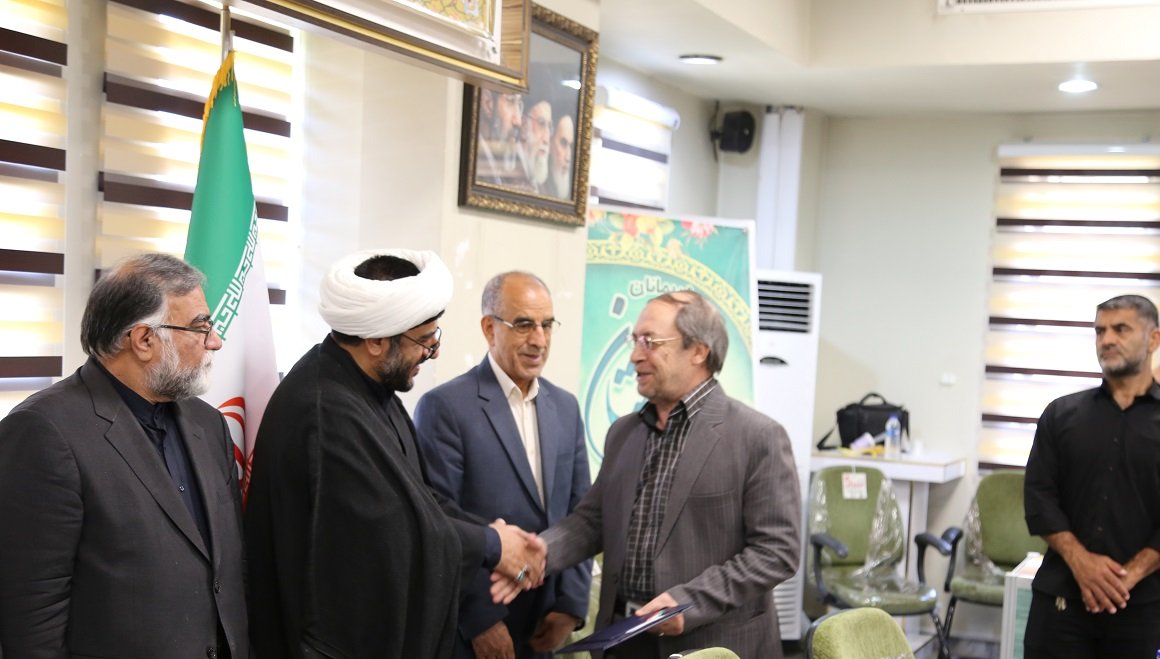
At this gathering, Dr. Hadi Ahmadi, a faculty member of the Department of Plant Production Engineering and Genetics, Faculty of Agriculture, and Dr. Kobra Khosravi, a faculty member of the Department of Arabic Language and Literature, Faculty of Literature and Humanities, Lorestan University, were honored for their continuous activities at the Lorestan University Martyrs' Pavilion.
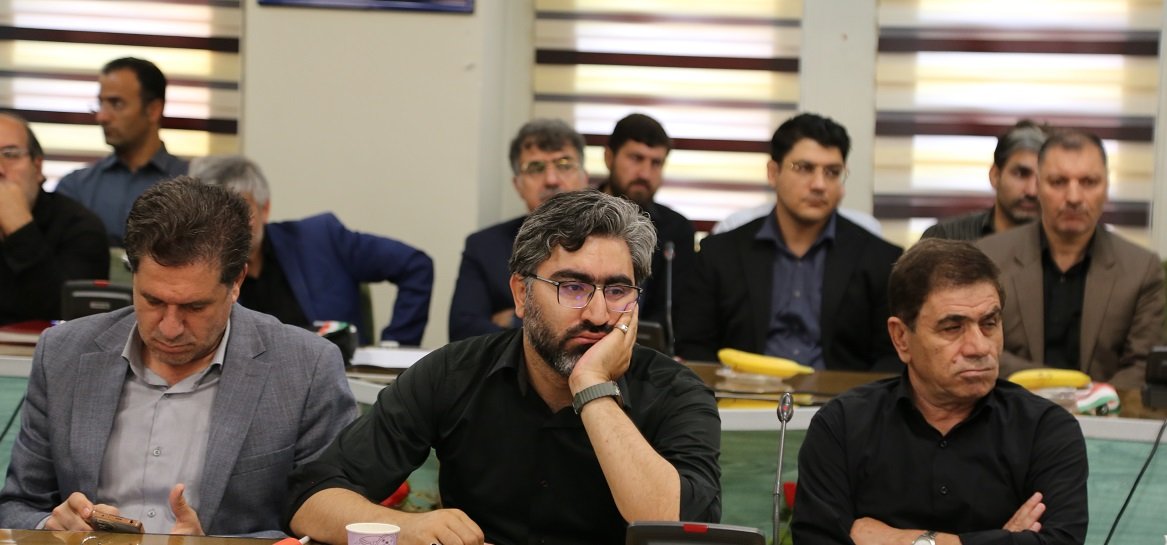
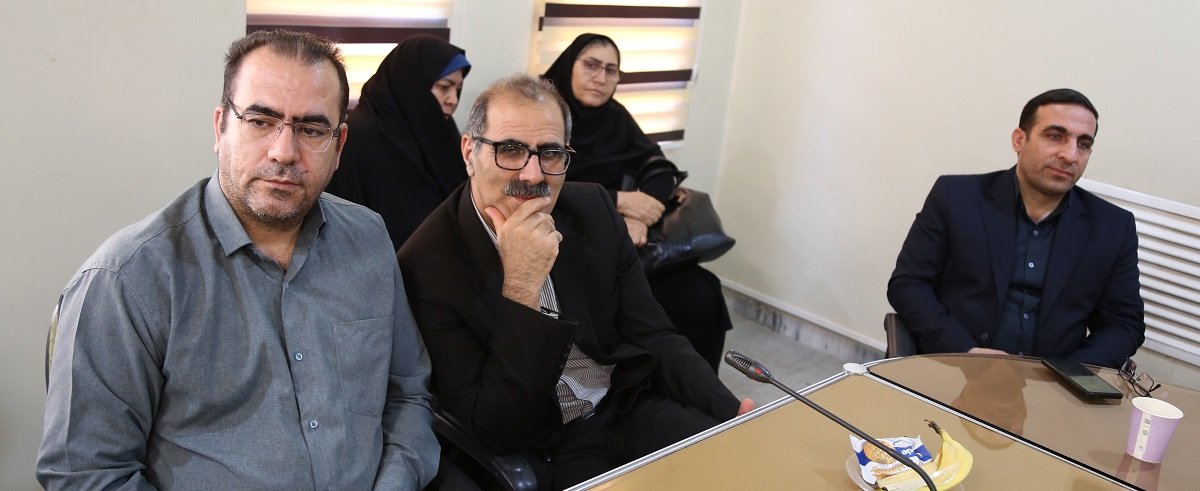
At this gathering, professors expressed their views and opinions on various current societal issues.