
The future of science and technology depends on the interdisciplinary linkage of knowledge, philosophical thinking, and scientific ethics.
 Oct 19, 2026
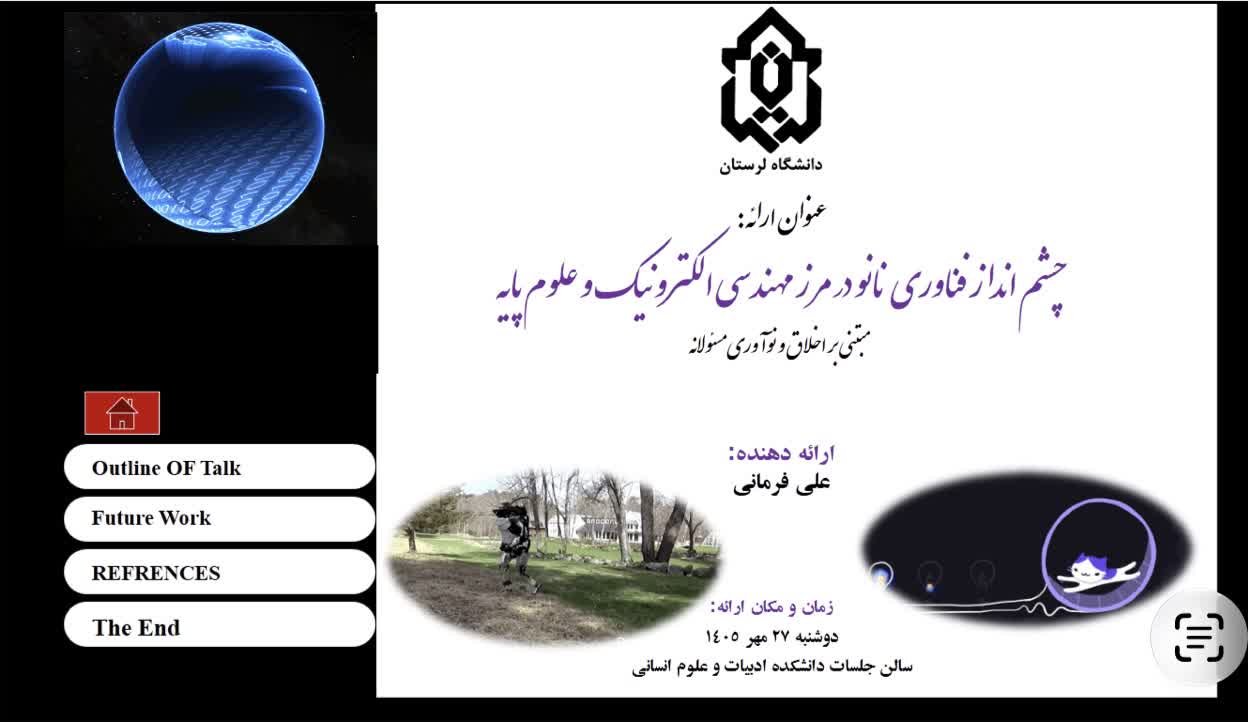
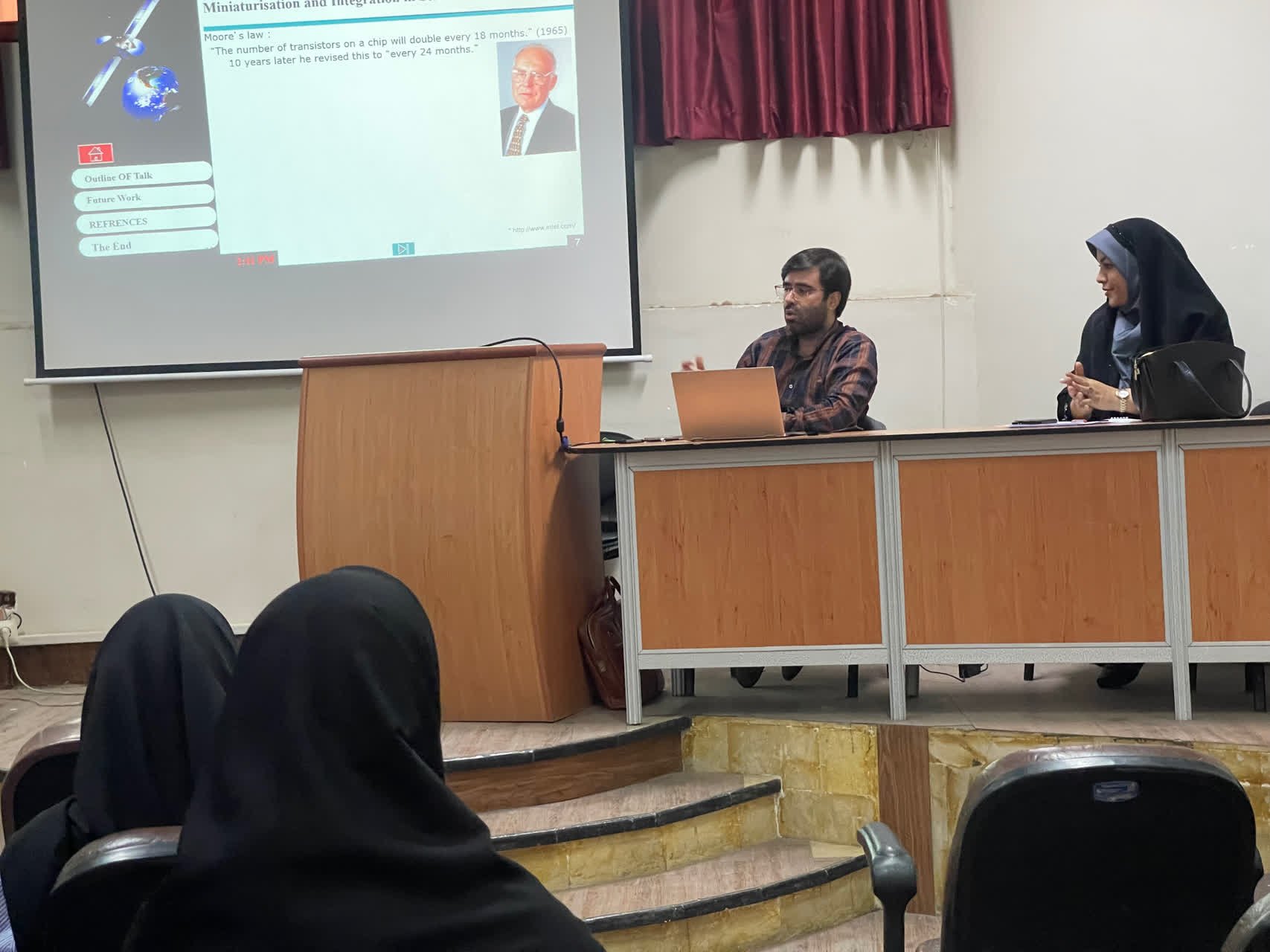
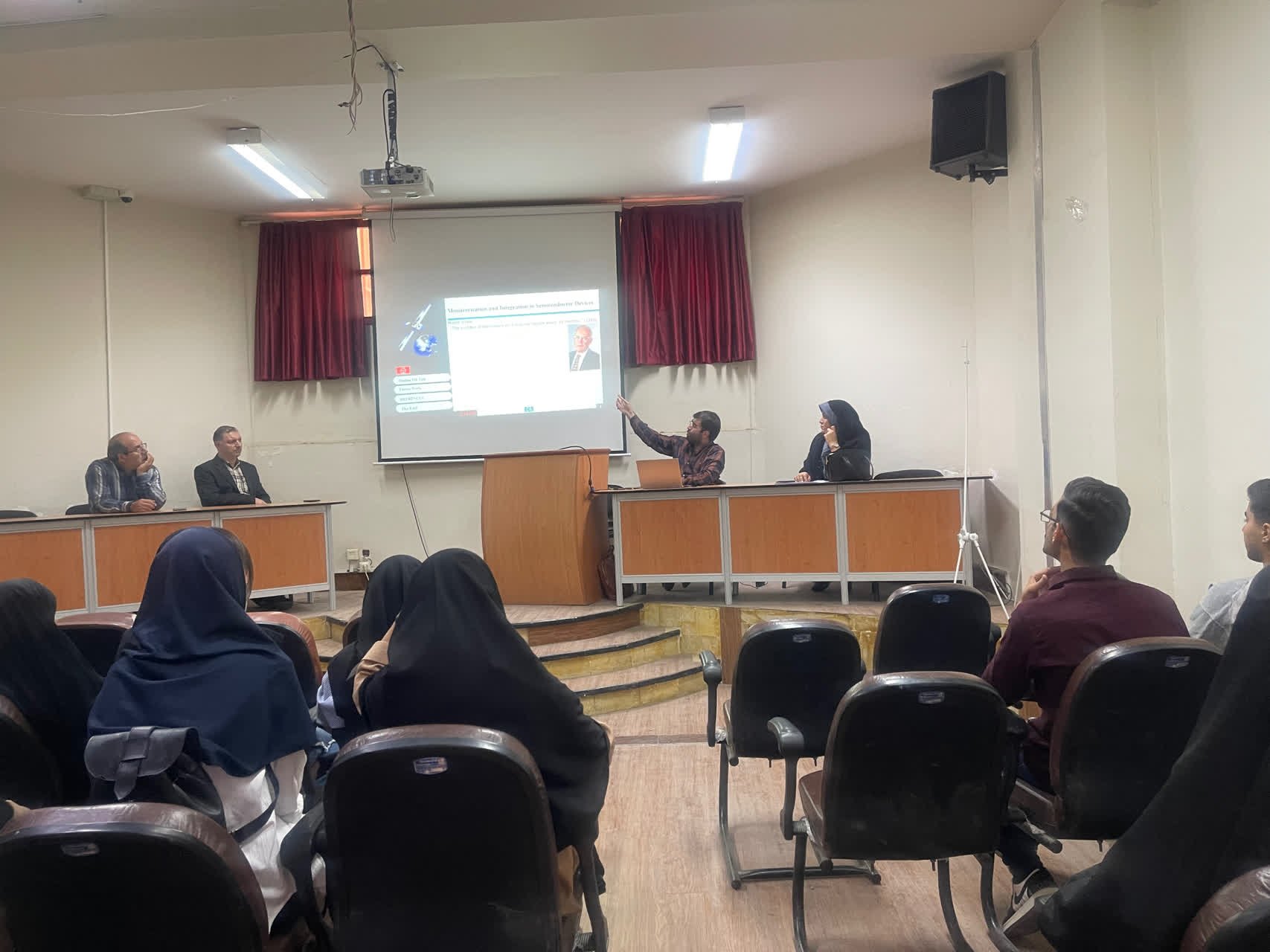
A scientific promotional lecture was held with the presentation of Dr. Ali Farmani, Associate Professor of Electrical Engineering at Lorestan University, and with the presence of professors and students from various departments of the university. In this session, the novel dimensions of nanotechnology and its capacities for creating a link between electronics engineering, basic sciences, humanities, and philosophy were discussed and examined.
According to the Public Relations of Lorestan University, Dr. Farmani, in his presentation, referring to the developments in nanotechnology and its role in the advancement of cutting-edge technologies, emphasized the necessity of an interdisciplinary approach to science and technology.
He explained that nanotechnology is not merely limited to the fabrication of small-scale materials and structures, but rather, by utilizing concepts from physics, chemistry, electronics engineering, and computational modeling, it lays the groundwork for the development of new generations of sensors, electronic devices, photonic systems, and novel technologies.
Another engaging aspect of this session was the examination of the relationship between scientific advancements and ethical and philosophical foundations.
In this section, it was emphasized that the development of novel technologies, alongside specialized knowledge and engineering capabilities, requires critical thinking, scientific responsibility, and attention to the human and social implications of technology.
Furthermore, the role of humanities and philosophy in clarifying the objectives of science, directing innovation, and examining the ethical responsibilities of researchers was considered.
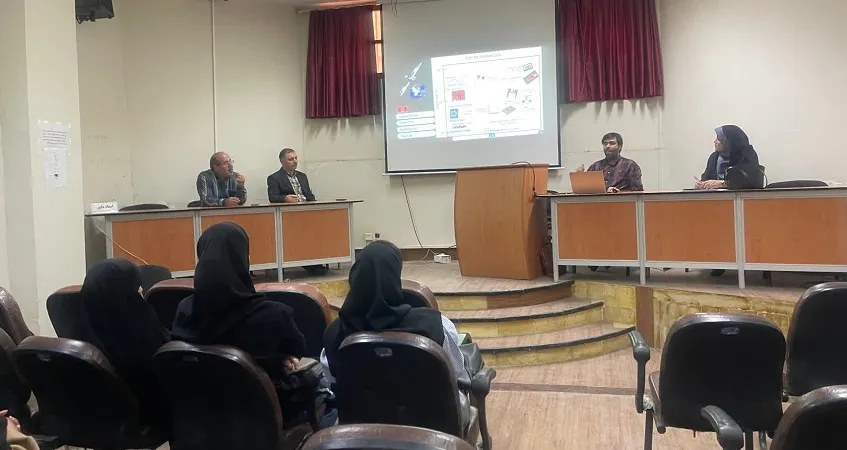
Subsequently, the referees, Mr. Dr. Ramazanalid Dalvand and Mr. Dr. Hamidreza Shamlouee, and the session moderator, Dr. Fatemeh Ahmadi, enriched the discussions by posing questions about the capacities of nanotechnology, the necessity of interaction among scientific disciplines, the position of basic sciences in the development of novel technologies, and the relationship between scientific progress and ethical responsibility.
These question-and-answer sessions provided a suitable platform for the exchange of viewpoints and the examination of various dimensions of the subject.
This lecture was held with the participation and presence of professors and students from different fields, and it provided an opportunity for scientific dialogue among the fields of engineering, basic sciences, and humanities.
Overall, the session emphasized the central idea that the future of science and technology, particularly in advanced fields such as nano, is not only dependent on technical expertise and innovation but also on the integration of interdisciplinary knowledge, philosophical thinking, and scientific ethics.