
The Shahnameh: A Living Document of National Identity / The Compatibility of the Shahnameh's Epic Approach with the Spirit of Lorestan / A Meeting with One of Lorestan's Oldest Shahnameh Reciters
 Sep 27, 2026
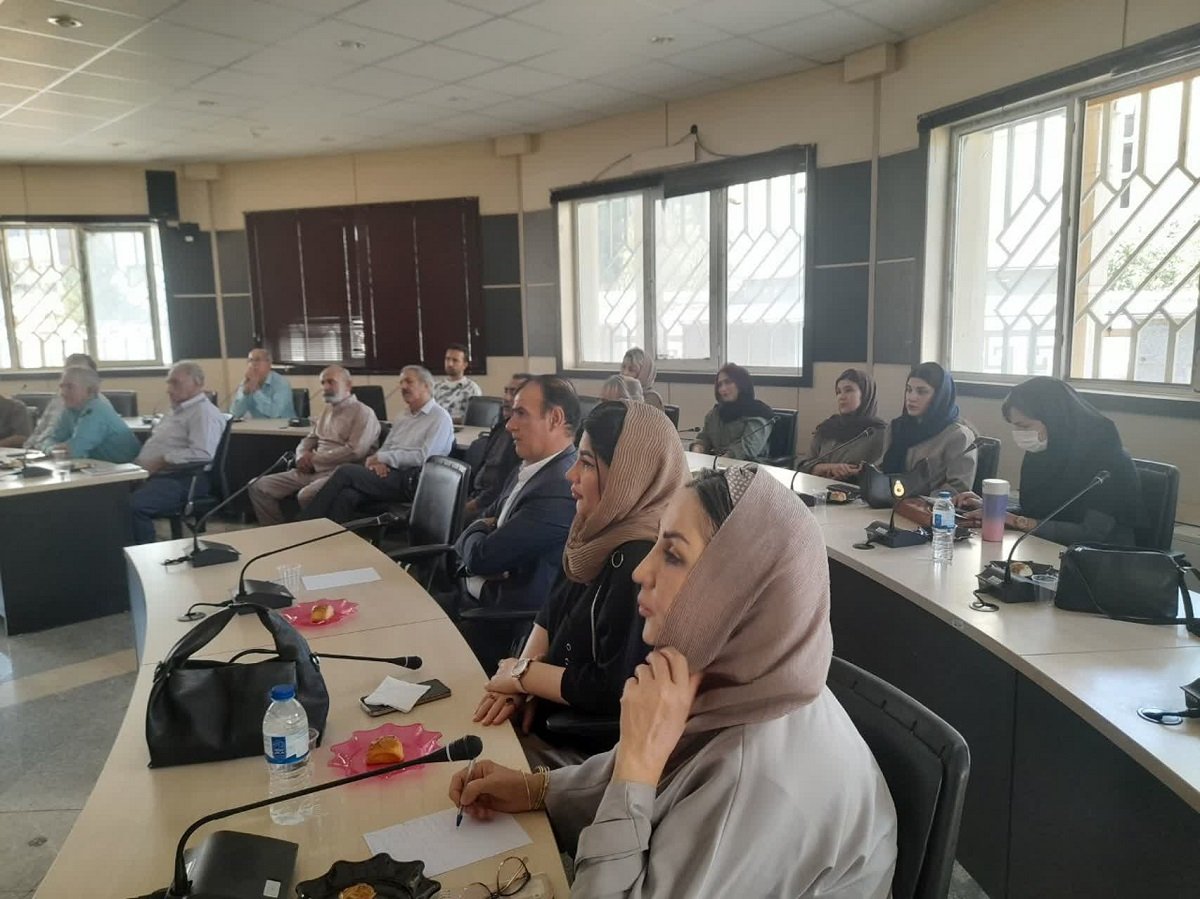
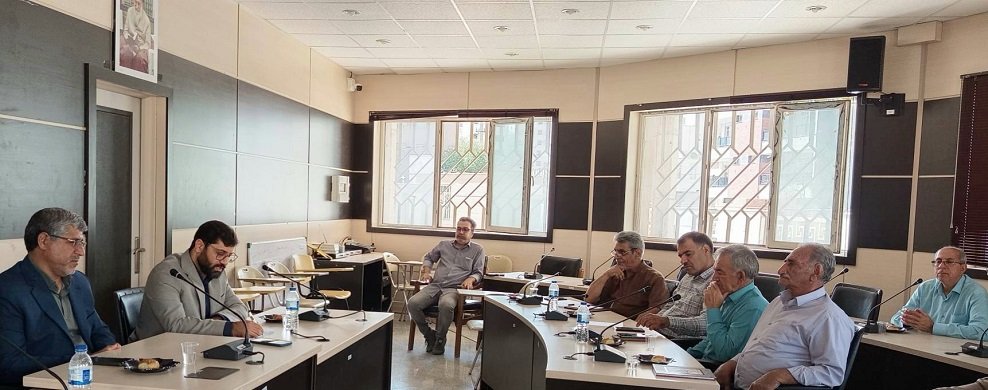
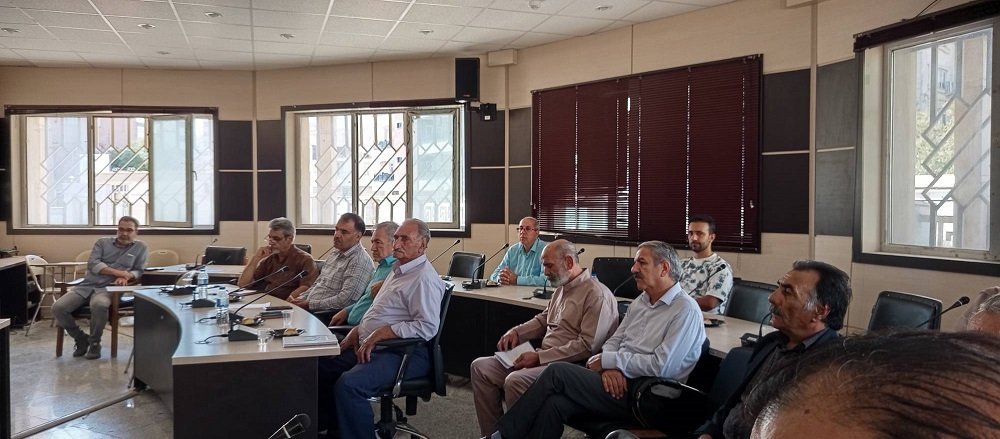
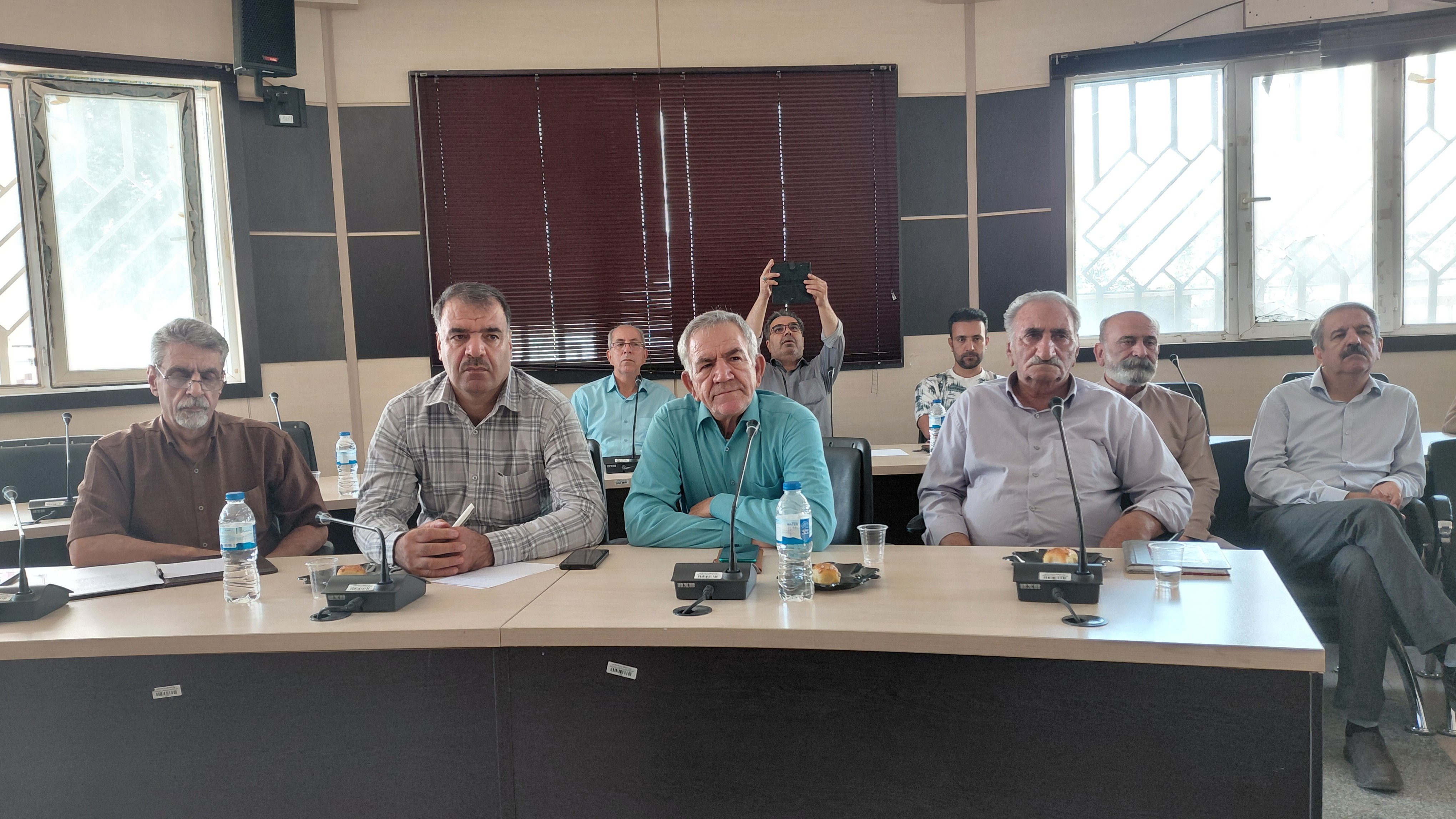
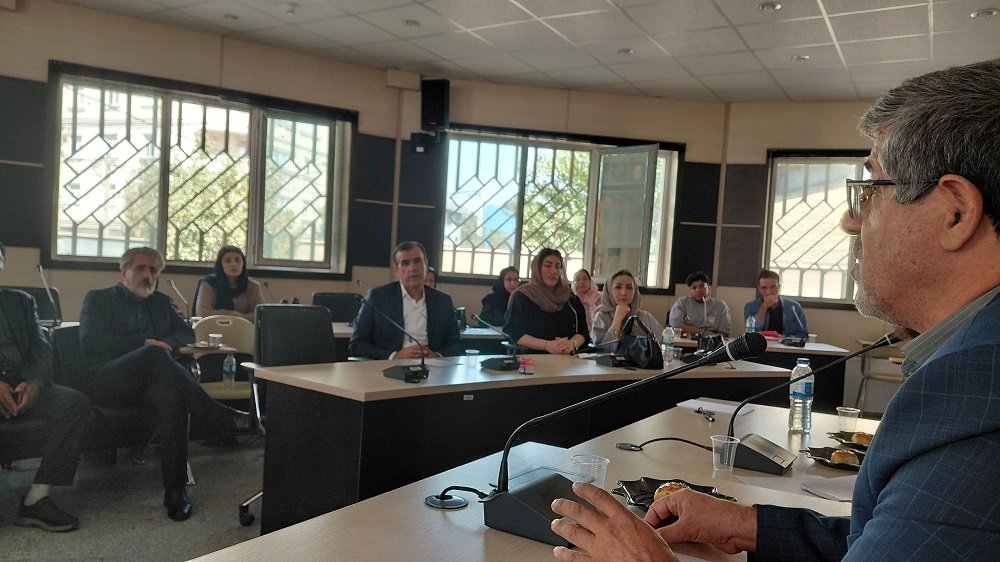
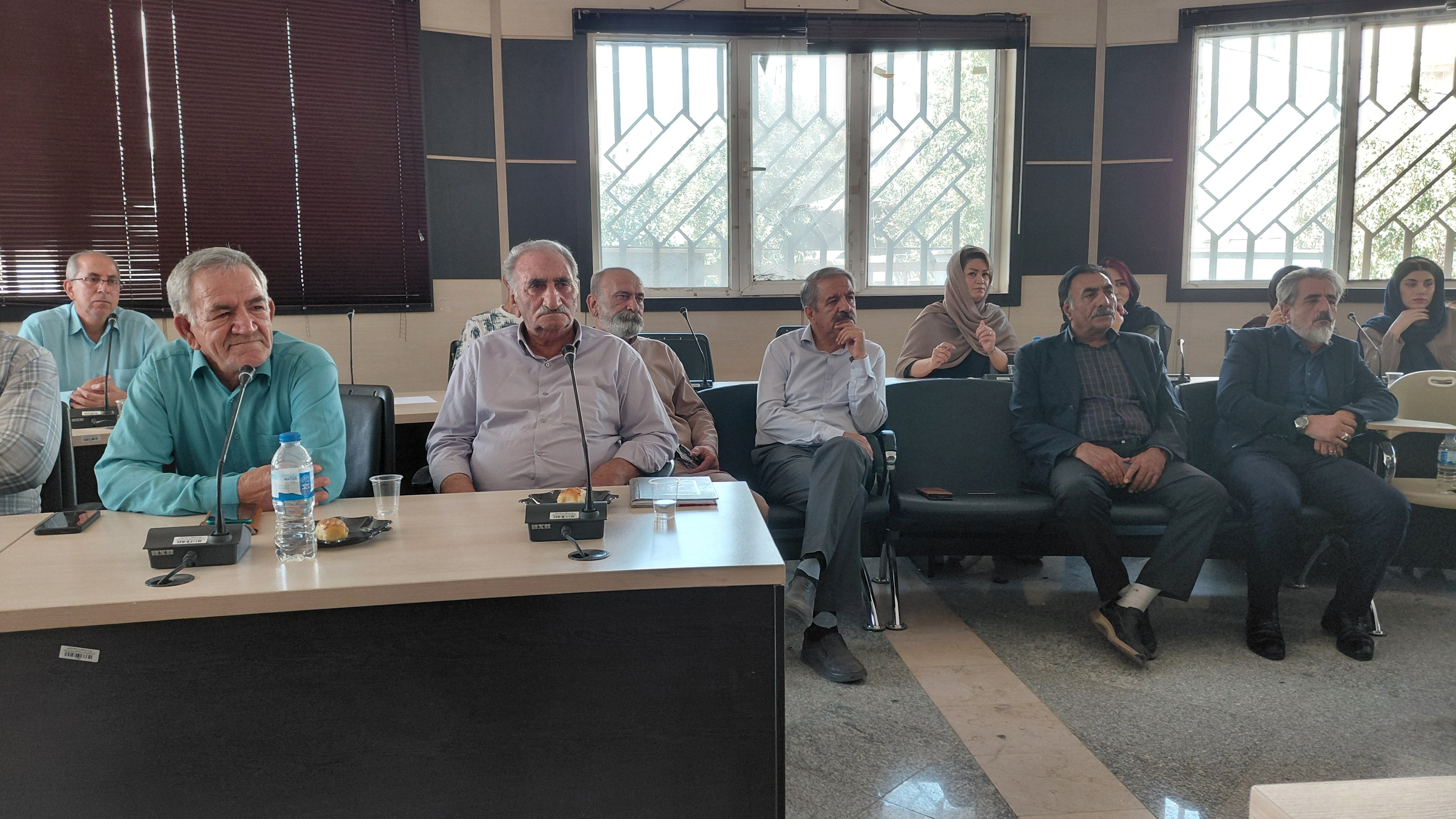
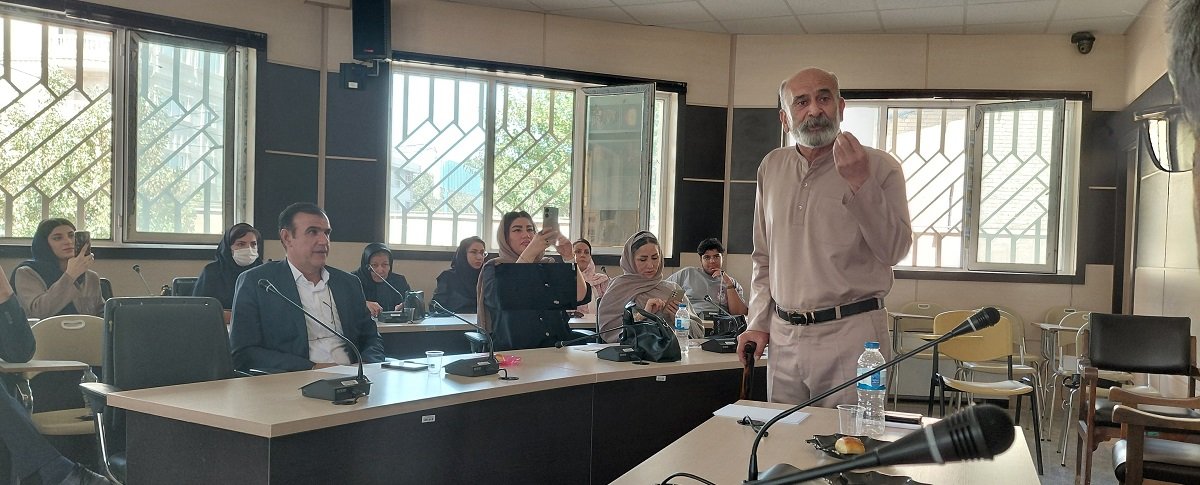
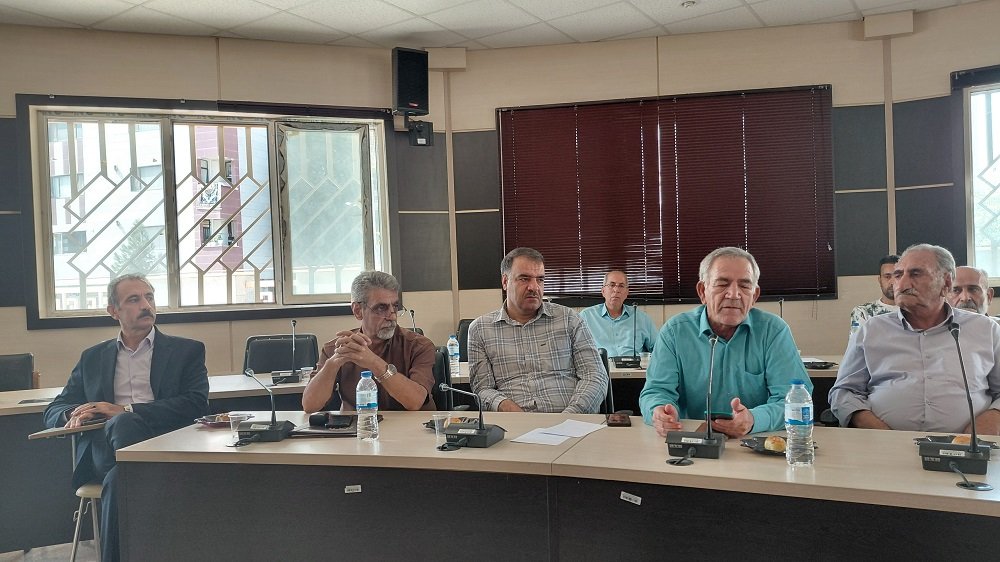
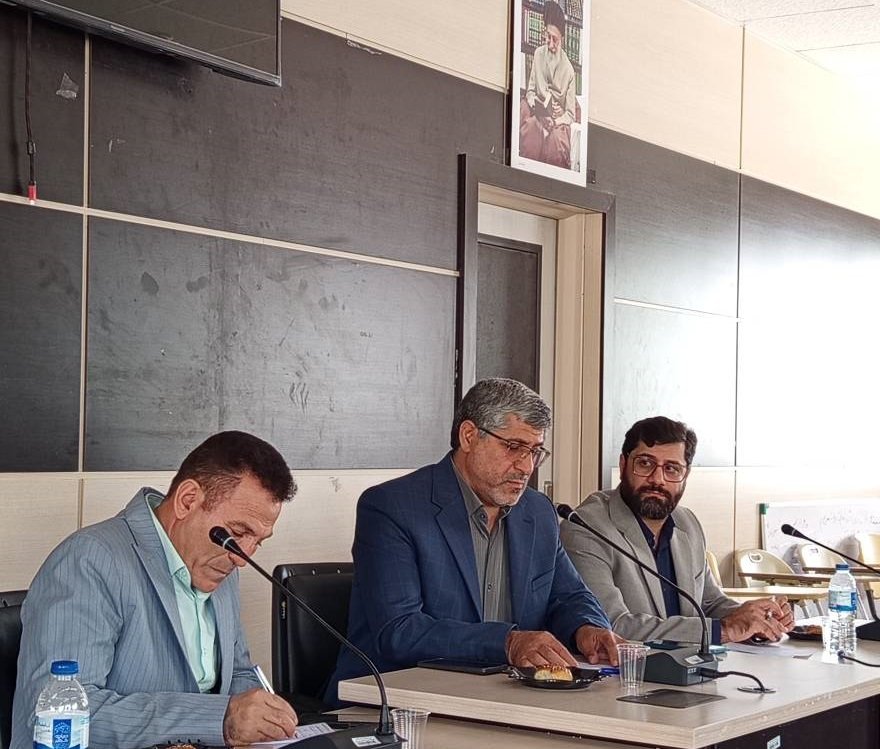
The sixth session of Lorestan-Nameh, titled "Shahnameh Reading and Narration in Dorud, Lorestan," was held on the morning of October 4, 2026, through the efforts of the Lorestan Studies Center of Lorestan University, the Iranian Association for Cultural and Communication Studies (Lorestan Office), and the Islamic Culture and Guidance Department of Dorud, at the Mehr Cultural Center of the Dorud Cultural and Guidance Department.
According to the Public Relations of Lorestan University, the secretary of the session, Dr. Masoud Zamanimoghadam (faculty member of Lorestan University and director of the Lorestan Office of the Iranian Association for Cultural and Communication Studies), welcomed the attendees and stated: "The ancient tradition of Shahnameh reading in the cultural geography of Zagros and the land of Lorestan, beyond a literary ritual, has been one of the most enduring collective rituals and social capital of this region. We know that for a long time, the Shahnameh has always adorned the homes of the people of this region; to the extent that every tribe, clan, and lineage had several melodious Shahnameh readers."
The epic approach of the Shahnameh is compatible with the heroic spirit of the Lorestani people
Dr. Zamanimoghadam explained: "The influence of the Shahnameh in the depths of the lives of these people is so deeply rooted that many traditional Shahnameh readers, even in the absence of formal literacy, would recite Ferdowsi's verses from memory with special local styles and pleasant voices. The sociological reason for this deep inclination in nomadic life has been to instill the spirit of freedom, courage, and valor in the children of this land; in a word, the epic approach of the Shahnameh has been compatible with the heroic spirit of the Lorestani people. Ferdowsi and the Shahnameh are living documents of national identity and a common ground for our cultural cohesion, and thus they should be cherished."
The faculty member of the Faculty of Literature and Humanities of Lorestan University continued: "In addition to the literary aspect of the Shahnameh, its sociological dimension is also very important, especially in the world we live in. These important cultural works, which are rooted in both our Iranian and Islamic cultures, can serve as identity guides for adolescent and younger generations. The Shahnameh has such a capacity and can even be utilized in the growth and cultural development of Lorestan."
The stories of the Shahnameh belong to all Iranians
The first speaker, Dr. Ali Nouri (faculty member of Lorestan University and director of the Lorestan Studies Center of Lorestan University), addressed the numerous capacities of the Shahnameh: "The Shahnameh is not just a rich work; its capacities are unlike any other book. It is a book from thousands of years ago, and its stories belong to all Iranians. Iranians have passed it down from generation to generation to their children, thereby preserving Iranian identity. With this very culture of the Shahnameh, we have overcome great wars. Iranians have endeavored to pay attention to the Shahnameh and its brilliant and extensive content, alongside preserving Islam."
Dr. Nouri explained: "Among the capacities of the Shahnameh are its linguistic, philosophical, theological, ethical, political, social, mythological, historical, geographical, cultural, and psychological capacities, each of which is a significant burden that this book has carried and passed down to us through generations. It should be noted that the Iranian and Islamic aspects of our culture have grown and flourished together, and we should not diminish or weaken either aspect in favor of the other. God willing, the children of this divine land will be able to preserve this culture and transmit it to future generations."
Children and adolescents in Dorud welcome Shahnameh reading
Following this, Behrouz Touhidian (Director of the Dorud Shahnameh House) presented a report on the activities of the Dorud Department of Culture and Islamic Guidance in the field of Shahnameh reading.
According to him, these activities began in 2003, and over the years, numerous provincial, regional, and national conferences have been held. Today, there is a good reception for Shahnameh reading classes, especially among children and adolescents in the city of Dorud. Today, we even have female narrators who are teaching. In Dorud, we have a large number of Shahnameh readers, narrators, and Shahnameh researchers, which is promising.
The Shahnameh is a synthesis of otherworldly wisdom and worldly wisdom
The second speaker, Ali Namjou (Ph.D. student of Persian Language and Literature at Lorestan University), pointed to the wise and moderate approach of the Shahnameh. Ferdowsi synthesized otherworldly wisdom and worldly wisdom, and we have not yet been able to correctly interpret this balance.
Namjou stated: "Ferdowsi creates a balance between the Iranian heaven and earth. The Shahnameh is a product of the era of rationalism. Ferdowsi's ideal reader is anyone whose heart beats for Iran, even if they are not contemporaries of Ferdowsi. Today, we need the heroic dimension, the spirit of rationalism, and the principle of moderation of the Shahnameh. We must also pay attention to the civilizational aspect of the Shahnameh. Civilization requires management, politics, and economics; it requires national spirit and solidarity, and all of these can be found in the Shahnameh."
Then, veteran artists from Dorud, Abbas Yar Ahmadi and Mahmoud Rahmati, performed Shahnameh reading and narration.
Furthermore, a few minutes of the session were dedicated to a question and answer session with the attendees.
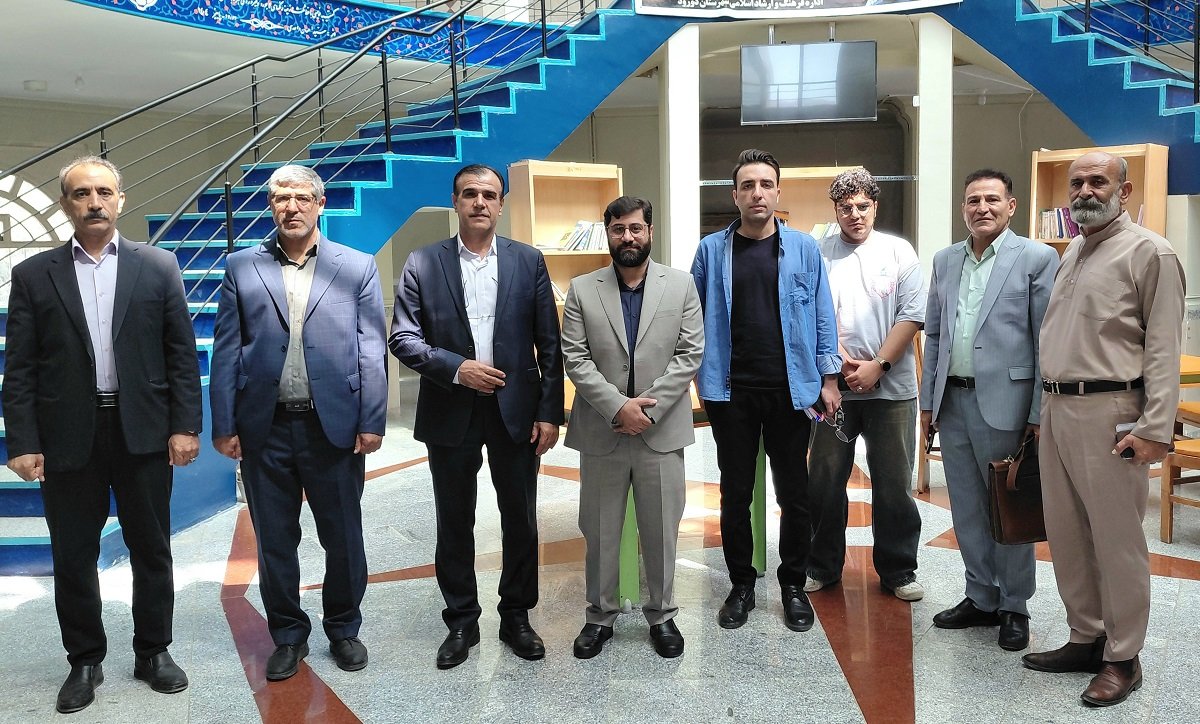
It is worth mentioning that Kourosh Rashno, the head of the Department of Culture and Islamic Guidance of Dorud County, and Dr. Mahmoud Nosrati, an expert at the Lorestan Studies Center of Lorestan University, were also present at this cultural, social, and artistic event.
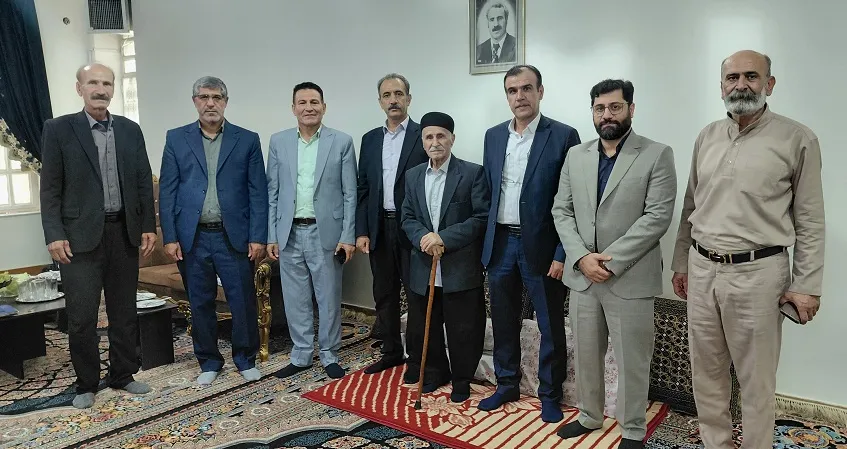
Visit with one of the oldest Shahnameh readers in Lorestan
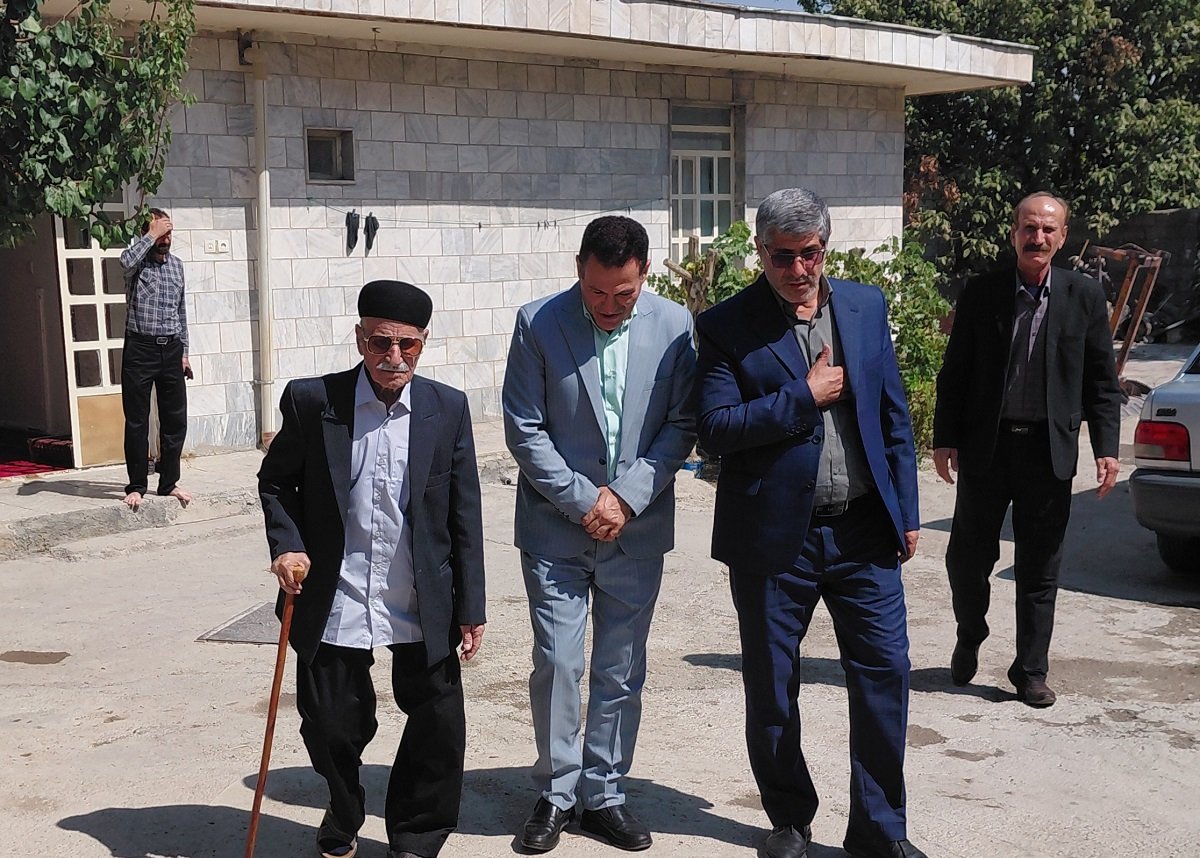
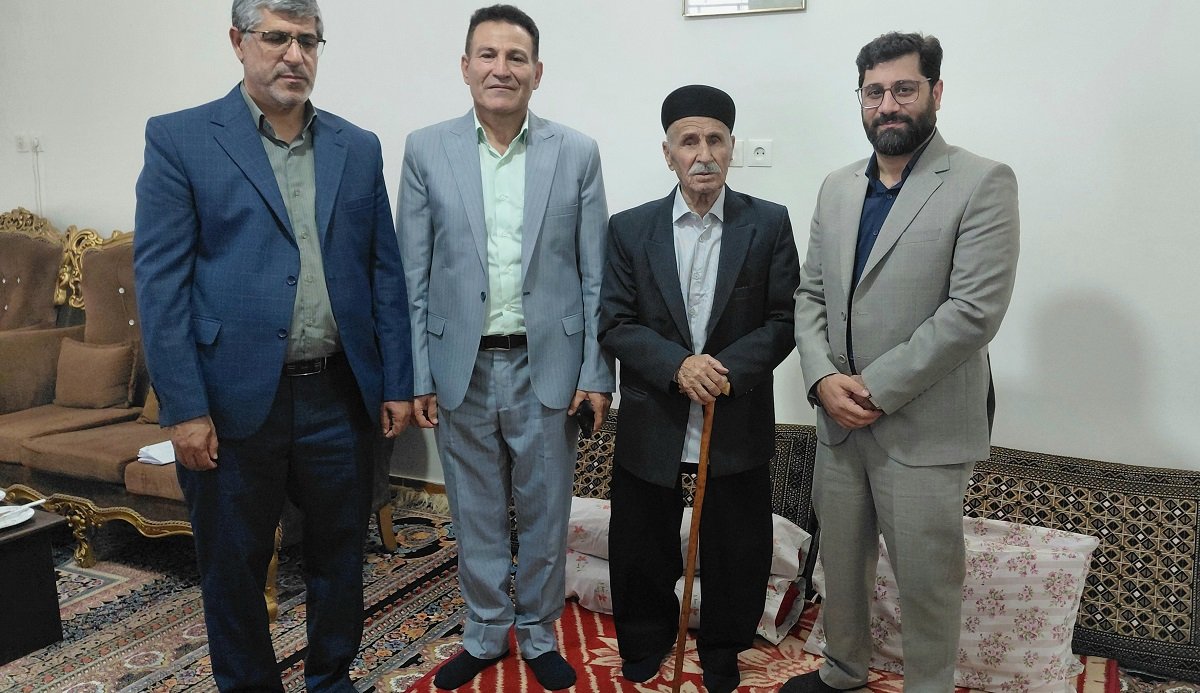
After the session, a visit was made to Haj Isa Sahraei (born 1936), one of the oldest Shahnameh readers in Lorestan, at his home in the village of Siahkoleh, Dorud, where he also performed Shahnameh reading for a few minutes.
Source of news text data:
1_ Lorestan Studies Center of Lorestan University.
2_ Iranian Association for Cultural and Communication Studies (Lorestan Office).