
Lorestan Governance and Legislation Think Tank Emphasizes Integrated Water Resource Management and Pursuing the Province's Water Rights
 Nov 12, 2026
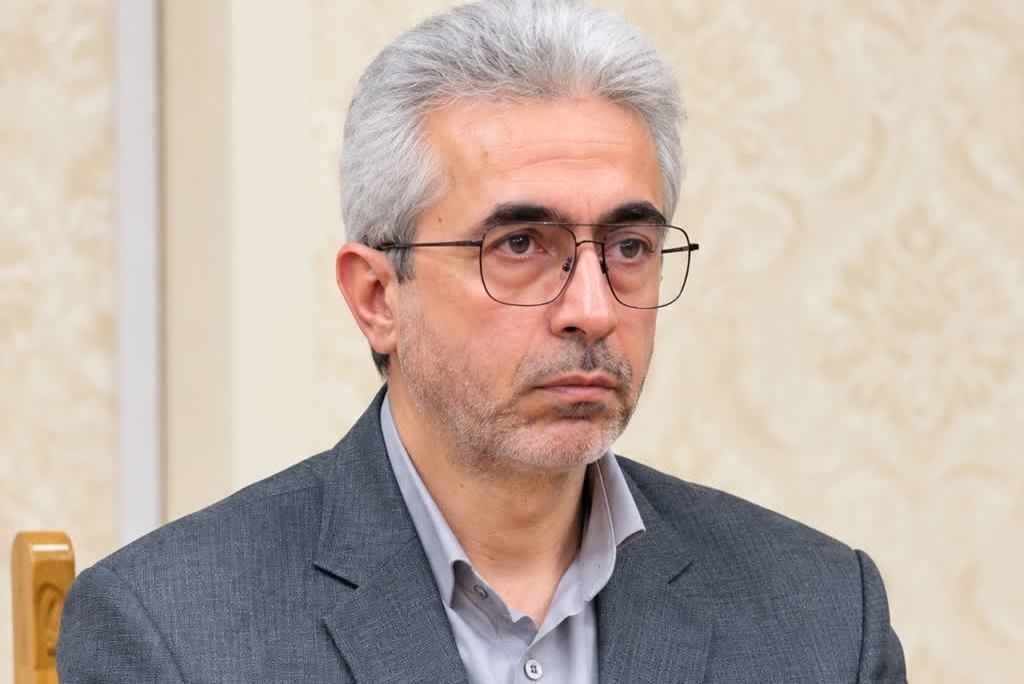
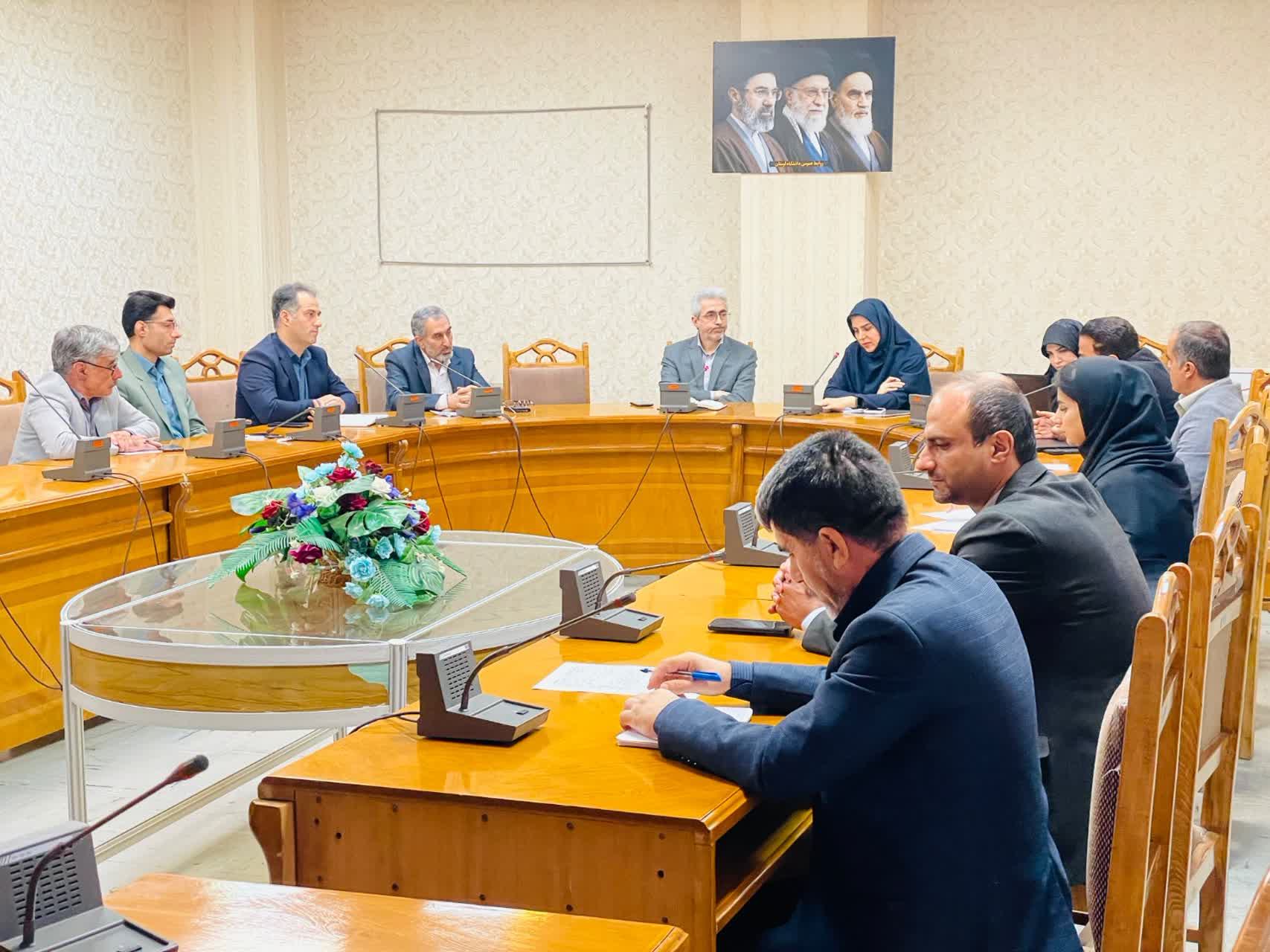
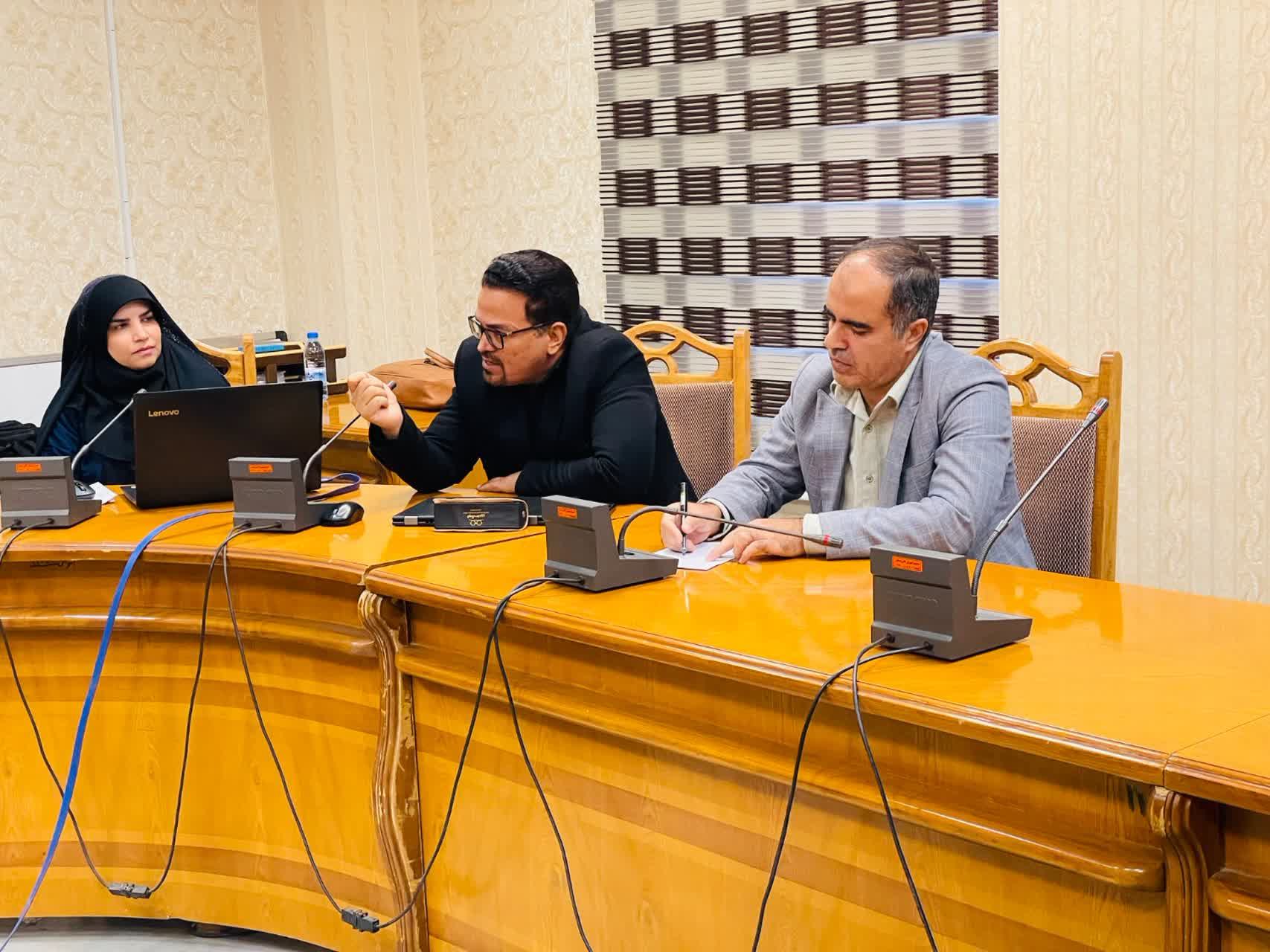
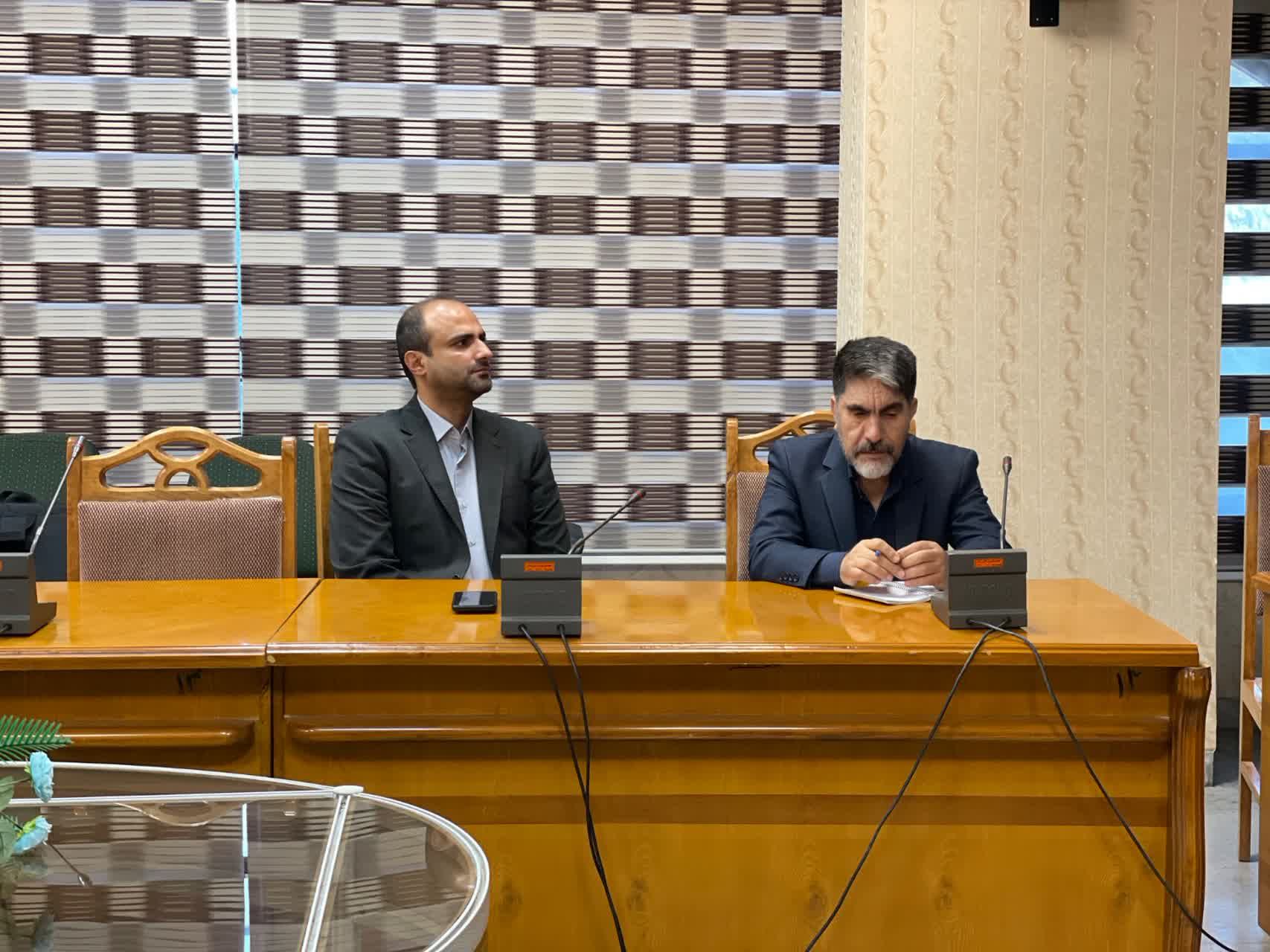
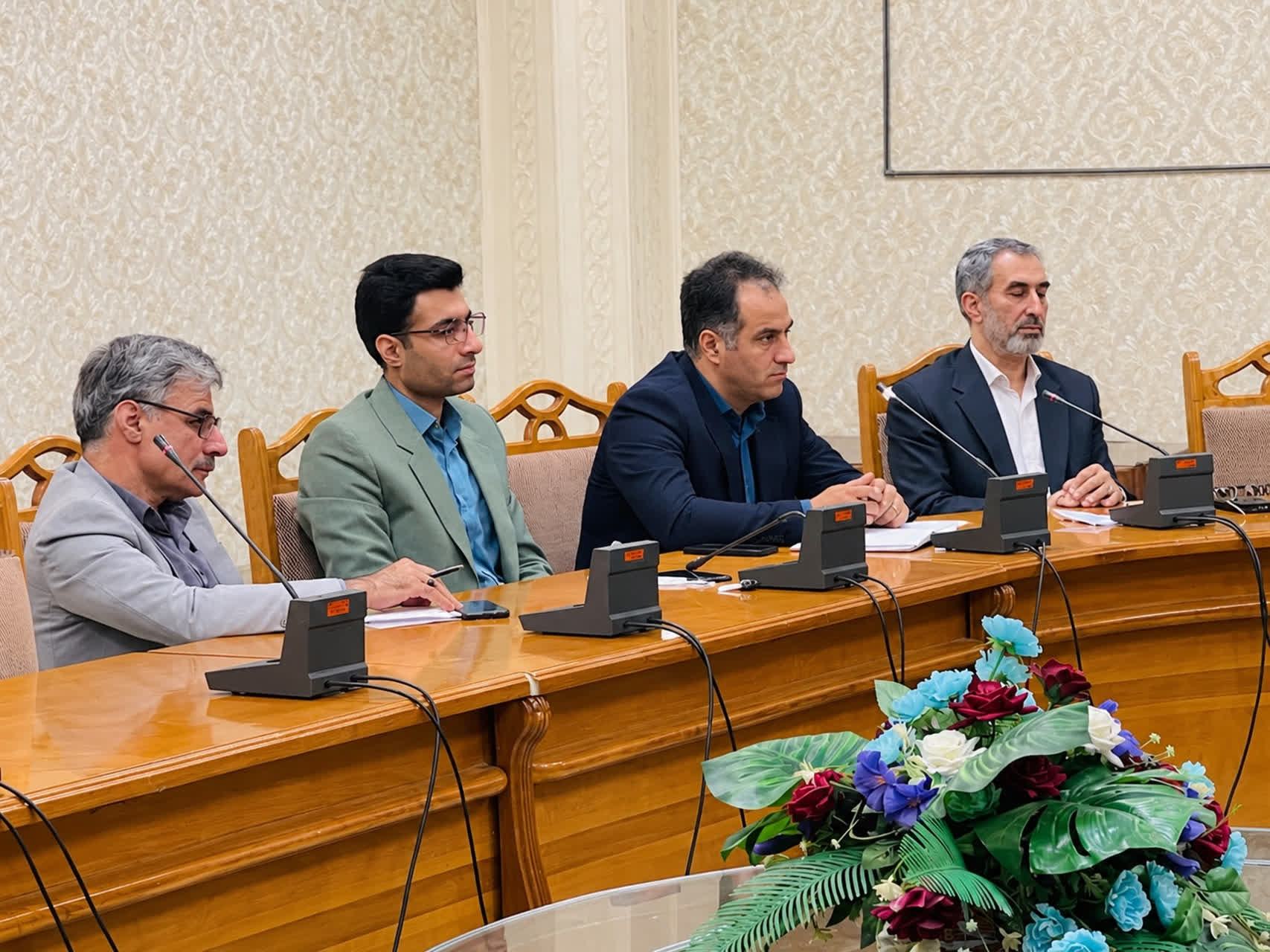
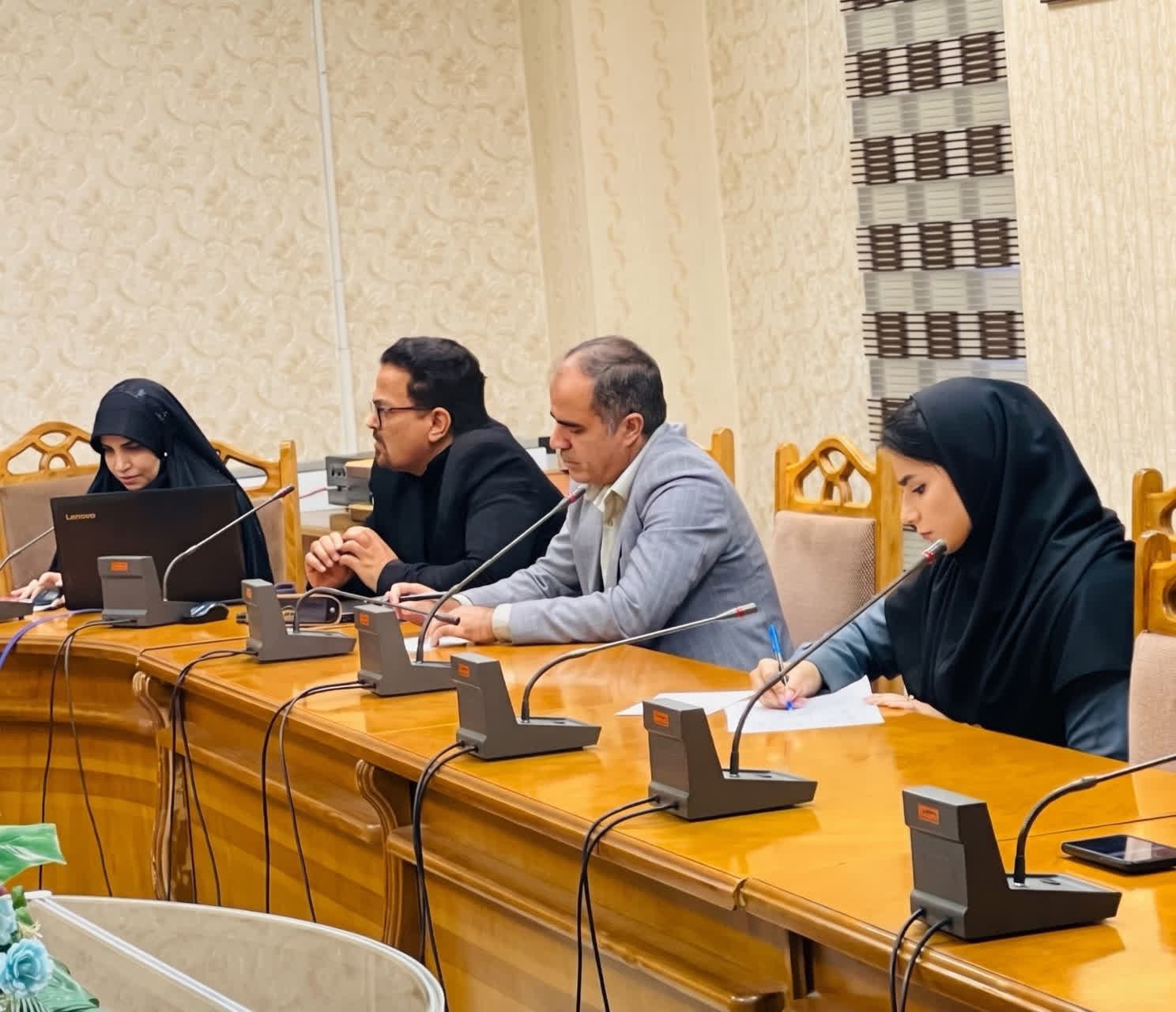
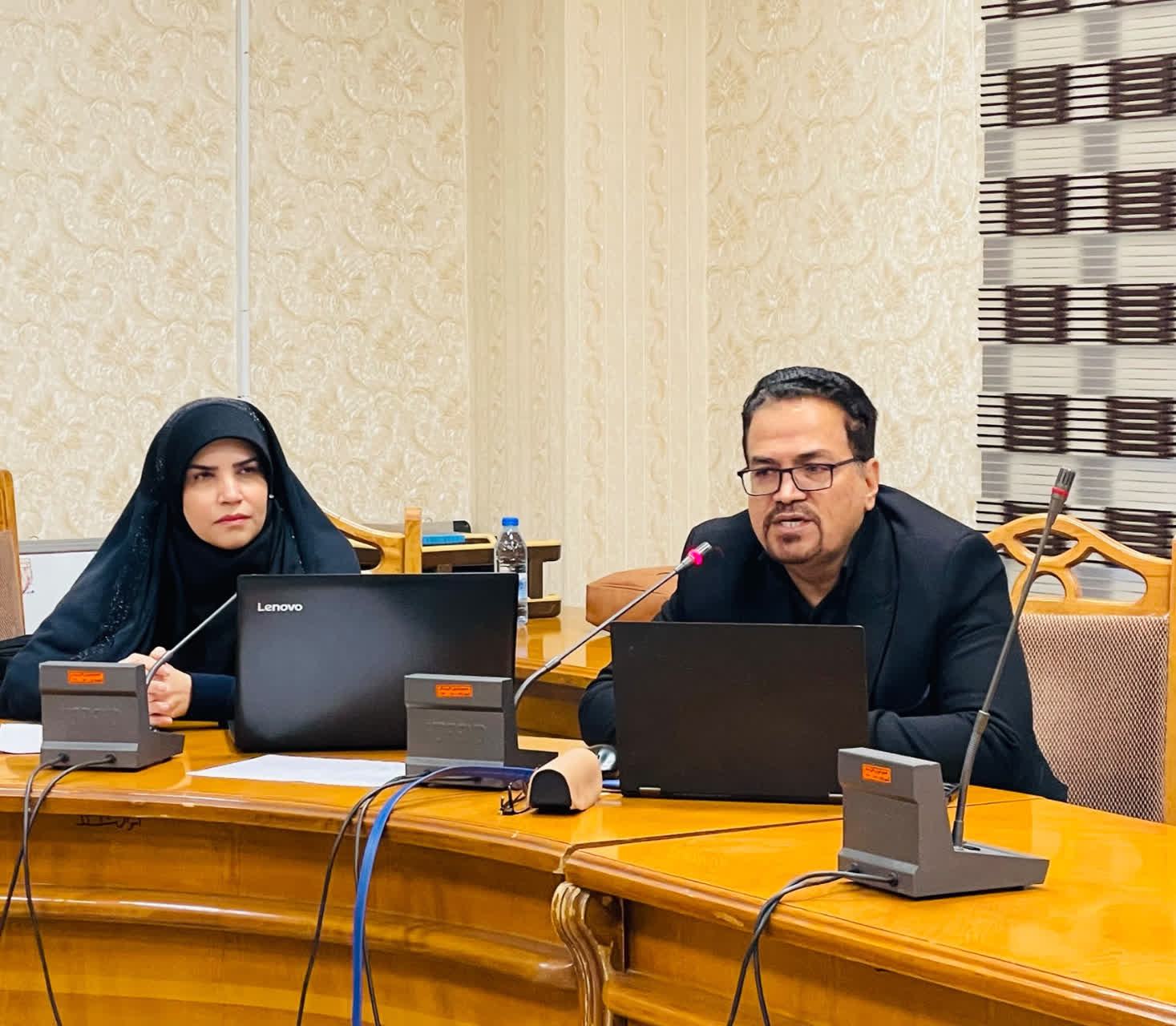
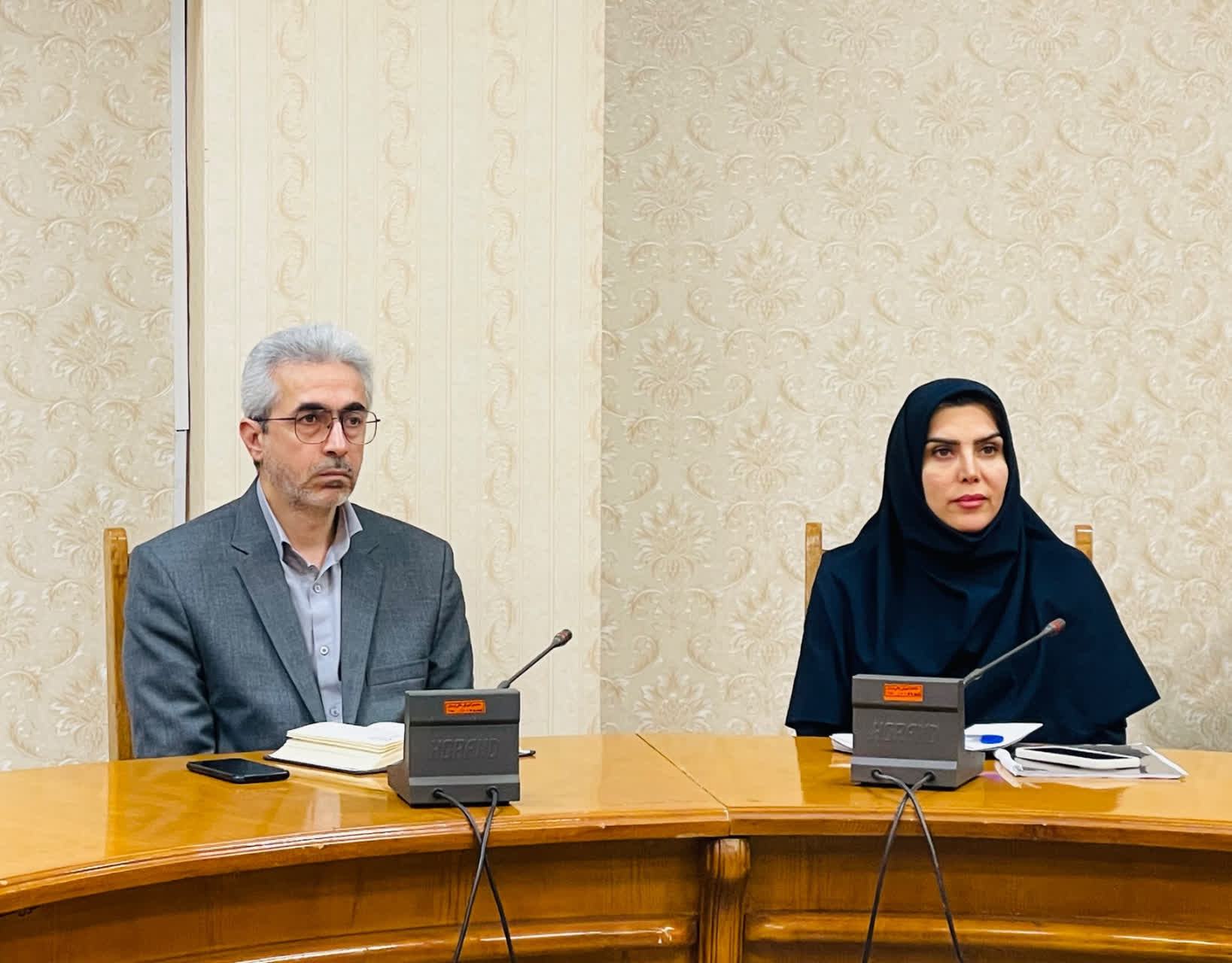
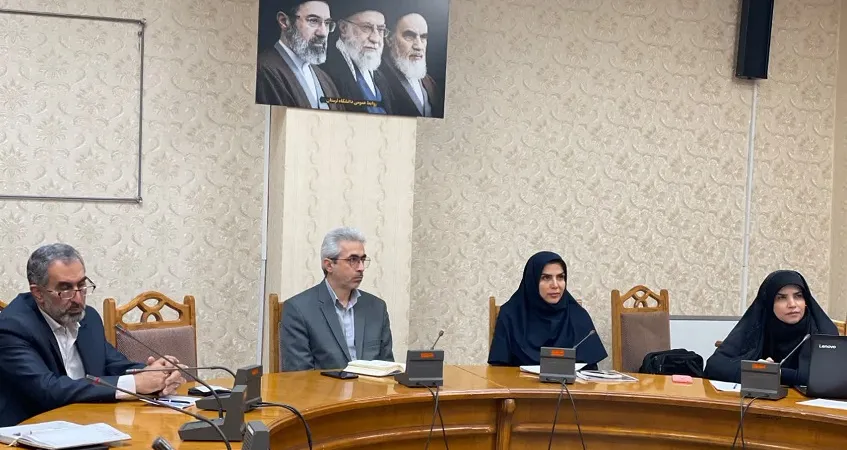
The eighth meeting of the Lorestan Province Governance and Legislation Think Tank, affiliated with the Research Center of the Islamic Consultative Assembly, was held on November 10, 2026, at Lorestan University, with the theme "Presenting Solutions for the Water Challenge in Lorestan Province." At this meeting, a group of university professors, managers, and experts from executive agencies, while examining the various dimensions of the water challenge in the province, elucidated the obstacles to utilizing Lorestan's water capacities and presented solutions for reforming the water management, allocation, and consumption system.
Integrated Management of Drought and Floods: A Necessity for Utilizing Lorestan's Water Capacities
According to the Public Relations of Lorestan University, at the beginning of the meeting, Dr. Ali Haghi-zadeh, a member of the think tank and a faculty member at Lorestan University, referring to the province's successive drought and flood experiences, emphasized the necessity of moving beyond scattered decision-making and establishing integrated water resource management.
He stated that floods, if managed correctly, can become an opportunity for water resource supply and storage instead of a destructive factor. He identified weaknesses in adhering to engineering principles, construction within riverbeds, and inappropriate design of water structures as factors exacerbating flood damages.
According to him, flood-prone area zoning, relocating sensitive land uses from riverbeds, constructing detention dams, strengthening watershed management projects upstream of dams, and pursuing the province's water rights for drinking and agriculture in the Supreme Water Council are among the necessary actions in this regard.
Dr. Haghi-zadeh also emphasized the development of water tourism and the utilization of universities' capacities for developing applied research projects.
The Gap Between Lorestan's Water Capacity and the Province's Share of Utilization Infrastructure
Subsequently, Dr. Mehri Saeedi-nia, a faculty member at Lorestan University, presented research findings on the province's water resources status, which were based on data from executive agencies and interviews with professors, managers, and progressive farmers.
She pointed out that Lorestan possesses a significant capacity of the country's surface water resources, but the province's limited share of operational dam capacities and the continued rain-fed cultivation in a substantial portion of agricultural lands indicate a gap between natural capacities and utilization infrastructure.
Dr. Saeedi-nia also cited the indecisiveness regarding some dam construction projects, land acquisition issues, social objectors, and fragmented decision-making as obstacles to the development of the province's water infrastructure.
In her opinion, Lorestan's water challenges can be categorized into three main areas: water allocation, budget allocation, and management issues. Defending the province's water rights, especially concerning inter-basin water transfer, necessitates scientific studies and continuous expert follow-up at the national level.
The Necessity of Expediting the Determination and Completion of the Province's Dam Construction Projects
Seyedeh Zahra Najafi-zadeh, a member of the think tank and the Deputy of the Lorestan Management and Planning Organization, while outlining the latest status of the province's dam construction projects, emphasized the necessity of accelerating the completion of studies and going through the legal stages for the implementation of new projects.
She announced the follow-up for obtaining Article 23 permits under the Annexation Law for projects with more advanced studies, including the Marbareh, Dehjani, and Khosroabad dams.
According to Najafi-zadeh, the implementation of approved allocations, completion of technical studies, passive defense, health impact assessments, and environmental evaluations are prerequisites for advancing these projects.
Najafi-zadeh also identified the lack of sufficient coordination among the province's executive agencies and relevant ministries as one of the obstacles to achieving water infrastructure development plans.
Reforming the Distribution and Monitoring System for Water Consumption: A Necessity in the Agricultural Sector
In another part of the meeting, Eng. Amir Farshid, an expert from the Provincial Agricultural Jihad Organization, examined the challenges of water management in the agricultural sector, particularly in farms and pumping stations.
He pointed out weaknesses in the implementation of the volumetric water delivery system and the inefficiency of some monitoring mechanisms, stating that these conditions, along with certain executive and revenue structures, have created grounds for conflicts of interest, the spread of intermediation, land leasing, and increased cultivation of water-intensive crops downstream of dams and around pumping stations.
He referred to concrete examples in the vicinity of the Ayvashan and Kamalvand dams and emphasized the necessity of reforming executive procedures, ensuring transparency in contracts, addressing legal loopholes, and preventing unauthorized water transfer.
The reduction in irrigated cultivated area and the damage to equipment at some pumping stations were among other issues raised by him.
Focusing on Headwaters and Developing Watershed Management for Sustainable Water Resource Management
Dr. Mehdi Soleimani-Motlagh, a faculty member at Lorestan University, referring to the decline in groundwater levels and the significant outflow of surface runoff from the province during rainfall, considered the development of watershed management projects and the construction of water storage dams at the headwaters as a necessary and economical solution.
He stated that high evaporation and sedimentation in large downstream dams limit water storage efficiency, and that managing and storing water in upstream areas can yield greater economic and environmental benefits.
Dr. Soleimani-Motlagh also listed the creation of specialized research capacities in the field of floods and droughts, the utilization of PhD graduates for monitoring and analyzing real data, and the participation of local communities and trusted individuals in water resource-related decision-making as other requirements for sustainable water management in the province.
Reviewing Water Resource Statistics and Developing Allocation Priorities to Safeguard the Province's Rights
At the end of the meeting, Dr. Omid Amiri Shah-Abad, Deputy Coordinator of Economic Affairs for the Lorestan Governorate and Secretary of the Lorestan Province Governance and Legislation Think Tank, emphasized the necessity of aligning water resource statistics with the province's geographical realities and operational conditions, deeming a review of planning and water allocation principles essential.
He noted that repeating past estimates of water resource volumes, without considering actual operational limitations, can lead to incorrect decisions regarding water allocation, as Lorestan's mountainous terrain makes the utilization of many surface water resources dependent on implementing pumping projects and significant financial expenditures.
Dr. Amiri Shah-Abad, referring to the water needs of upstream lands and the province's industrial projects, deemed it necessary to develop clear priorities for water allocation, taking into account the needs for drinking, agriculture, industry, and flood control. He proposed that the discussions and solutions presented at this meeting be compiled into an expert document and provided to provincial and national officials for executive and legislative follow-up.
In summarizing the discussions of this meeting, the attendees emphasized that: the water issue in Lorestan is not solely limited to the amount of natural resources; rather, the method of allocation, infrastructure provision, funding, consumption management, and institutional coordination play a decisive role in the effective utilization of this capacity.
From this perspective, safeguarding the province's water rights and transforming natural capacities into sustainable development opportunities requires evidence-based decision-making, coordination among executive agencies, and effective utilization of university capacities.