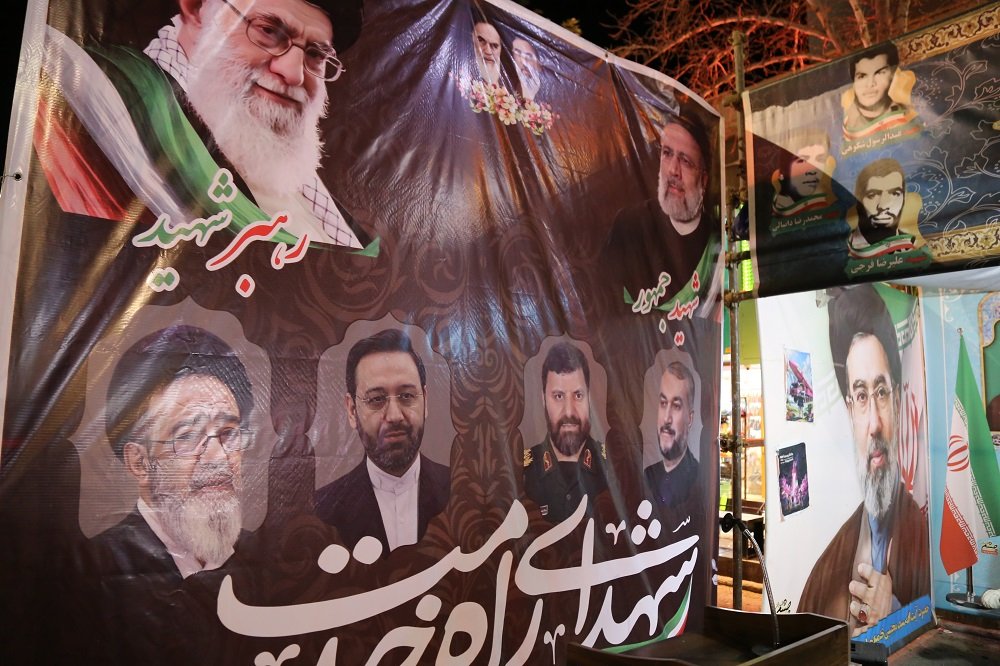

Martyr Raisi dedicated his assets to Islam and the Revolution.
 May 21, 2026
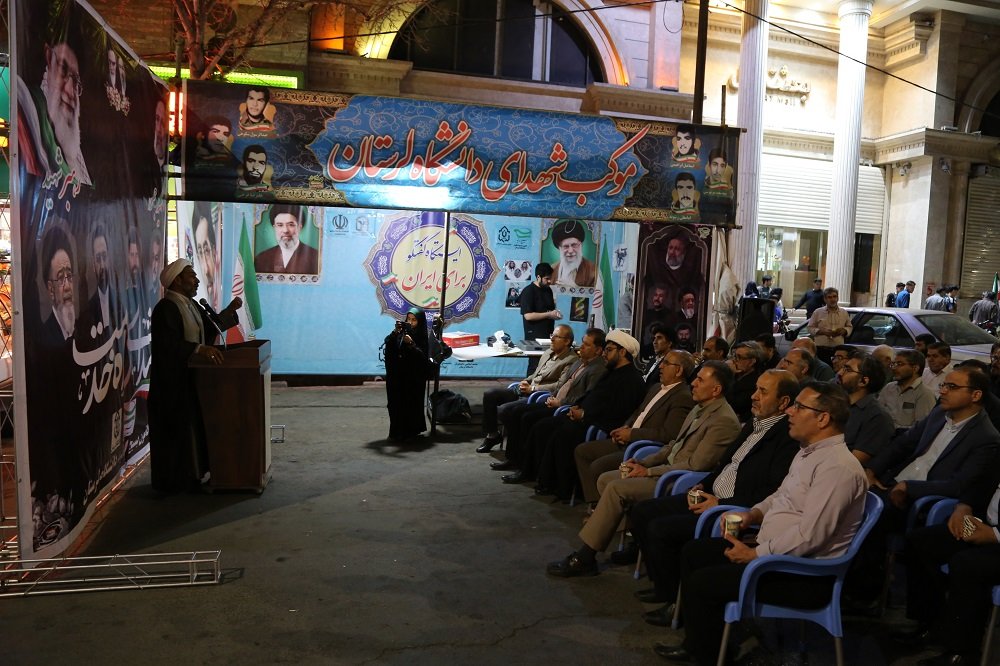
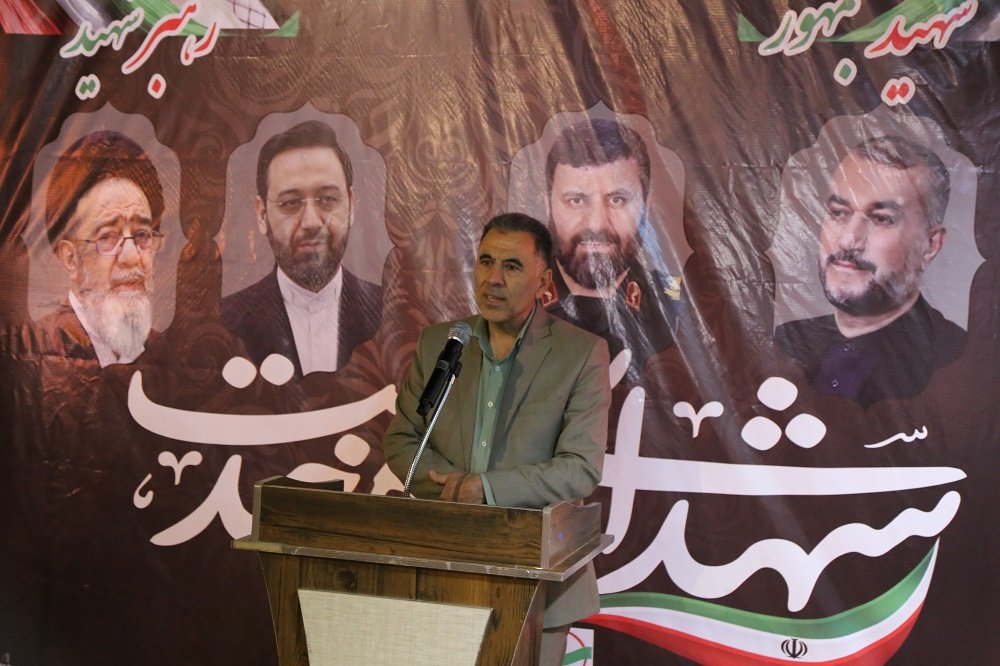
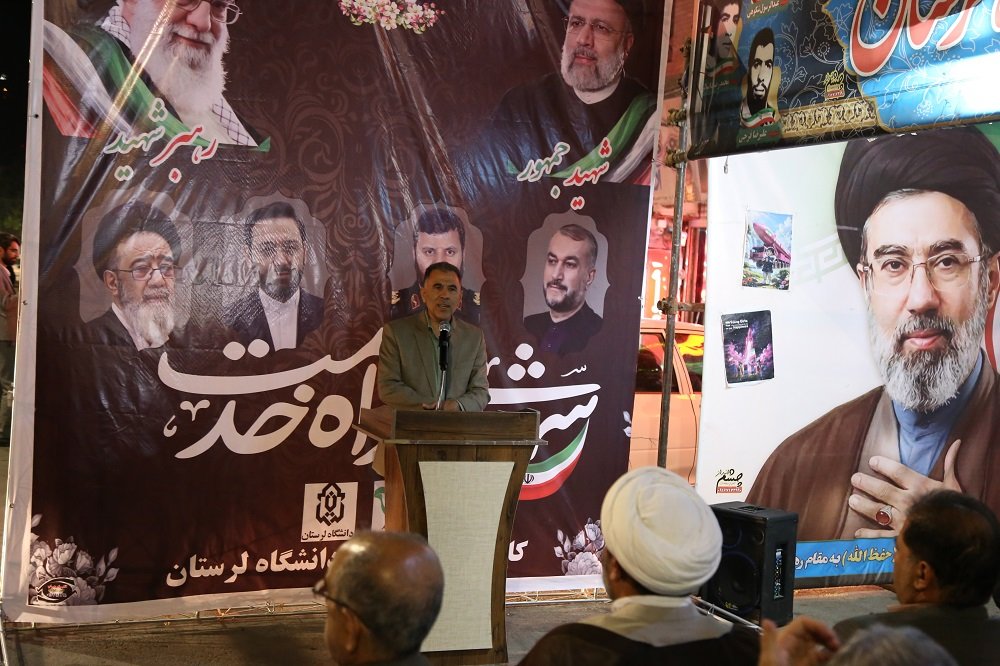
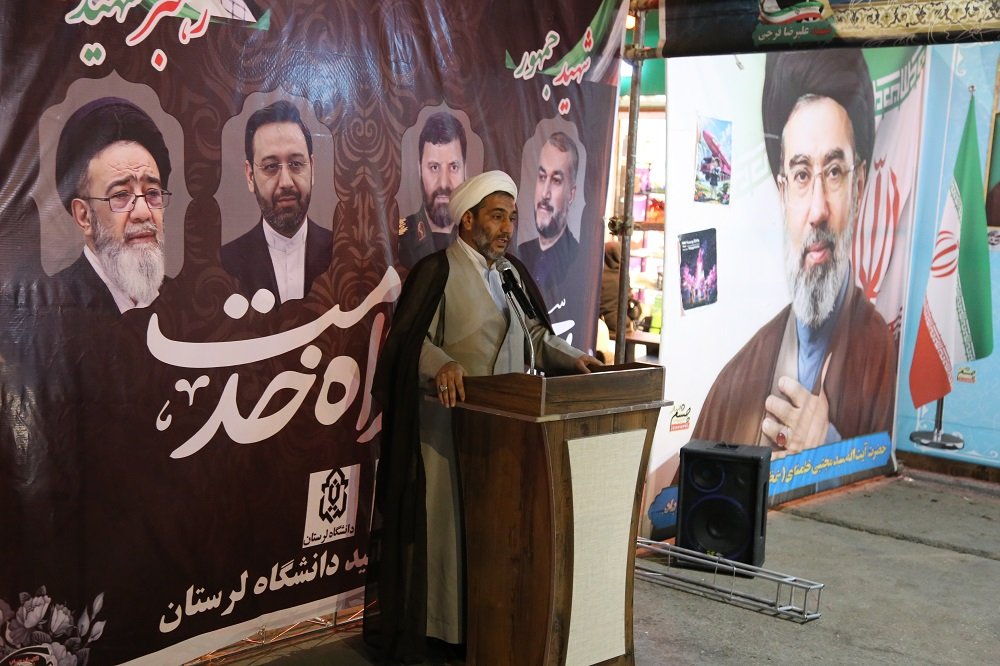
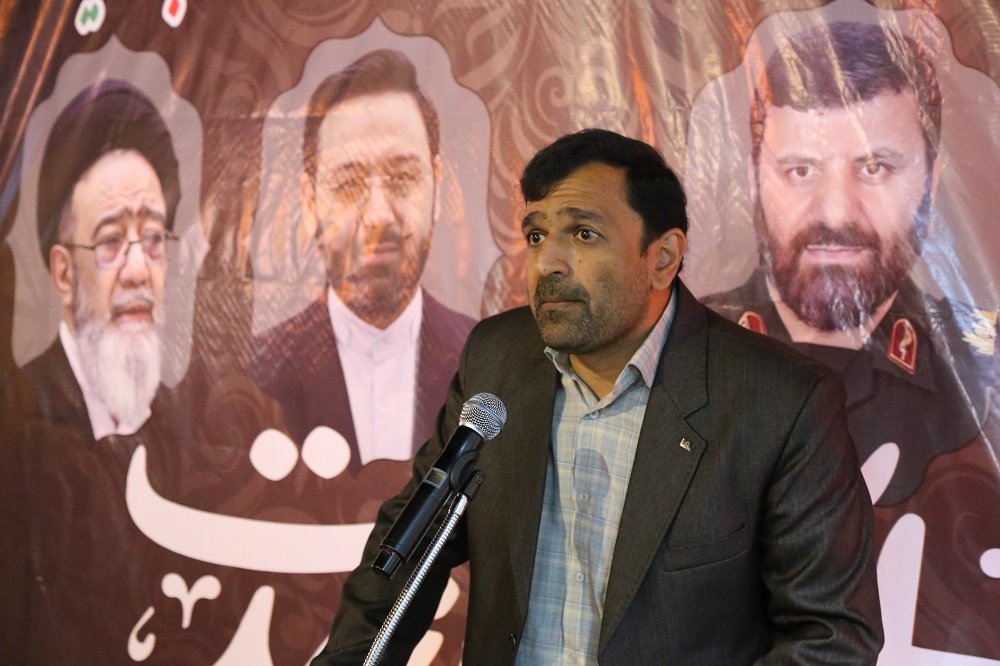
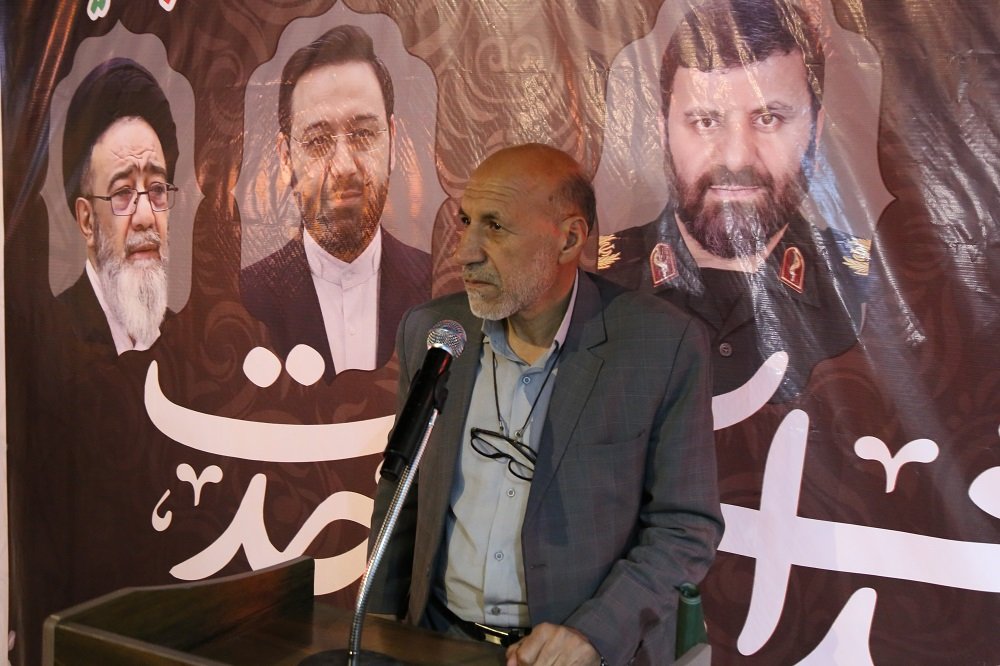
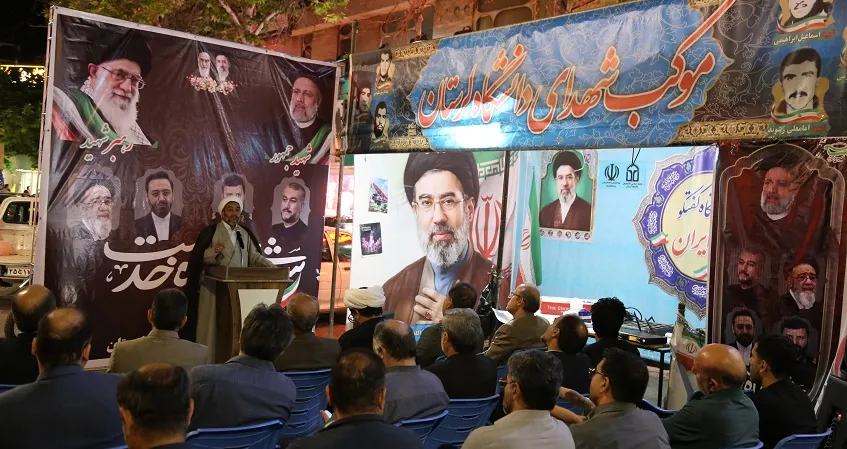
Hojjatoleslam and Muslims Mostafa Mahdavi, Deputy of Education and Training of the Seyyed al-Shohada Corps of Lorestan Province, at the ceremony commemorating the martyrs of service, hosted by the Mo'keb of the Martyrs of Lorestan University, said: "Our martyr {the martyred leader of the revolution}, said: Martyr Raisi is a manifestation of the Islamic Revolution's rituals; because from the perspective of His Eminence {the martyred leader of the revolution}, Martyr Raisi adhered to the values of the revolution and believed in the principles of the Islamic Revolution."
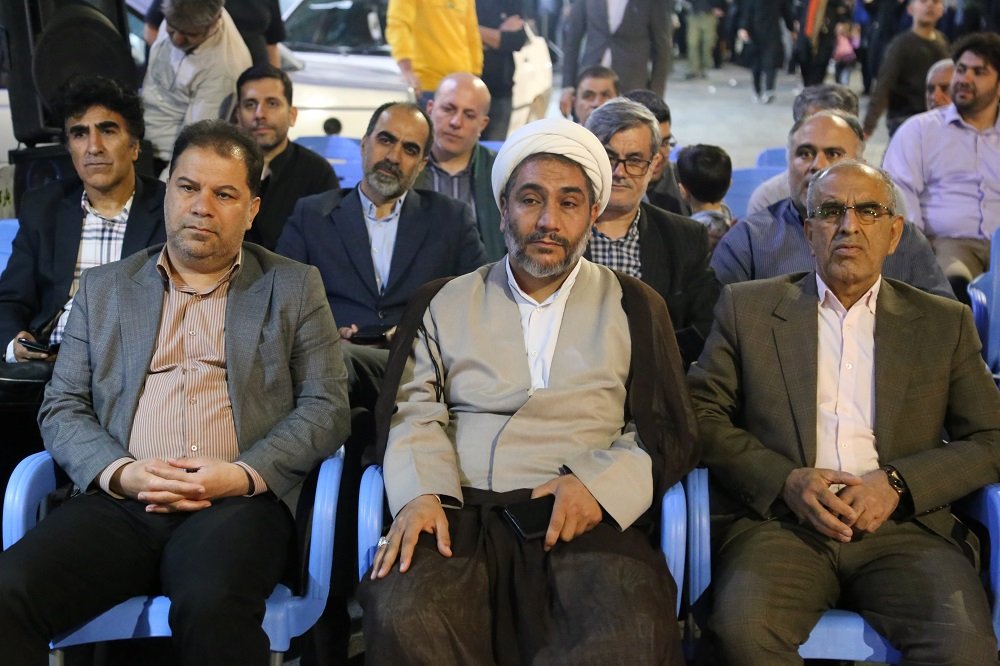
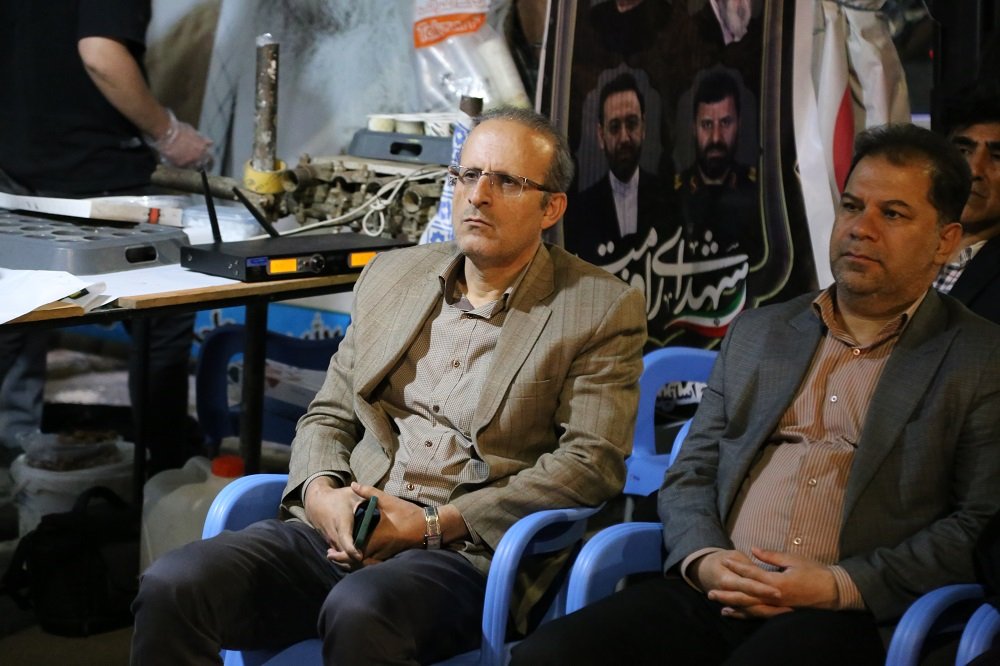
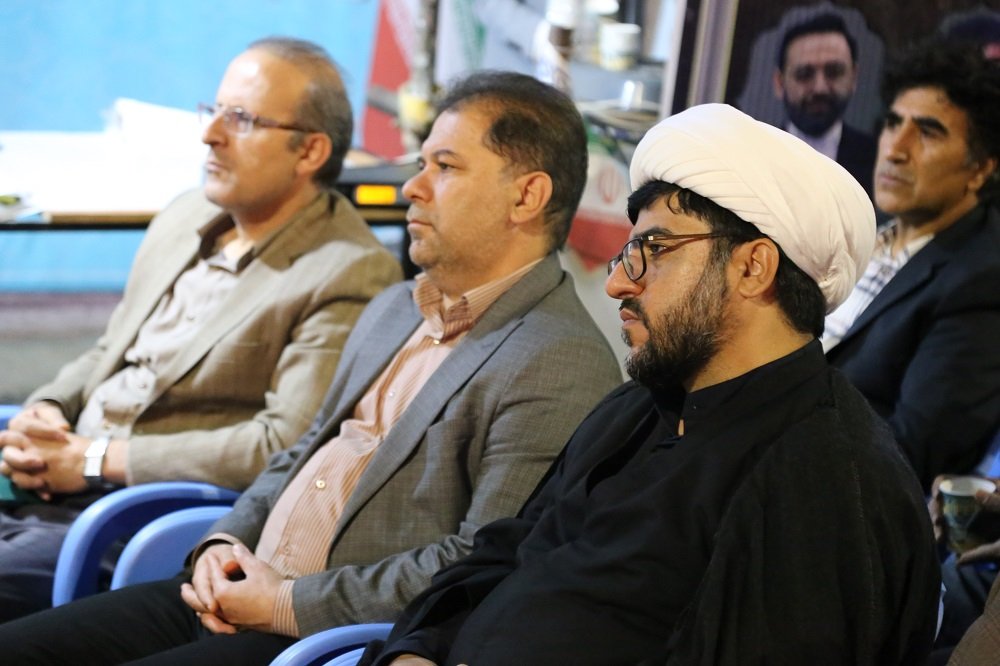
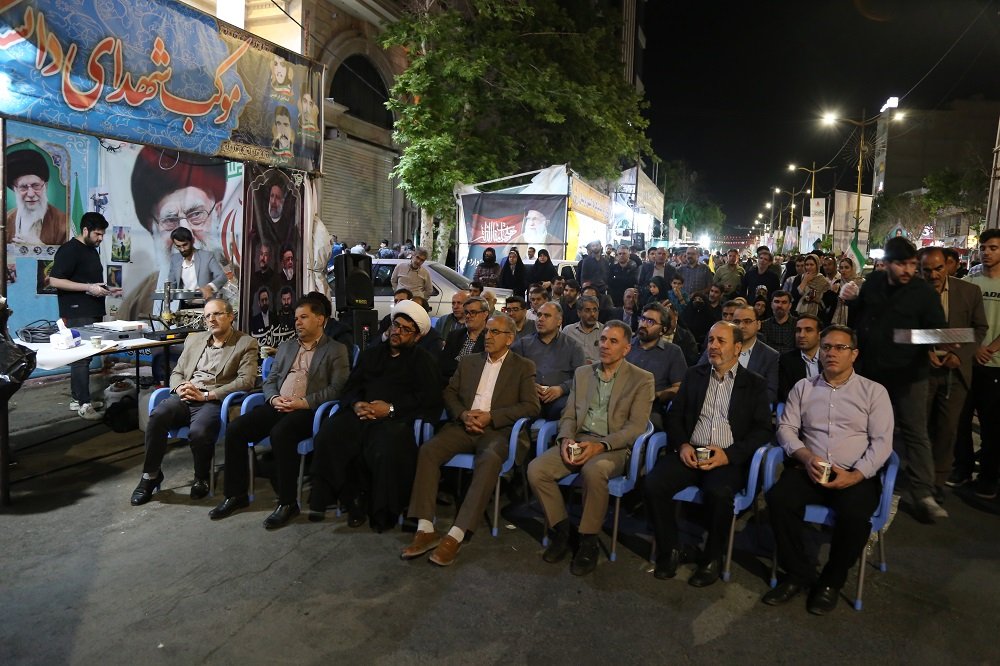
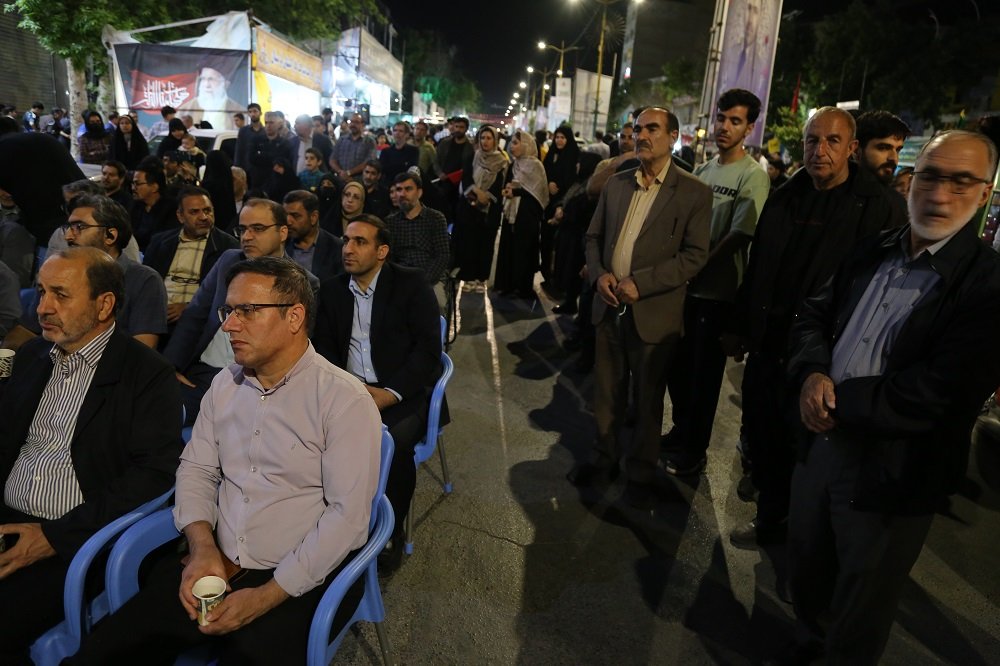
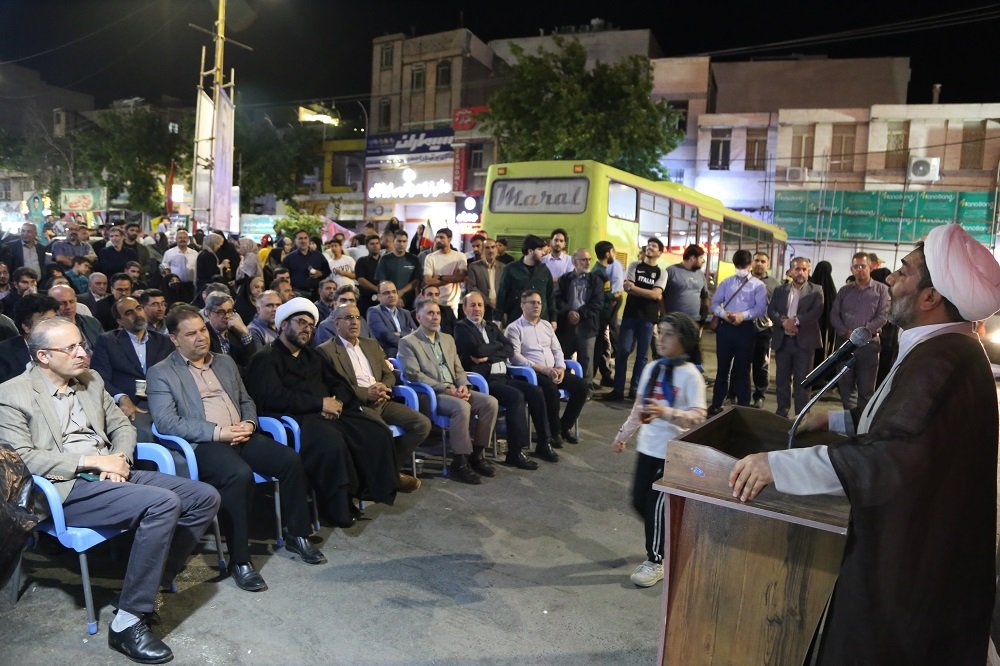
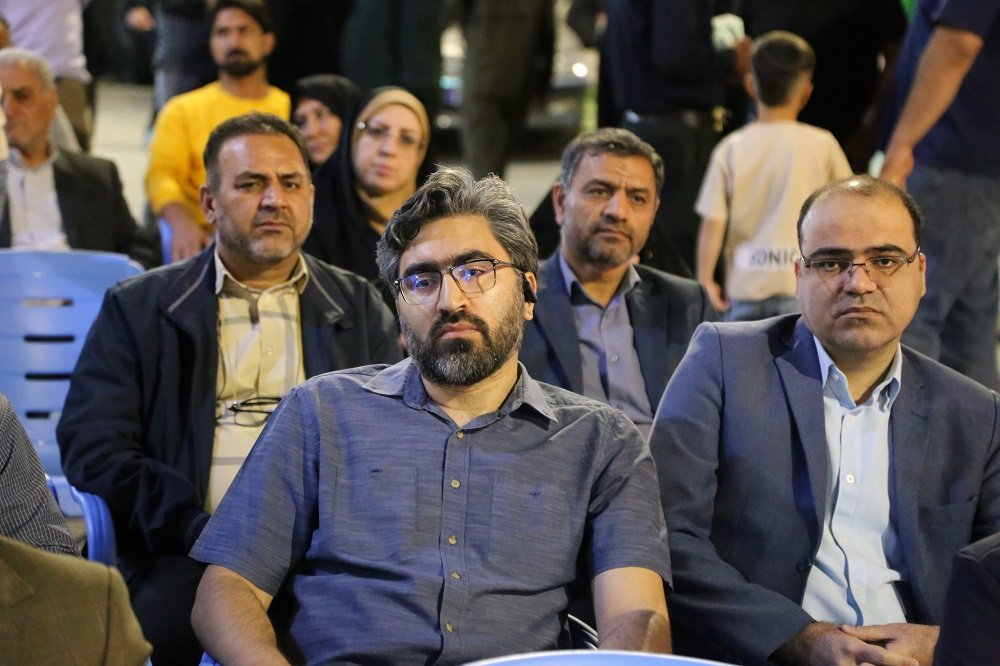
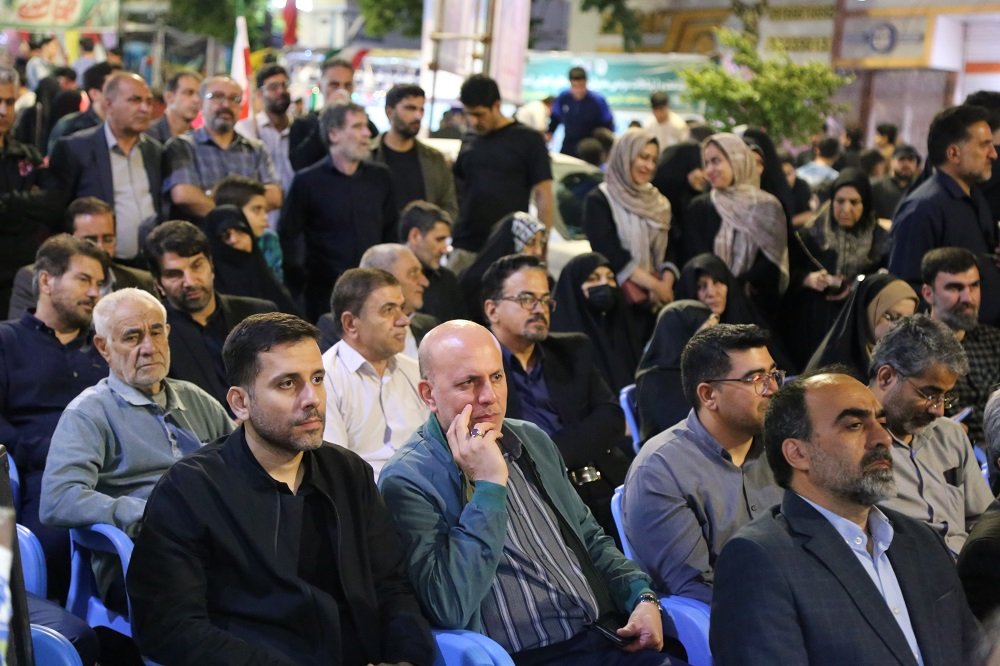
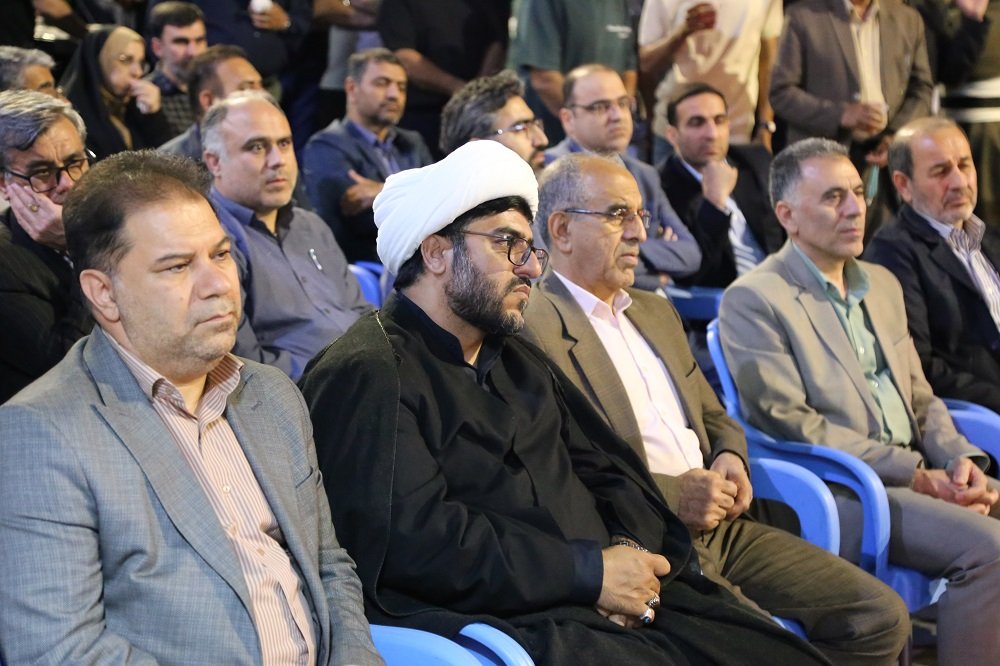
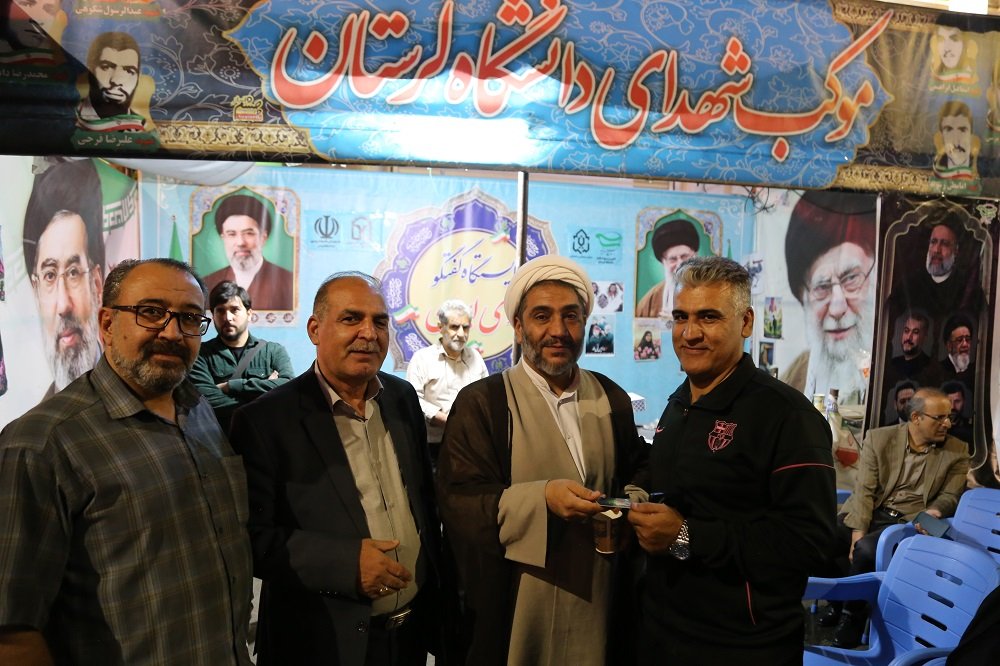
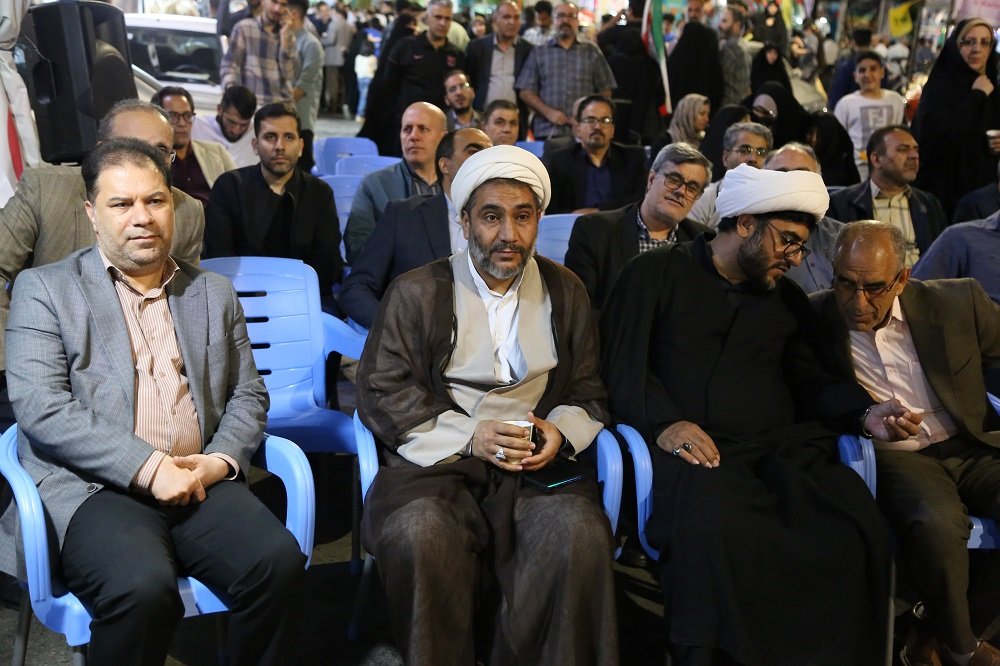
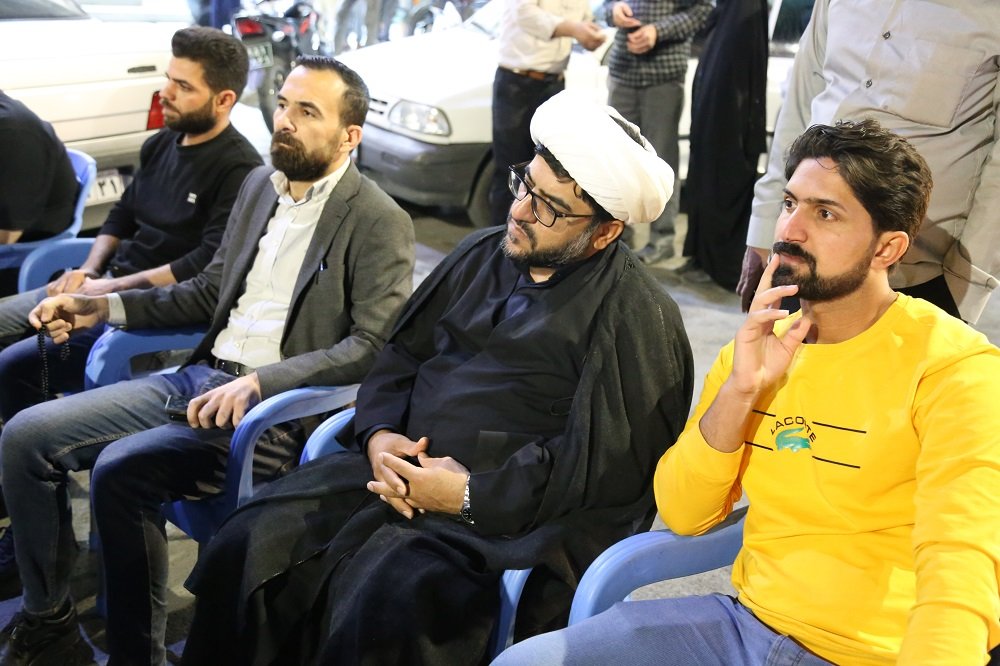
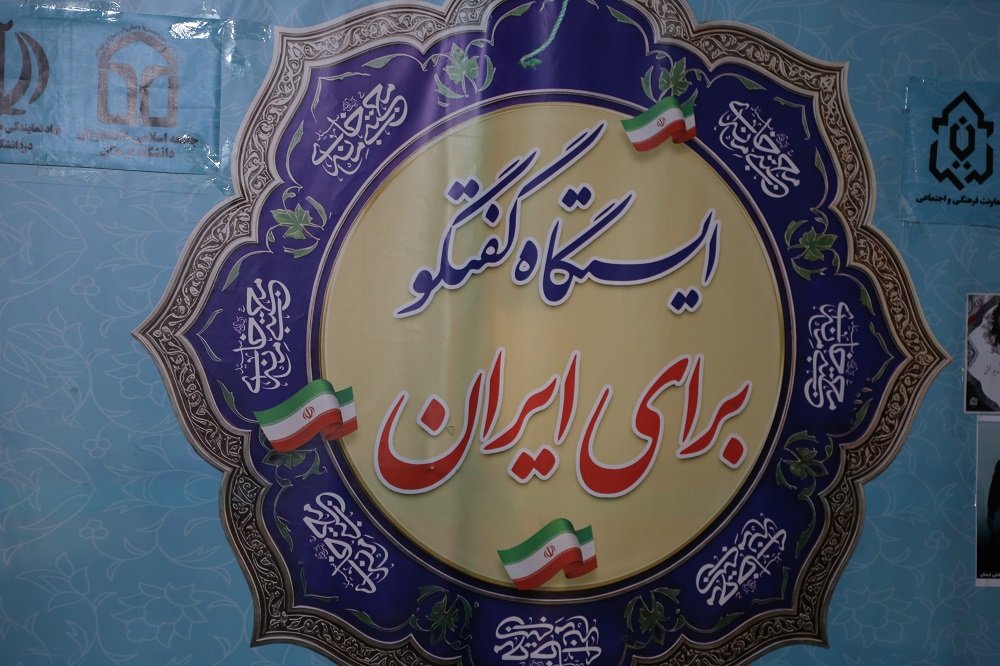
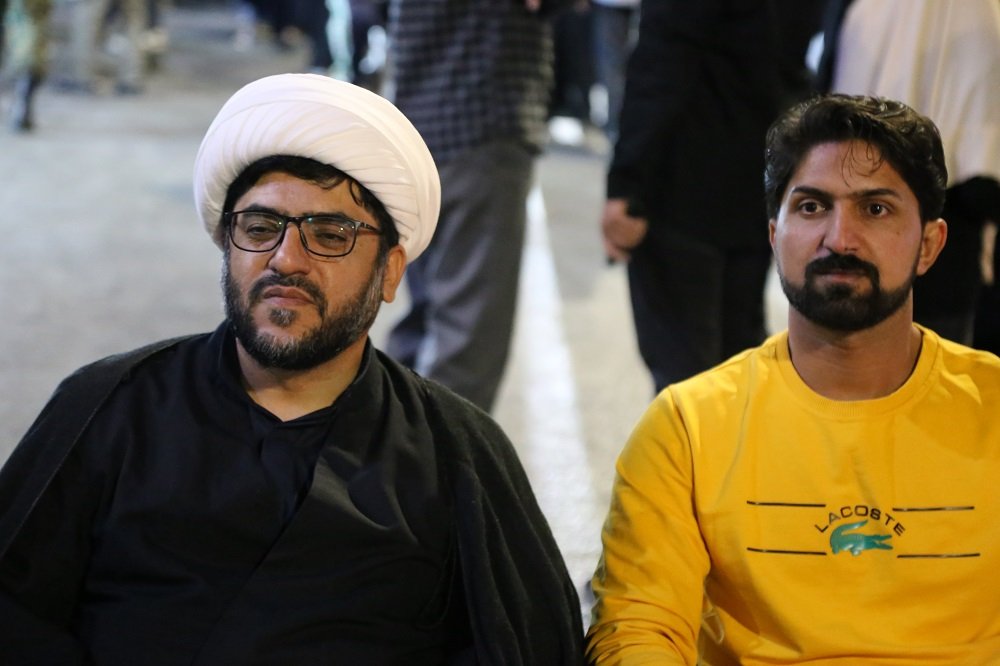
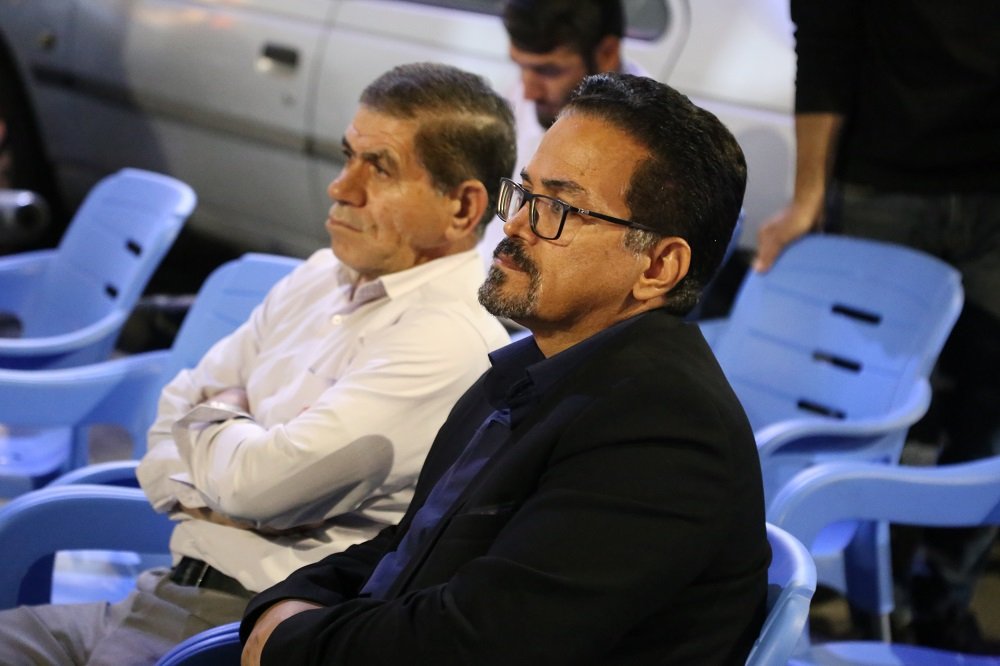
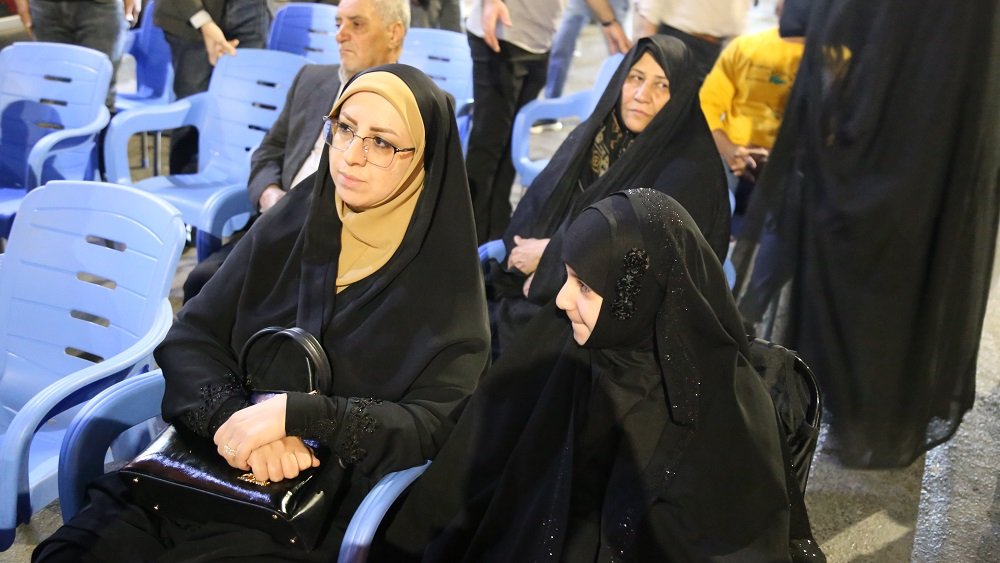
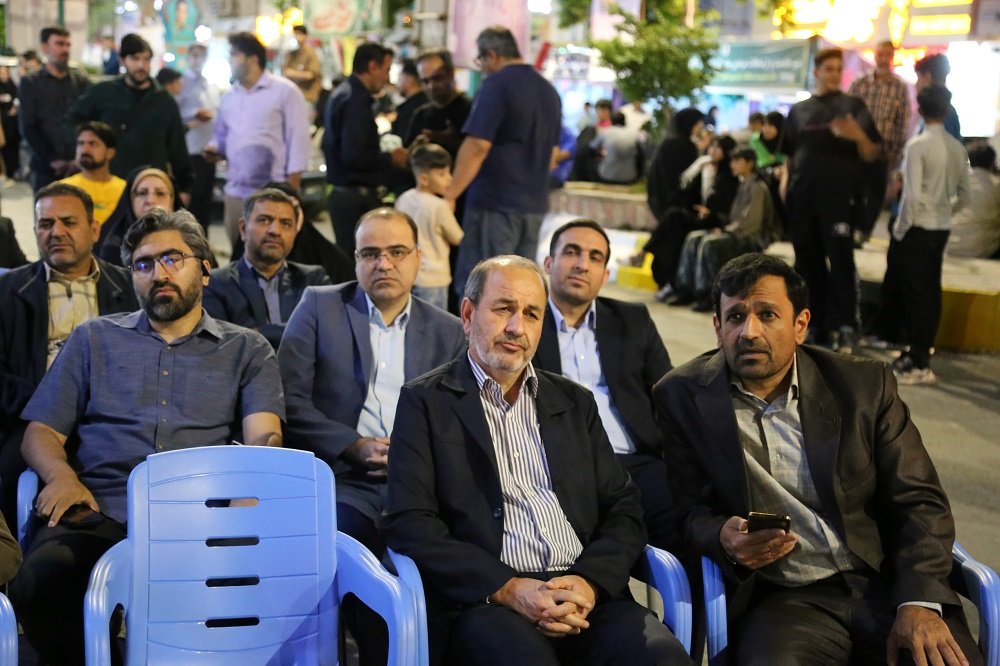
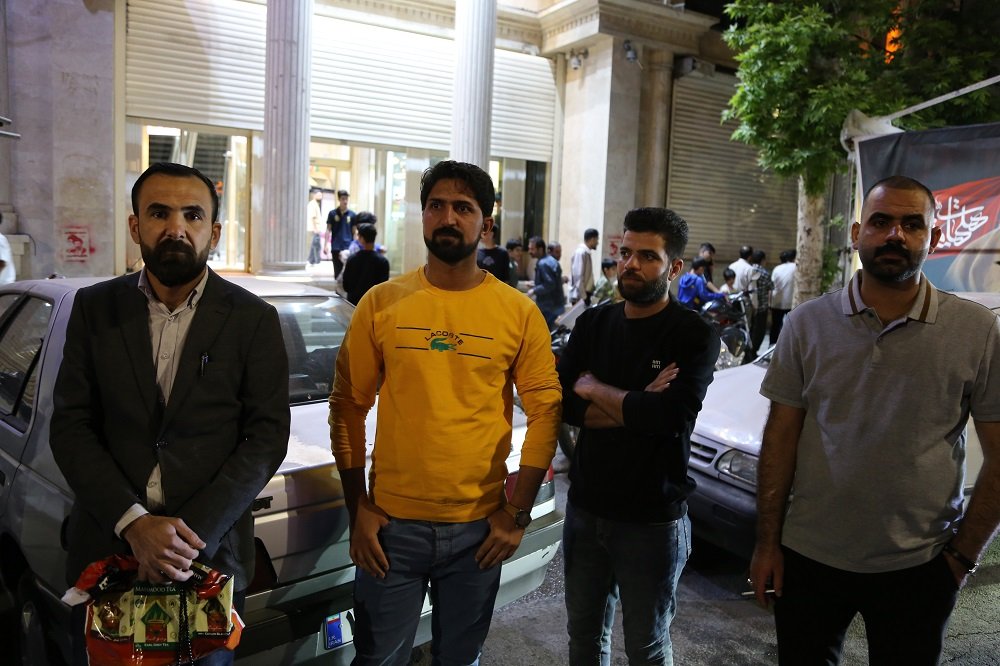
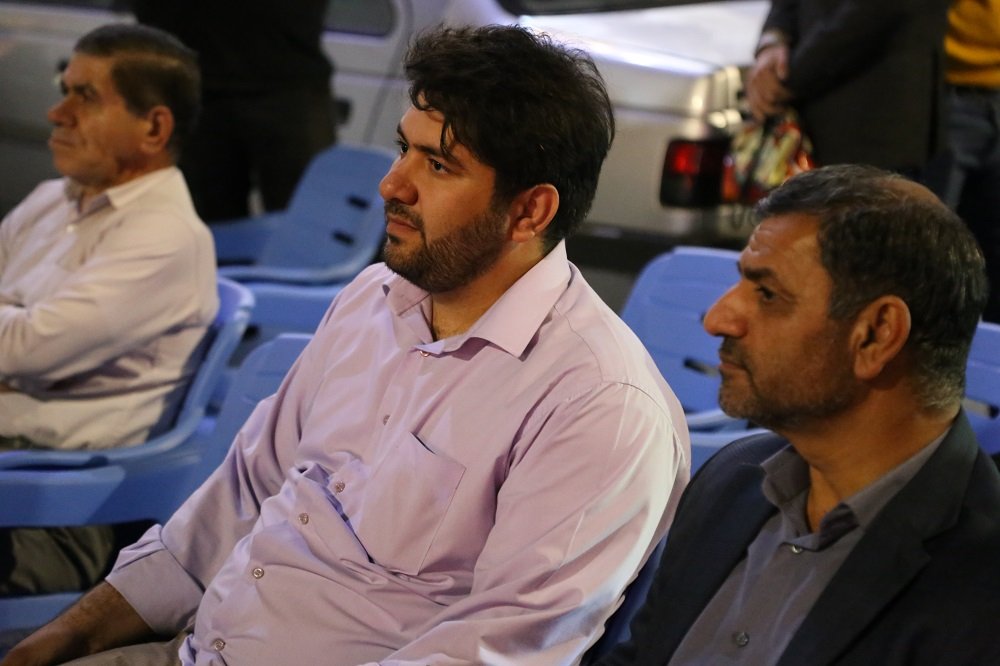
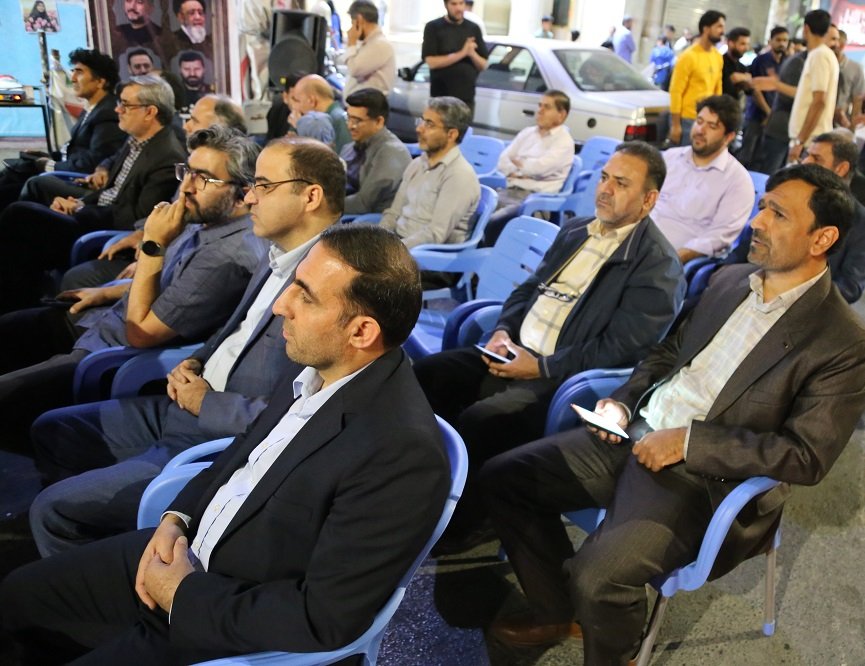
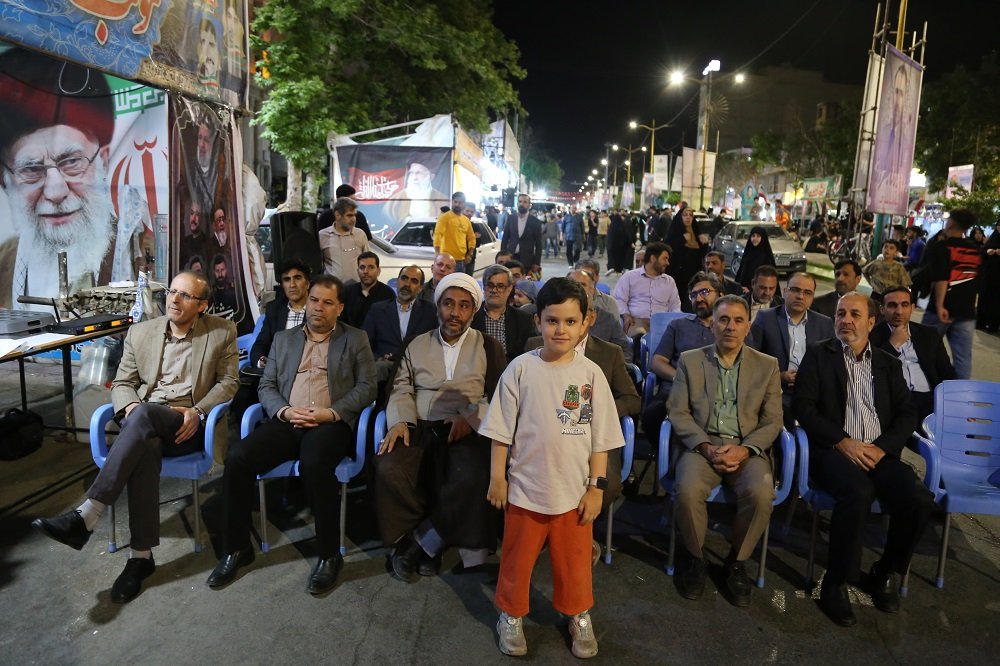
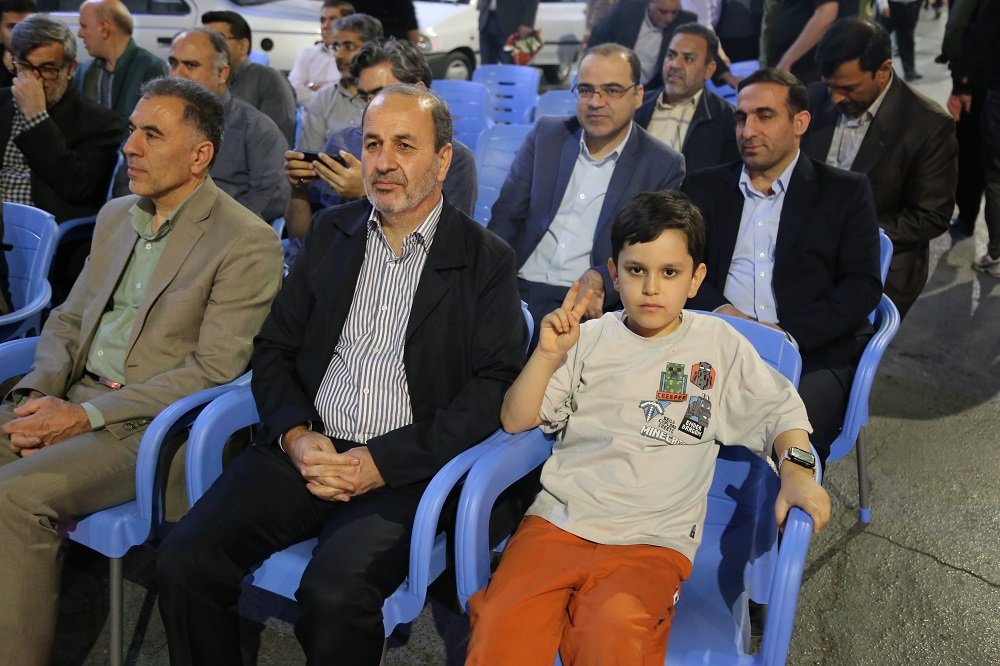
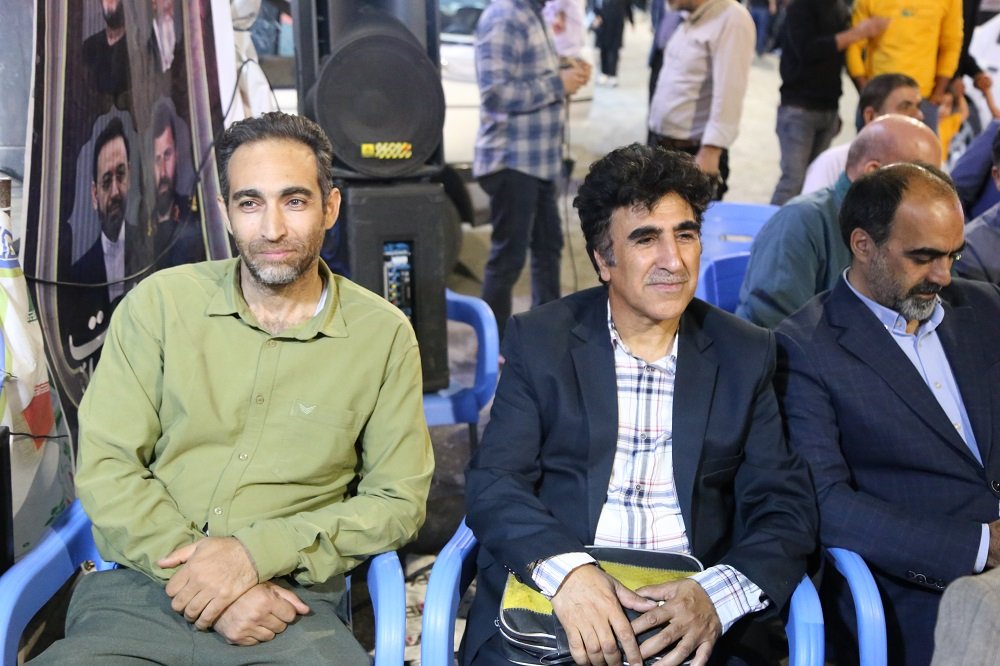
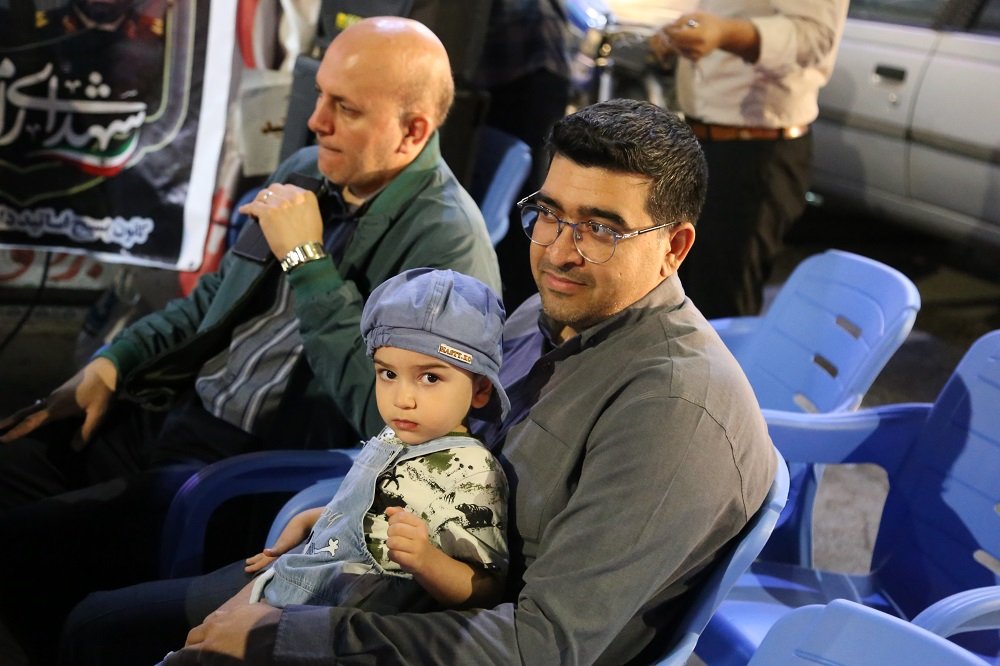
According to the Public Relations of Lorestan University, Hojjatoleslam Mahdavi explained in this ceremony, which was held on Wednesday evening, May 20, with the planning of the Basij of University Professors of Lorestan University and the cooperation of the Cultural and Social Deputy and the Student Basij of the university, with the presence of university members and the people in the Mo'keb of the Martyrs of Lorestan University: "Martyr Raisi was a manifestation of the Islamic Revolution's rituals and spent all his possessions for Islam and the revolution; the rule of growth in the Islamic Revolution is that a person spends all his possessions for Islam and the revolution, and Martyr Raisi acted in this way."
Mahdavi stated: "Outspokenness in demarcation with the enemy, outspokenness in expressing revolutionary positions, simplicity in personal and governmental life, tireless and intimacy with the people, 68 years of jihad in the way of God {His Eminence considers jihad to be the main component of faith}, spending all possessions for Islam and the Islamic Revolution, youthfulness, capacity building, looking inward {the capacities within the country} and ... are among the prominent characteristics of Martyr Raisi."
The Deputy of Education and Training of the Lorestan Province Corps, citing verse 169 of Surah Al-Imran { وَلَا تَحْسَبَنَّ الَّذِينَ قُتِلُوا فِي سَبِيلِ اللَّهِ أَمْوَاتًا ۚ بَلْ أَحْيَاءٌ عِنْدَ رَبِّهِمْ يُرْزَقُونَ}, explained: "In this verse, there is a special point that Allameh Tabatabaei points out: all people who pass away are alive; the dead are also alive; the martyrs are influential during their lifetime; after martyrdom, the position of the martyrs is also elevated and they reach the position of an agent who is like the angels; the lives of the martyrs are different from other people; if we see that the martyrs are involved and effective in the movement of the Islamic Revolution, it is the product of the teachings of this very verse.
The martyrs are not only influential, but even more than that, they are the agents of God. We must try to connect with the martyrs based on this very view. The resurrection of the people is also the product of the blood of the martyrs, especially the blood of the martyred leader of the revolution. Now, our martyr {the martyred leader of the revolution} is an agent and is busy guiding."
The power of Iran is due to the blood of the martyrs
Dr. Qasem Sahraei, Deputy of Cultural and Social Affairs of Lorestan University, said in this ceremony: "The Islamic Revolution movement started in 1963; many pure bloods have been shed so that Iran has turned into a powerful and strong tree."
Dr. Sahraei explained: "We always appreciate the self-sacrifice of the esteemed martyrs, including Martyr Raisi and the martyrs of service; being with the people was one of the prominent characteristics of the martyrs of service, and we should also make the lifestyle of the martyrs our model."
Reading the message of the Supreme Leader of the Islamic Revolution by the Deputy of Research and Technology of Lorestan University
In this ceremony, Dr. Hossein Hatami, Deputy of Research and Technology of Lorestan University, read the message of the Supreme Leader of the Revolution, Ayatollah Seyyed Mojtaba Khamenei, regarding the commemoration of the anniversary of the martyrdom of Martyr Raisi and his companions and the commemoration of the martyrs of service.