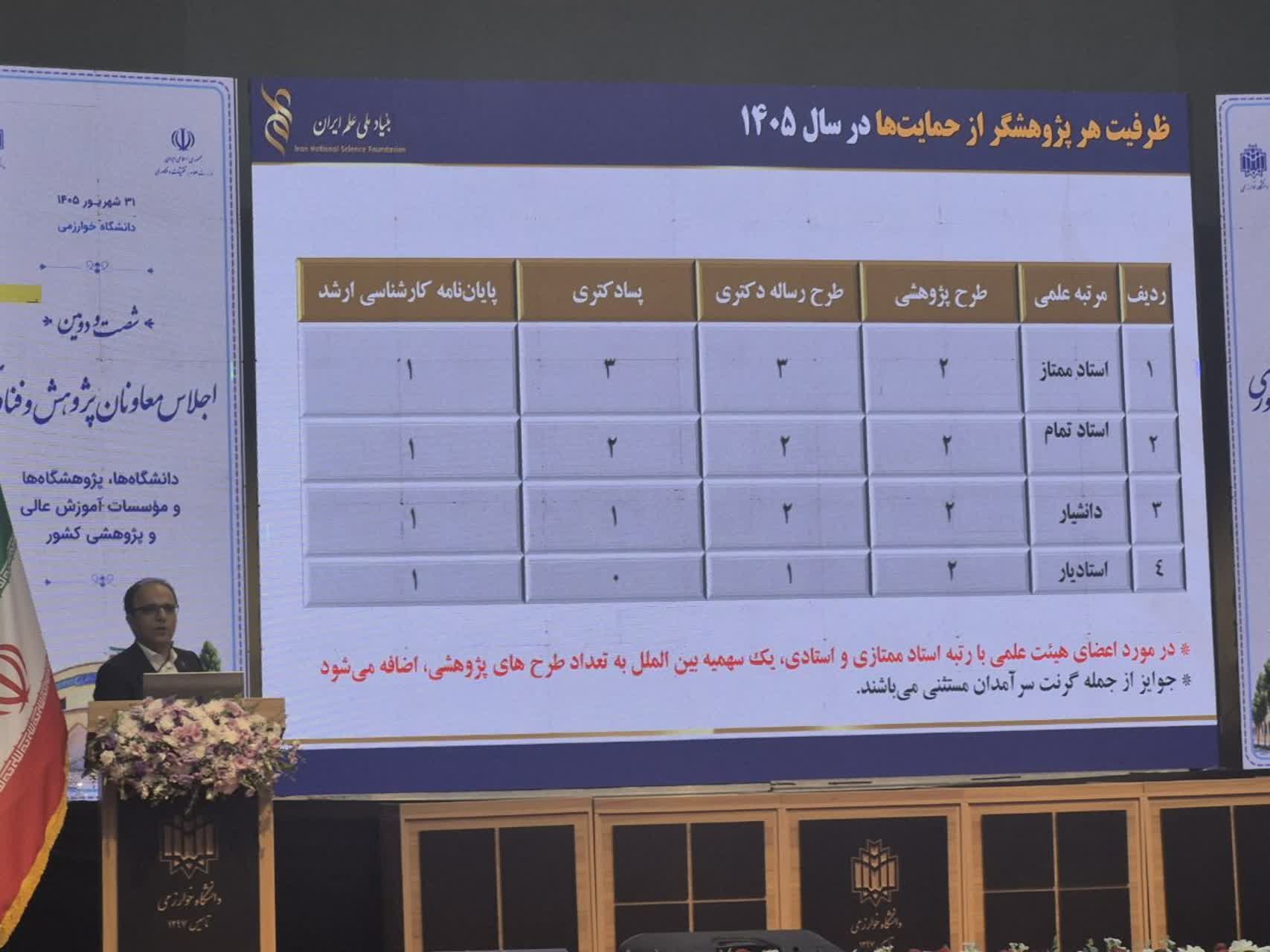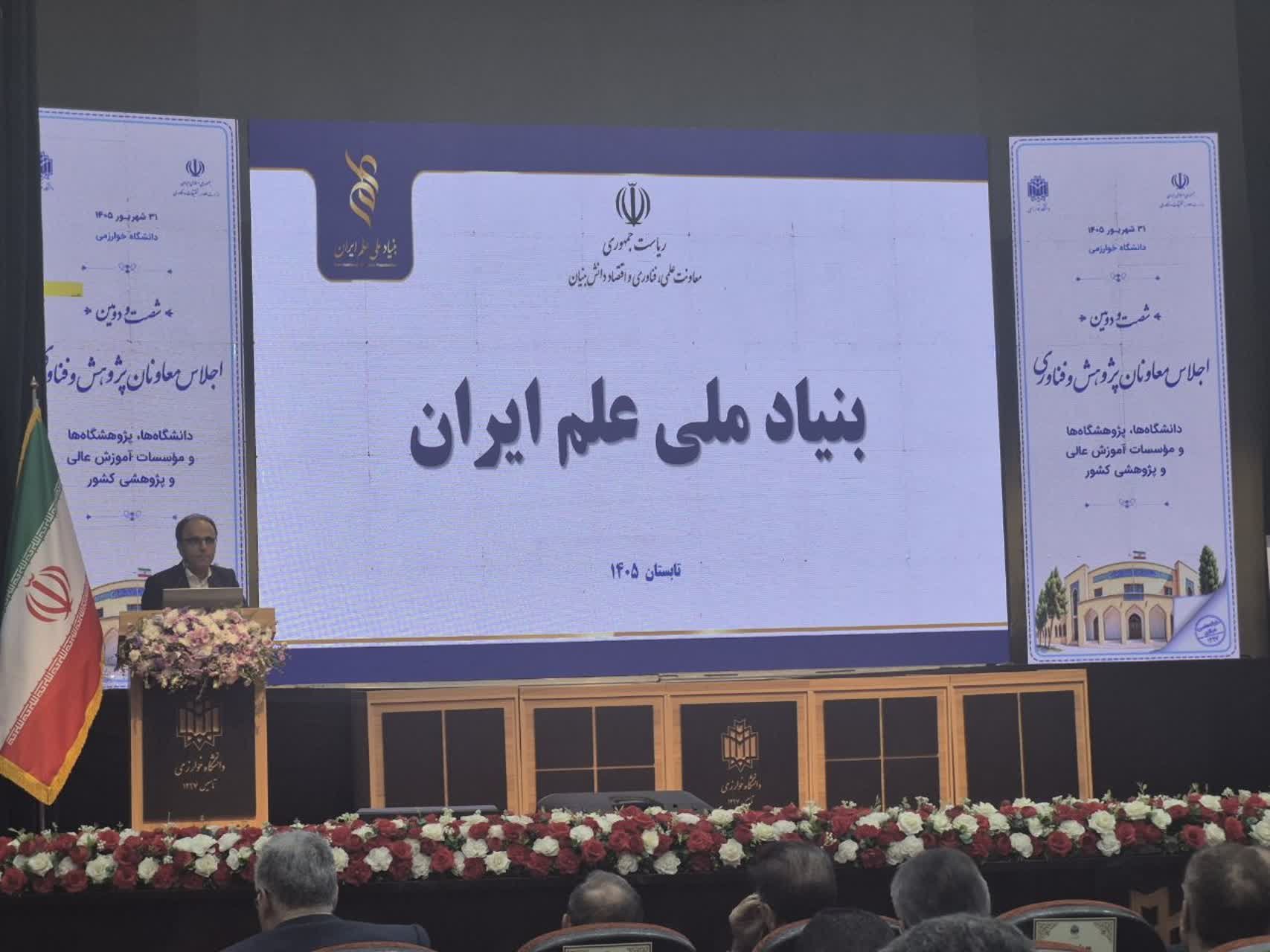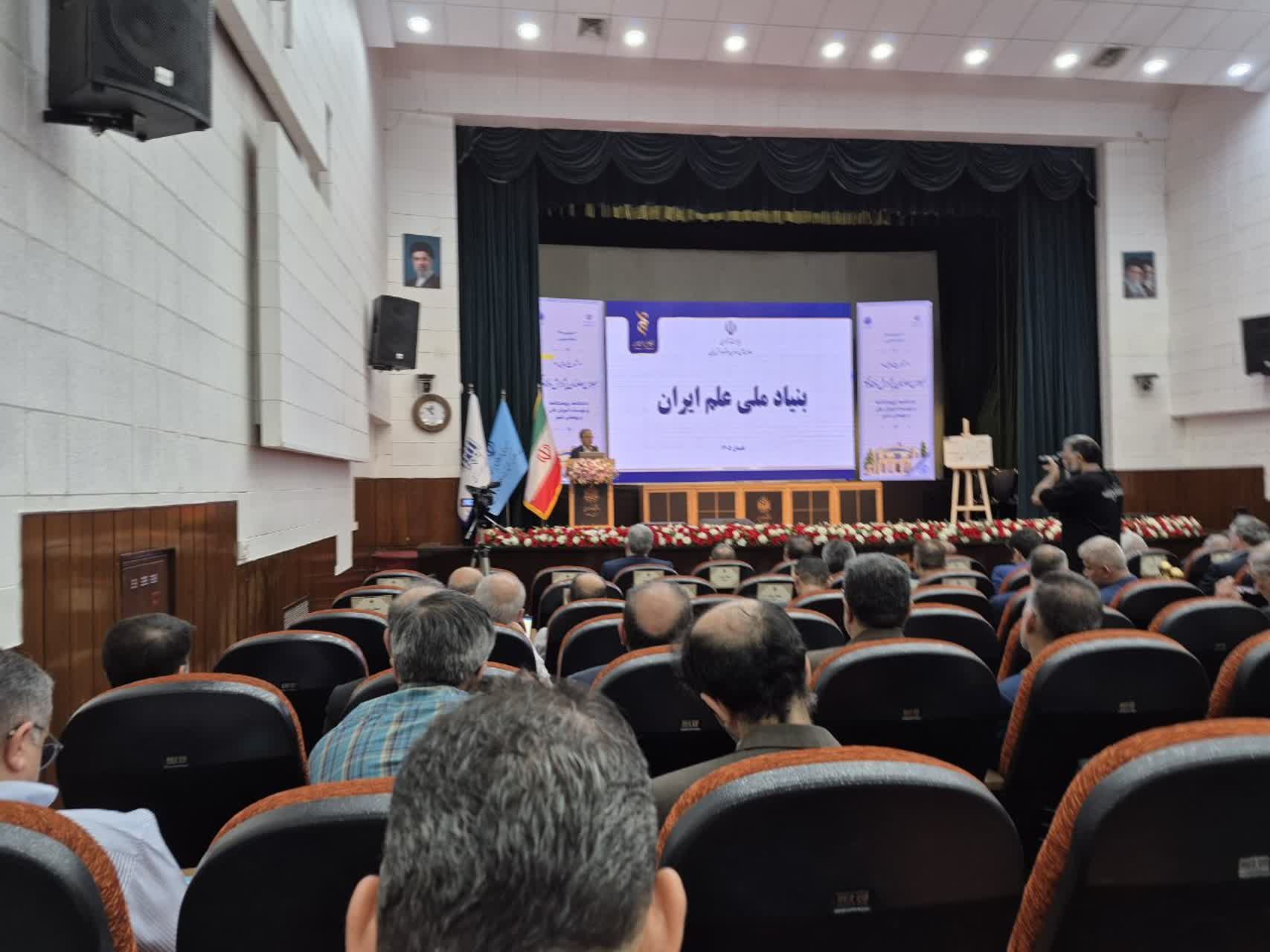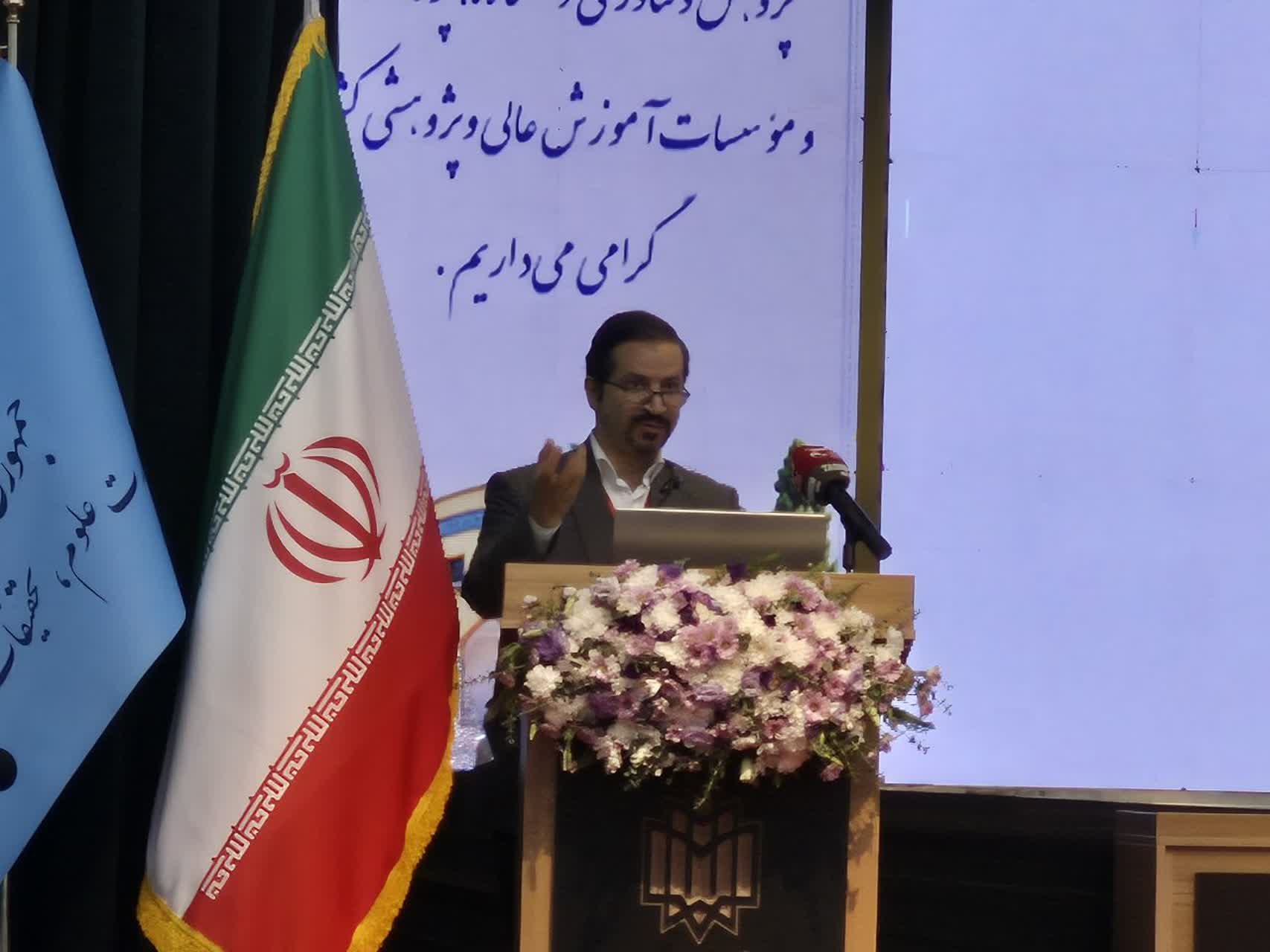

Presence of the Vice-Chancellor for Research and Technology of Lorestan University at the Conference of Vice-Chancellors for Research of Iranian Universities / Unveiling of the "ATF" Project
 Sep 24, 2026
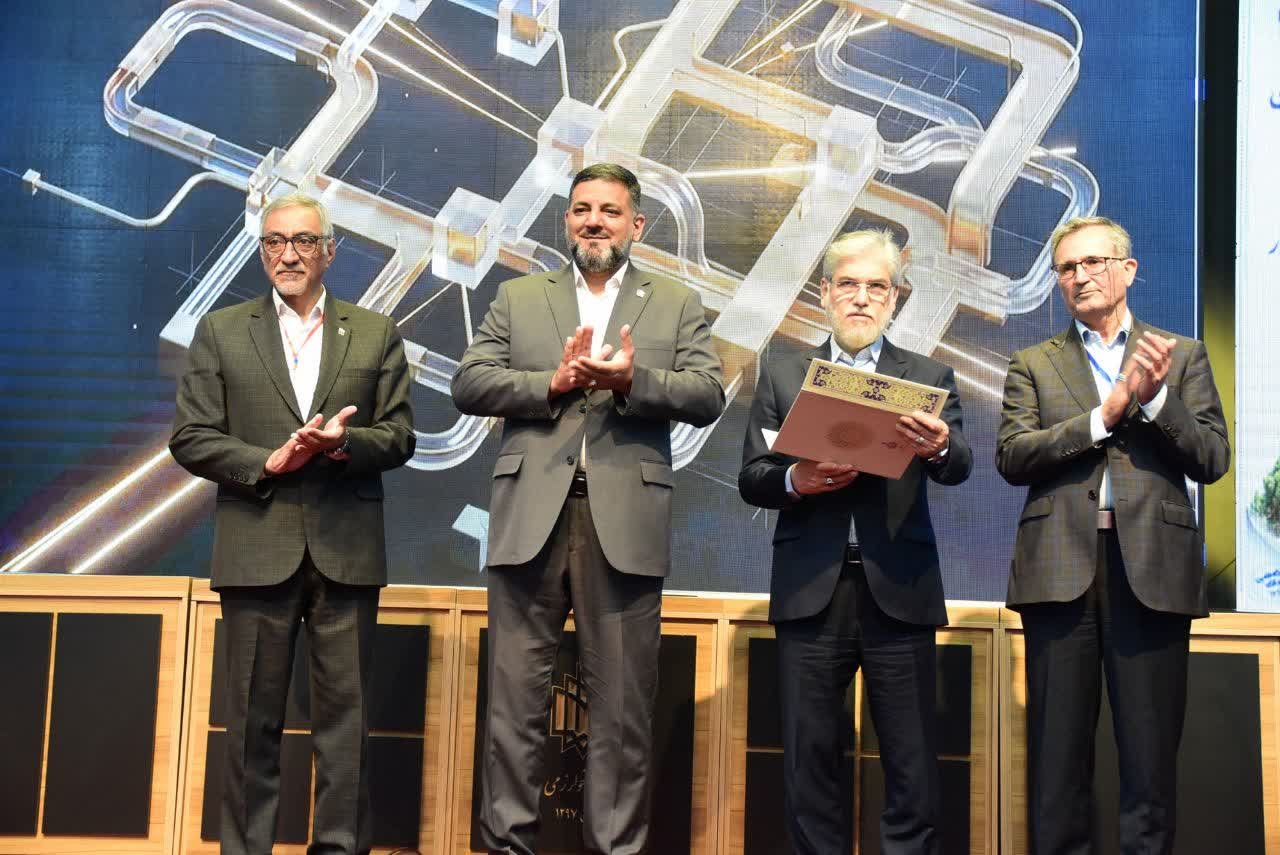
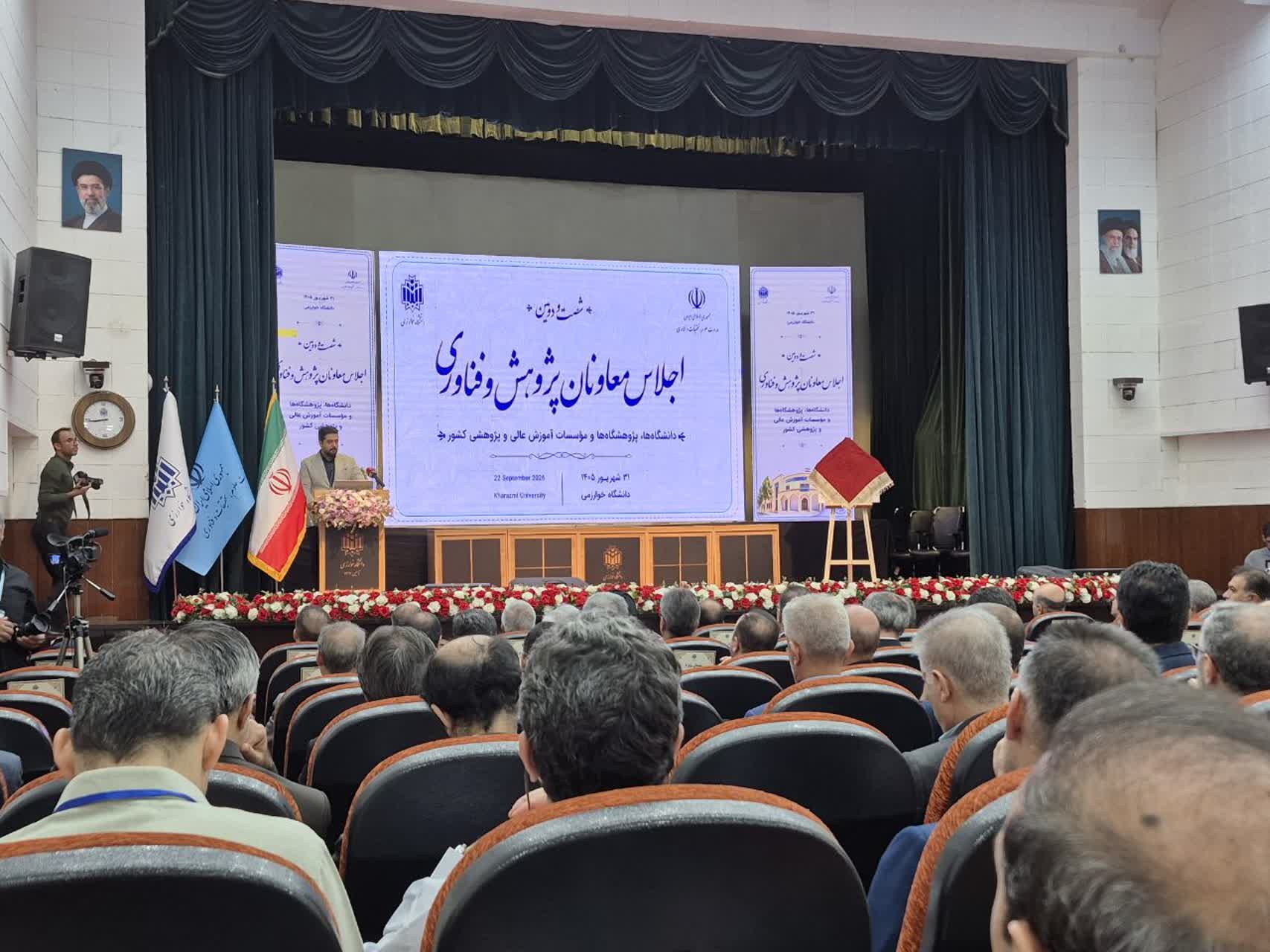
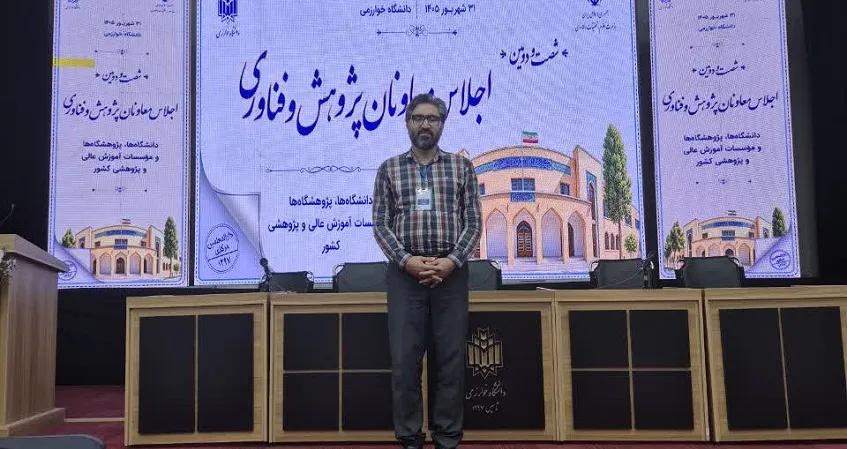
Dr. Hossein Hatami, Deputy for Research and Technology of Lorestan University, participated in the meeting of deputies for research and technology of universities and higher education institutions of the country. At this meeting, with the presence of the Minister of Science, Research and Technology, the "ATF" plan was unveiled.
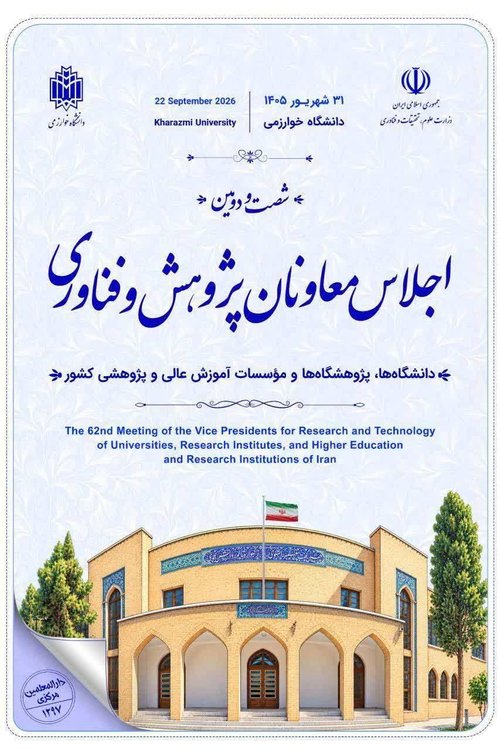
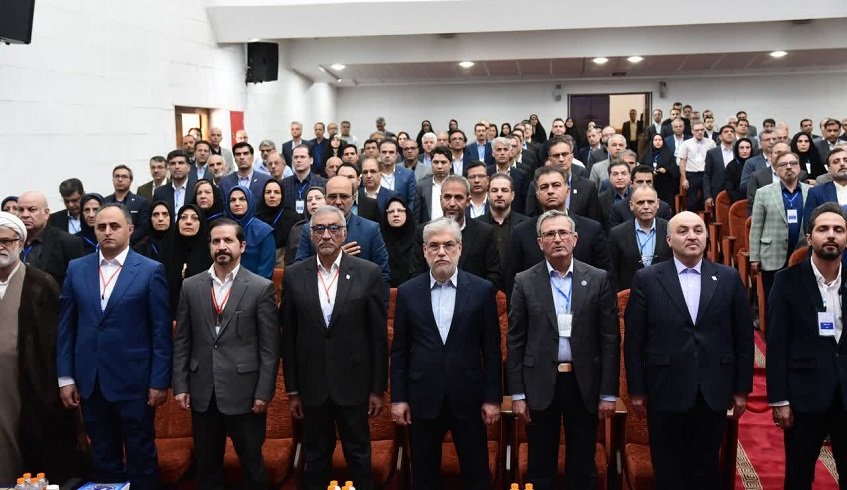
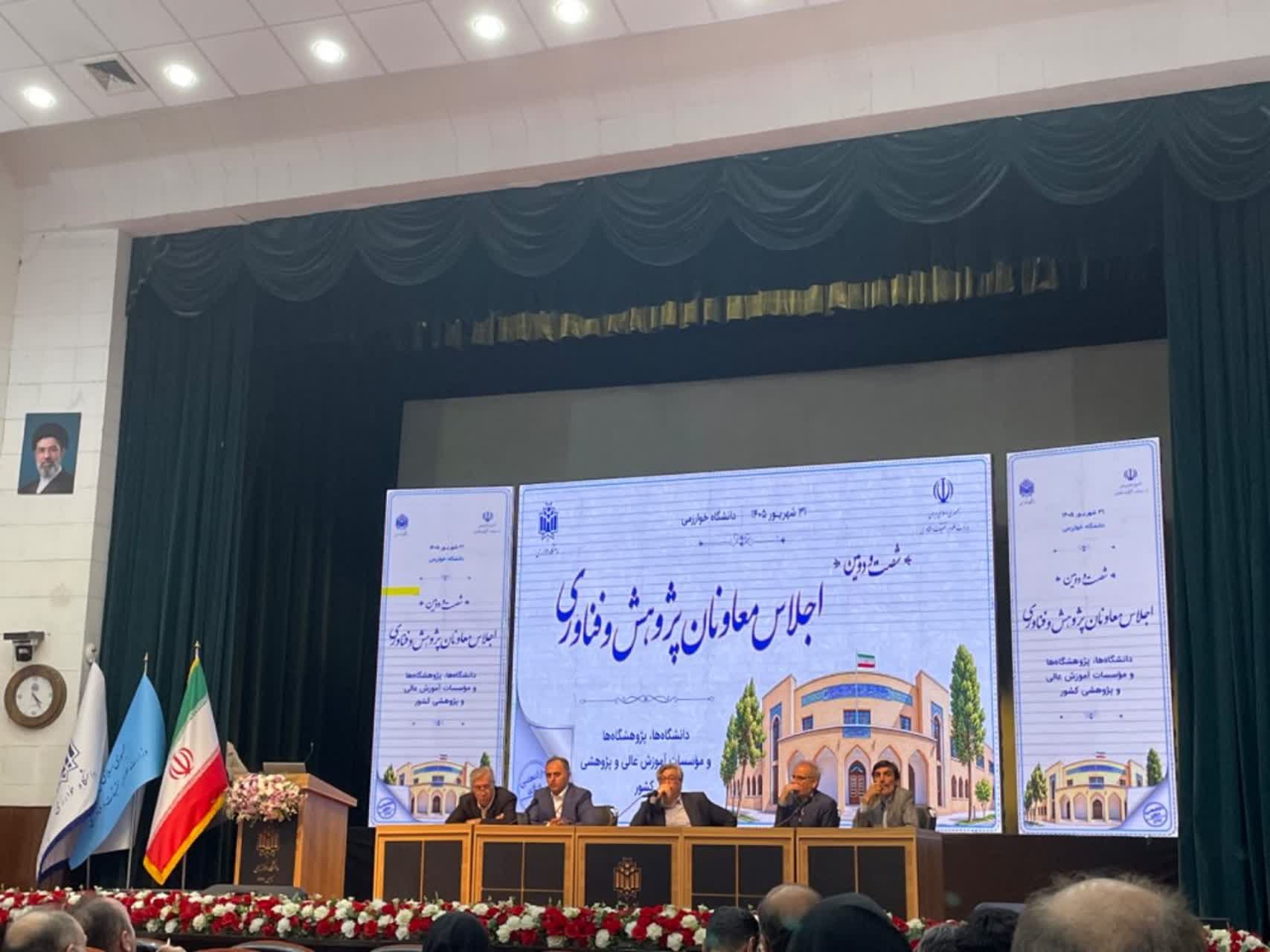
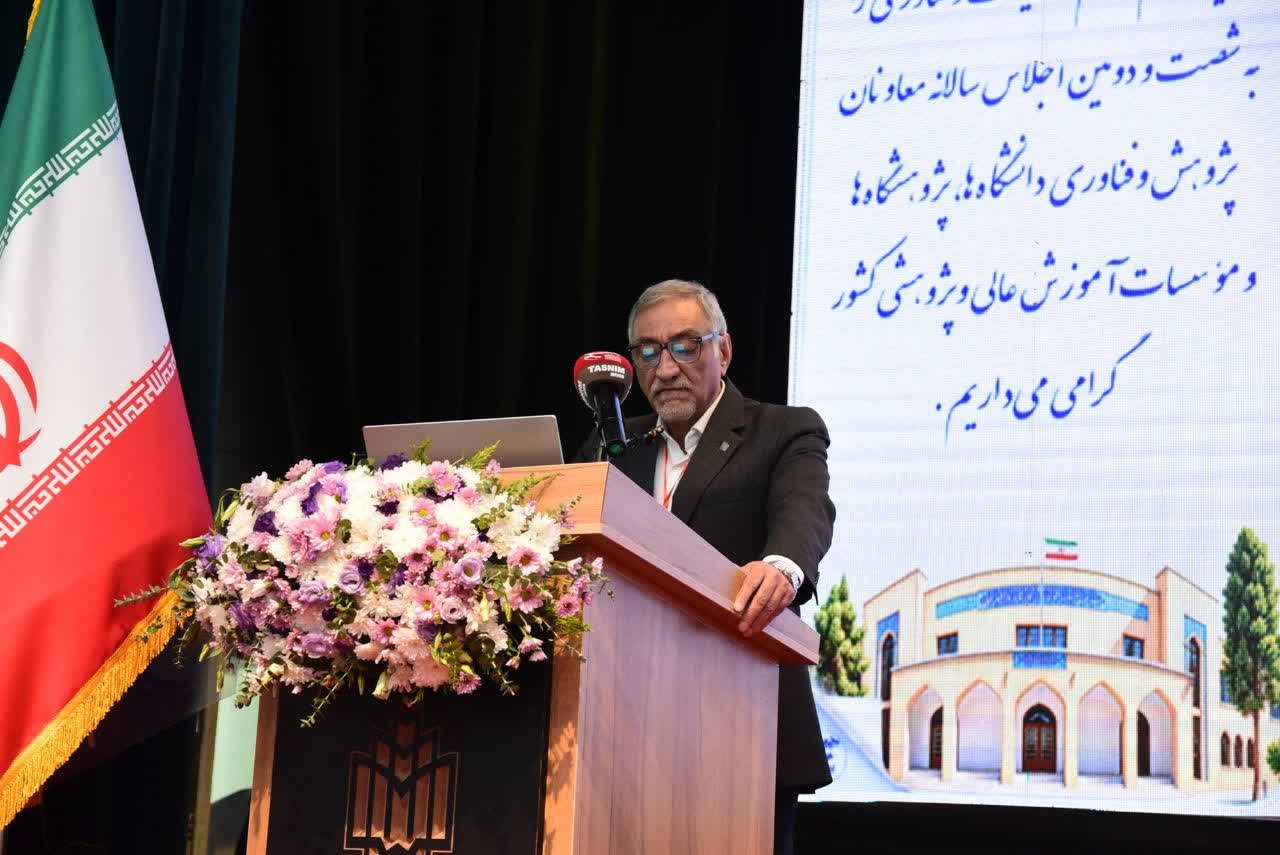
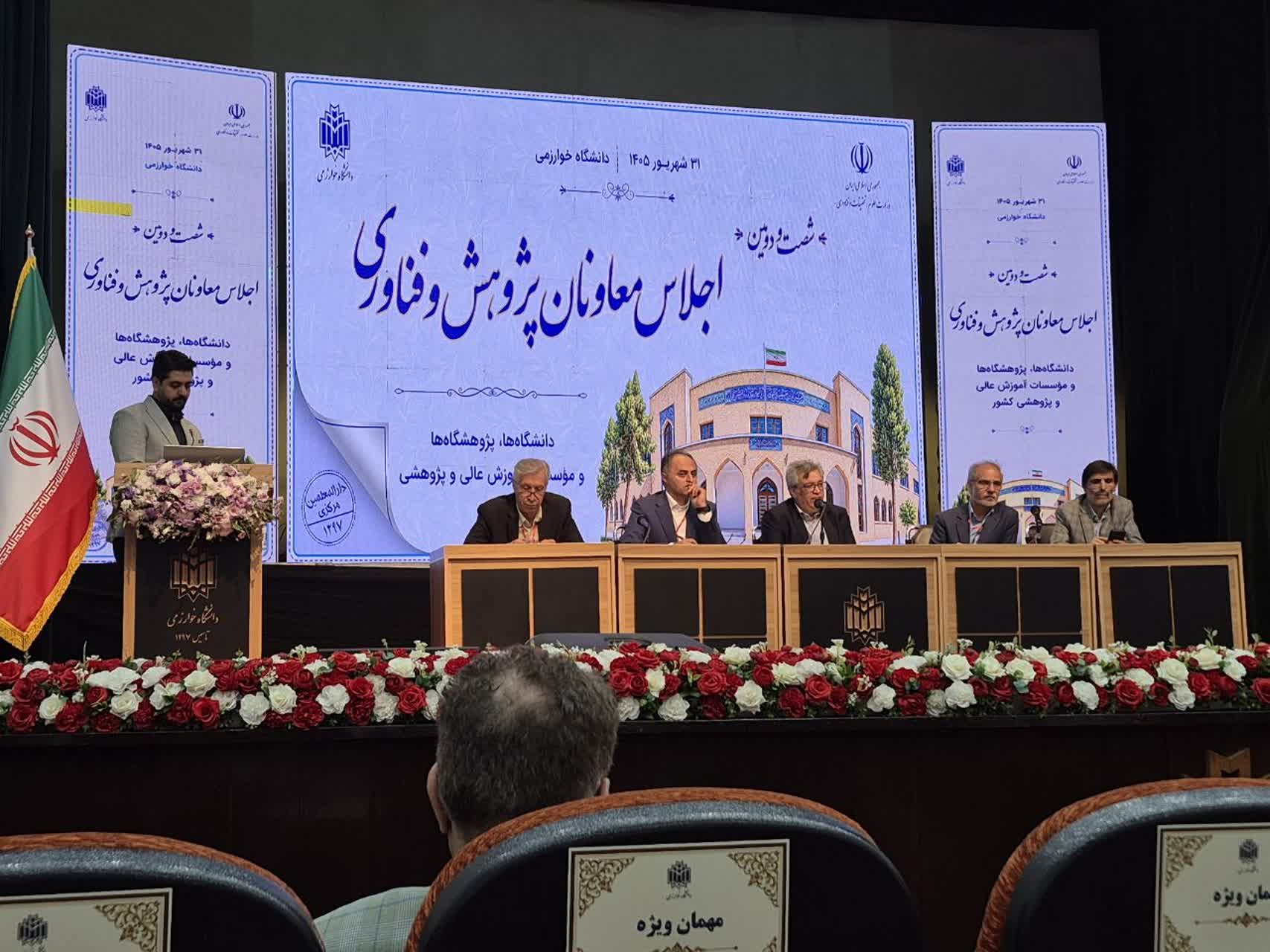
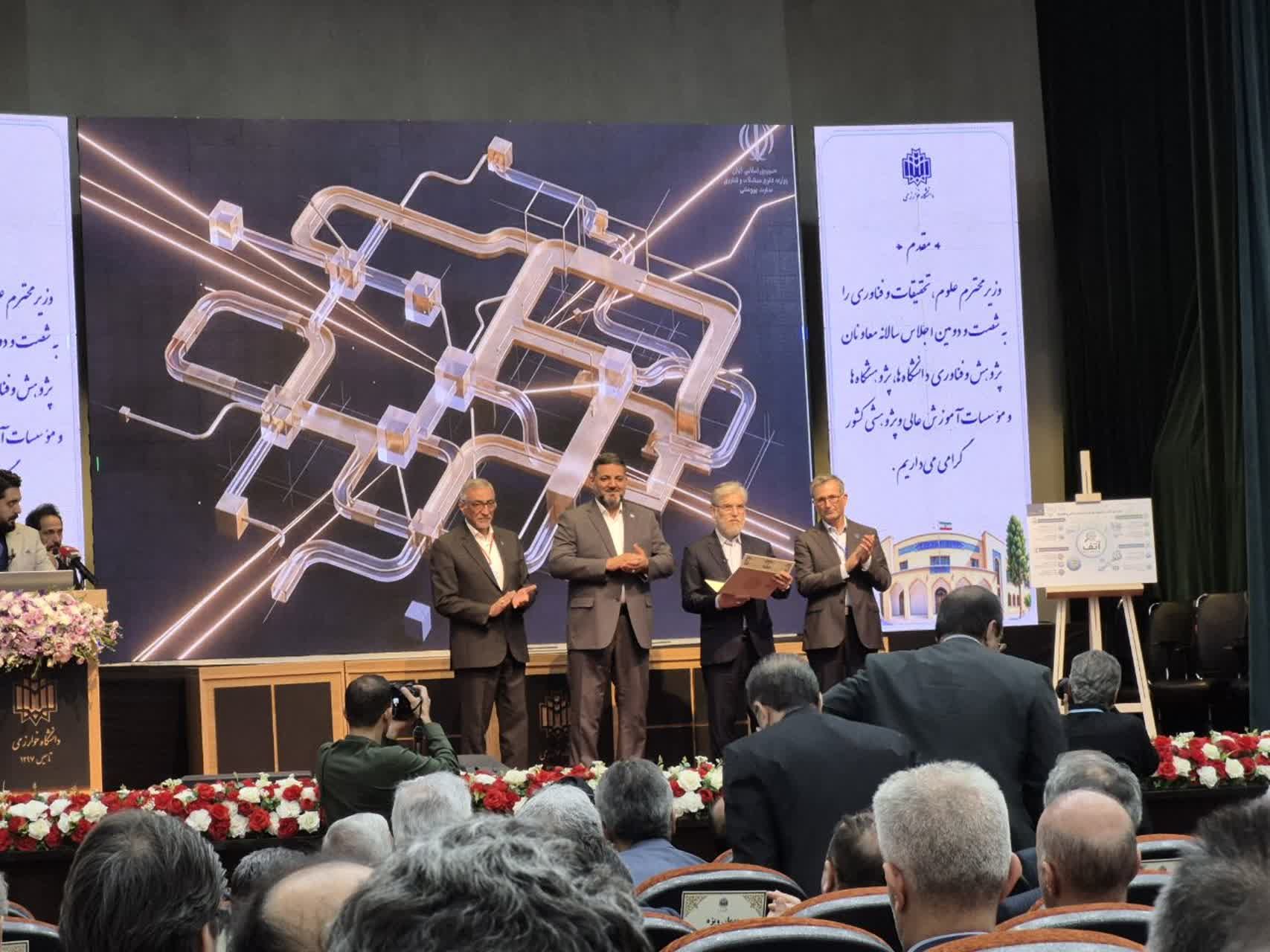
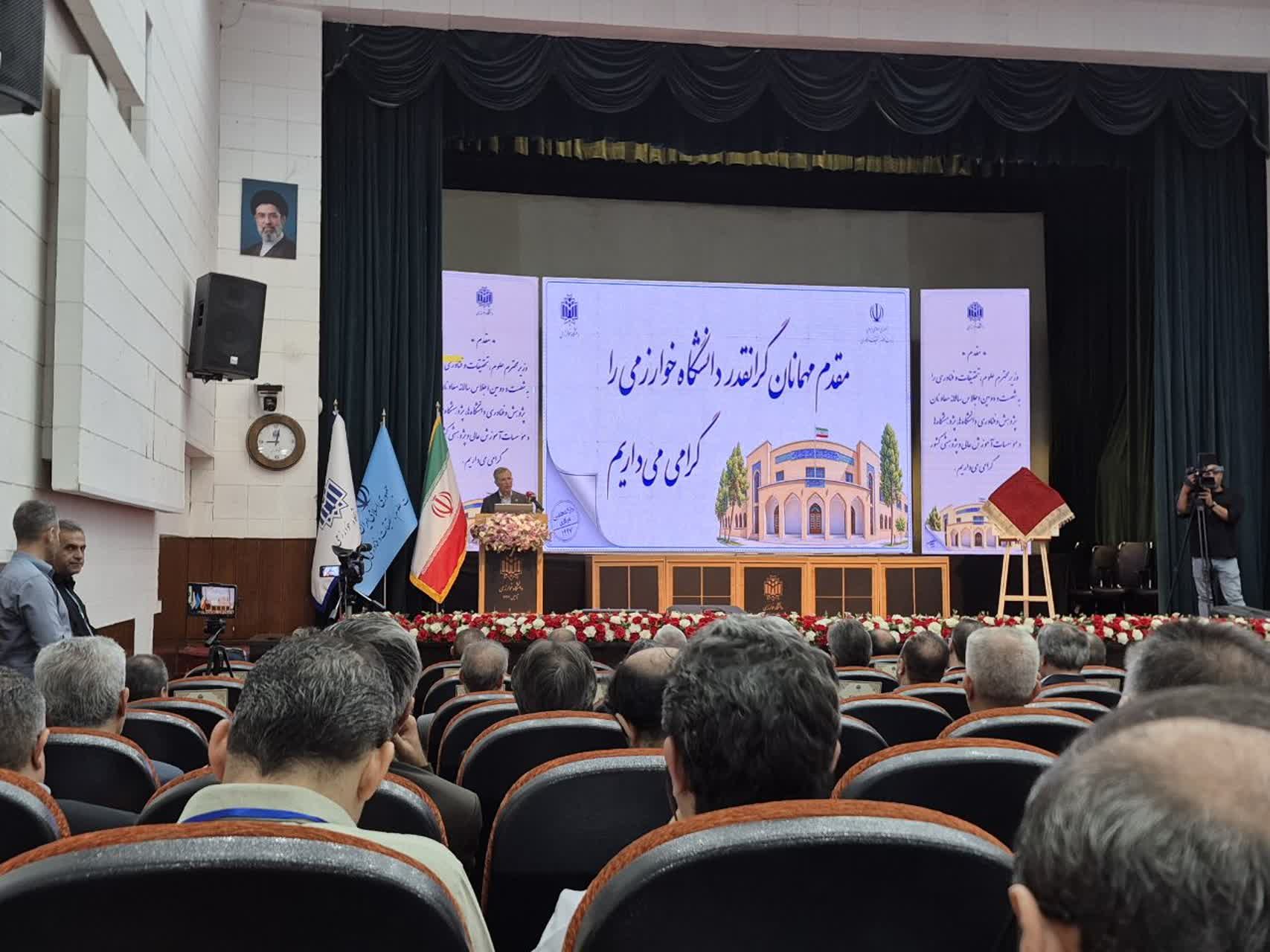
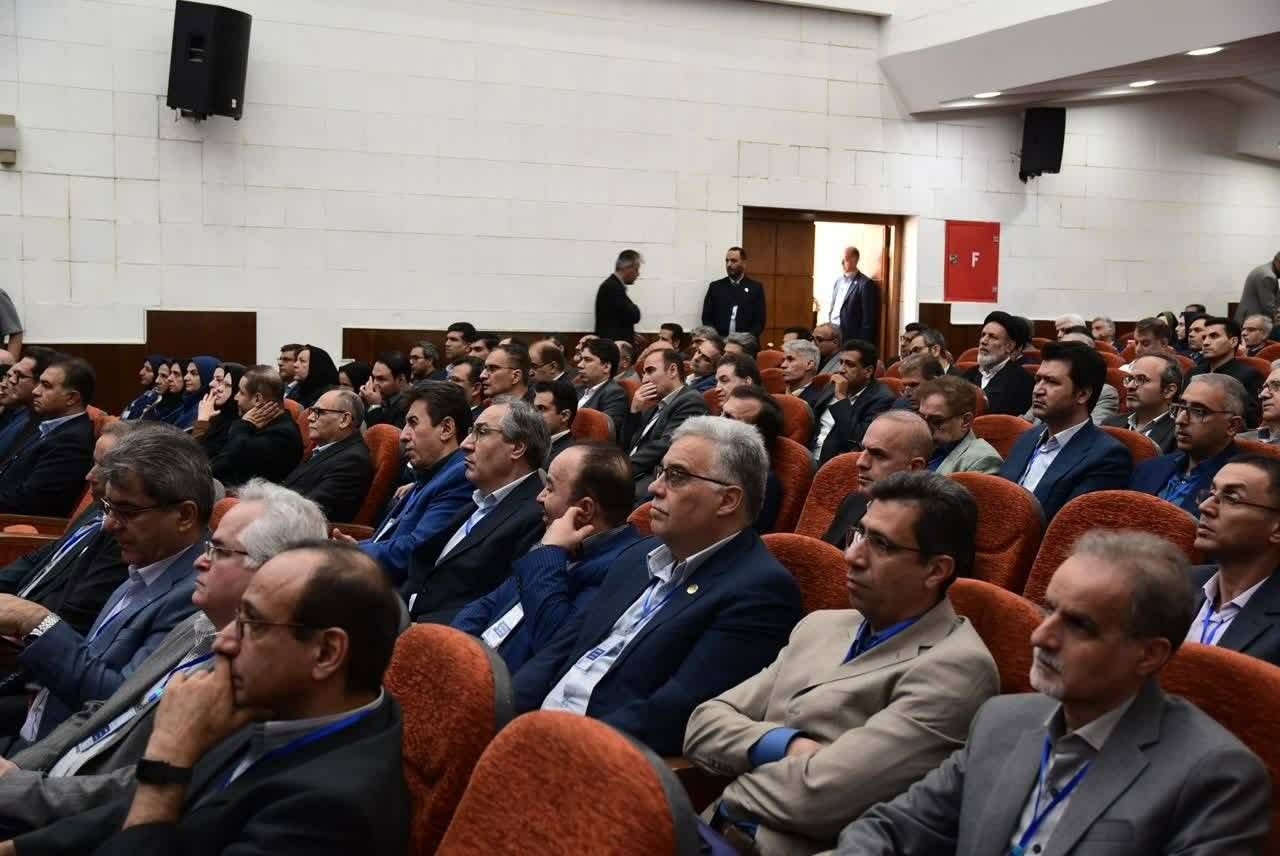
On Tuesday, September 22nd, the sixty-second meeting of the deputies for research and technology of universities, research institutes, and higher education and research institutions of the country was held with the presence of Dr. Seimaei Sarraf, the Minister of Science, Research and Technology, Dr. Abtahi, the Deputy for Research of the Ministry of Science, Dr. Azimirad, a member of the Parliament's Education, Research and Technology Commission, Dr. Salehi, the Secretary of the Supreme Council of Science, Research and Technology, and the deputies for research and technology of universities, research institutes, and higher education and research institutions, at the 17th of Shahrivar Hall of Kharazmi University.
The Importance of the Seventh Development Plan of the Country / Criticism of Current Research Structures in Universities / Attention to Dynamic and Flexible Structures / Commencement of the Individual Research Laboratory Plan
Dr. Seyed Mehdi Abtahi, the Deputy for Research of the Ministry of Science, Research and Technology, while commemorating the martyrs of the Islamic Revolution, the Sacred Defense, and the recent martyrs of the country, stated: "The Seventh Development Plan has been formulated under different conditions compared to today's circumstances and has set important legal duties for the country in the field of science and technology."
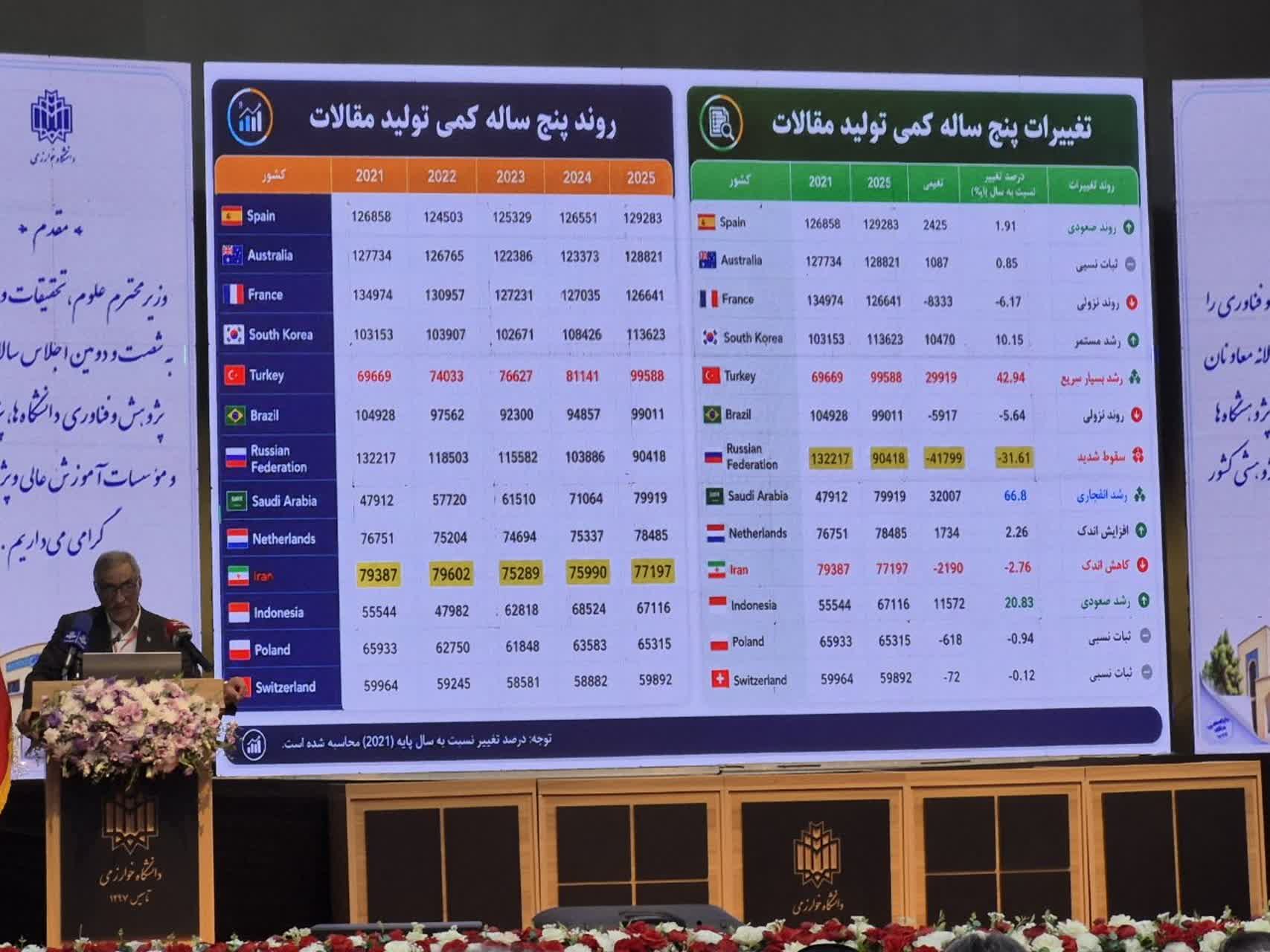
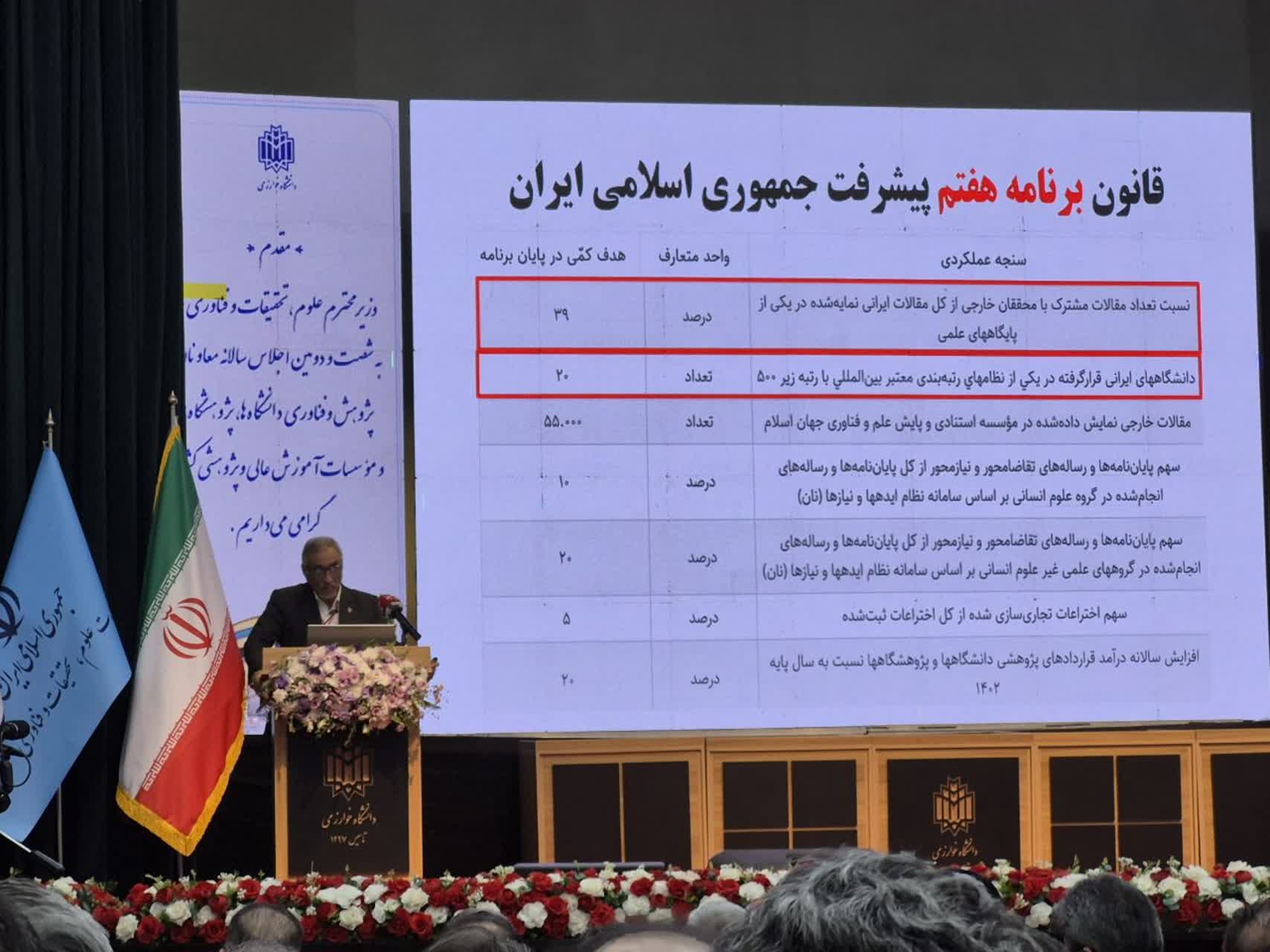
Dr. Abtahi, referring to the goals set in the Seventh Development Plan, added: "Reaching the fourteenth global rank in scientific production, increasing the per capita number of articles, and developing the country's scientific publications are among the set goals, and we must examine how far we are from these goals under current conditions and how we can achieve them."
The Deputy for Research of the Ministry of Science added: "One of the actions that can be taken is to allocate budget to where it has the greatest impact. We have researchers who, scientifically, write excellent articles and produce innovative theses and dissertations in the field of technology. Therefore, strengthening them and moving them away from the usual bureaucratic paths is essential."
Dr. Abtahi, criticizing the current research structures in universities, stated: "The existing research structures have largely been modeled after educational structures, while the nature of research is different from education."
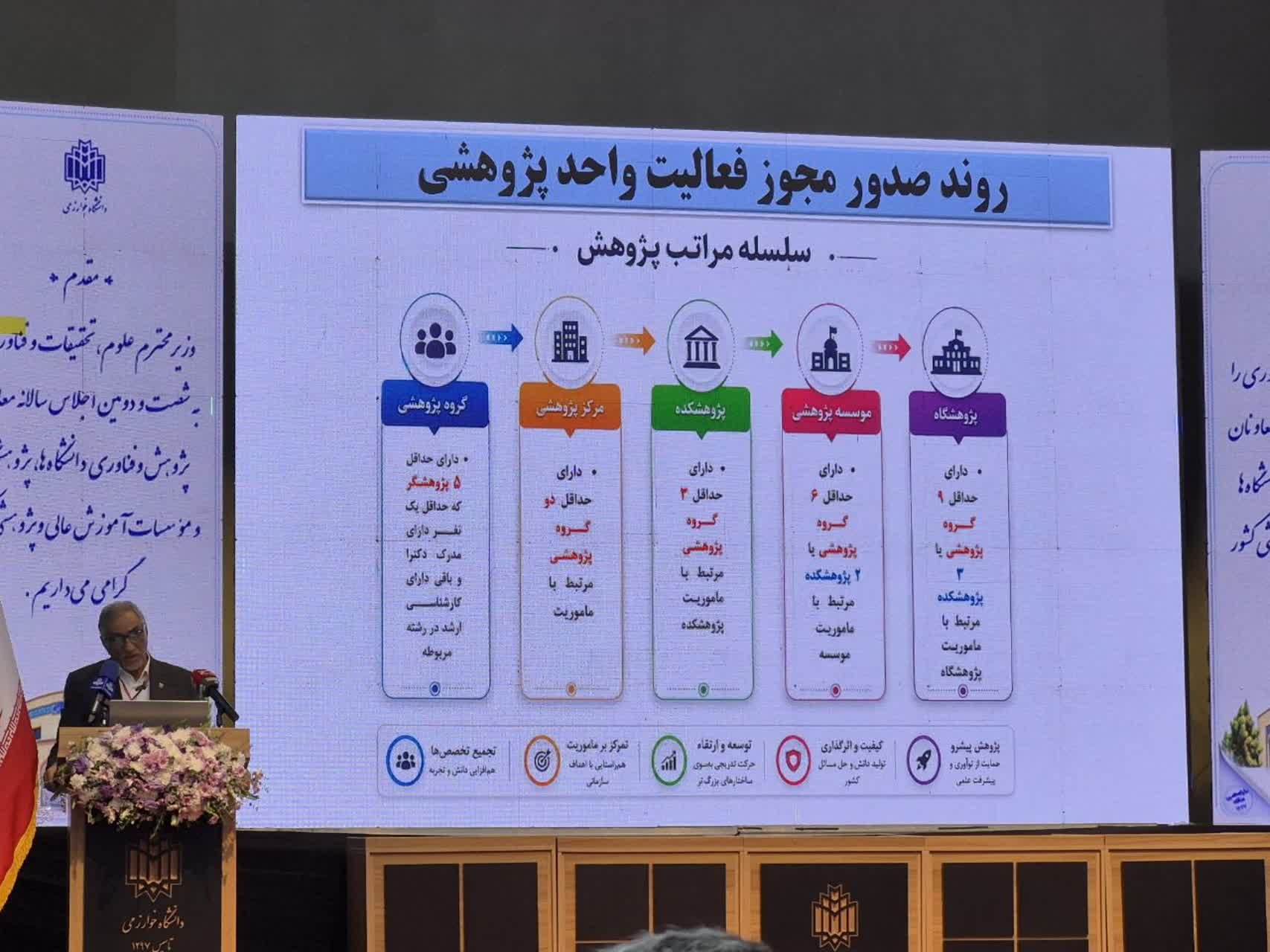
He added: "In the educational structure, there are departments, faculties, and universities, but we have created similar structures in research as well, which in some cases are cumbersome. For example, research groups, research centers, and research institutes have been established, and specific structures have been defined for each."
The Deputy for Research of the Ministry of Science explained: "These structures sometimes place researchers in fixed formats for a long time, while research requires dynamic and flexible structures."
Dr. Abtahi, referring to the "Individual Research Laboratory" plan, said: "It seems that the core of a dynamic research structure should be researchers who have significant scientific and technological outputs."
He added: "A distinguished researcher who produces prominent articles, has strong ties with industry, is active in innovation, trains capable students, creates spin-off companies, has appropriate international connections, and plays a role in solving the country's problems can be supported as an individual research laboratory."
The Deputy for Research of the Ministry of Science continued: "In this model, a specific grant is allocated to the researcher so that they can pursue their research and innovative activities with greater independence and agility."
Dr. Abtahi announced the commencement of the pilot implementation of the individual research laboratories plan and said: "In the first phase, this plan has started with 112 individuals, and the base year grant for each researcher is one billion Tomans."
He added: "70 percent of the budget for this plan has been allocated, and the universities participating in the pilot phase will receive the final credit related to this phase."
The Deputy for Research of the Ministry of Science stated: "In this plan, first, researchers with scientific capacity, industry connections, and technological achievements are identified, and then targeted financial support is provided to them."
Abtahi, referring to the next phase of this plan, explained: "If two or more researchers with strong individual research laboratories collaborate in an interdisciplinary field, they will be eligible to receive a synergy grant."
He added: "This grant will be approximately 5 billion Tomans per year under current conditions and can be paid for three years."
The Deputy for Research of the Ministry of Science continued: "If these teams succeed in attracting international grants, the formation of international collaborations and the establishment of joint laboratories will also be facilitated."
Dr. Abtahi, regarding the vision of this plan, said: "The goal of the Ministry of Science is to ultimately reach a thousand individual research laboratories."
He added: "For the current year, the goal is to increase the number of these laboratories, and the full realization of this plan requires parliamentary support in next year's budget."
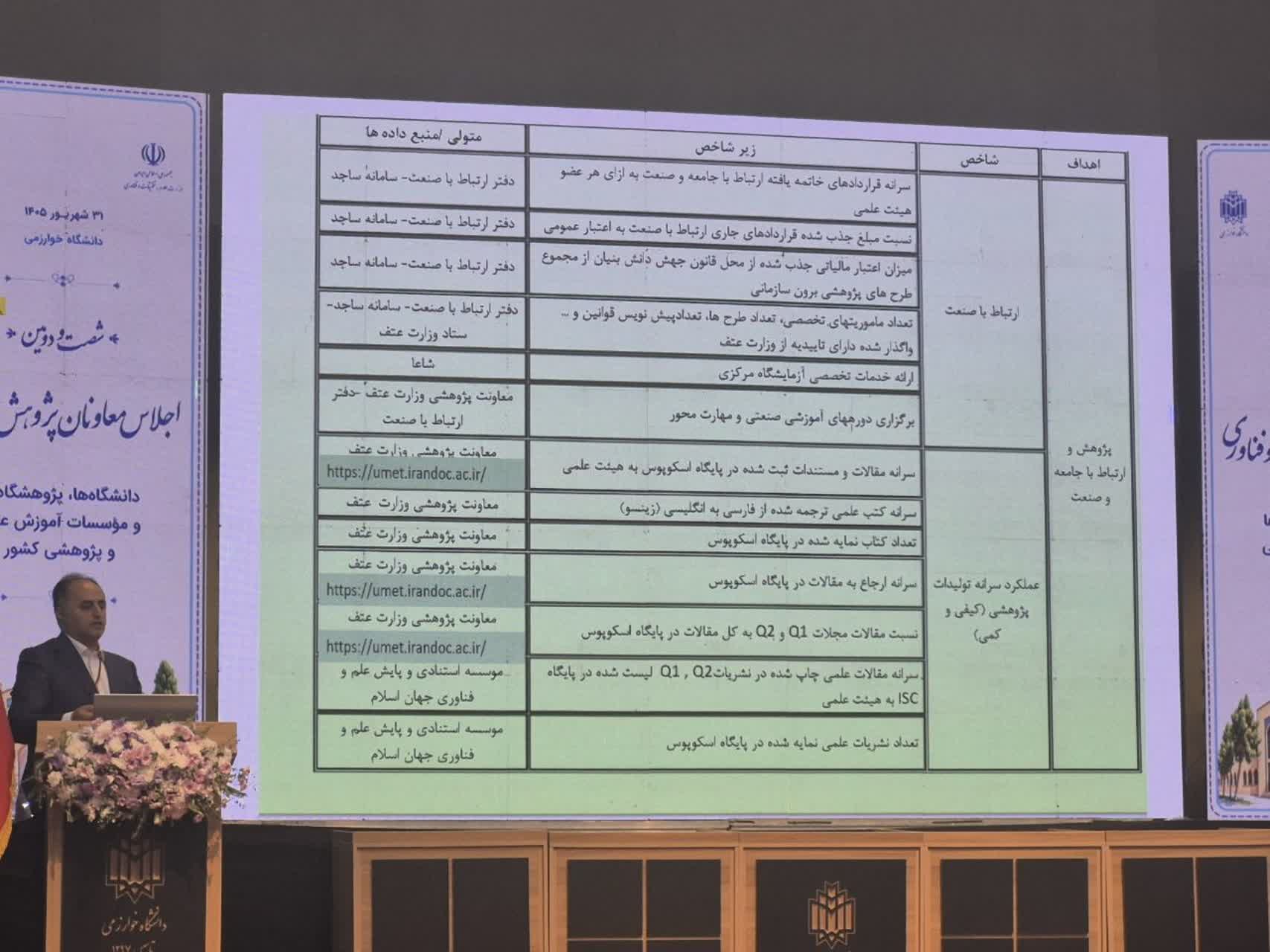
The Deputy for Research of the Ministry of Science, continuing, referred to the status of university-industry relations and said: "Currently, about 14,000 university-industry collaboration projects are underway in the country's universities, and over the past two years, the growth of these projects has been very significant."
Dr. Abtahi valued these projects at approximately 17 trillion Tomans and added: "These are projects that are implemented within the usual framework of university-industry relations, but the important issue is how universities can contribute to solving the country's macro-level problems."
He emphasized: "The capacity of the country's universities must be utilized to its maximum potential, even with minimal existing resources, to enhance the country's resilience. Universities can play a role in defense, food security, health, and other fundamental national issues."
The Deputy for Research of the Ministry of Science noted: "Preserving social capital, retaining researchers within the country, equipping and supporting them, and responding to the country's fundamental issues and questions are among the important duties of the country's research community, and we hope this capacity will be mobilized more than before."
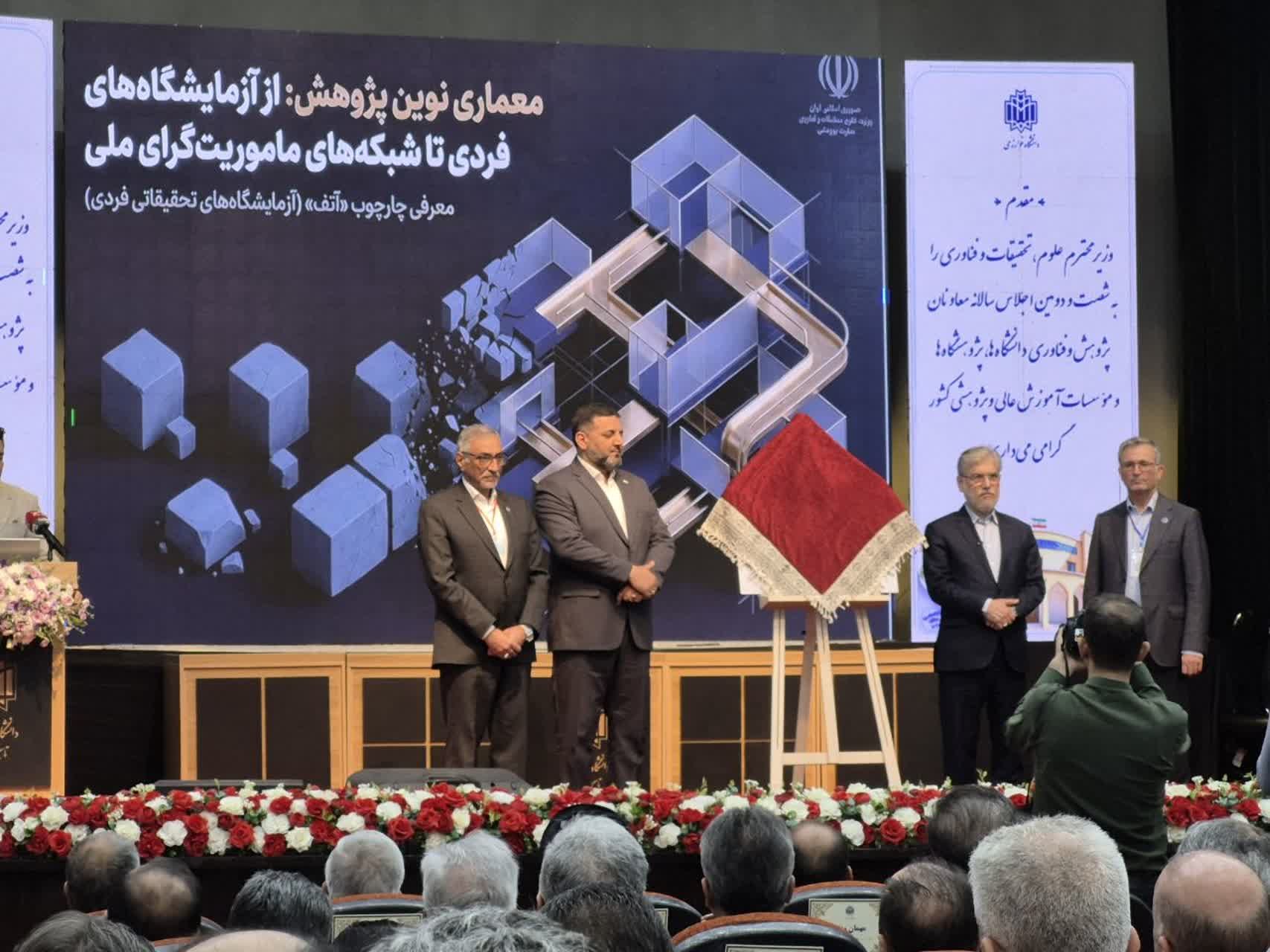
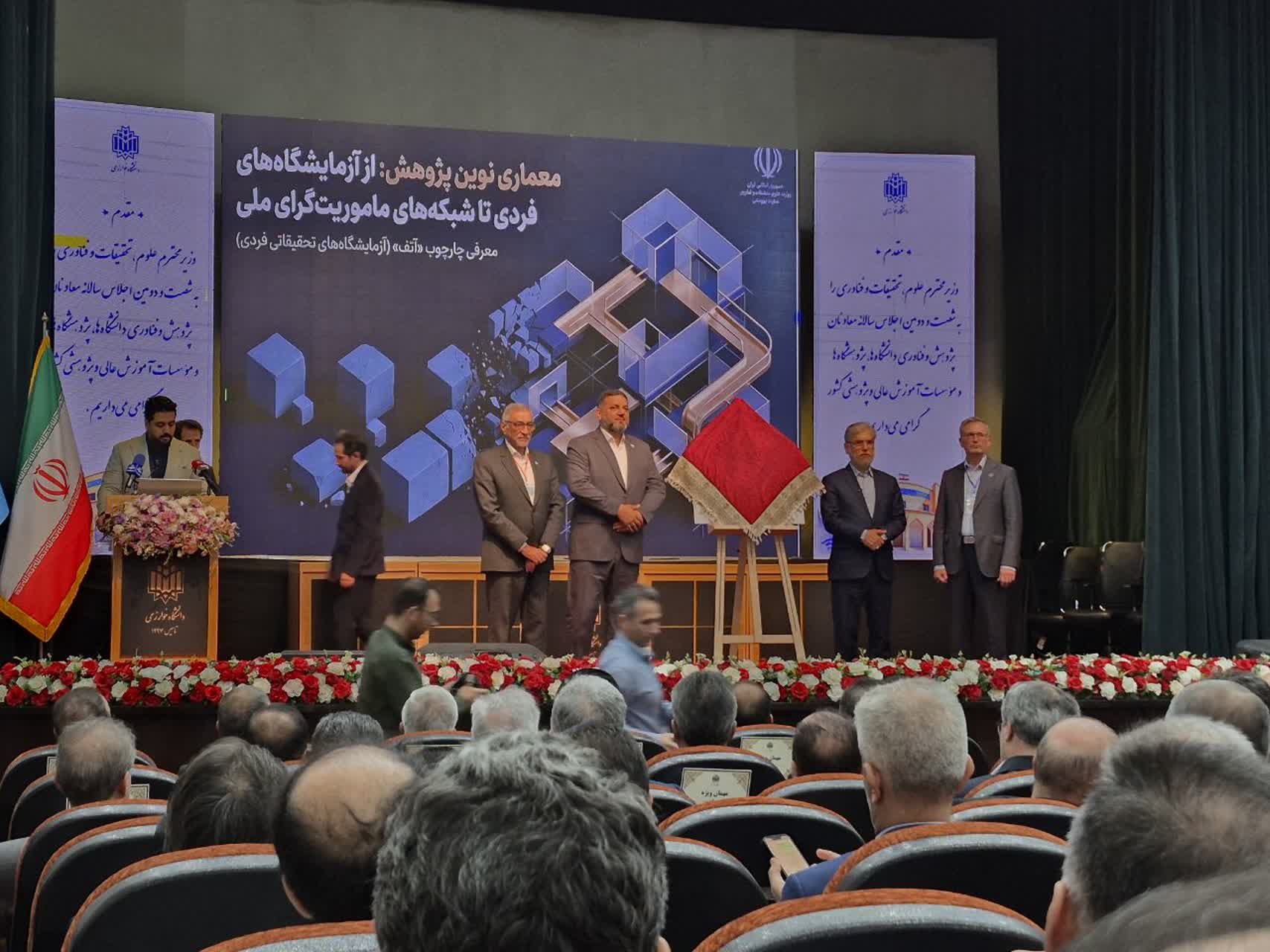
Unveiling of the "ATF" Plan
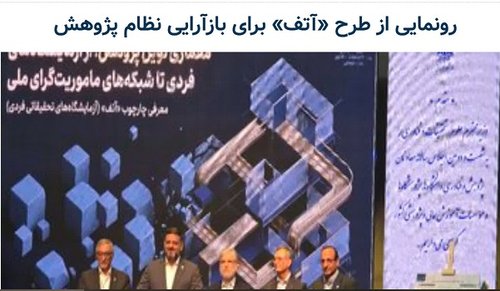
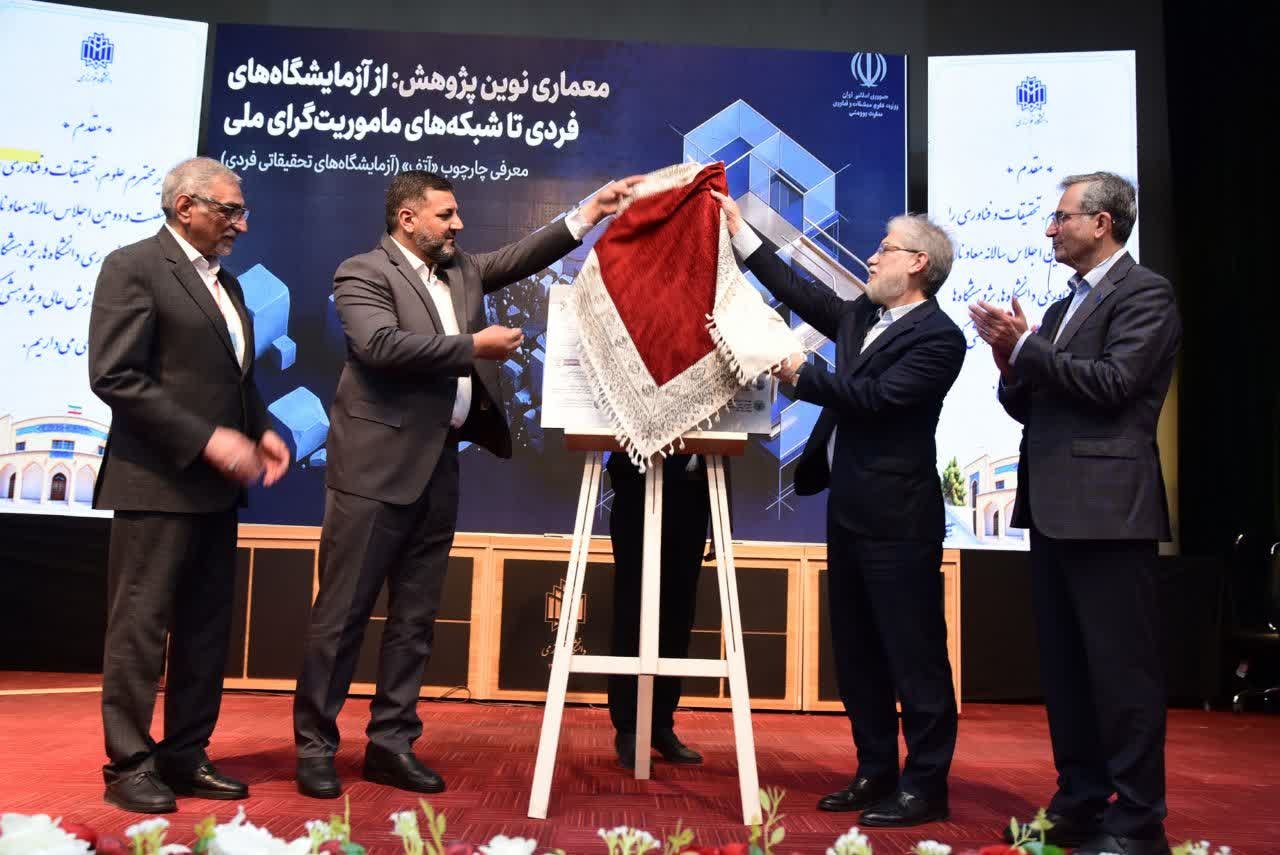
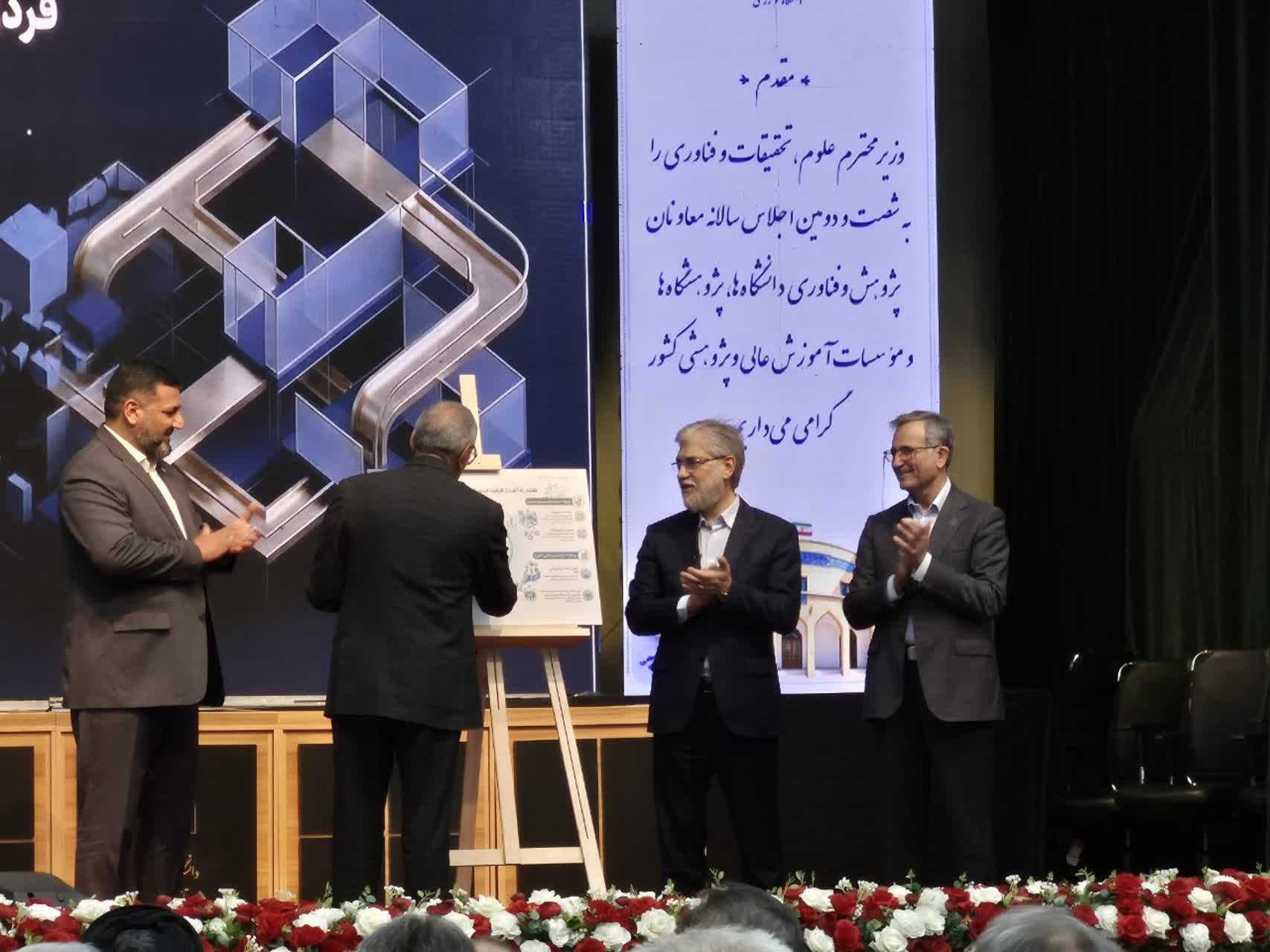
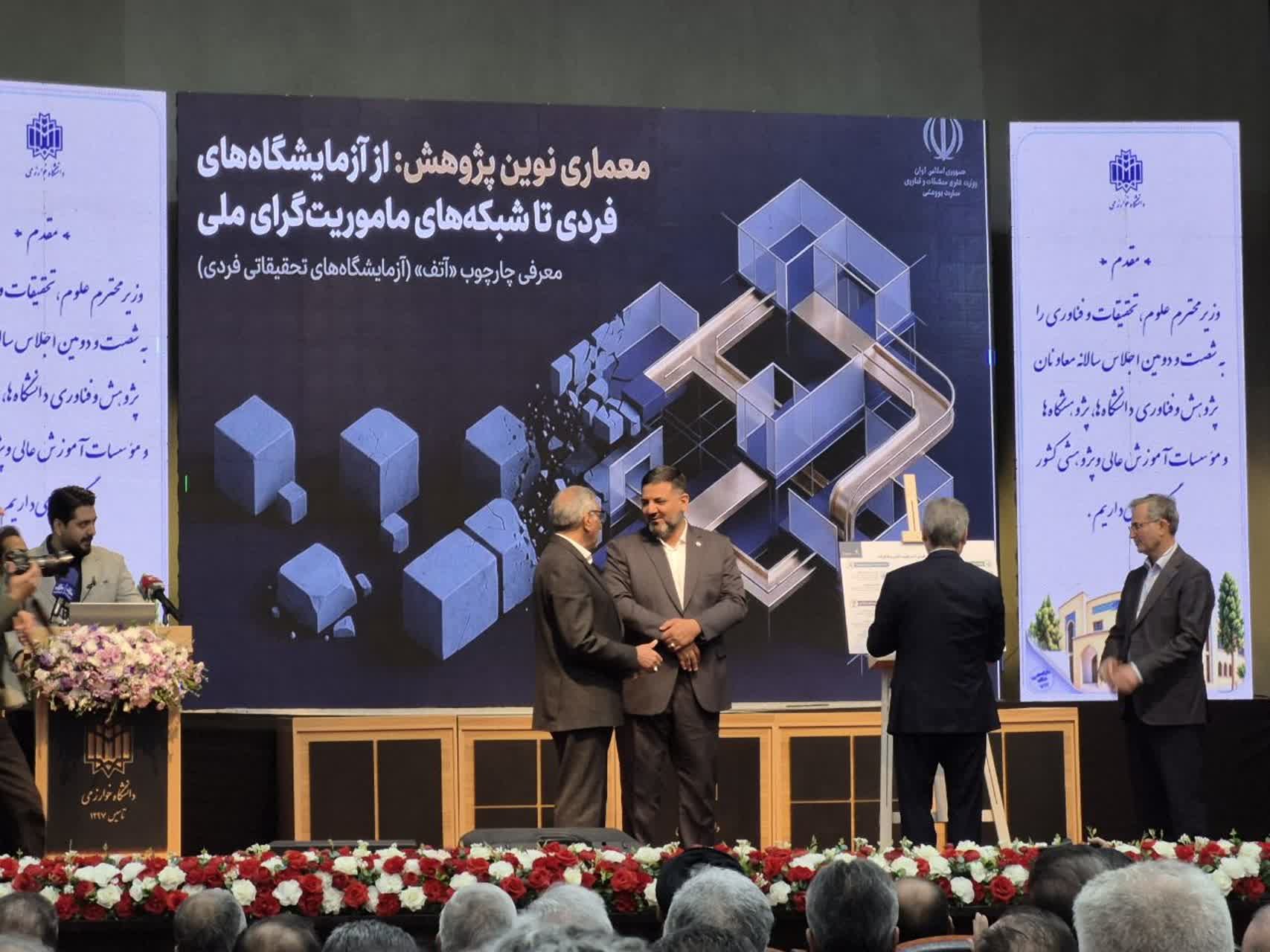
Subsequently, with the presence of Dr. Seimaei Sarraf, the Minister of Science, Research and Technology, the "ATF" plan was unveiled.
The ATF plan has been formulated with the aim of reorganizing the country's research system and seeks to direct university capacities from scattered and intermittent activities towards solving real societal and industrial problems.
The ATF plan is based on four pillars: scientific development, problem-solving, innovation, and human resource development and training. Its implementation is foreseen in four stages, including: identifying talented researchers, establishing individual laboratories with three-year support, creating interdisciplinary research networks, and forming large mission-oriented networks and synergistic research networks (Homa).
Attention to the Integrated Technology Ecosystem / The Importance of the Supreme Council of Science, Research and Technology
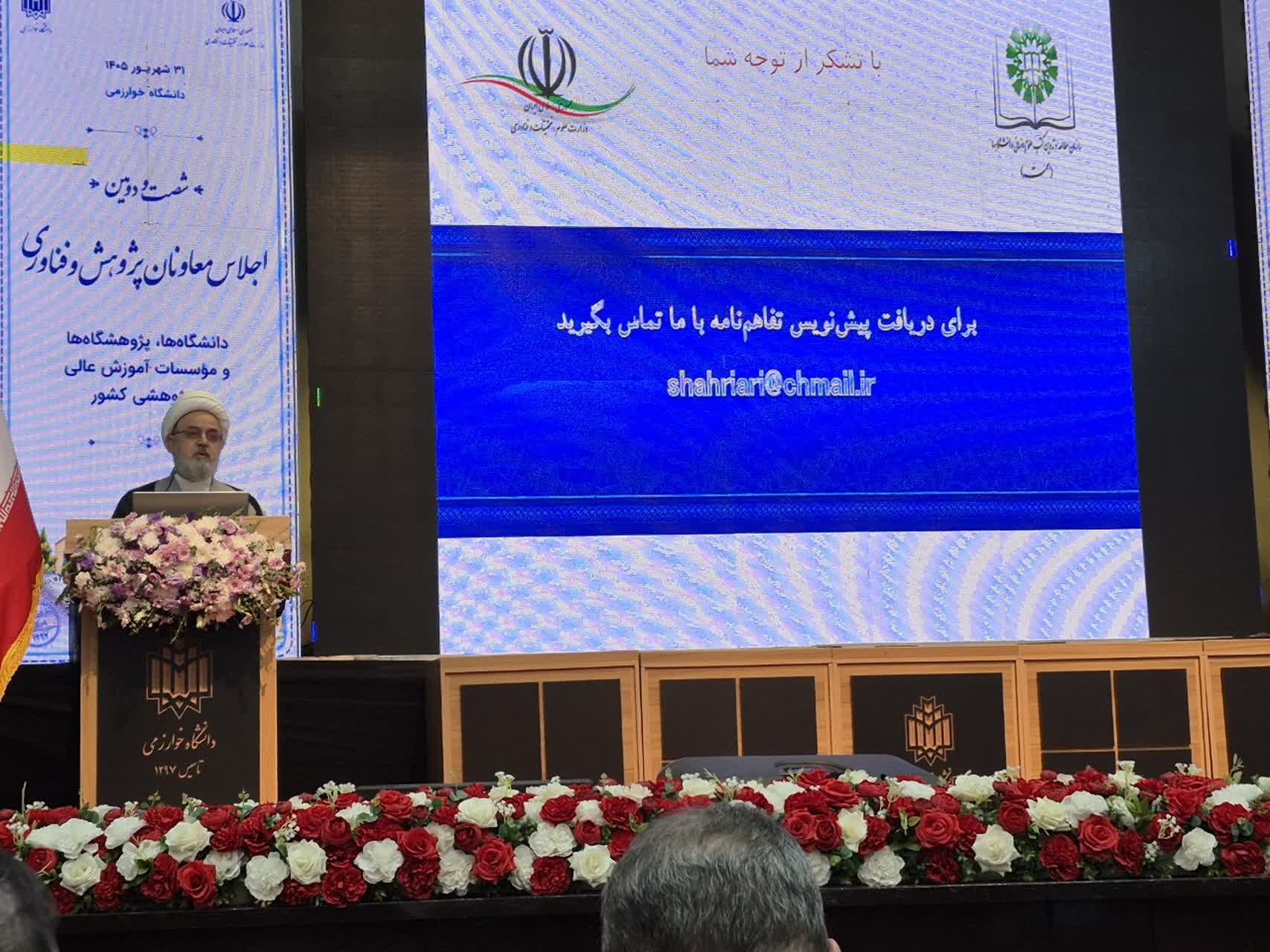
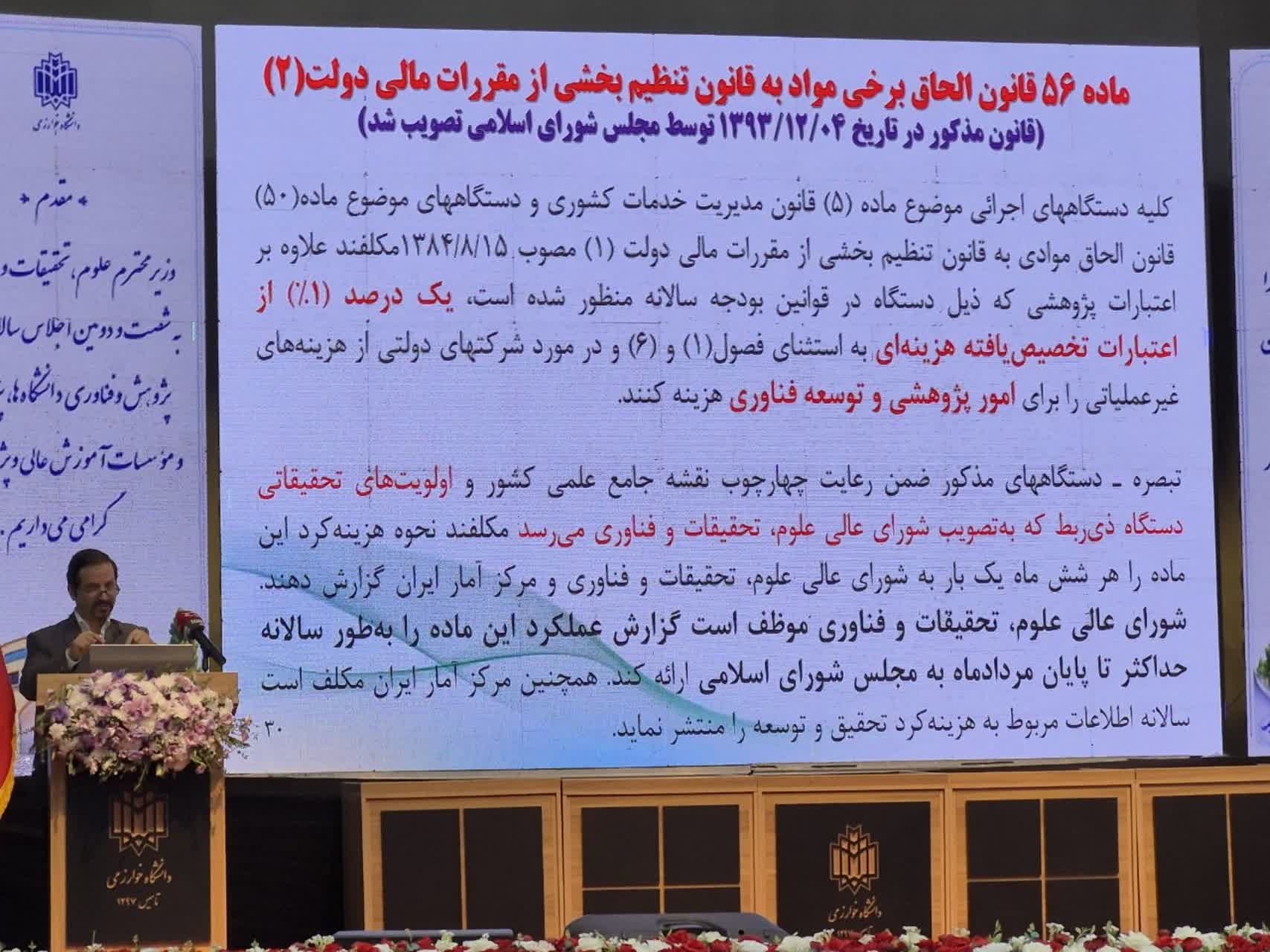
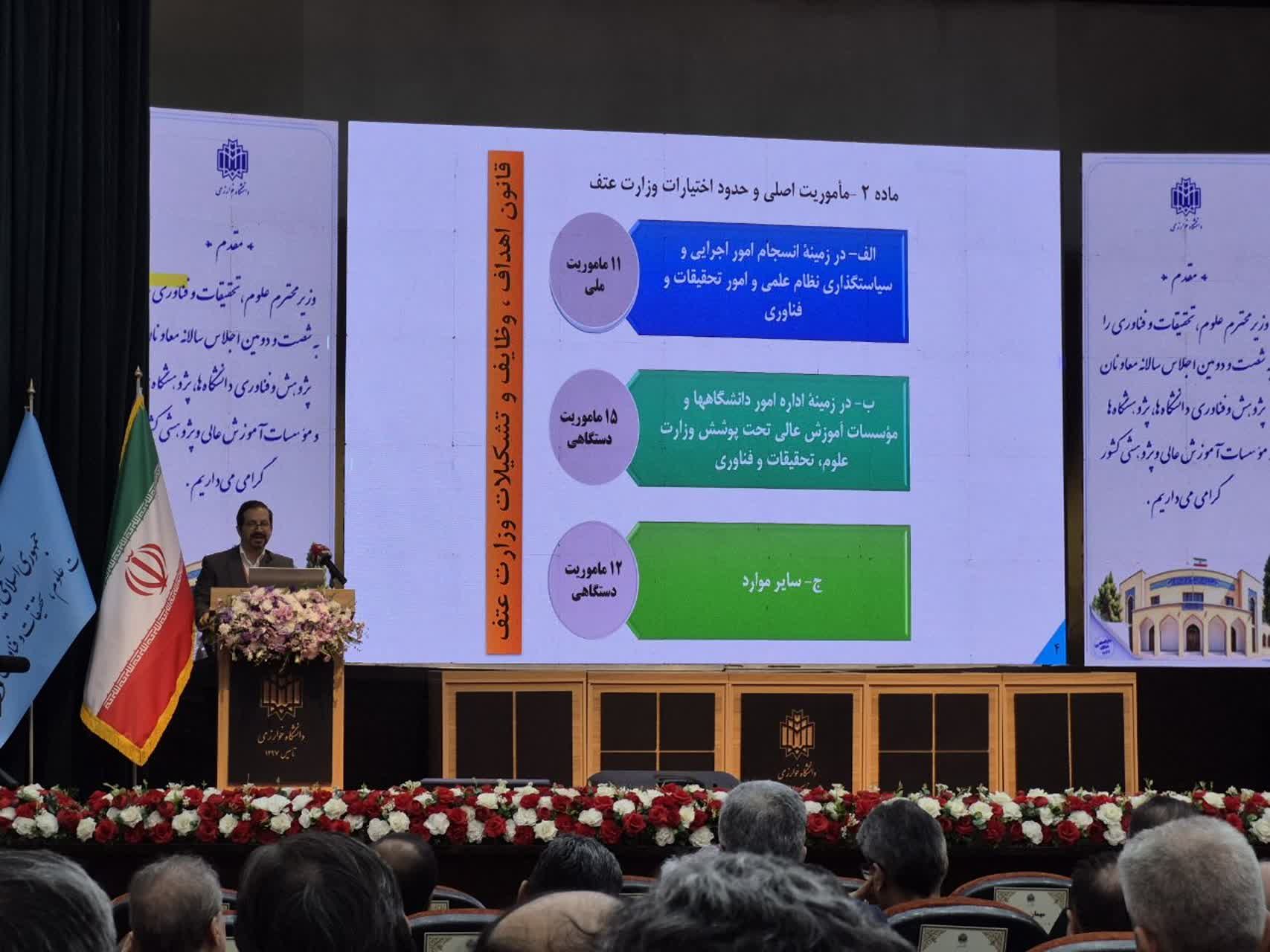
At this meeting, Dr. Peyman Salehi, the Secretary of the Supreme Council of Science, Research and Technology (SCSRT), referring to the position of the Supreme Council of Science, Research and Technology, stated: "The main question is whether we have reached an integrated ecosystem that can be responsive at various technological levels, or not, and if not, where are we and what should we do?"
Dr. Salehi, referring to the law establishing the Ministry of Science, Research and Technology, said: "In 2004, when the law establishing the Ministry of Science, Research and Technology was approved by the Parliament, various duties in the area of coordinating executive affairs and policymaking for the country's science, research, and technology system were delegated to this ministry."
Salehi continued: "The Ministry of Science is a ministry, but it has also been given broader responsibilities. Therefore, the question arises as to how a ministry can conduct the country's evaluation system or play a role in technology at the national level."
He said: "The legislator's solution was to establish the Supreme Council of Science, Research and Technology so that this council would have the necessary authority to carry out national affairs at the level delegated by the law to the Ministry of Science."
The Secretary of the Supreme Council of SCSRT stated that the President is the head of this council and the Minister of Science is its vice-president. He added: "The secretariat of the Supreme Council of Science, Research and Technology is located in the Ministry of Science, but the Supreme Council of Science, Research and Technology is not solely for the Ministry of Science; rather, it is the Supreme Council of Science, Research and Technology of the country."
Referring to the composition of the council members, he added: "The council members include ministers, vice-presidents of the president, the head of the Planning and Budget Organization, members of parliament from the Education and Research Commission, the head of the Civil Defense Organization, university presidents, the president of Islamic Azad University, heads of academies, and representatives of selected scientific associations."
Dr. Salehi, referring to the fact that the Vice Presidency for Science and Technology did not exist at the time of the approval of the law establishing the Ministry of Science, said: "We recently proposed adding members to the council, but it was announced that since the composition of the council is specified in the law, changing it requires parliamentary approval."
The Importance of Universities' Role in Solving the Country's Challenges
At this meeting, Dr. Azimirad, a member of the Parliament's Education, Research and Technology Commission, emphasized the importance of universities' role in solving the country's challenges and said: "Universities must play a more effective role in solving the country's problems and super-challenges, and the connection between universities, society, and industry must be strengthened."
He added: "The President had previously emphasized the necessity of increasing the effectiveness of universities at the Ministry of Science. It is expected that this meeting, by focusing on the connection between universities and society and industry, will contribute to the realization of this goal."
It is worth noting that the sixty-second meeting of the deputies for research and technology of universities, research institutes, and higher education and research institutions of the country concluded with speeches, presentations of successful experiences by the deputies for research and technology of the country's universities, a Q&A session, and the reading of a statement.
Source of news text data: Research and Technology Deputy of Lorestan University.