

Statement of the Eighty-Third Meeting of Student Affairs Vice-Presidents of Universities and Higher Education Centers of the Country
 Jul 18, 2026
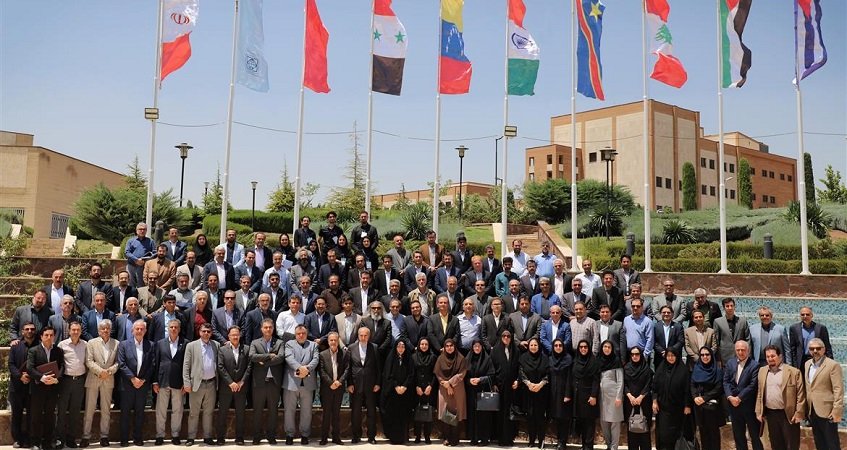
The eighty-third meeting of the Student Affairs Vice-Presidents of universities and higher education centers of the country, with the slogan "Legality, Improvement of Mental Health, Promotion of Student Enthusiasm and Vitality, Justice in Resource Distribution, Enhancement of Convergence and Synergy," was held at Imam Khomeini International University (RA) in Qazvin.
In this meeting, which was accompanied by mourning for the days of Muharram and remembrance of the late leader of the revolution, the student affairs vice-presidents emphasized the implementation of the new nutrition plan, psychological support in the post-war era, and the development of sports infrastructure.
The text of this statement reads:
We commemorate the eighty-third meeting of the Student Affairs Vice-Presidents of universities and higher education centers of the country, coinciding with the days of mourning for Hazrat Aba Abdillah in the month of Muharram, and the farewell, funeral, and burial ceremonies of the martyred leader (The Martyr of Iran), Grand Ayatollah Seyyed Ali Hosseini Khamenei (RA), at Imam Khomeini International University in Qazvin.
The Organization of Students, by the grace of these days and with the slogan "Legality, Improvement of Mental Health, Promotion of Student Enthusiasm and Vitality, Justice in Resource Distribution, Enhancement of Convergence and Synergy at all university levels," held this meeting. It is hoped that it will bring increased blessings to the student sector of universities. Accordingly, the following points were emphasized by the student affairs vice-presidents of the universities:
1) By the grace of God, it has been decided, based on the official decree of the esteemed Minister of Science, Research and Technology dated July 4, 2026, and based on the national budget law for 2026 and in accordance with Article 73 of its executive regulations, that from the beginning of the new academic year 2027-2026, the new student nutrition plan will be implemented, and student nutrition subsidies will be allocated through the Student Welfare Fund to the final beneficiaries, namely the eligible students.
Given the importance of this national plan and considering that the fourteenth government is determined, as a major policy, to transfer subsidies to the beginning of this chain, which is the student,
all bodies of universities and higher education institutions, especially the presidents and student affairs vice-presidents of universities, should strive to ensure that this plan is implemented easily, effectively, and successfully.
2) In the new nutrition plan, the Student Welfare Fund is the executor, the Organization of Students is the strategist, universities are the supervisors, and students are the final beneficiaries of the plan.
It is necessary for universities to cooperate with the executor and strategist of the plan, as this coordination and cooperation can make the plan smooth, transparent, and facilitated.
3) Collaboration and interaction with the student-welfare councils as representatives of the students in the correct and complete implementation of the plan requires informing and clarifying its dimensions to the students. The participation of student-welfare councils in universities, considering the importance of the plan, can lead to fewer problems in its implementation process.
It is necessary for the student affairs vice-presidents of universities, in continuation of the explanatory actions of the Organization of Students and the Student Welfare Fund, to engage in maximum consultation and utilization with students, not symbolically, but systematically and programmatically in accordance with the approved regulations.
4) As indicated in the final part of the letter dated July 4, 2026, from the esteemed Minister of Science, Research and Technology, it is essential for the presidents and student and cultural affairs vice-presidents of universities to endeavor for the optimal implementation of the plan. It is evident that reducing the universities' involvement in non-core mission affairs is an effective step in shaping new-generation universities and is in line with the university's social responsibility and is of special importance.
5) Student affairs vice-presidents of universities and higher education centers will make their core missions a model for comprehensive service delivery, accepting the psychological and safety realities resulting from the virtual era, wars, and social crises, and the data obtained from national and field surveys.
In this regard, in cooperation with university counseling centers, prioritizing counseling and mental and physical health infrastructure, enhancing intervention capacities at the preventive levels, continuing to provide mental and physical health services through online platforms (as a supplement to in-person services), strengthening the participation of mental and physical health assistants in university health programs, and improving HSE (Health, Safety, and Environment) oversight of university facilities will be placed on the agenda to return students to their tolerance window and restore their cognitive and social capabilities, so that the university is not only a suitable environment for education but also a safe space for psychological and social reconstruction.
6) Student affairs vice-presidents of universities and higher education centers, considering the strategic role of sports in promoting student well-being and health, strengthening social capital, and increasing national vitality, hope, and solidarity, emphasize the balanced development of general and elite sports, the regular organization of intra-university olympiads, support for the effective participation of students in national and international events, the expansion of accessible sports, and the strengthening of student sports associations as pillars for achieving a healthy university and capable students.
To achieve this, student affairs vice-presidents emphasize strengthening university sports governance through the establishment of a data-based management system, the development of a comprehensive university sports system, supporting performance-based resource allocation, utilizing the capacity of boards of trustees for infrastructure development and sustainable resource provision, and implementing the macro-policies of the Organization of Students to improve the quality, justice, transparency, and effectiveness of university sports services, and commit to the comprehensive cooperation of universities in achieving these goals.
7) Special attention is paid to the problems of "martyr and veteran" students, who, due to psychological distress caused by war injuries to family members and its transmission to the student, face numerous problems in some cases; especially, a number of students who have lost their loved ones during these two recent wars.
8) Given the various conditions mentioned, the student affairs vice-presidents of universities and higher education centers will take action to equip and furnish dormitories and other student facilities, and fully prepare the university environment for these special conditions.
In other words, university managers, especially those in the student affairs sector, are prohibited from being desk-bound in these circumstances.
In this regard, utilizing the capacity of revolutionary groups and benefactors of each province for the reconstruction of universities damaged during the war is very important and can lead to financing and strengthening communication and participation with external institutions.
9) Finally, we will begin the new academic year under conditions where our country has been affected by two imposed wars, social crises, and economic inflation, which led to universities going non-residential.
The risks arising from the implementation of the new nutrition plan also require due attention. The university's board of directors, while being prepared to enter this arena, must endeavor to explain these special conditions to students and university staff. Furthermore, it is essential that the perspective on reopening the university in the post-war era goes beyond the physical return of students to classes, but rather that the university acts as a psychological and social supporter. Student affairs vice-presidents of universities and higher education centers should also strive for this change in perspective within the university.
And success is from God.